

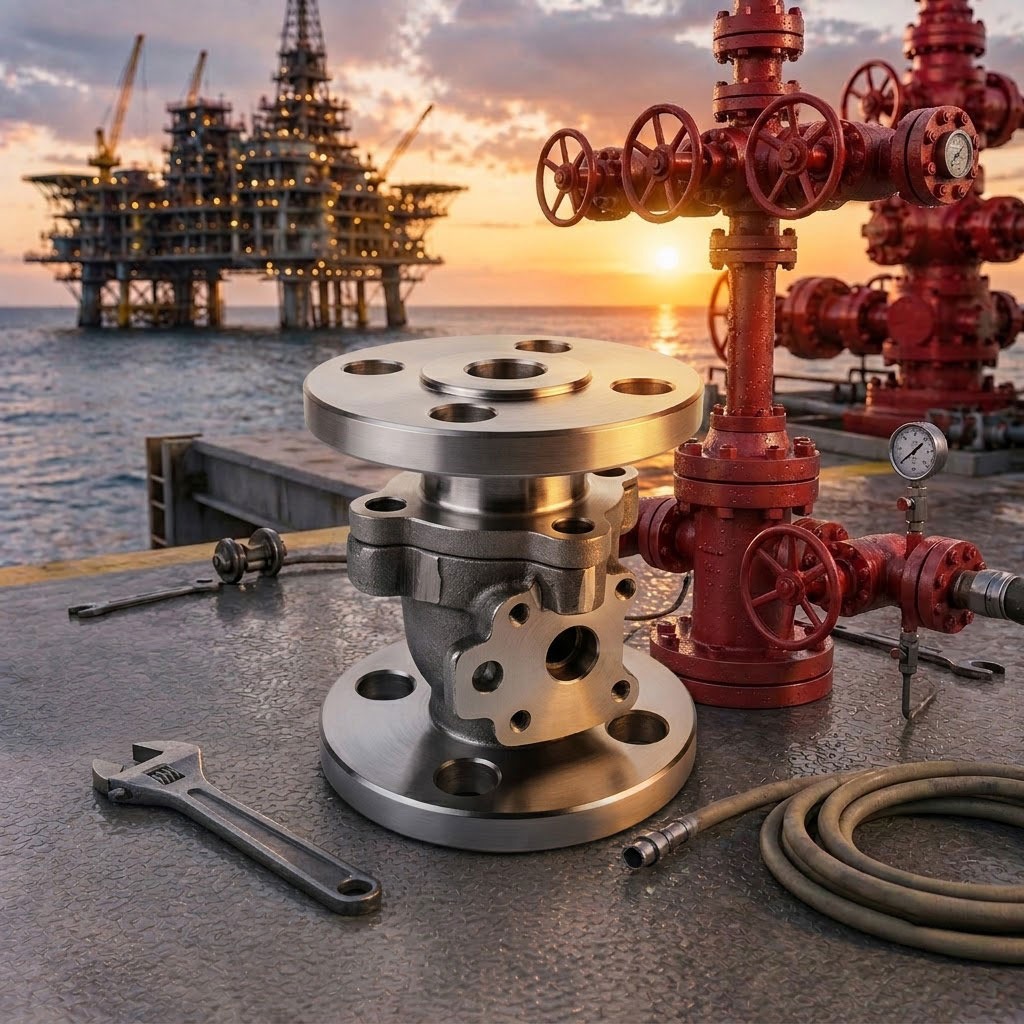
Forged Valve Body Supplier for USA from India: API Oil & Gas Components from Forge to Finish
Valves sit at critical control points throughout the oil & gas industry. Whether installed on a wellhead, pipeline, processing facility, refinery or offshore platform, a valve may be responsible for controlling fluids under substantial pressure and potentially severe temperature, corrosion or sour-service conditions. The valve body is therefore not simply a structural housing. It forms […]
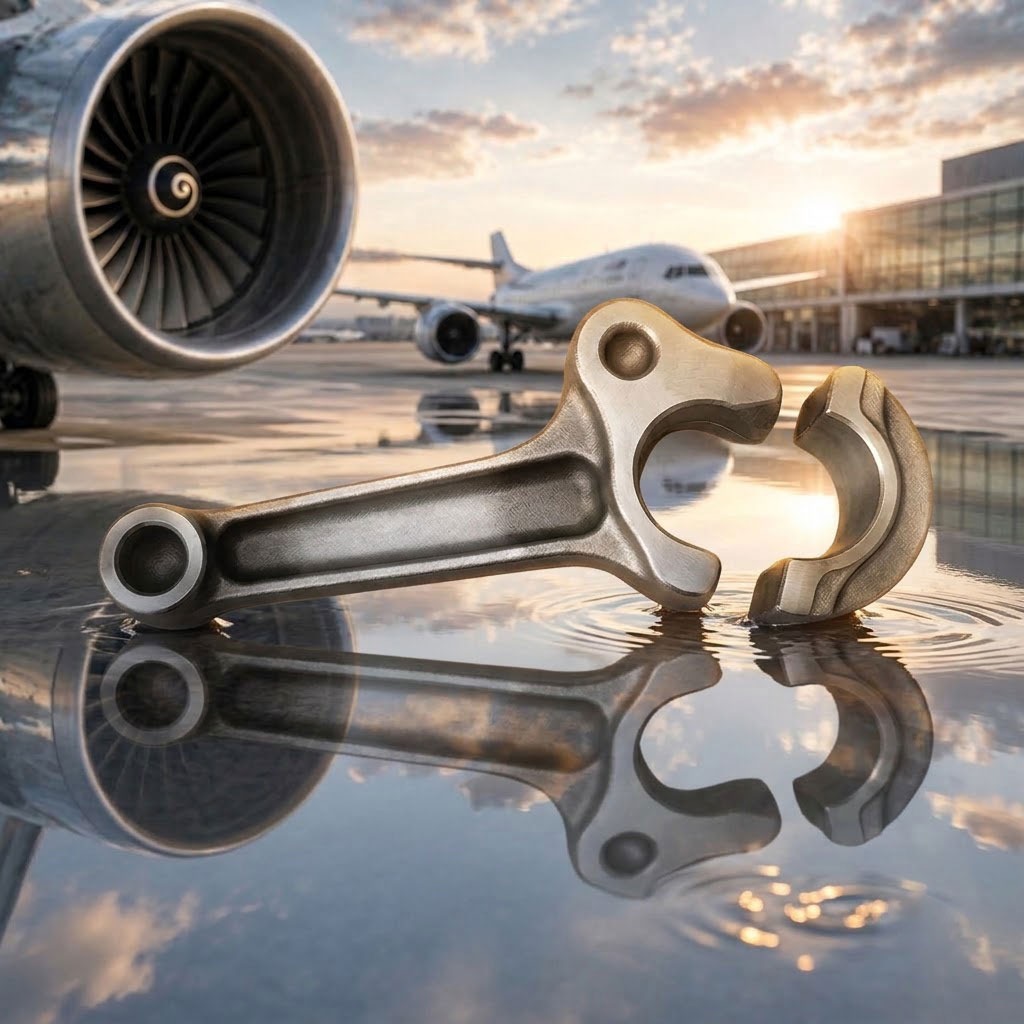
Aeroengine Disc and Shaft Forging Supplier for USA from India: Inconel & Titanium Components
Modern aeroengines operate at extraordinary combinations of rotational speed, temperature and mechanical stress. Components inside the engine must survive thousands of thermal and mechanical cycles while maintaining dimensional and metallurgical integrity. Among the most demanding components are forged discs, rings and shafts used throughout compressor and turbine systems. For US aerospace companies evaluating an aeroengine

Aircraft Landing Gear Forging Supplier for USA from India: 300M & Titanium Components
Aircraft landing gear is one of the most structurally demanding systems on an aircraft. Unlike many aerospace components that operate under relatively predictable loading, landing gear must repeatedly absorb high-energy impact during touchdown, support the aircraft during taxiing and ground manoeuvres, withstand braking and lateral loads, and continue performing across thousands of flight cycles. This […]
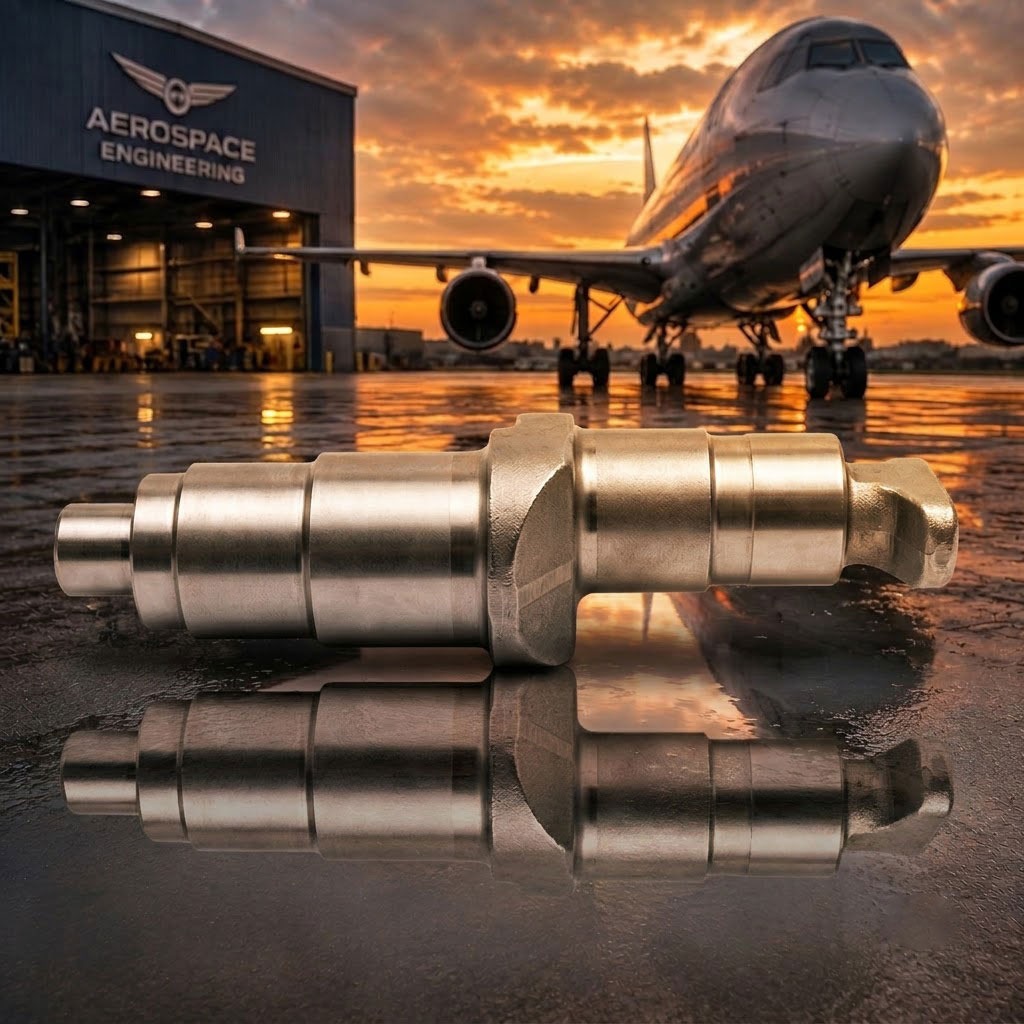
AMS 5663 Inconel 718 Forging Supplier for USA from India: Aeroengine & Gas Turbine Components
Few alloys illustrate the difficulty of critical forging better than Inconel 718. The nickel-based superalloy is used where ordinary steels lose strength or corrosion resistance at elevated temperatures. Its combination of high-temperature strength, oxidation resistance, fatigue performance and corrosion resistance makes it central to aerospace engines, industrial gas turbines and other high-temperature machinery. For Americ
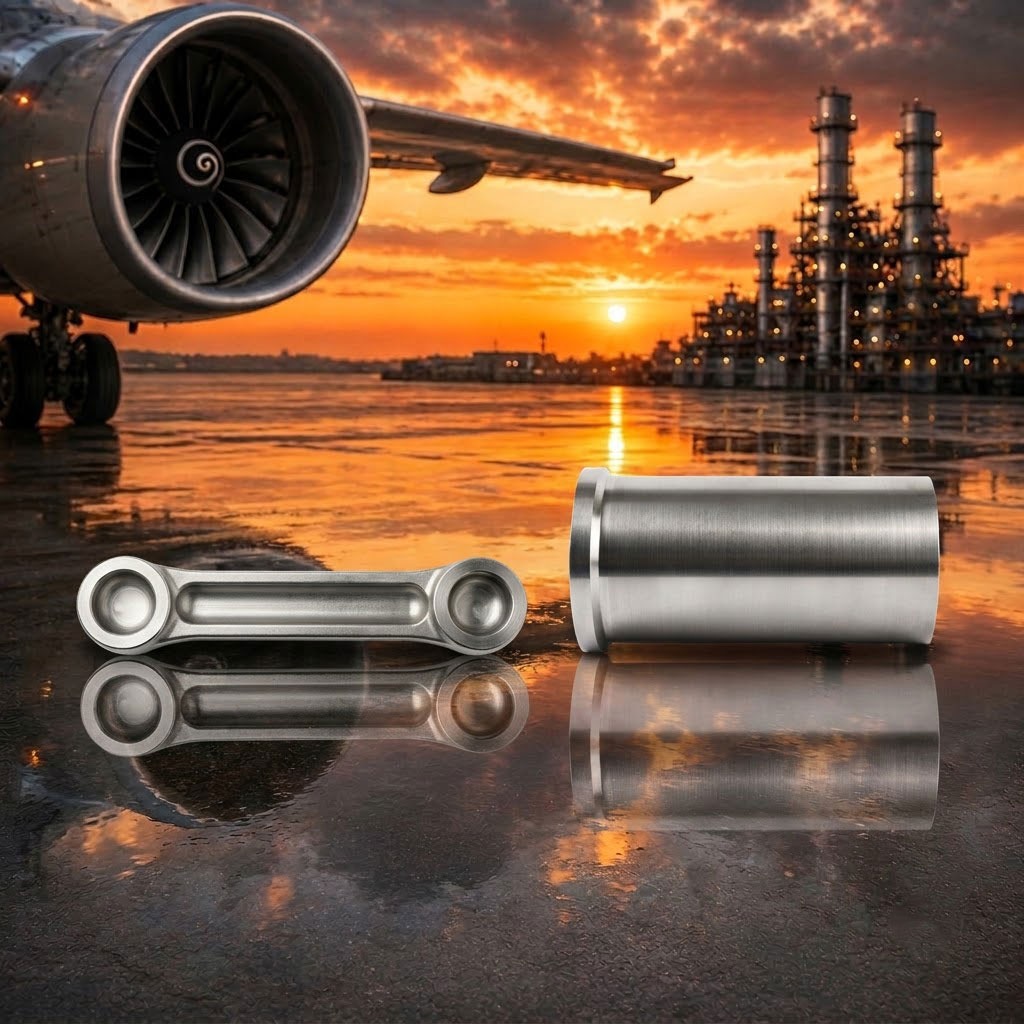
300M Steel Forging Supplier for US Aerospace from India: Landing Gear & Structural Components
Landing gear components experience some of the highest mechanical loads found anywhere on an aircraft. During touchdown they absorb extreme impact. During taxiing they experience repeated fatigue cycles. During manoeuvring they carry substantial bending, torsional and compressive loads. These requirements explain why 300M ultra-high-strength steel is widely associated with demanding aerospace structural applications. For a [
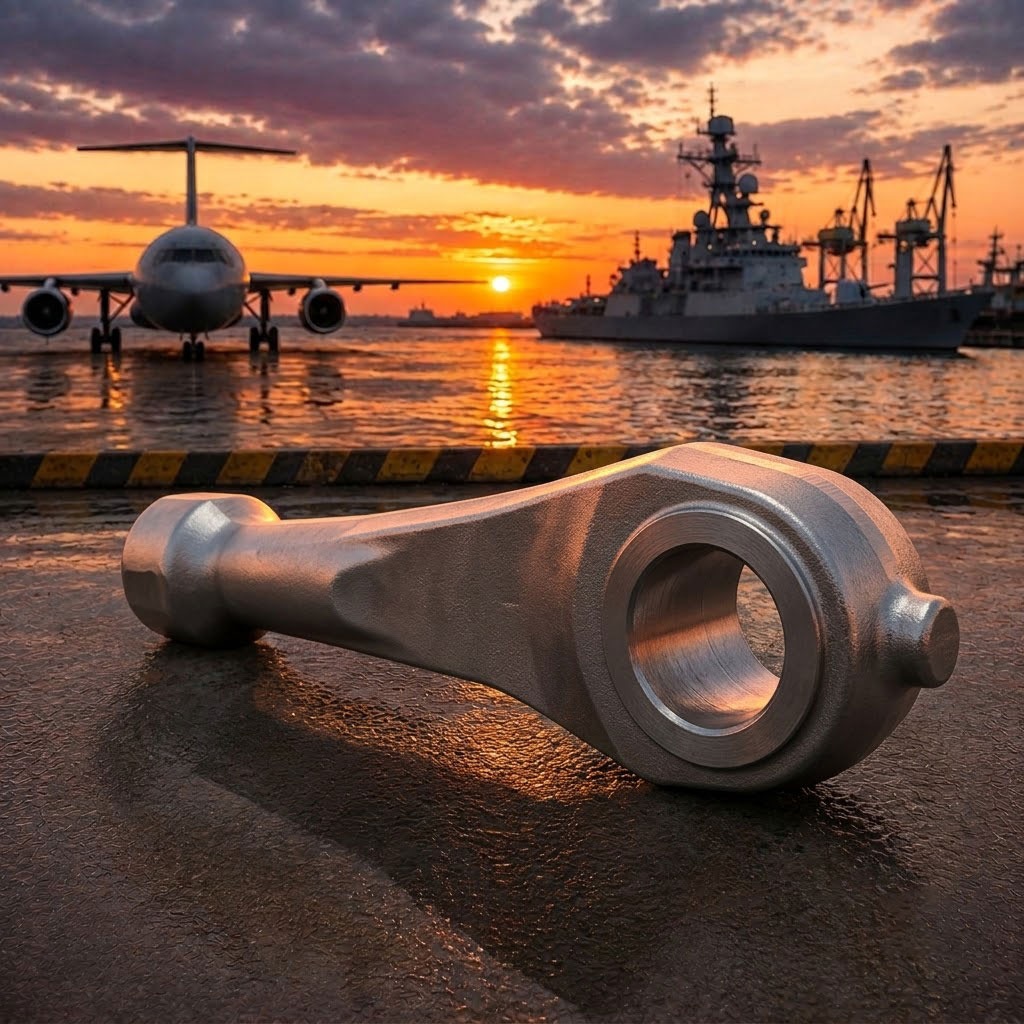
AISI 4340 Forging Supplier for USA from India: Aerospace, Defence & High-Strength Components
When component design demands high strength, fracture resistance and fatigue performance, AISI 4340 is one of the most recognised nickel-chromium-molybdenum alloy steels. It is widely used across aerospace, defence, power generation and heavy mechanical systems. For American procurement teams seeking an AISI 4340 forging supplier from India, supplier qualification must therefore examine far more than […]
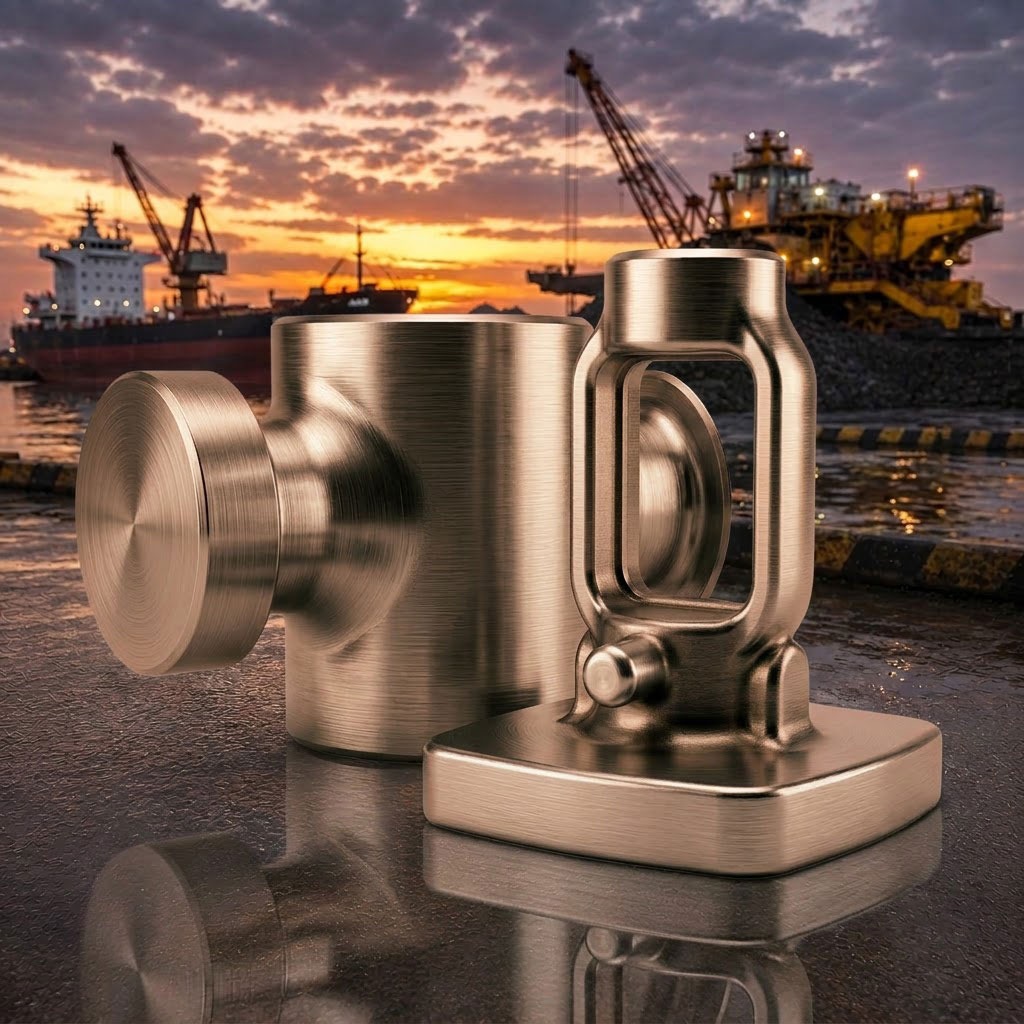
AISI 4140 Forging Supplier for USA from India: Heavy-Duty Industrial Components
AISI 4140 is one of the most established chromium-molybdenum alloy steels used in heavy industrial equipment. For US equipment manufacturers, 4140 forgings are commonly selected where components need substantially higher strength and wear resistance than ordinary carbon steel while retaining useful toughness and machinability. For buyers evaluating an AISI 4140 forging supplier in India for […]
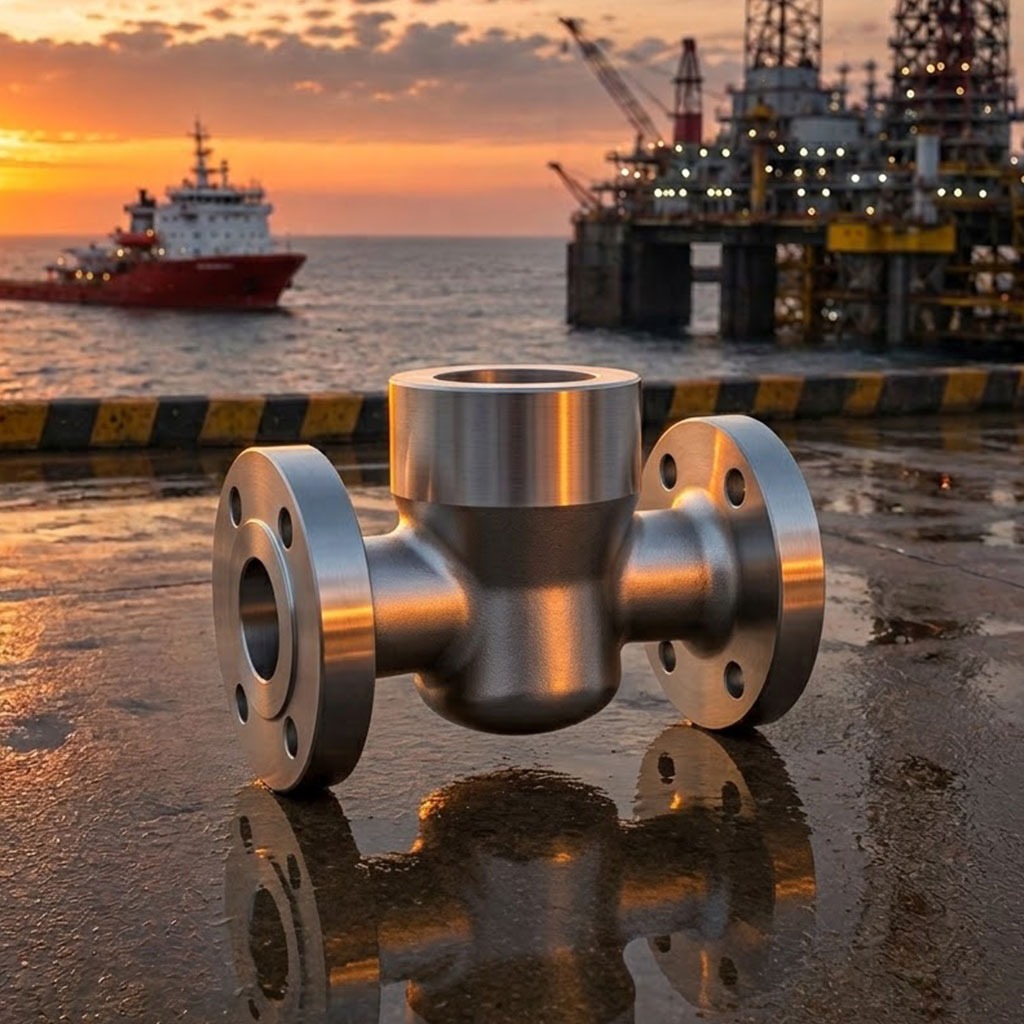
AISI 4130 Forging Supplier for USA from India: Oil & Gas and Pressure-Control Components
American oil & gas equipment manufacturers rely heavily on low-alloy steel forgings for pressure-containing and load-bearing components. Among these materials, AISI 4130 remains one of the most widely specified chromium-molybdenum steels for wellhead equipment, valve components, pressure housings, connectors, flanges, and other upstream applications. For US procurement teams evaluating an AISI 4130 forging supplier from
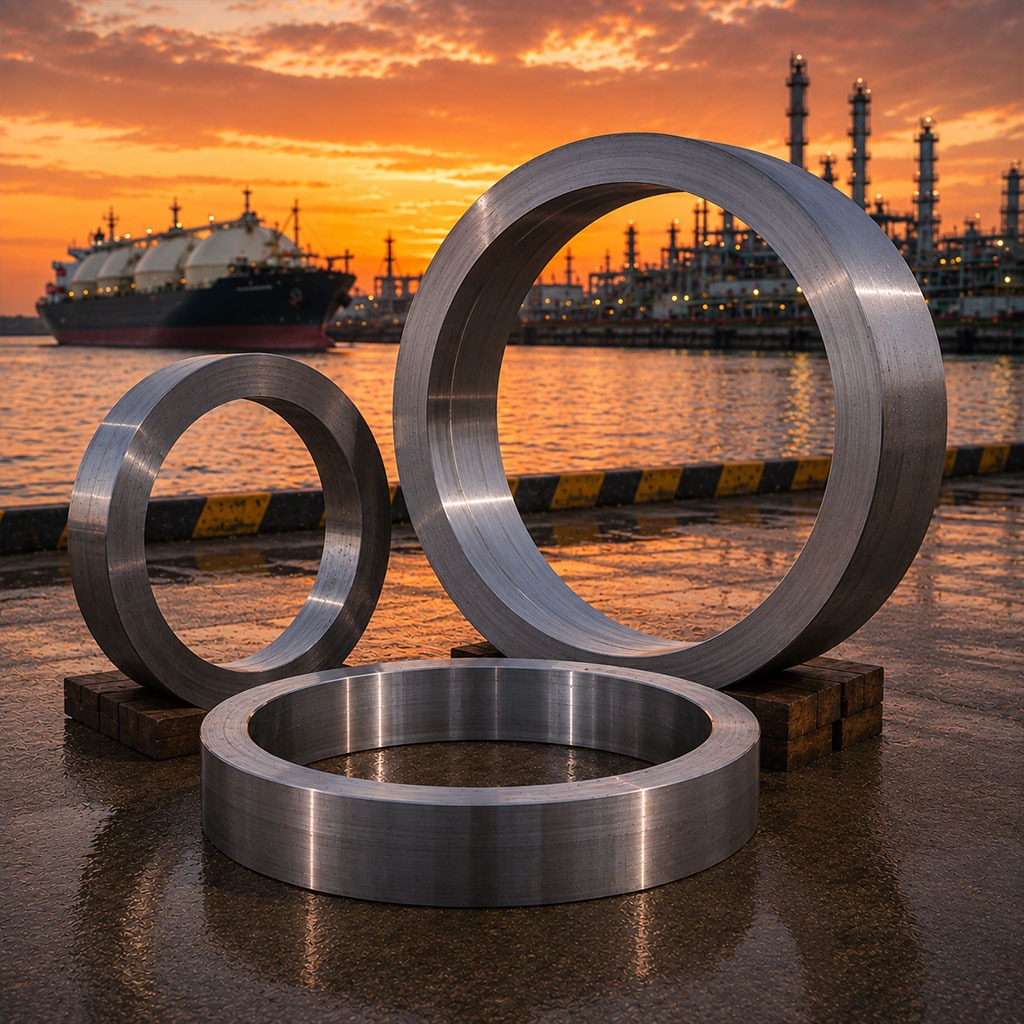
Seamless Rolled Ring Forging Supplier for USA from India: Aerospace, Energy & Industrial Applications
Seamless rolled rings are used wherever a circular component must carry high radial, axial or pressure loads without the discontinuity of a welded joint. US demand spans bearing races, flanges, gear rings, turbine rings, pressure-vessel components, aerospace rings and large industrial rotating equipment. For procurement teams, the key advantage of ring rolling is material efficiency […]
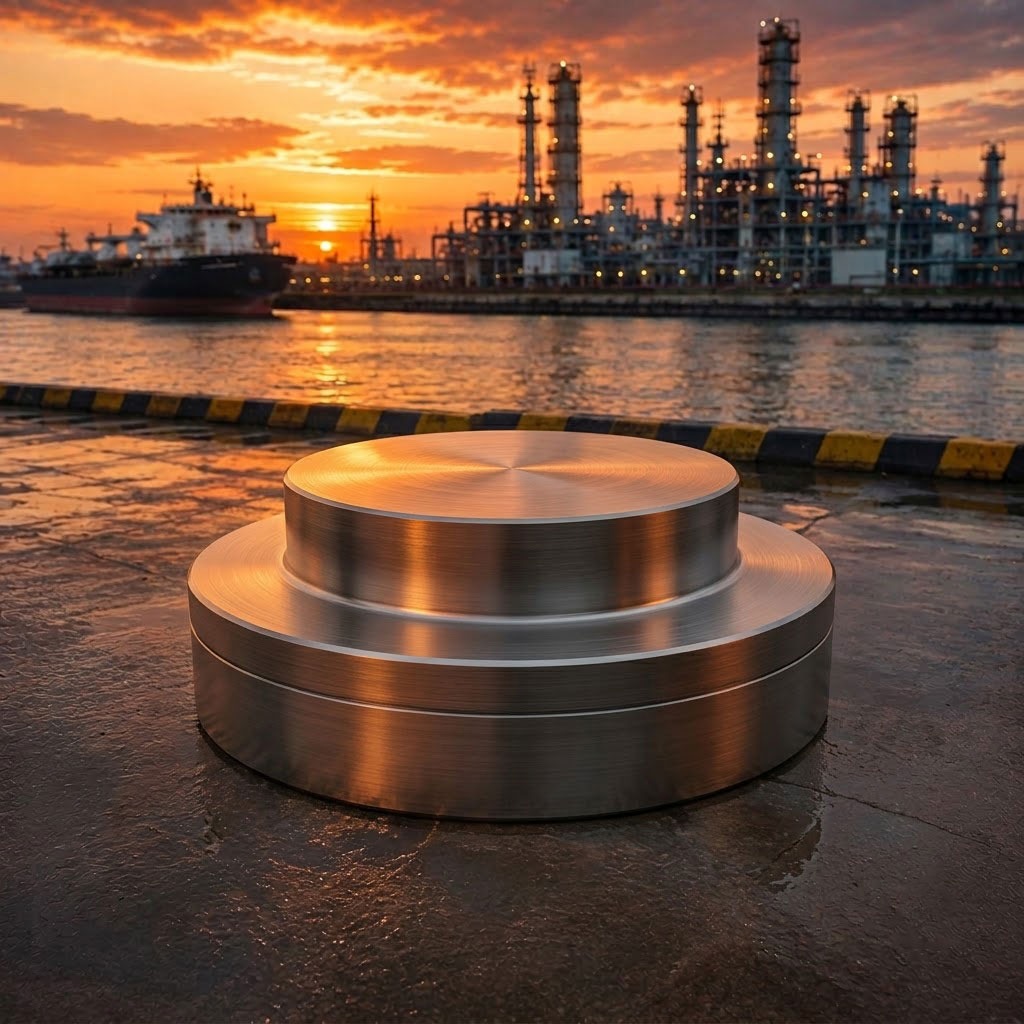
Heavy Steel Forging Supplier for USA from India: Large Forged Components for Critical Equipment
Heavy steel forgings operate in a different risk category from ordinary industrial parts. A multi-ton shaft, disc, block or hub represents a large concentration of material cost, machine time and schedule. If an internal defect is found after final machining, the buyer may lose months rather than days. Supplier qualification therefore has to focus on […]
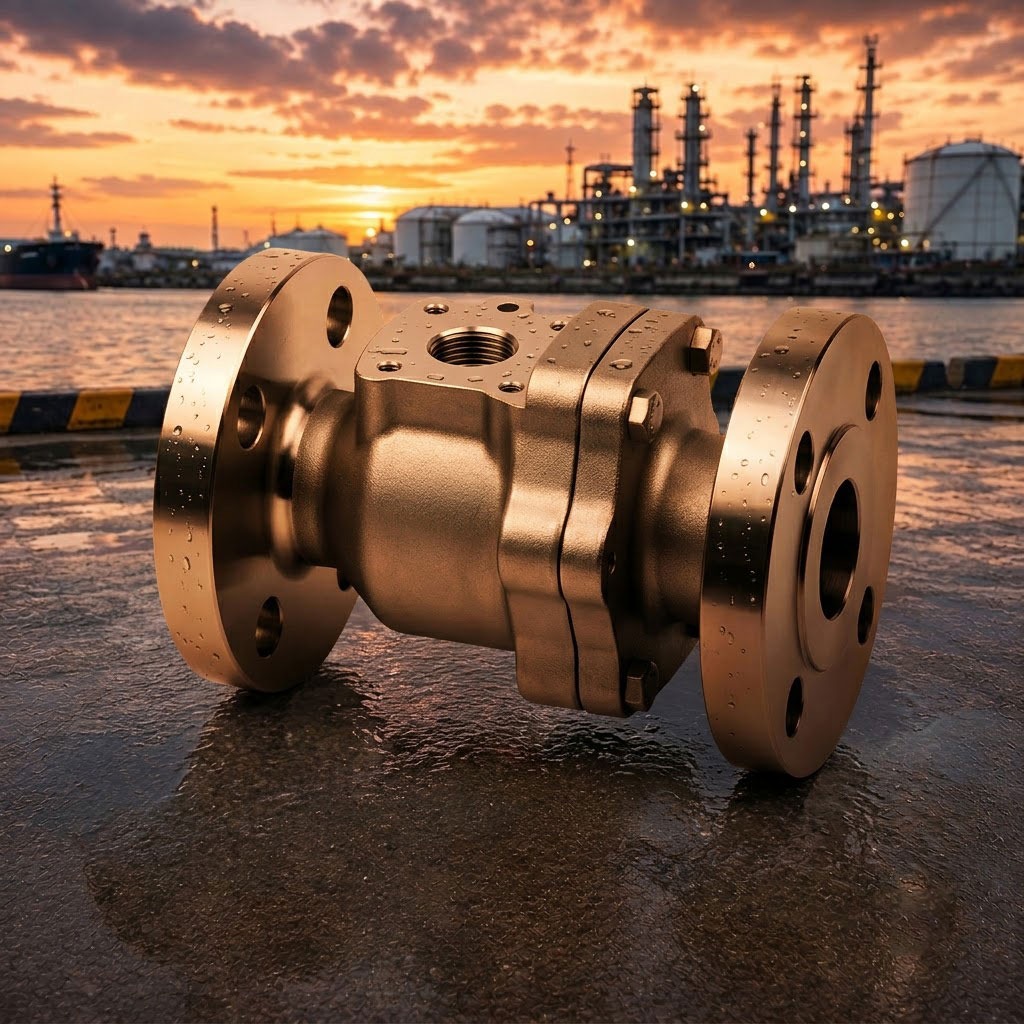
Custom Forging Supplier for USA from India: Forge-to-Finish Components for Critical Industries
The phrase “custom forging supplier” covers a much wider requirement than producing a hot-shaped piece of metal. US OEMs increasingly expect a supplier to interpret drawings, select a viable forging route, control material and heat treatment, perform inspection, manage machining allowances, deliver final dimensions and provide a complete documentation package. That expectation is especially strong […]
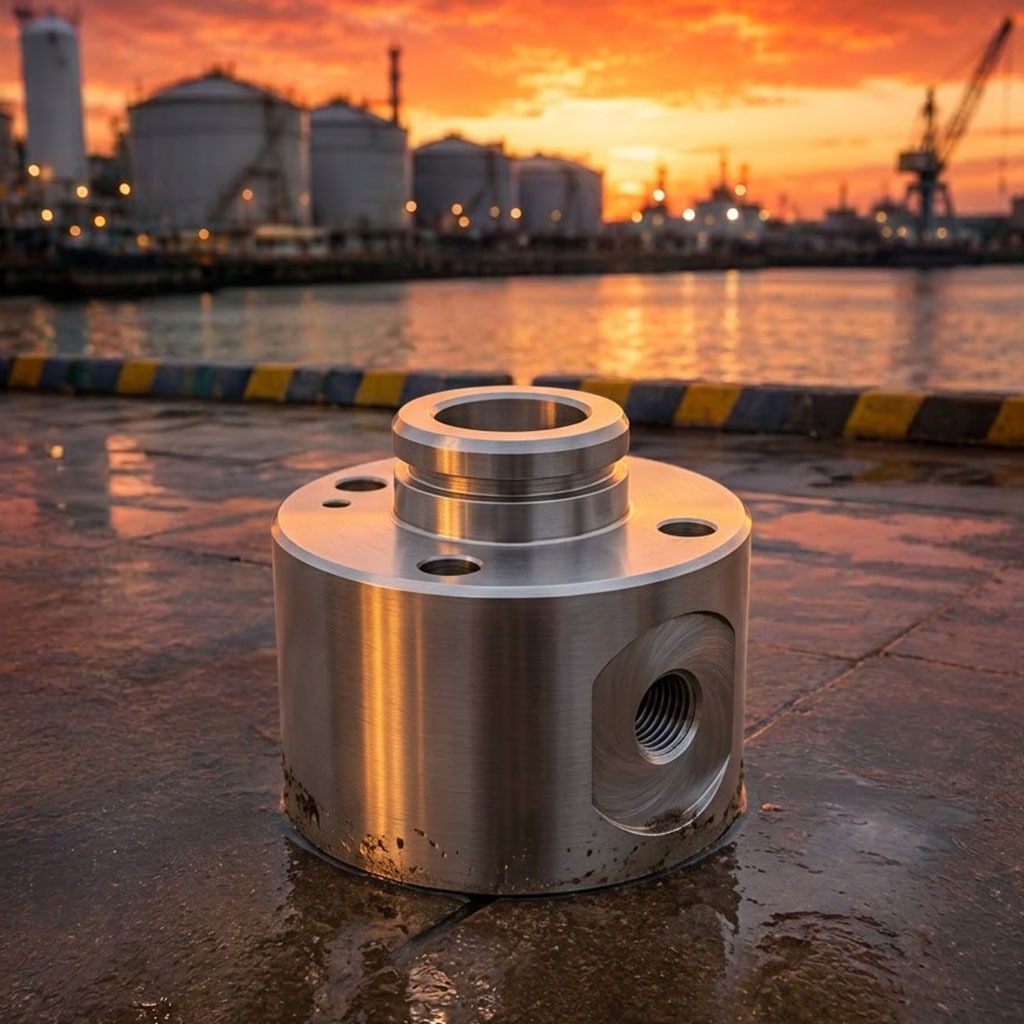
Closed Die Forging Supplier for USA from India: High-Mix, Low-Volume Custom Components
US OEMs often associate closed die forging with high-volume automotive production. That is only one version of the process. For aerospace, defence, oil & gas, energy and heavy engineering, closed die forging can also be engineered around high-mix, low-volume programs where a buyer needs repeatable grain flow, tighter forging envelopes and lower machining waste without […]