

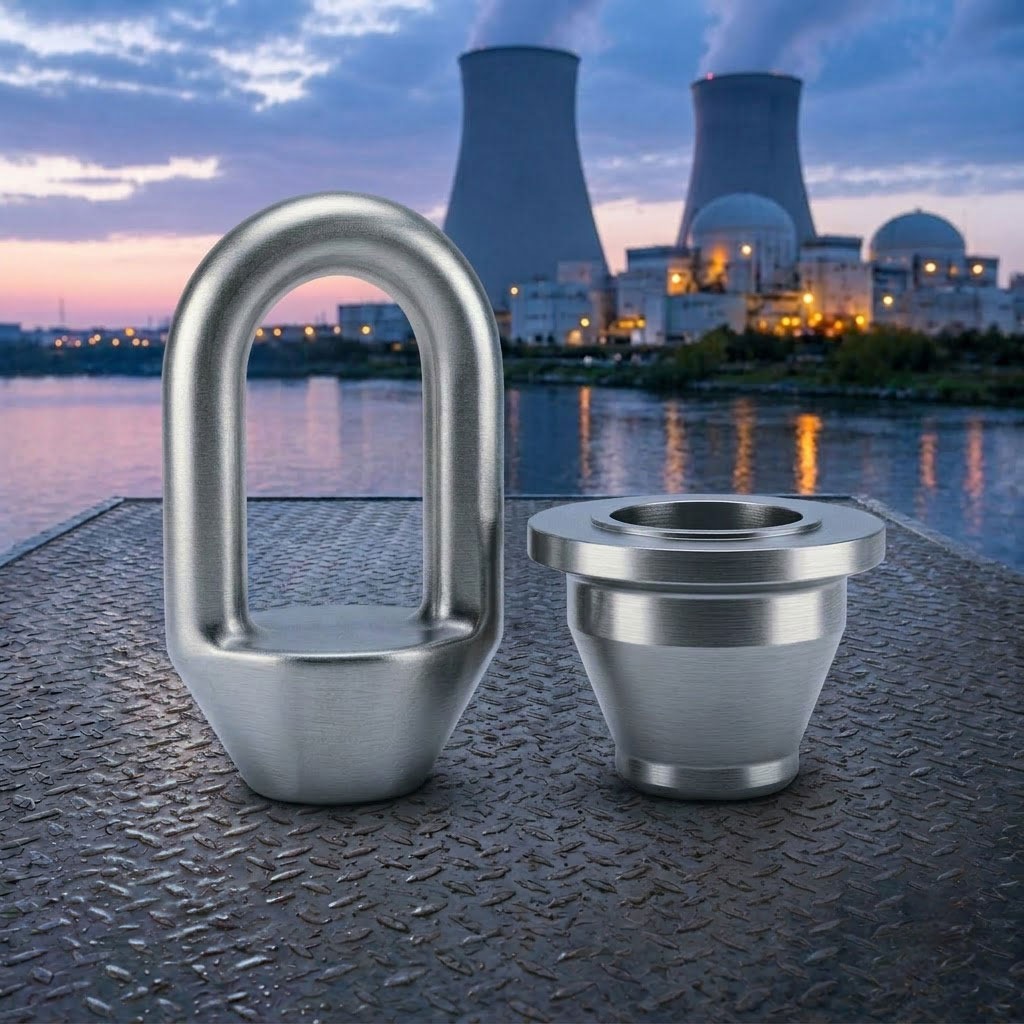
Steam Generator and Nuclear Nozzle Forging Supplier for USA from India: ASME Section III Requirements
Nuclear nozzles appear small when compared with the enormous reactor pressure vessel or steam generator shell around them. From an engineering perspective, however, they are anything but minor components. A nozzle creates an opening in a pressure boundary. It connects piping systems, coolant circuits, instrumentation or other equipment to a vessel operating under pressure and […]
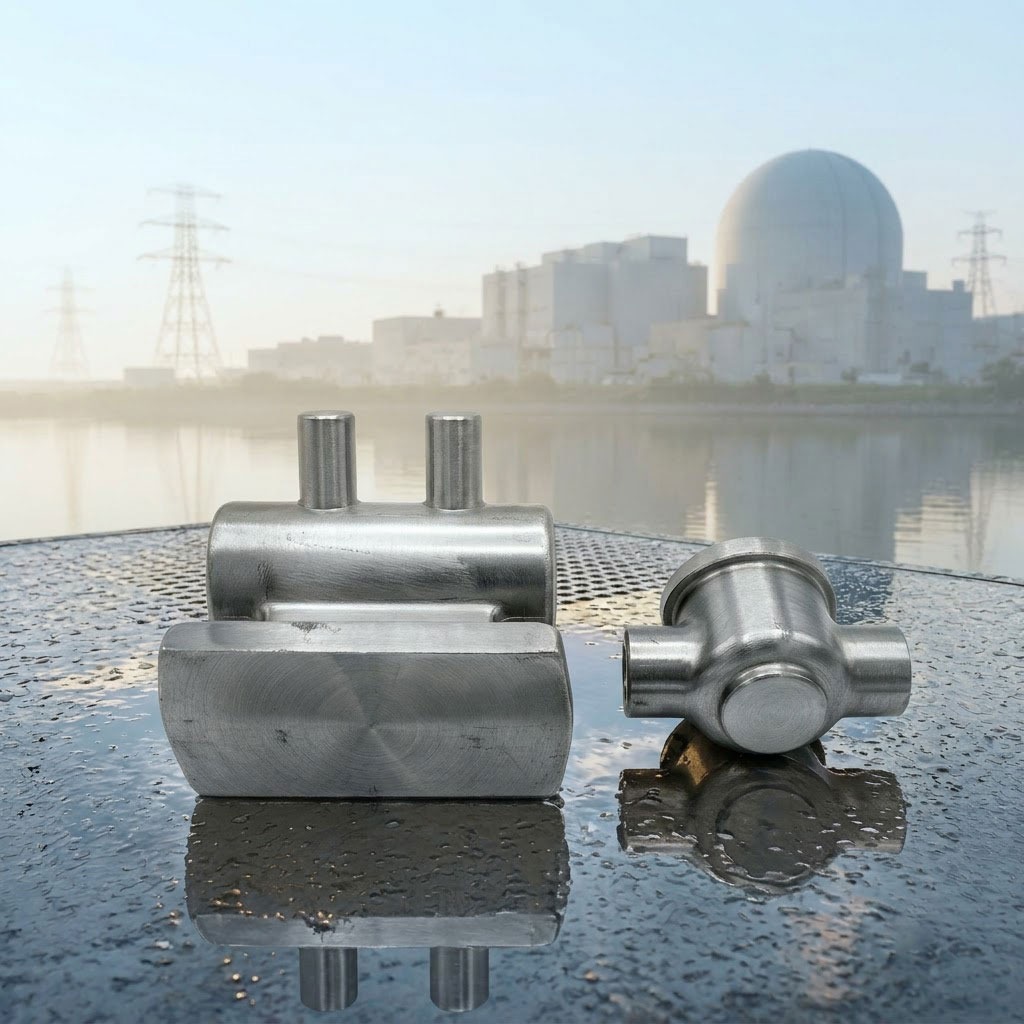
SMR Forging Supplier for US Nuclear Projects from India: ASME Section III Components
Small modular reactors are moving from an industry concept into an increasingly active US licensing and construction environment. For forging manufacturers, that matters because nuclear systems depend on a relatively small number of highly controlled pressure-boundary and structural components whose manufacturing histories may need to remain documented for decades. The commercial opportunity is therefore not […]
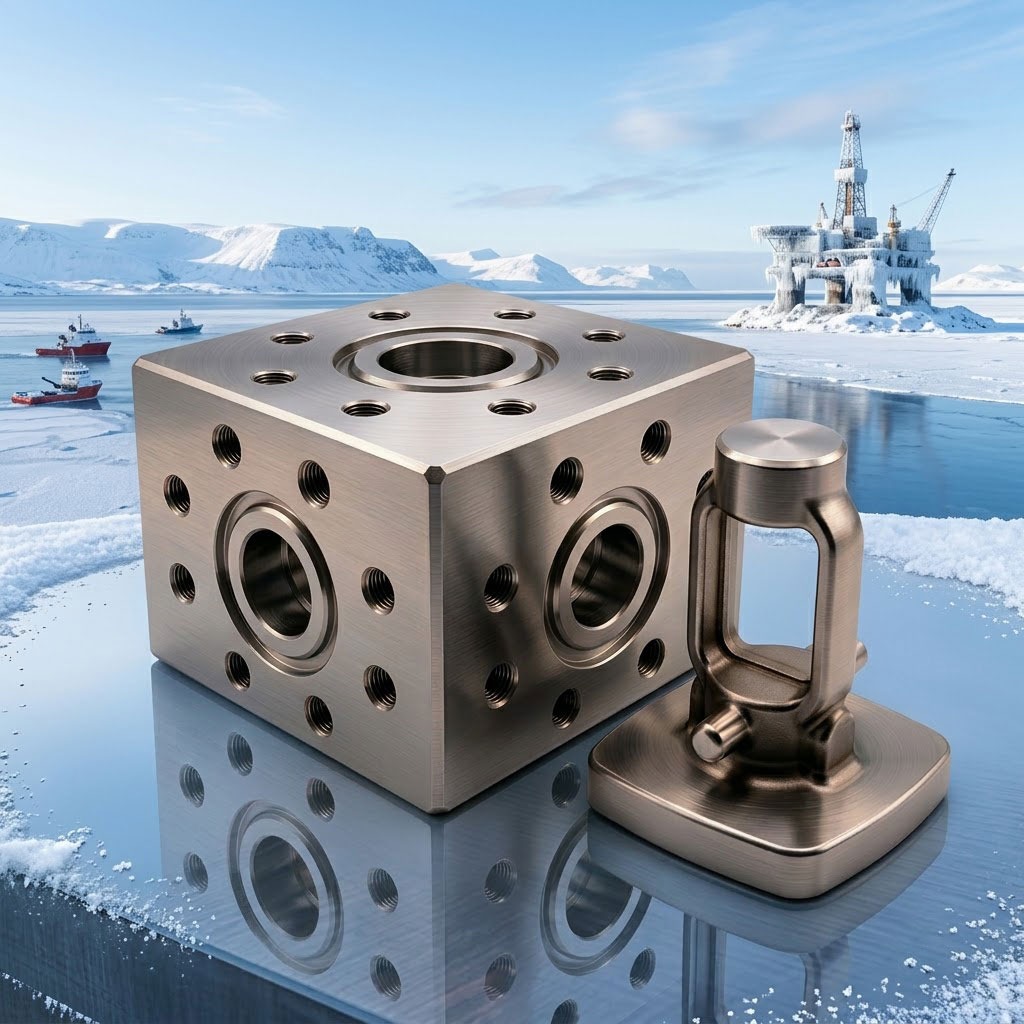
Super Duplex UNS S32760 Forging Supplier for USA from India: ASTM A182 F55 Oil & Gas Components
UNS S32760 is another major 25% chromium super duplex stainless steel used in severe industrial and offshore environments. For forging applications, it is commonly associated with ASTM A182 Grade F55. Like S32750, S32760 combines high strength with strong resistance to pitting, crevice corrosion and chloride stress-corrosion cracking. However, its chemistry is not identical. Outokumpu’s comparison […]
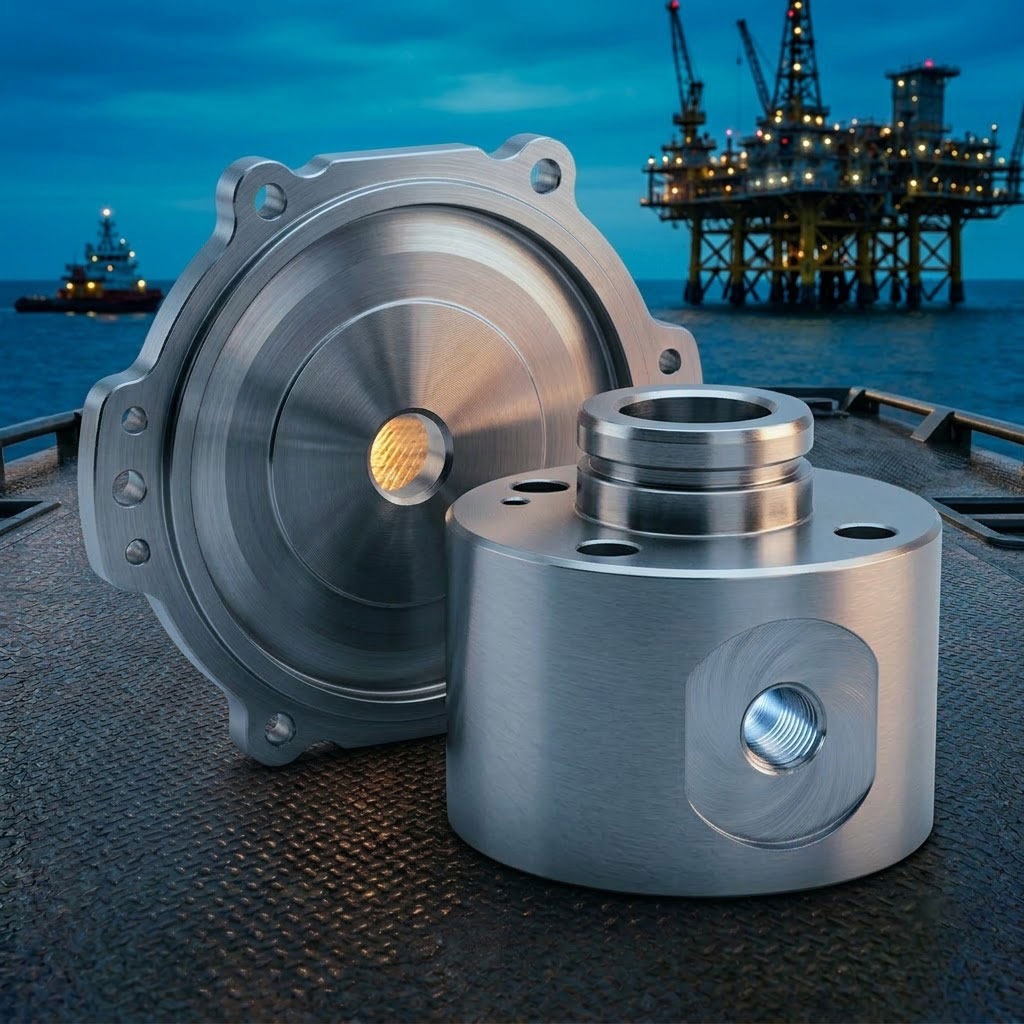
Super Duplex UNS S32750 Forging Supplier for USA from India: ASTM A182 F53 Offshore & Subsea Components
Super duplex stainless steel occupies an important position between conventional stainless steels and much more expensive high-nickel corrosion-resistant alloys. For offshore oil and gas equipment, that combination can be extremely valuable. UNS S32750, commonly associated with ASTM A182 Grade F53 in forgings, combines a duplex ferritic-austenitic microstructure with approximately 25% chromium, 7% nickel, 4% molybdenum [&hel
Subsea Connector and Clamp Forging Supplier for USA from India: API 17D Components for Deepwater Systems
Subsea oil and gas equipment operates in an environment where access is difficult, intervention is expensive, and a single component failure can interrupt production thousands of feet below the ocean surface. That changes the way procurement teams evaluate forgings. A connector or clamp used on land can often be inspected, repaired or replaced relatively easily. […]
Steam Generator and Nuclear Nozzle Forging Supplier for USA from India: ASME Section III Requirements
Nuclear nozzles appear small when compared with the enormous reactor pressure vessel or steam generator shell around them. From an engineering perspective, however, they are anything but minor components. A nozzle creates an opening in a pressure boundary. It connects piping systems, coolant circuits, instrumentation or other equipment to a vessel operating under pressure and […]
SMR Forging Supplier for US Nuclear Projects from India: ASME Section III Components
Small modular reactors are moving from an industry concept into an increasingly active US licensing and construction environment. For forging manufacturers, that matters because nuclear systems depend on a relatively small number of highly controlled pressure-boundary and structural components whose manufacturing histories may need to remain documented for decades. The commercial opportunity is therefore not […]
Super Duplex UNS S32760 Forging Supplier for USA from India: ASTM A182 F55 Oil & Gas Components
UNS S32760 is another major 25% chromium super duplex stainless steel used in severe industrial and offshore environments. For forging applications it is commonly associated with ASTM A182 Grade F55. Like S32750, S32760 combines high strength with strong resistance to pitting, crevice corrosion and chloride stress-corrosion cracking. However, its chemistry is not identical. Outokumpu’s comparison […]
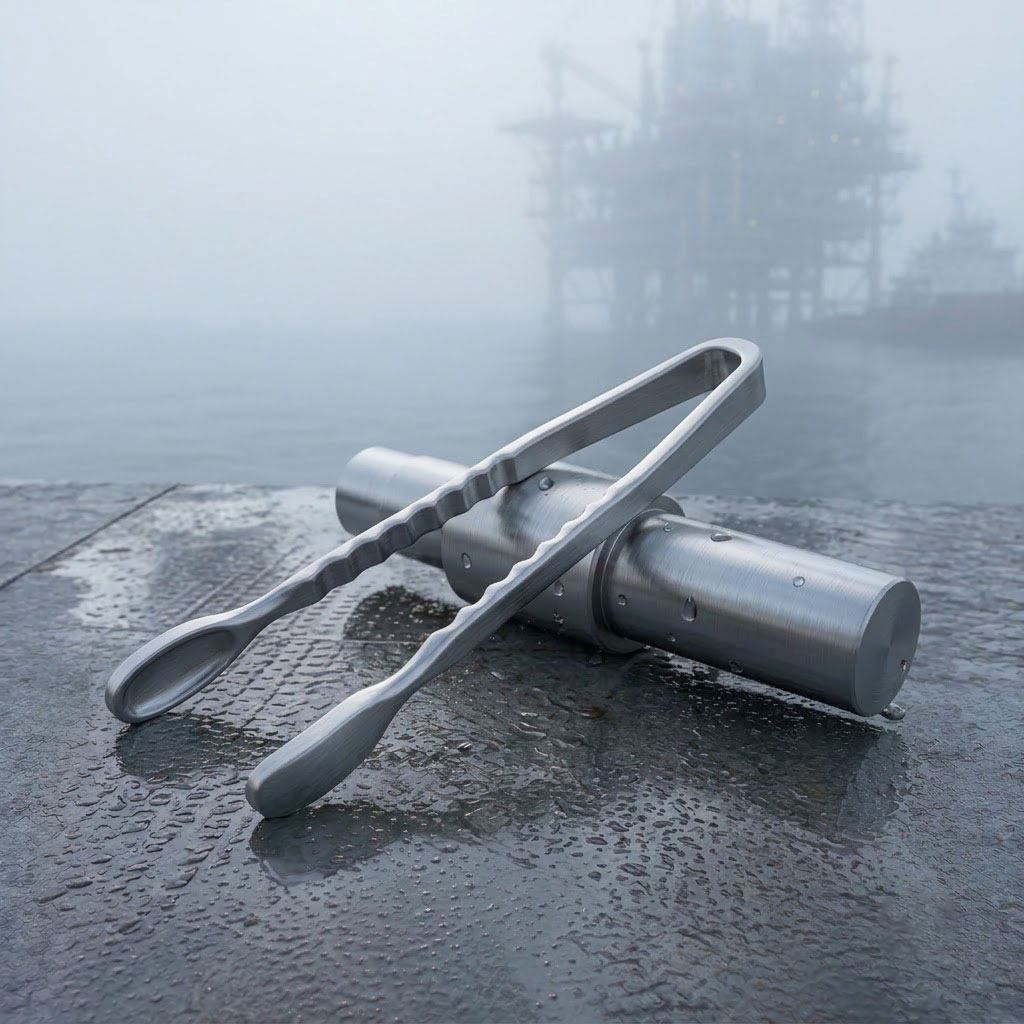
Super Duplex UNS S32750 Forging Supplier for USA from India: ASTM A182 F53 Offshore & Subsea Components
Super duplex stainless steel occupies an important position between conventional stainless steels and much more expensive high-nickel corrosion-resistant alloys. For offshore oil and gas equipment, that combination can be extremely valuable. UNS S32750, commonly associated with ASTM A182 Grade F53 in forgings, combines a duplex ferritic-austenitic microstructure with approximately 25% chromium, 7% nickel, 4% molybdenum [&hel
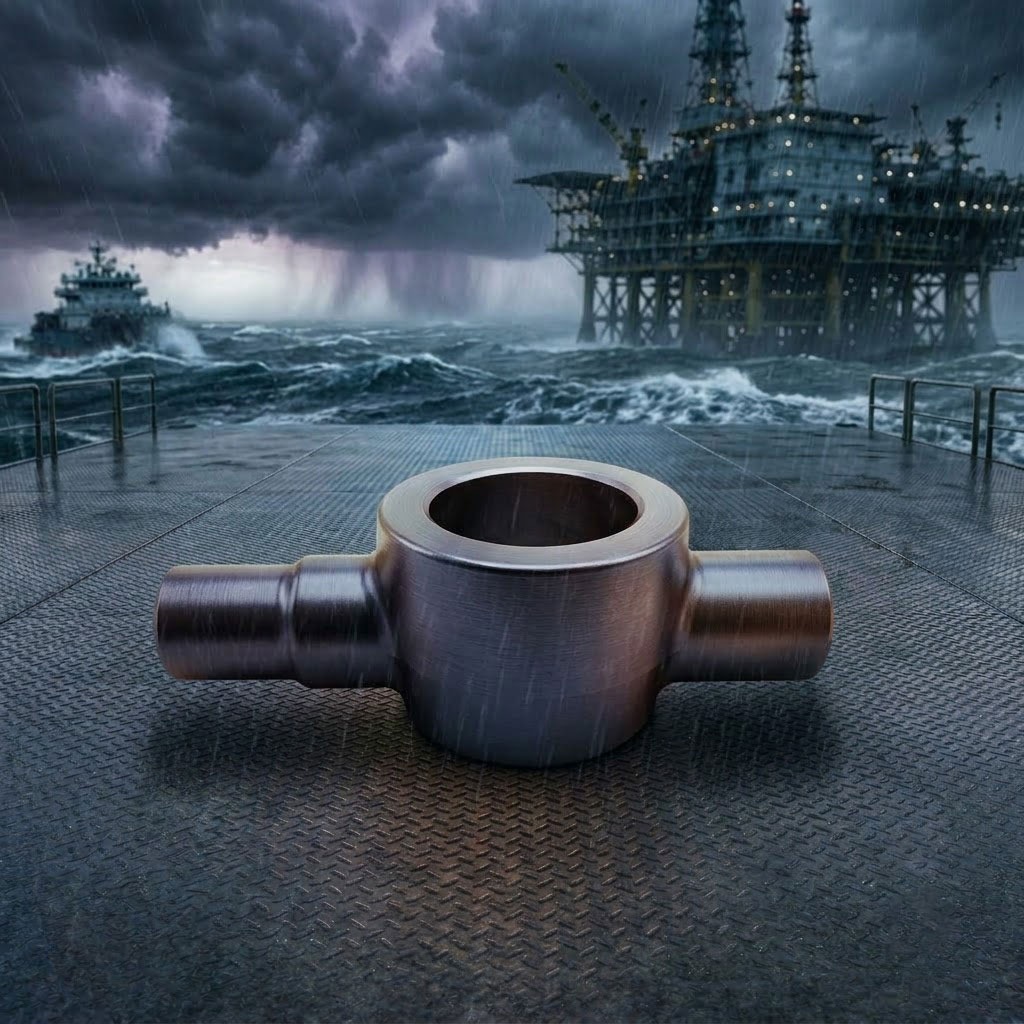
Subsea Connector and Clamp Forging Supplier for USA from India: API 17D Components for Deepwater Systems
Subsea oil and gas equipment operates in an environment where access is difficult, intervention is expensive, and a single component failure can interrupt production thousands of feet below the ocean surface. That changes the way procurement teams evaluate forgings. A connector or clamp used on land can often be inspected, repaired or replaced relatively easily. […]
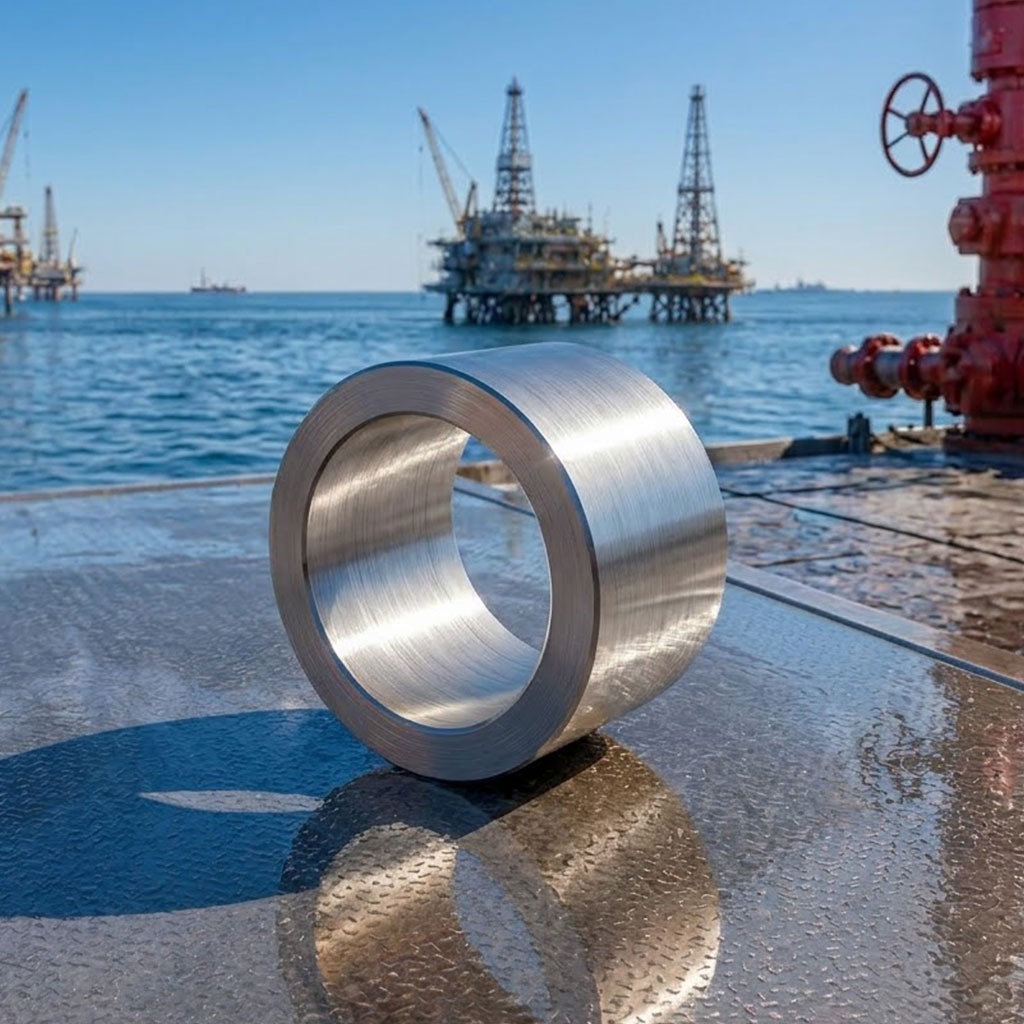
High-Pressure Choke Body Forging Supplier for US Oil & Gas from India: API & Sour-Service Requirements
Chokes perform one of the most demanding flow-control functions in upstream oil & gas systems. They regulate the flow of production fluids while potentially being exposed to high differential pressure, erosive particles, corrosive media and rapidly changing operating conditions. The choke body surrounding these flow-control elements forms part of the pressure-containing structure. Its metallurgy, internal […]
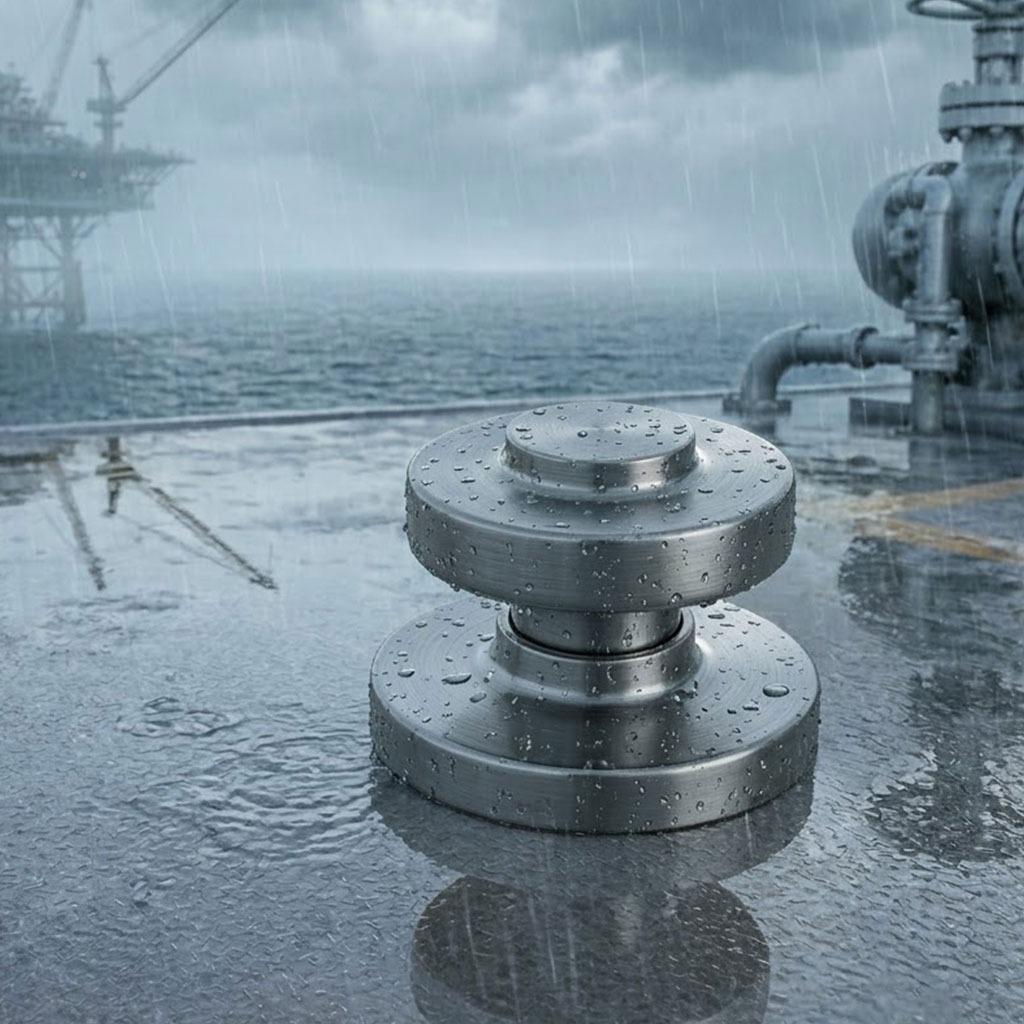
Wellhead and Christmas Tree Forging Supplier for USA from India: API 6A Components
Wellhead and Christmas tree equipment operates at the interface between a producing well and the surface production system. These assemblies must contain pressure, control flow and provide reliable mechanical connections under operating conditions that can include high pressure, corrosive fluids, hydrogen sulphide, temperature variation and repeated loading. The forged components used in these systems therefore […]