

Wellhead and Christmas Tree Forging Supplier for USA from India: API 6A Components
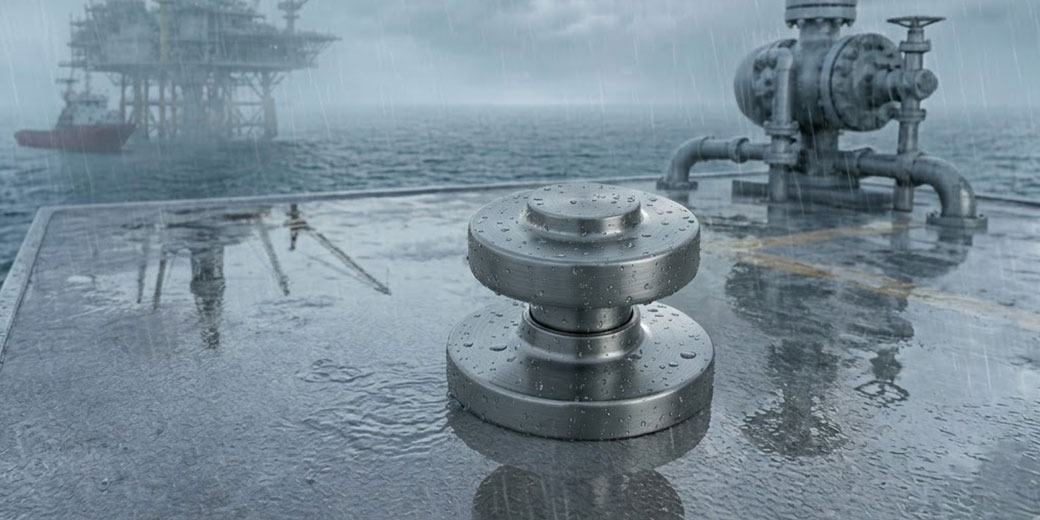
Wellhead and Christmas tree equipment operates at the interface between a producing well and the surface production system.
These assemblies must contain pressure, control flow and provide reliable mechanical connections under operating conditions that can include high pressure, corrosive fluids, hydrogen sulphide, temperature variation and repeated loading.
The forged components used in these systems therefore belong to one of the most demanding categories in upstream oil & gas manufacturing.
For US equipment manufacturers seeking a wellhead and Christmas tree forging supplier from India, the supplier must be able to translate API and customer requirements into controlled metallurgy and documented manufacturing processes.
Why Forgings Are Used in Wellhead Equipment
Pressure-containing wellhead components require high structural integrity.
Forging provides a manufacturing route in which material is plastically deformed into the required shape rather than simply being cut from a larger block.
This can improve material utilisation and allows deformation to be engineered around critical sections.
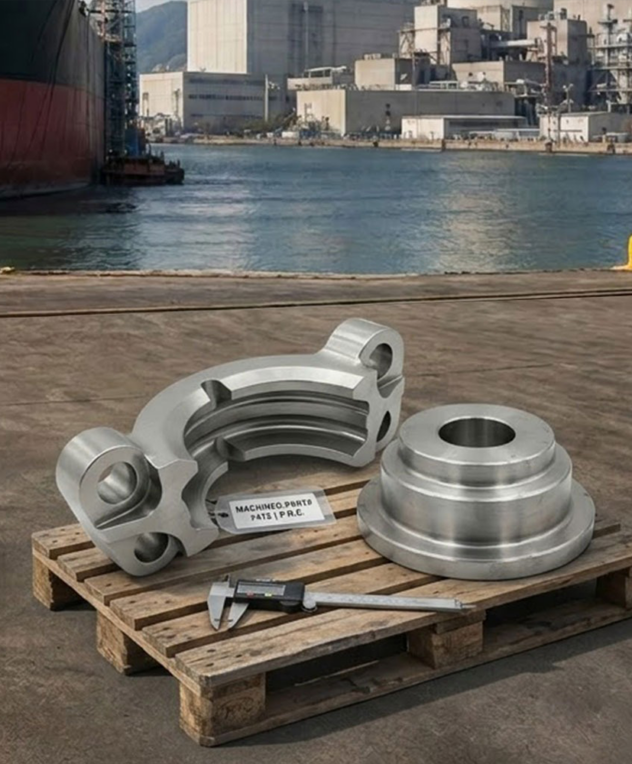
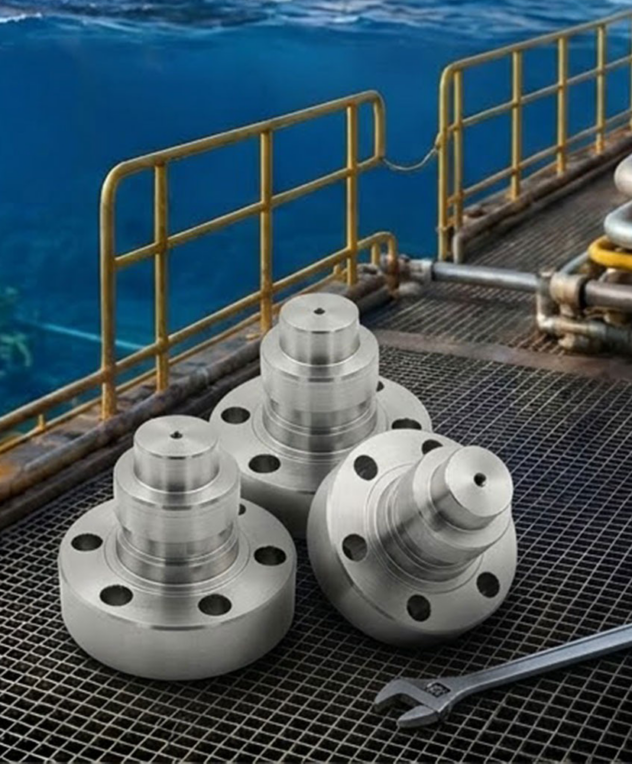
Typical forged components may include bodies, hubs, flanges, connectors, bonnets, mandrels and pressure-containing housings.
The exact forging route depends on size, geometry and production volume.
API 6A and US Wellhead Supply
API 6A is a central specification for wellhead and Christmas tree equipment used in the petroleum and natural gas industries.
For a forging supplier, the important point is that the finished equipment manufacturer’s API obligations can create detailed requirements that flow down into raw materials and forged components.
These may affect chemistry, mechanical properties, heat treatment, NDT, traceability and documentation.
Requirements can also change with product specification level, material class and service conditions.
A forging manufacturer therefore needs the complete purchase specification rather than merely being told that a component is “API 6A.”
Material Selection
Low-alloy steels such as 4130 are commonly associated with pressure-control equipment because they can provide useful combinations of strength, toughness and hardenability.
However, service environment can demand other materials.
Stainless steel, duplex, super duplex and nickel alloys may be specified where corrosion conditions become more aggressive.
Sour-service requirements create another layer of material control because hardness and microstructure may need to remain within specified limits.
Sour-Service Considerations
Hydrogen sulphide-containing environments can create susceptibility to cracking in materials that would otherwise perform adequately in ordinary service.
This makes hardness control particularly important.
The forging supplier must therefore coordinate chemistry, forging, heat treatment and testing to achieve the required mechanical properties without exceeding applicable hardness restrictions.
Sour-service compliance cannot be created by inspecting hardness only after production. It must be built into the thermal process from the beginning.
Large and Complex Wellhead Forgings
Wellhead bodies and connectors can contain substantial changes in section thickness.
This complicates both forging and heat treatment.
During forging, sufficient deformation must reach critical sections. During heat treatment, thick sections may cool at a different rate from thinner areas.
If this is not considered during process design, mechanical properties may vary across the component.
Experienced suppliers therefore evaluate ruling section, quench behaviour and representative testing locations when developing the process.
Machining and Sealing Interfaces
Wellhead components contain critical sealing and connection features.
Machining may involve precision bores, seal pockets, flange faces, ring grooves, threaded interfaces and bolt patterns.
These features must be produced relative to a forging that may already have undergone substantial thermal processing.
The machining strategy therefore needs to account for heat-treatment distortion and final inspection requirements.
Documentation for US Buyers
A typical documentation package can include raw-material certificates, forging traceability, heat-treatment records, mechanical testing, hardness results, NDT reports and dimensional inspection.
The exact documentation depends on the purchase order.
US procurement teams should define these deliverables at quotation stage because additional testing or witness requirements can affect both cost and manufacturing lead time.
Vinir Engineering for Wellhead Forgings
Vinir’s oil & gas manufacturing capabilities combine forging, heat treatment, machining and testing for custom high-mix components.
Its material capabilities include alloy steels as well as duplex and super duplex grades relevant to pressure-control and offshore equipment.
US wellhead manufacturers can submit API requirements and component drawings for a process-feasibility review before supplier transition or new-product development.