

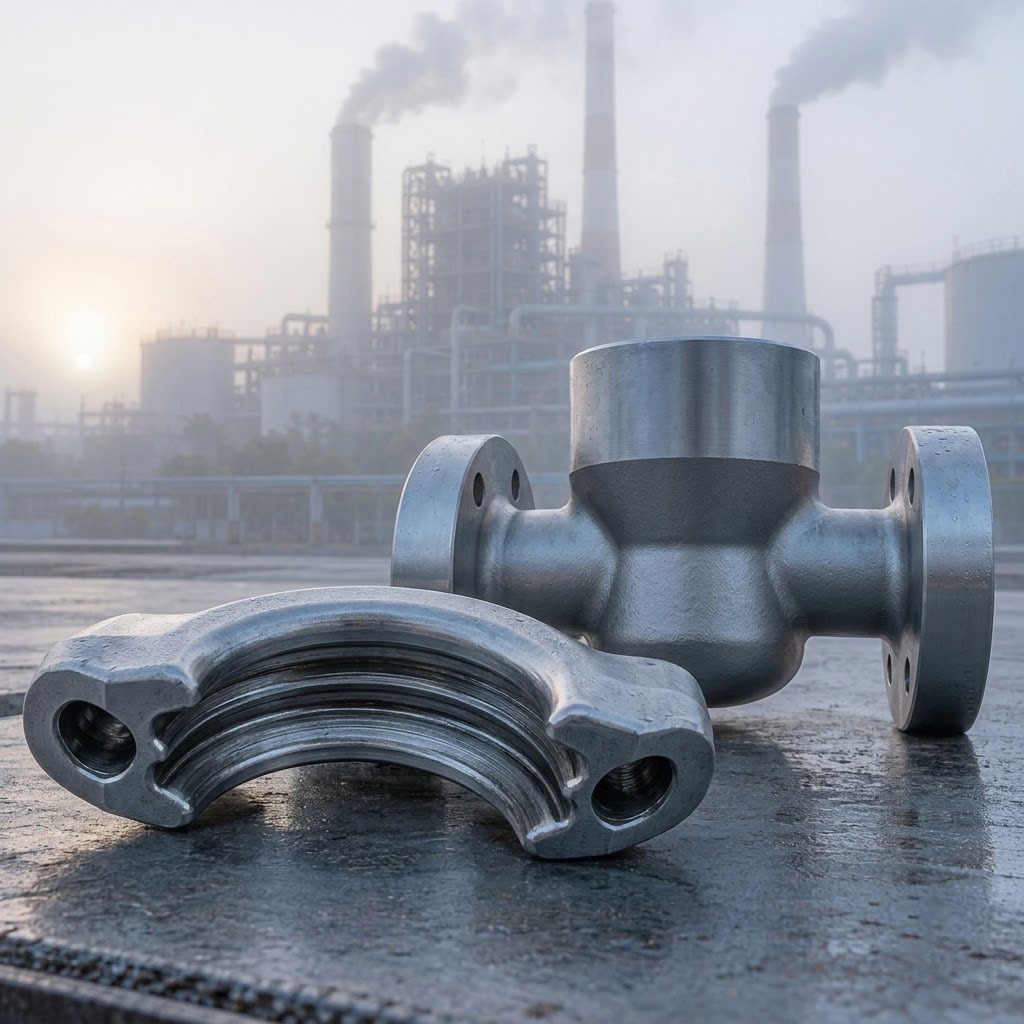
IBR-Approved Forgings for Boilers and Power Plants
IBR-approved forgings are forgings manufactured and inspected in compliance with the Indian Boiler Regulations (IBR), which govern materials and components used in boilers and steam pressure systems in India. Forgings for headers, nozzles, flanges, valve bodies, tube plates and steam piping components must come from IBR-recognised manufacturers and be inspected and certified by an authorised inspecting authority. Using IBR-approved forgings is a legal requirement for boiler and steam-line components installed in India.
At a Glance: IBR Forging Requirements
| Requirement | What It Means |
| Recognised manufacturer | Forge recognised under IBR (often termed a “well-known forge”) |
| Approved materials | Grades permitted under IBR or equivalent recognised standards |
| Inspection | Witnessed by an IBR-authorised inspecting authority |
| Testing | Chemical, mechanical and NDT as required by IBR and the specification |
| Certification | IBR inspection certificate accompanying the forging |
| Traceability | Heat number and identification marking on each forging |
What IBR Covers
IBR applies to boilers, steam pipes and associated pressure parts in India. Any forging forming part of a pressure-retaining boundary in this scope — headers, nozzles, branch fittings, flanges, valve bodies, tube sheets — must comply. Power plants, process industries, sugar, paper, refineries and fertiliser plants all use IBR-compliant components.
Common Materials for IBR Forgings
- Carbon steel: ASTM A105, SA-105, A266 equivalents
- Low-alloy Cr-Mo steels: ASTM A182 F11, F22, F91 for high-temperature steam service
- Stainless steels for specific services
Material grades must be acceptable under IBR or recognised international pressure codes accepted under the regulations.
The IBR Inspection Process
- Raw material identification and verification against mill certificates
- Witness of forging and heat treatment stages as required
- Witness of mechanical testing and chemical analysis
- NDT witnessing where specified
- Stamping and marking of accepted forgings
- Issue of the IBR inspection certificate
Planning inspection hold points early prevents delays at dispatch.
Why Manufacturer Recognition Matters
A forge recognised under IBR has demonstrated its facilities, processes and quality controls to the regulatory authority. Buying from a recognised forge simplifies inspection and certification, because the manufacturer already operates to IBR expectations.
IBR Alongside Other Pressure Codes
Many power and process projects also require ASME, PED or AD 2000 compliance, especially for export equipment. Suppliers holding multiple approvals can serve domestic and export projects from the same facility.
Why Buyers Choose Vinir Engineering for IBR Forgings
- IBR approval for pressure part forgings
- Carbon and Cr-Mo steels including F11, F22 and F91
- In-house heat treatment, machining and NABL-accredited testing
- AS9100D across all four units, with ABS and API approvals
- Experience coordinating IBR inspection schedules
Leave a Reply