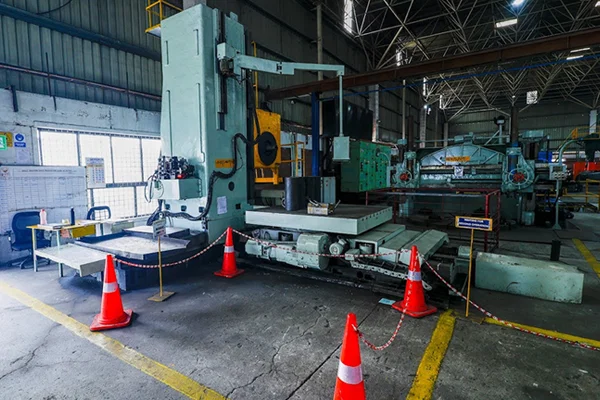
Every forged component manufactured at Vinir Engineering follows a carefully controlled production journey. From raw material verification to final inspection and documentation, each step ensures structural integrity, dimensional accuracy, and complete traceability. Our forge-to-finish manufacturing approach integrates metallurgical control, advanced forging practices, precision machining, and rigorous inspection within one system. This disciplined process control enables Vinir to deliver reliable components for aerospace, oil & gas energy, defence, nuclear, railways, energy, and heavy engineering industries.
Vinir follows a structured production workflow designed to maintain consistent quality and traceability across every component manufactured. Each stage of production is controlled to ensure the final component meets demanding performance and compliance requirements.
The typical manufacturing flow includes material selection, billet preparation, controlled heating, forging, grain flow formation, heat treatment, machining, inspection, documentation, and final dispatch.
The performance of a forged component begins with the quality of its raw material. Vinir sources certified steel and alloy grades from approved mills and verifies incoming materials against mill test certificates before production. Each heat number is recorded and tracked throughout the manufacturing process to maintain full traceability. Materials commonly processed include carbon steels, alloy steels, stainless steels, duplex and super duplex steels, and nickel alloys used in demanding industrial environments.
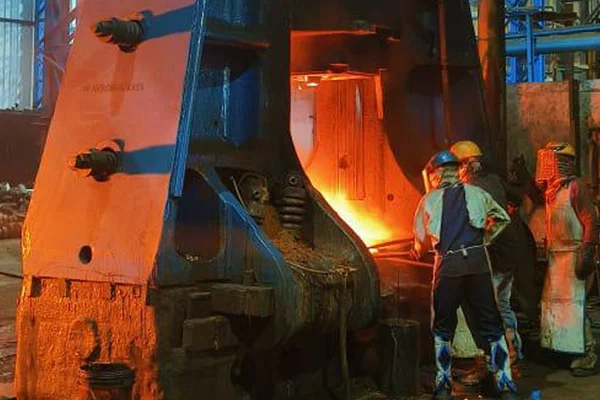
Forging is the process of plastically deforming heated metal under controlled force to produce components with superior mechanical properties. Unlike casting or machining from plate, forging refines the internal grain structure of the metal, improving strength, fatigue resistance, and reliability. Vinir supports open die forging and ring rolling processes for high-mix, low-volume industrial components used in critical applications. Temperature control, deformation ratios, and forging sequences are monitored to ensure consistent metallurgical performance.
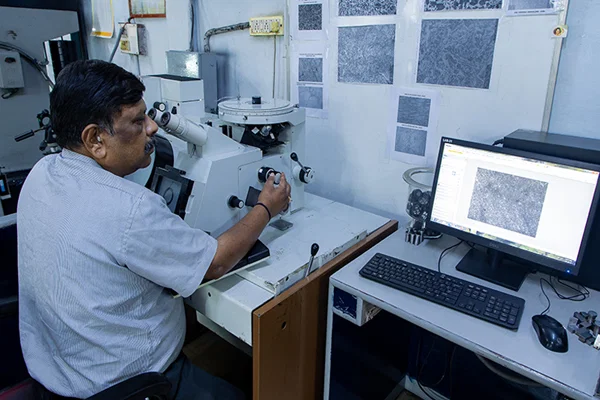
One of the major advantages of forging is the ability to control grain flow within the metal. During deformation, the grain structure elongates and aligns along the shape of the component, improving fatigue life and resistance to structural failure. Vinir designs forging sequences and tooling to guide grain orientation in directions that support operational loads.
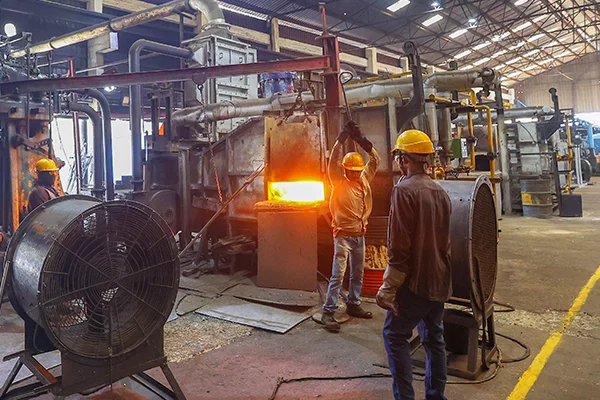
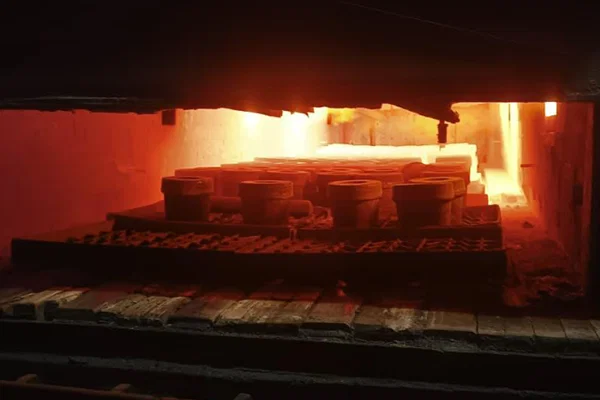
Heat treatment is used to achieve the required mechanical properties in forged components. Controlled heating and cooling cycles modify the microstructure of the metal to deliver the desired strength, hardness, and toughness. Vinir performs processes such as normalizing, quenching and tempering, stress relieving, and solution annealing depending on the material grade and application. All heat treatment operations are performed using calibrated furnaces with monitored temperature control and batch traceability.
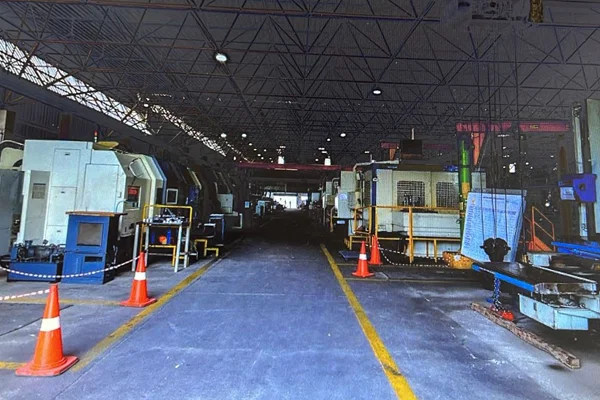
Many forged components require precision machining to achieve final dimensional tolerances and surface finishes. Vinir provides integrated machining capabilities supporting both rough and finish machining operations. CNC turning, milling, drilling, and boring operations allow components to be manufactured to tight tolerances required for critical industrial applications.
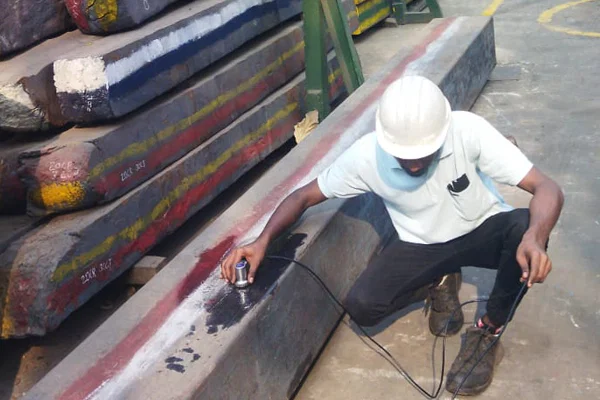
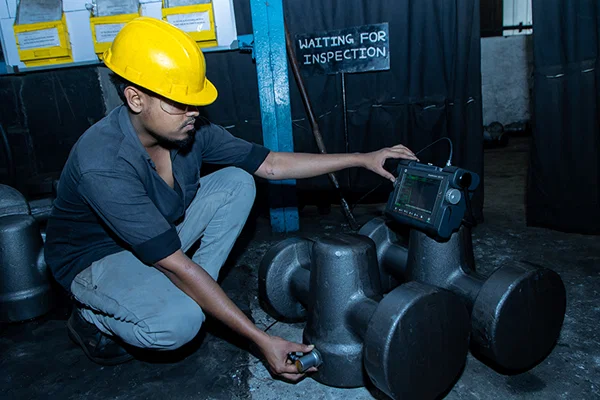
Every component undergoes rigorous inspection to verify dimensional accuracy and structural integrity. Non-destructive testing methods allow internal and surface defects to be detected without damaging the component. Depending on application requirements, inspection may include ultrasonic testing, magnetic particle inspection, dye penetrant testing, and radiographic examination. Inspections are conducted during incoming material verification, in-process manufacturing checks, and final inspection prior to dispatch.
Traceability is essential for industries such as aerospace, oil & gas energy, nuclear, and defence. Vinir maintains complete manufacturing records for every component produced. From raw material heat numbers to final inspection reports, each stage of production is documented and archived. Customers may receive documentation packages including material test certificates, inspection reports, heat treatment records, and non-destructive testing reports depending on project requirements.
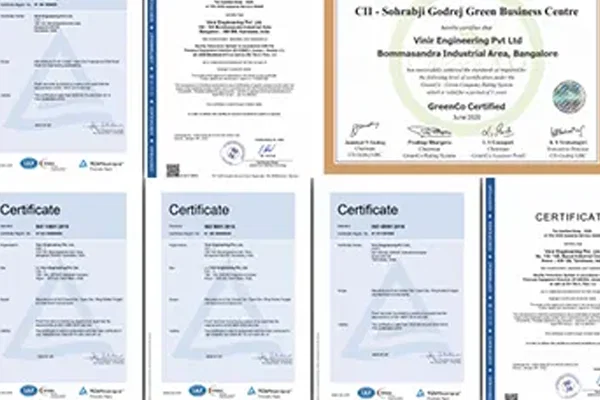
Vinir operates under internationally recognized quality management systems designed for highly regulated industries. Our manufacturing processes follow documented procedures supported by calibrated equipment and trained personnel. Certifications include AS9100D, API, IBR, PED-AD2000, ABS, and ISO standards. These systems ensure that every component manufactured meets strict performance and compliance requirements.
Vinir continuously reviews manufacturing processes, metallurgical performance, and inspection data to improve process reliability and product quality. Our engineering teams work closely with customers to optimize forging designs and ensure long-term performance in demanding service environments. Through disciplined process control and continuous improvement, Vinir delivers forged components that meet the highest standards of reliability and precision.
"From prototype quantities to higher production volumes, they manage the transition smoothly. Having forging, machining and testing in one place makes execution far more predictable."
"For complex, low-volume aerospace parts, precision and documentation are critical. Vinir's process control gives us confidence at every stage."
"In defence programs, there's no room for process deviation. Their discipline, traceability, and in-house control make them a reliable long-term partner."
"We value the fact that everything is handled under one roof. It reduces coordination risk and improves overall quality consistency."
"Whether it's a small batch or scaled production, their delivery timelines have been steady. The processes are structured and inspection-ready."
"Their metallurgical control and machining accuracy are why they remain our go-to forging partner. For pressure-critical and load-bearing components, precision matters."
Share your drawings or specifications. Get feasibility assessment, process plan, timelines, and compliance clarity from our engineering team — no obligation.