


AMS2750H Explained for Forging Buyers: Pyrometry, Furnace Classes, SAT, TUS and Aerospace Heat Treatment
For an aerospace forging buyer, specifying a heat-treatment temperature is not enough. If a drawing requires a component to be processed at a particular temperature, the buyer also needs confidence that the furnace can accurately measure, control and maintain the required thermal environment. This is where AMS2750 becomes important. AMS2750 establishes pyrometry requirements for thermal-processing […]

Aerospace Forging Companies in India: What US OEMs Should Evaluate Before Sourcing Critical Components
India has developed a substantial forging and precision-manufacturing base serving automotive, energy, industrial, defence and aerospace customers. For US aerospace OEMs and Tier suppliers, however, selecting an aerospace forging company in India requires a much deeper evaluation than comparing forging capacity and price. Aerospace components operate under demanding combinations of fatigue, temperature, vibration and structu

Duplex Stainless Steel Forgings: Grades, Properties, Heat Treatment and Oil & Gas Applications
Duplex stainless steel forgings combine characteristics of austenitic and ferritic stainless steels through a mixed-phase microstructure. This metallurgical structure can provide a valuable combination of strength and corrosion resistance, making duplex stainless steels important for offshore, oil & gas, chemical-processing, marine and other aggressive-service environments. However, duplex stainless steel is highly proce
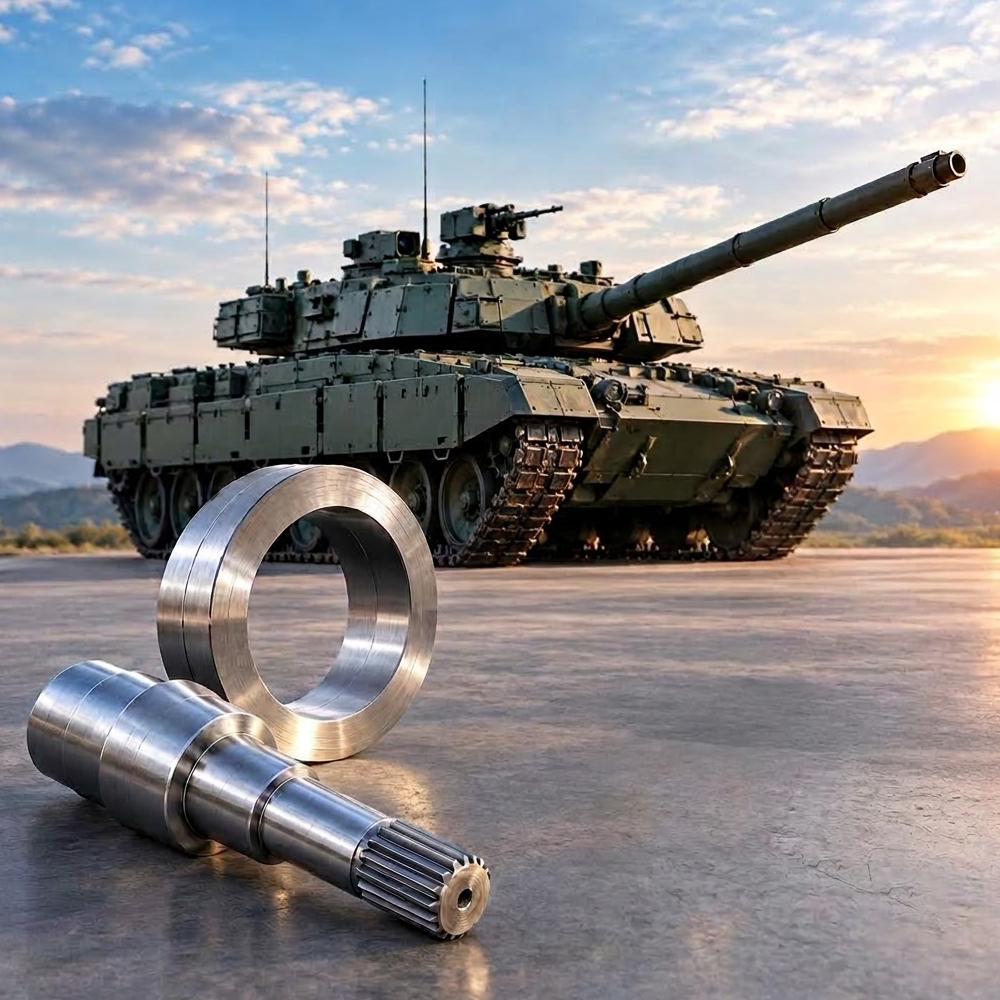
Defence Forging Manufacturer in India: Critical Components, Materials and Manufacturing Capabilities
Defence equipment operates in environments where component failure can have consequences far beyond ordinary production downtime. Armoured vehicles, naval systems, military aircraft, mobility platforms and other defence equipment require components capable of handling high loads, cyclic stress, shock, vibration and demanding environmental conditions. For this reason, defence forgings are used across a wide range of […

How Forging Improves Grain Structure: Deformation, Recrystallization and Mechanical Properties
One of the main reasons critical components are forged rather than simply cast to final shape is that forging changes the internal material through controlled plastic deformation. But statements such as “forging improves grain structure” are often repeated without explaining what actually happens inside the metal. The real mechanism involves the interaction between deformation, temperature, […]
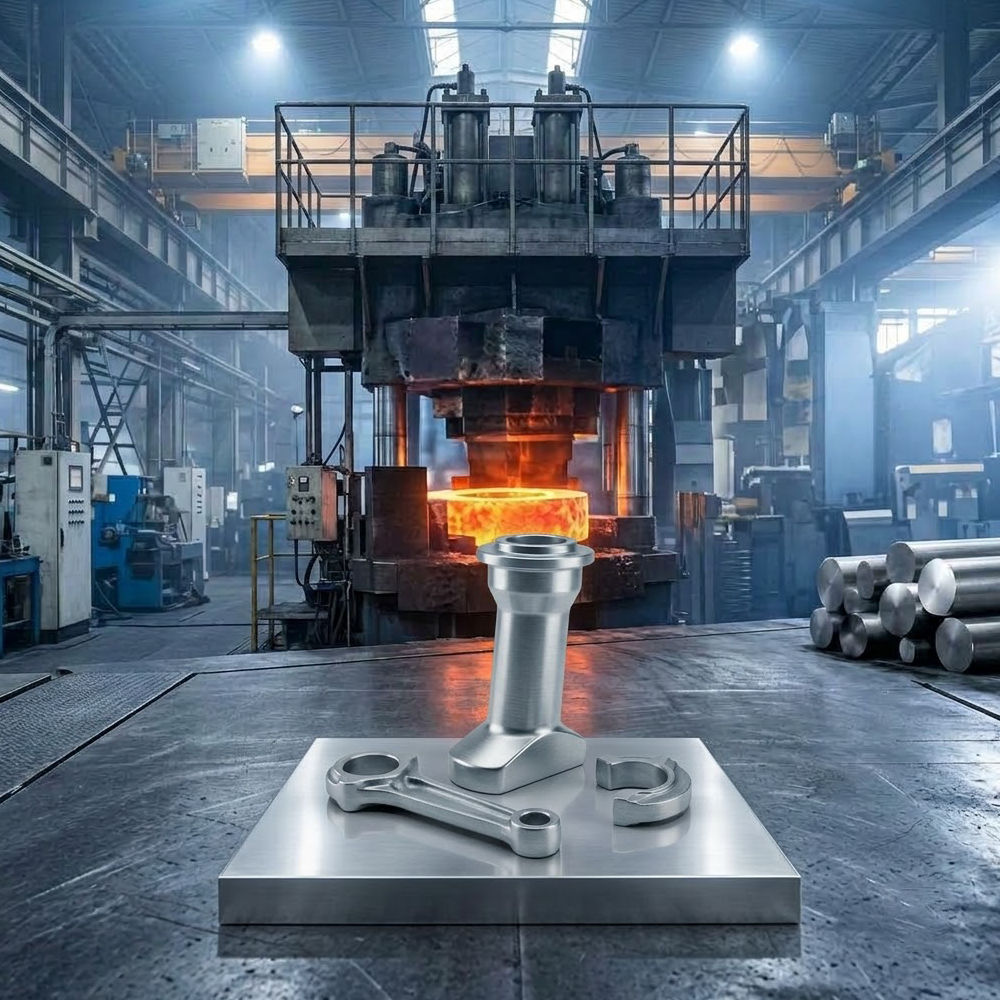
Forging Grain Size vs Grain Flow: What Is the Difference and Why Does It Matter?
Grain size and grain flow sound similar enough that they are frequently used interchangeably in non-technical forging content. Metallurgically, however, they describe different characteristics. Understanding the difference is important because both can influence the performance and inspectability of critical forgings. What Is Grain Size? Metals consist of many individual crystalline grains. Grain size describes the […

How Much Forging Reduction Is Required? Understanding Reduction Ratio, Grain Flow and Internal Soundness
“How much forging reduction is enough?” sounds like a question that should have one numerical answer. It does not. A minimum forging reduction that is appropriate for one steel, starting-stock route and component may be inappropriate for another. For critical components, the correct reduction must be considered together with starting material, section size, strain distribution, […]
Forging Ratio vs Reduction Ratio: What Is the Difference in Open Die Forging?
The terms forging ratio, reduction ratio, reduction in area and forging reduction are frequently used in engineering discussions, supplier documents and online searches. Unfortunately, they are not always used consistently. For buyers sourcing heavy open die forgings, understanding what the supplier actually means is more important than debating terminology. What Does Forging Ratio Usually Mean? […]
How to Calculate Forging Reduction Ratio: Formula, Examples and Engineering Significance
Forging reduction ratio is one of the most searched and frequently misunderstood technical concepts in forging. The confusion often begins because engineers discuss diameter reduction, area reduction and forging ratio as though they are identical. They are not. For a shaft, bar or billet, reducing diameter by 50% does not mean that the cross-sectional area […]

Forging Grain Flow Explained: How Grain Direction Affects Strength, Toughness and Fatigue Life
When engineers evaluate a critical forged component, chemical composition and tensile strength are only part of the story. Two components manufactured from nominally the same alloy can behave differently in service because the metal has experienced a different deformation history during manufacturing. One of the most important concepts behind this difference is forging grain flow. […]
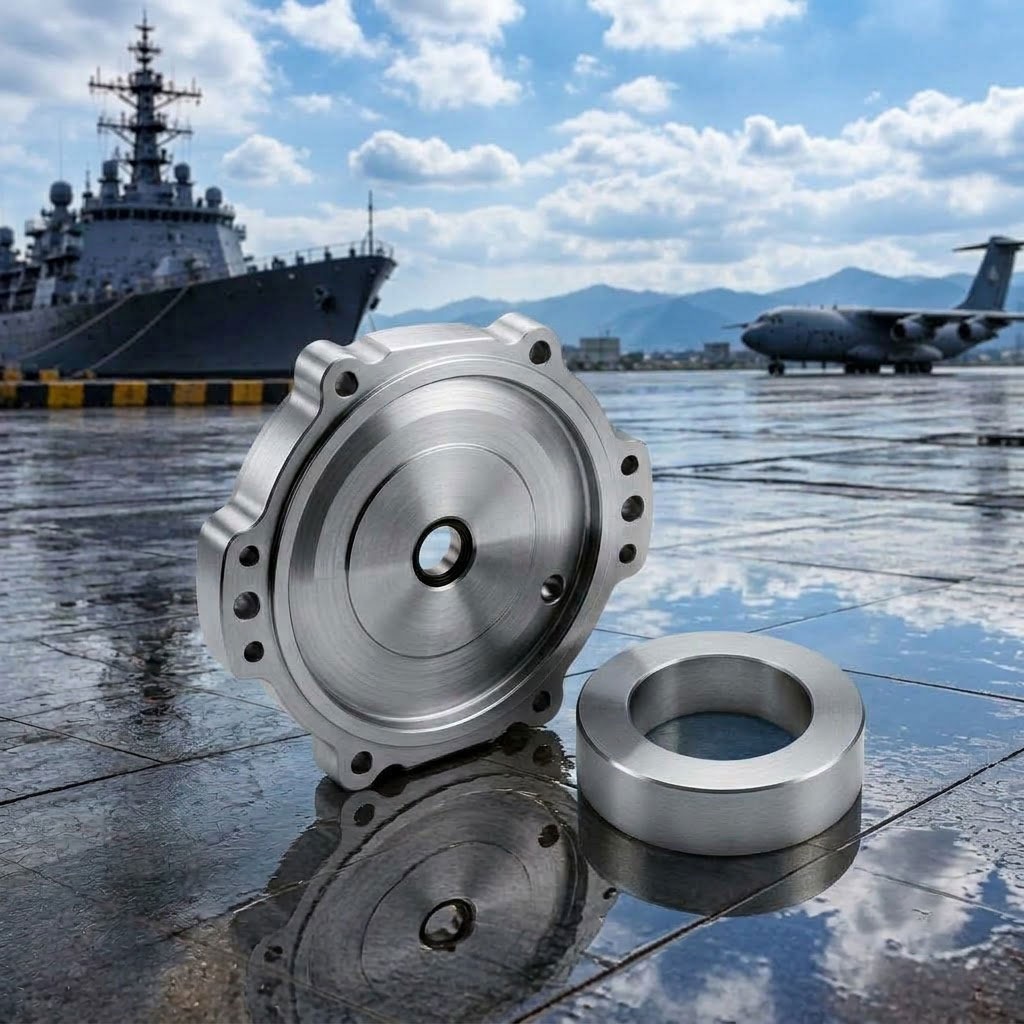
Radial Forging Supplier in India for USA: Custom Shafts, Hollow Forgings and Forge-to-Finish Components for US OEMs
US manufacturers increasingly evaluate Indian forging companies not simply as low-cost sources of rough forgings but as potential forge-to-finish manufacturing partners capable of supplying heat-treated, inspected and machined critical components. This sourcing model is particularly relevant to radial forging. Many of the components best suited to radial forging long shafts, stepped bars, tubular preforms and […]

How to Qualify a Radial Forging Supplier: Audit Checklist for US Aerospace, Defence, Oil & Gas and Energy Buyers
Selecting a radial forging supplier based only on machine size is risky. A forging machine may be physically capable of reducing a billet without demonstrating that the supplier can consistently manufacture metallurgically sound, heat-treated, inspected and fully traceable critical components. For US procurement teams evaluating a radial forging supplier in India, supplier qualification should examine […]