

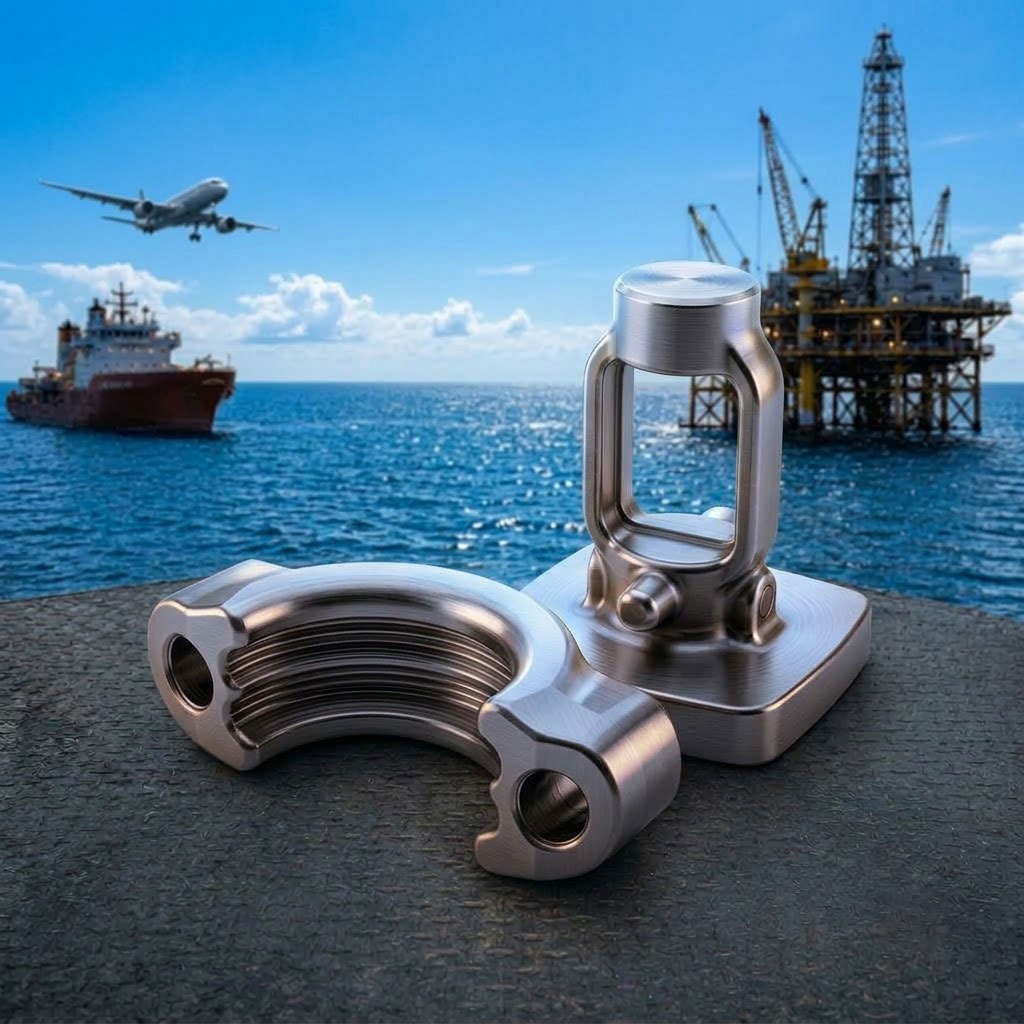
Radial Forging Manufacturer in India: Process, Capabilities and Critical Industry Applications
Radial forging occupies a specialised position between conventional open-die forging and highly shape-specific closed-die forging. Its greatest strength is the ability to progressively deform long billets, shafts and hollow components while maintaining controlled axial geometry. For OEMs sourcing critical components, understanding radial forging is important because the process can influence material utilisation, grain flow,
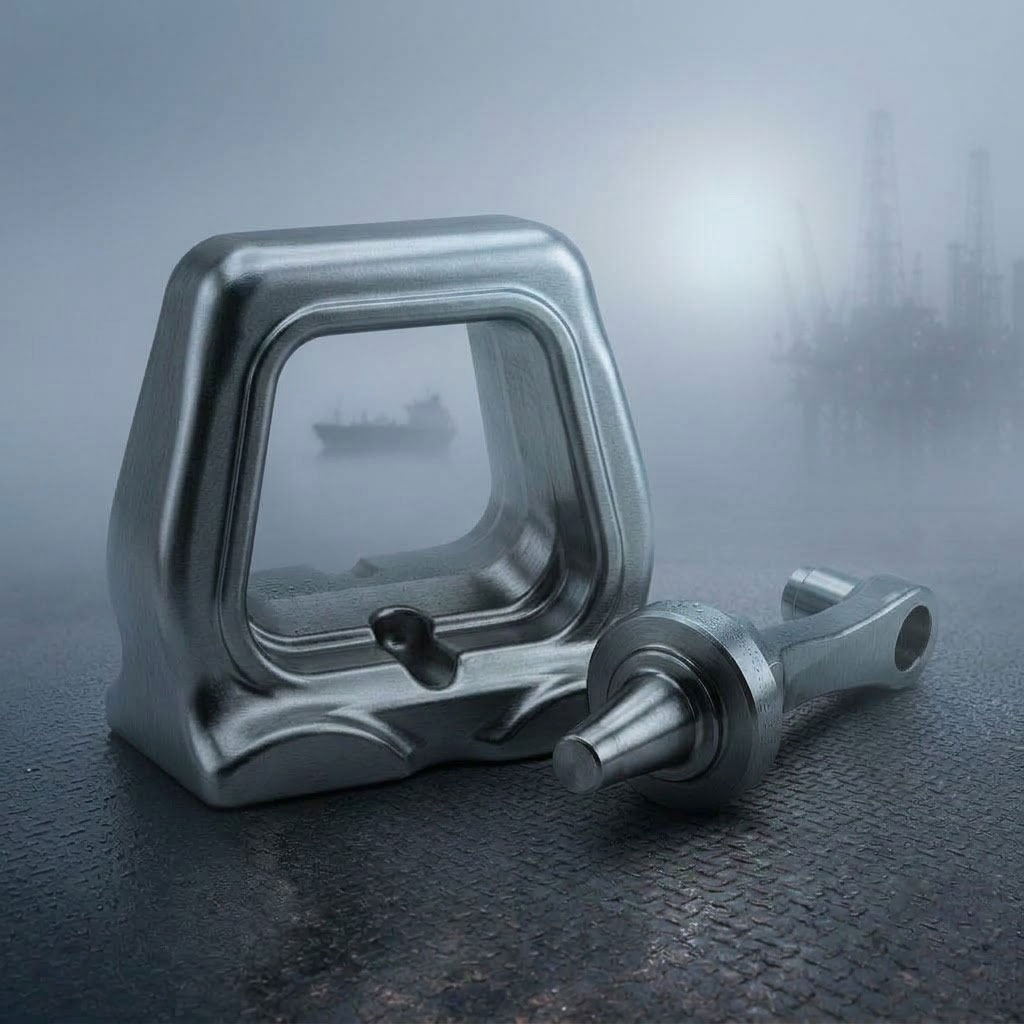
How Radial Forging Works: Incremental Deformation, Grain Flow and Dimensional Control
Radial forging appears deceptively simple: several dies strike a heated billet until its diameter becomes smaller. In reality, the process involves simultaneous control of deformation, rotation, axial feed, temperature, reduction and geometry. These variables determine not only what the component looks like but how the material has been worked internally. Incremental Deformation Radial forging does […]
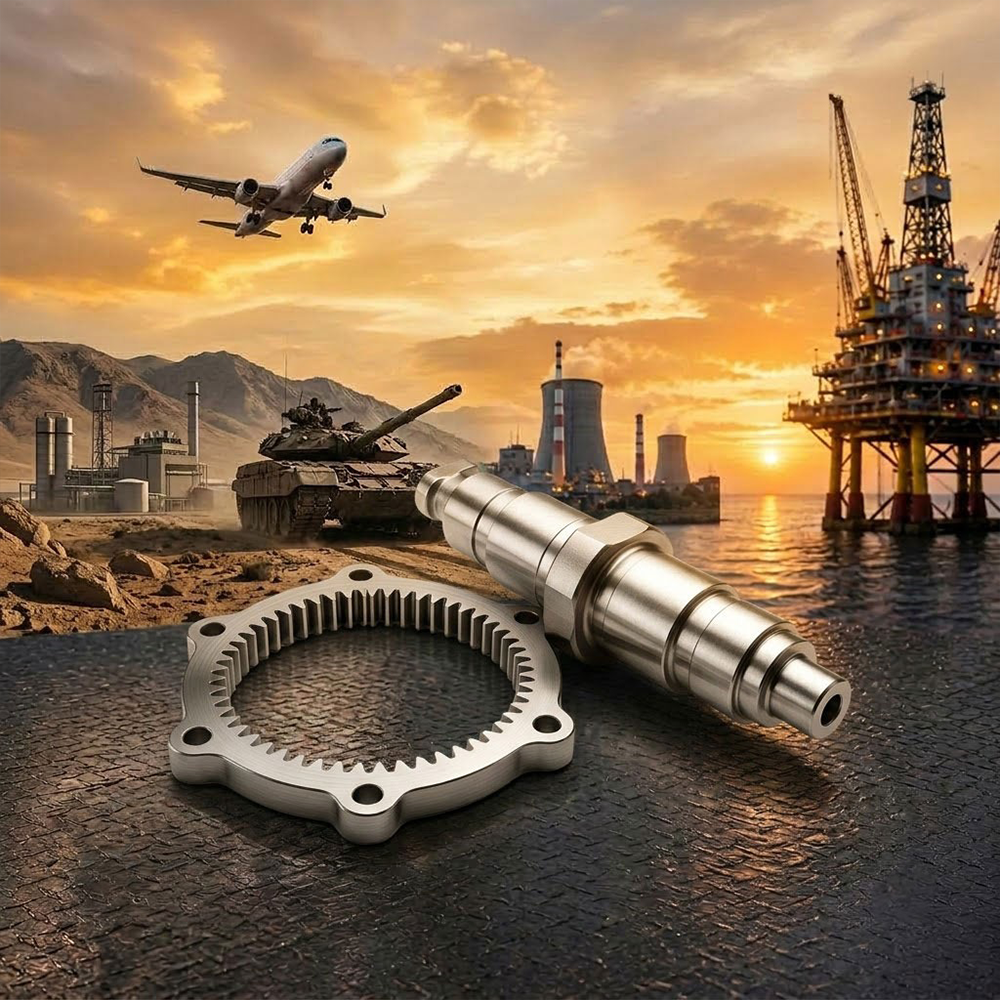
Radial Forged Shaft Supplier for USA from India: Aerospace, Defence & Energy Applications
A shaft appears geometrically simple, but mechanically it can be one of the most demanding components in a machine. Shafts transmit torque, support rotating equipment, carry bending loads and can experience millions of fatigue cycles. In aerospace, defence and energy systems, shaft failure can have consequences far beyond the value of the component itself. This […]
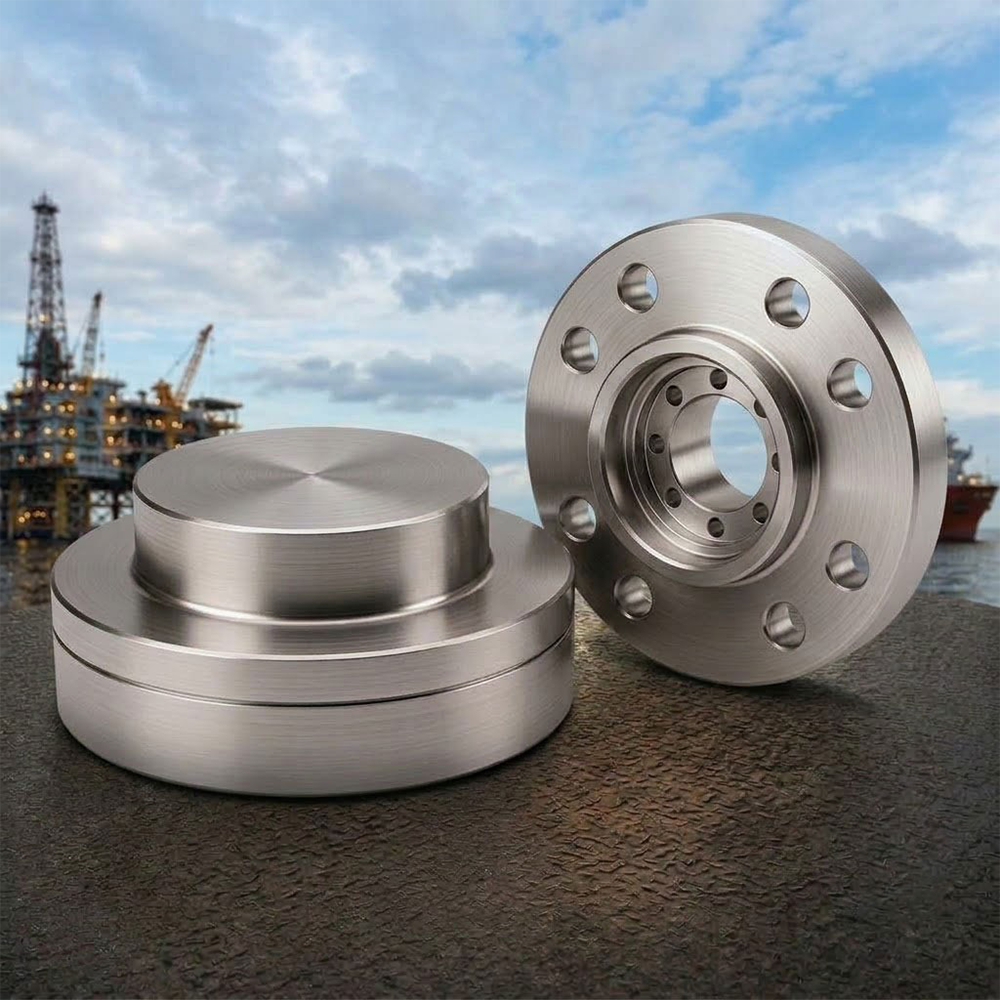
Radial Forging vs Open Die Forging: Which Process Is Better for Long Shafts and Hollow Components?
Radial forging and open die forging can both manufacture high-integrity shafts and cylindrical components. They are not, however, identical processes. Understanding the difference is particularly important for US procurement and engineering teams sourcing long shafts, stepped components and hollow forgings from India. The correct process can reduce material consumption and machining. The wrong process can […]