

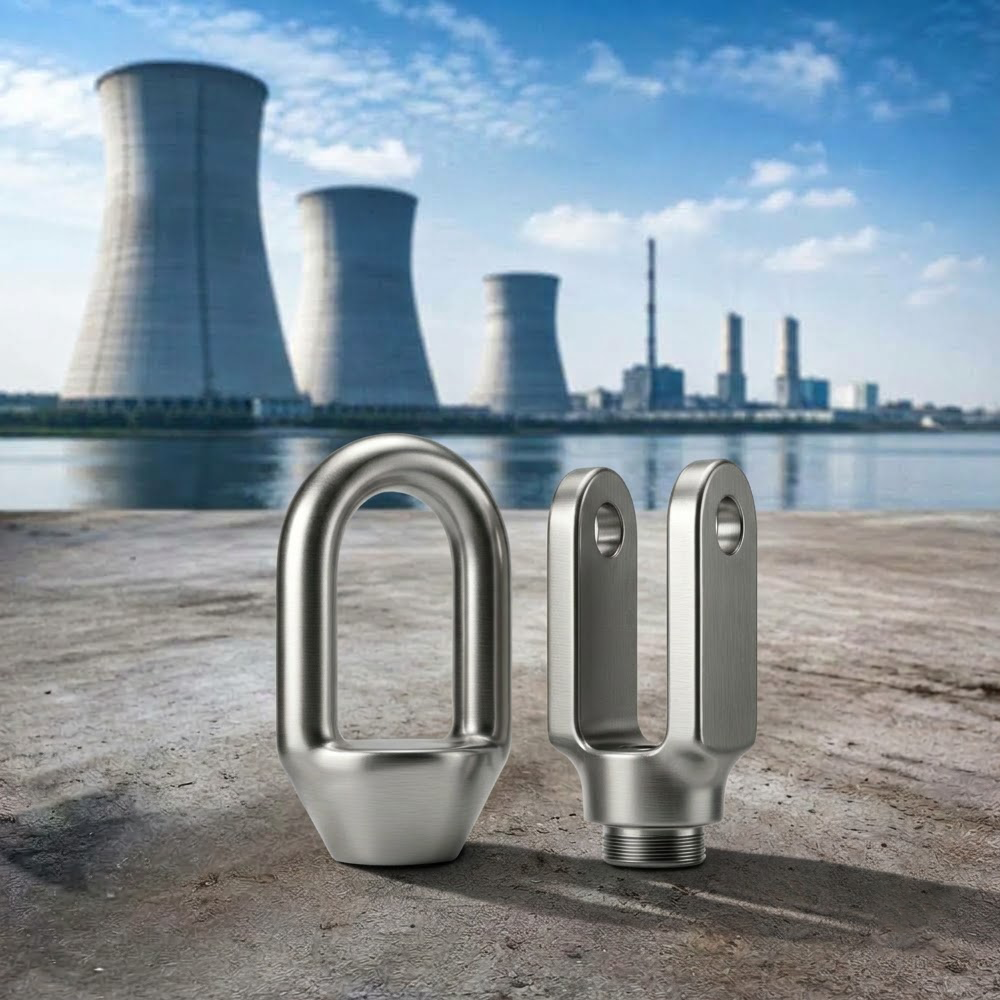
Radial Forging for Power Generation: Turbine Shafts, Rotor Preforms and High-Integrity Energy Components
Power-generation equipment can operate continuously for years while rotating at high speed and experiencing temperature gradients, startup/shutdown cycles and substantial mechanical loads. A rotor or shaft that appears to be a simple cylindrical object is therefore a highly engineered component. Forging remains important because internal integrity, grain structure and through-section properties can directly affect long-term

Radial Forging for US Oil & Gas Equipment: Mandrels, Drilling Components and High-Strength Shaft Preforms
Oil & gas equipment combines pressure, torque, bending, abrasion, corrosion and repeated mechanical cycling in ways that make material integrity particularly important. While valve bodies and wellhead blocks receive much of the attention in forging discussions, the industry also uses a large family of elongated components: drilling related parts, mandrels, shafts, tubular preforms and rotary-system […]
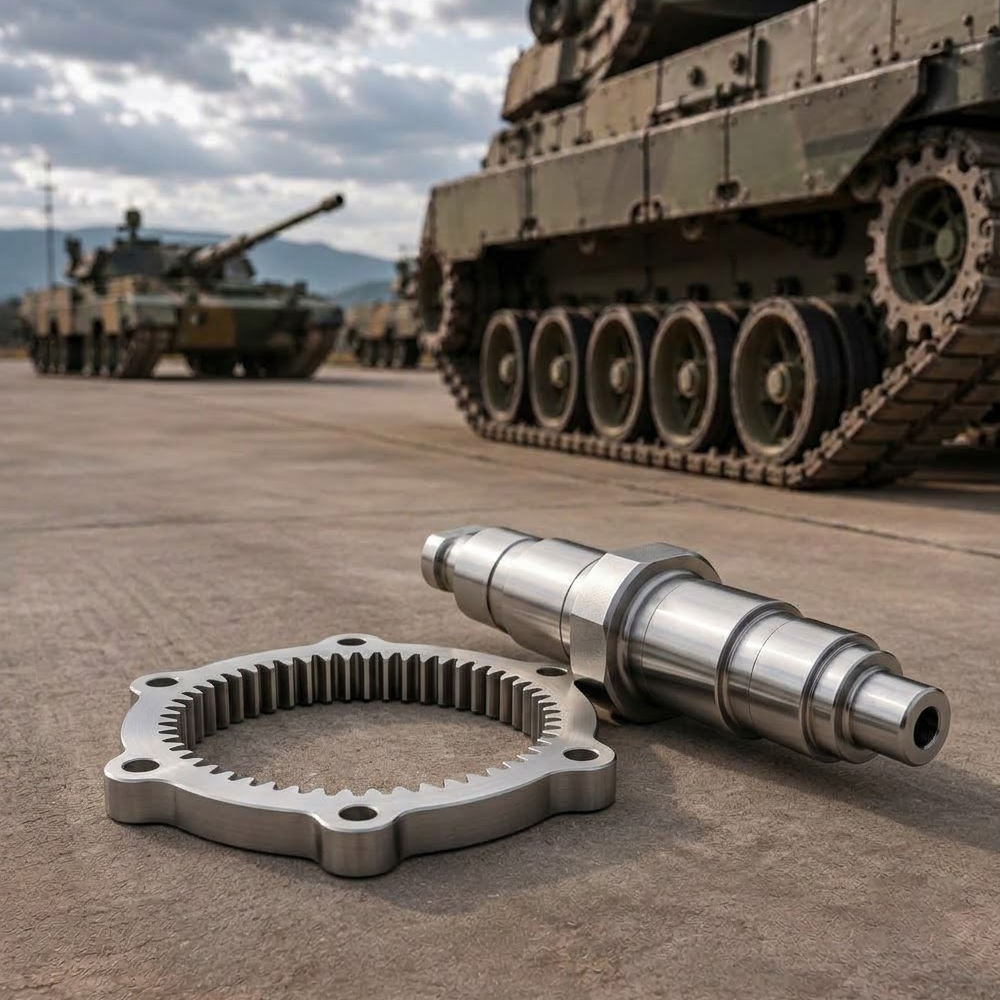
Defence Barrel-Blank and High-Strength Tubular Forging Supplier from India: Radial Forging, NDT and Material Traceability
Long high-strength tubular defence components present an unusual manufacturing problem. They require dimensional consistency over substantial length, strong internal soundness, carefully controlled material properties and documentation robust enough to preserve component identity through multiple manufacturing operations. Radial forging has historically been used for specialised tubular products because its multiple dies pro
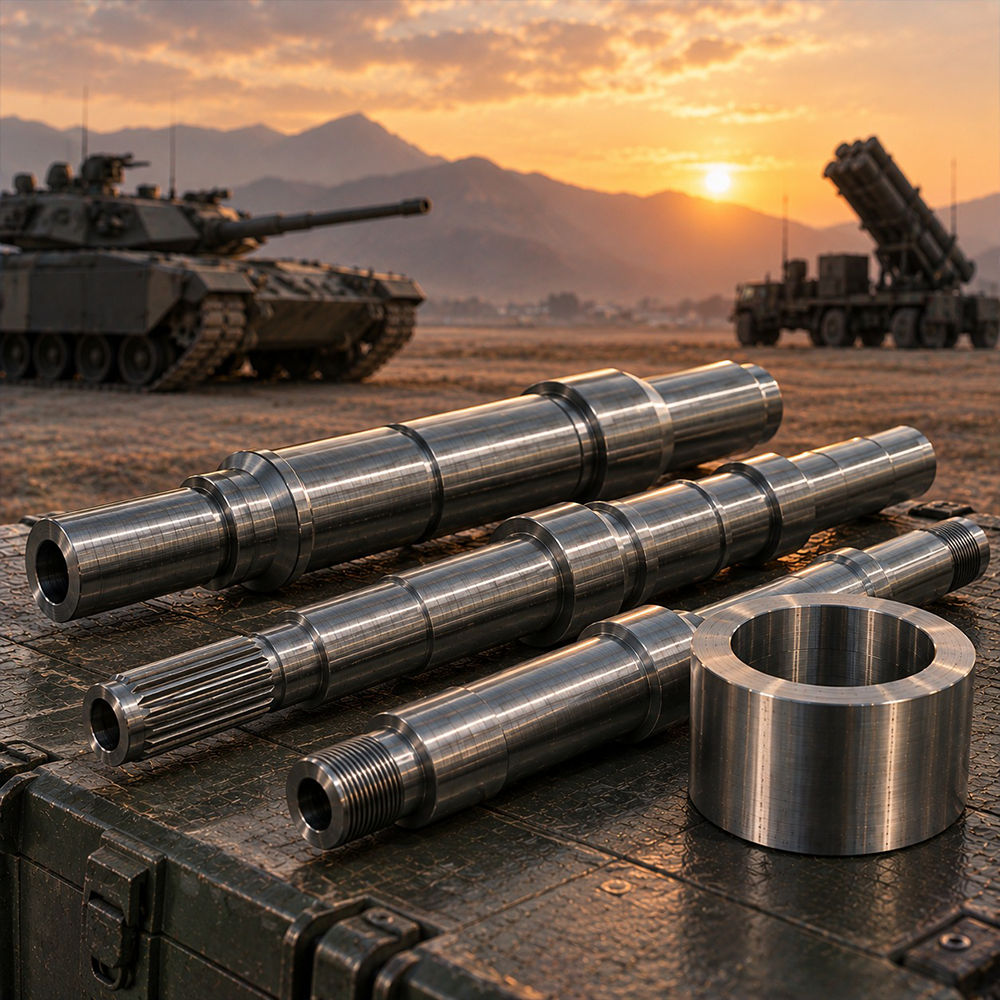
Radial Forging for Defence Components: High-Strength Shafts, Tubular Preforms and Mission-Critical Hardware
Defence equipment frequently combines three characteristics that make forging particularly relevant: high mechanical loading, comparatively low production quantities and an exceptionally low tolerance for unpredictable failure. Unlike consumer or automotive products manufactured in millions of units, a defence programme may require tens or hundreds of specialised components over a production cycle while still expecting docum
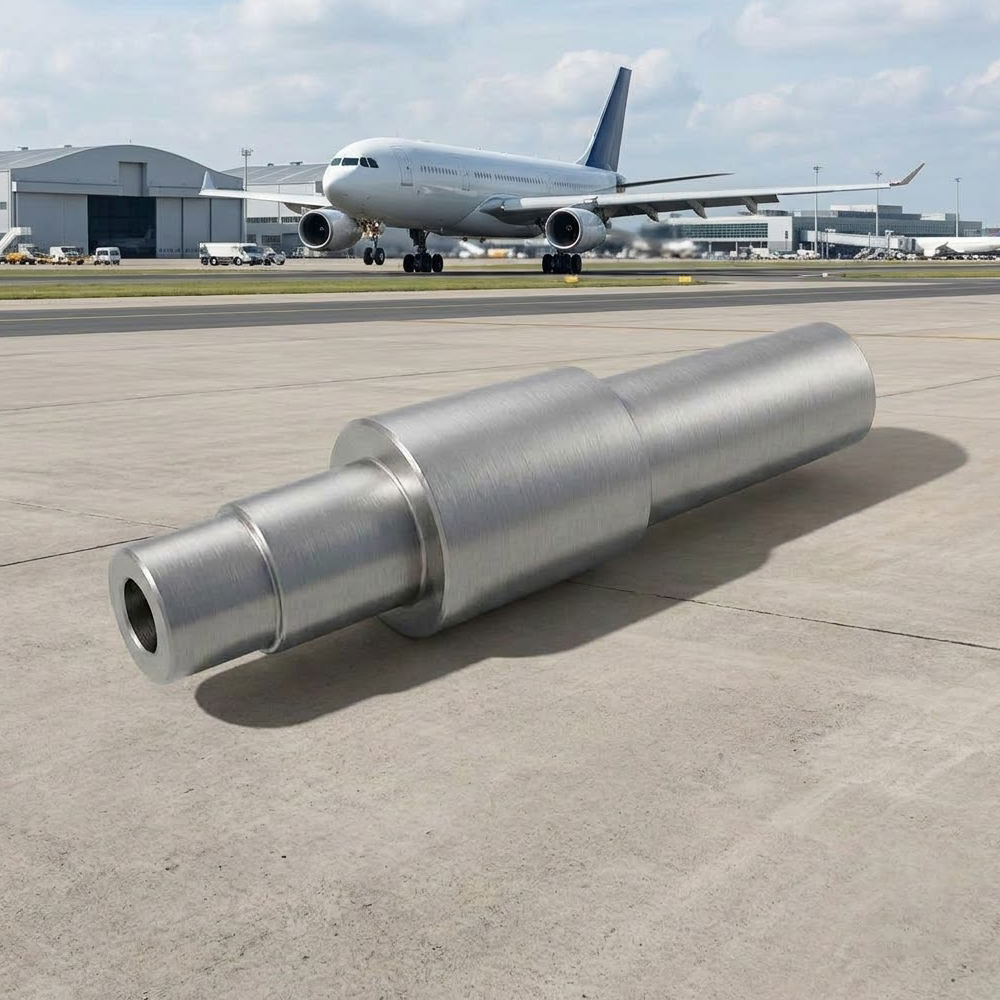
Radial Forging for Aerospace Shafts: Grain Flow, Fatigue Performance and AS9100D Supply Requirements
Aerospace shafts operate in environments where weight must be minimised, rotational accuracy must be maintained and fatigue failure may be unacceptable. They can transmit torque, connect rotating assemblies, support engine or transmission systems and operate under combinations of bending, torsion, vibration and temperature. The finished component may appear geometrically simple, but the manufacturing problem is […]
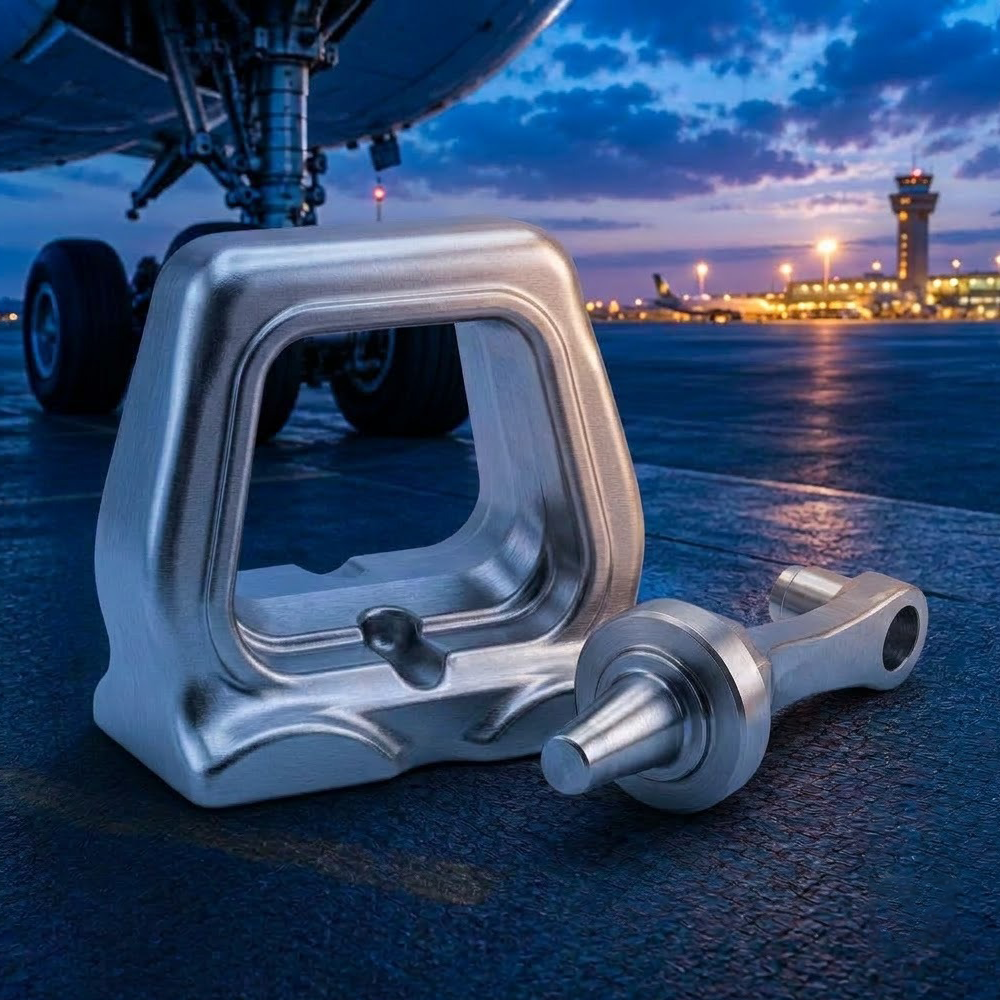
Radial Forging for Aircraft Landing Gear Components: 300M Steel, Titanium and High-Strength Aerospace Preforms
Aircraft landing gear is one of the clearest examples of why aerospace manufacturers continue to use forged metals even when modern machining centres can create almost any geometry from solid stock. A landing gear system must carry the static weight of an aircraft on the ground, absorb a sharp increase in load during touchdown, tolerate […]
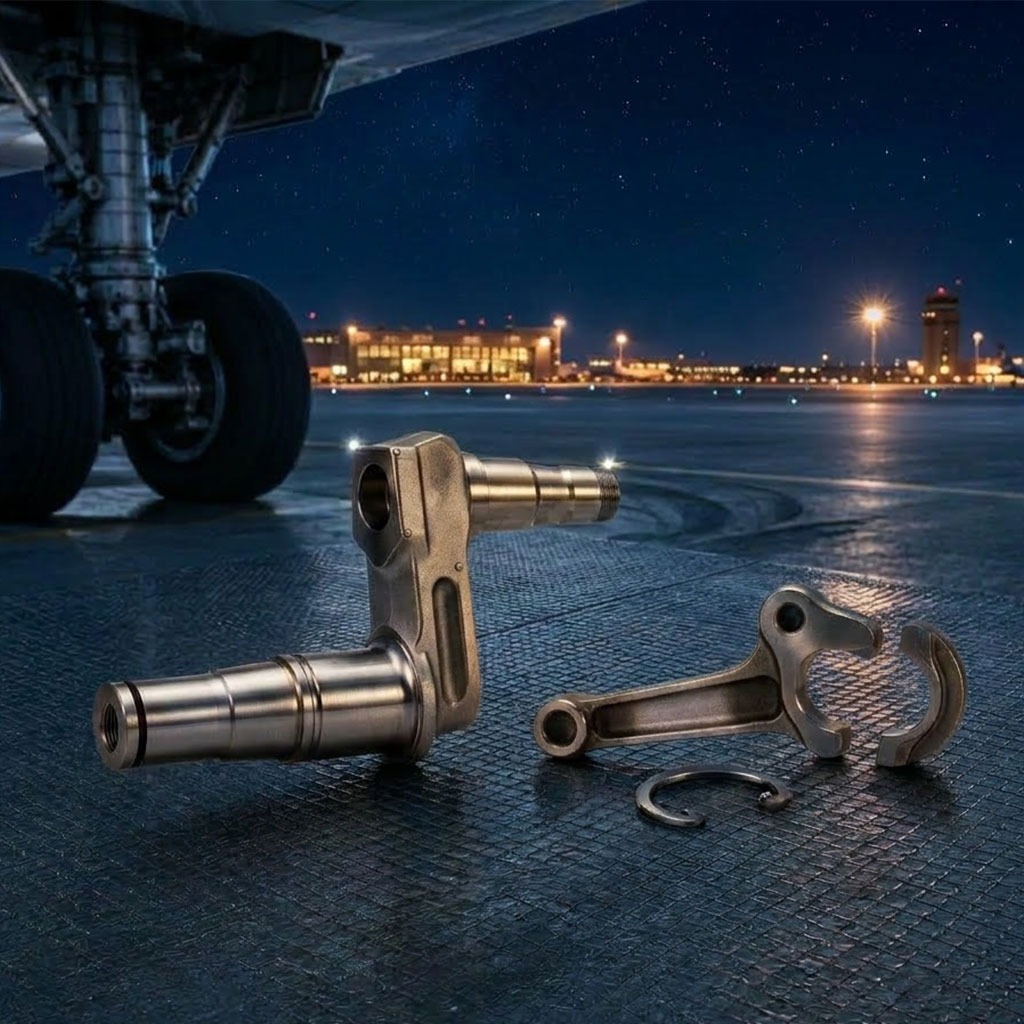
Inconel Radial Forging Supplier for USA from India: Aeroengine & High-Temperature Applications
Nickel-based superalloys are used where ordinary steels and many titanium alloys begin to lose too much mechanical capability as temperature rises. Inconel is one of the best-known families within this category. For suitable shafts, bars and long cylindrical preforms, radial forging can provide a manufacturing route that combines controlled deformation with improved material utilisation. For […]
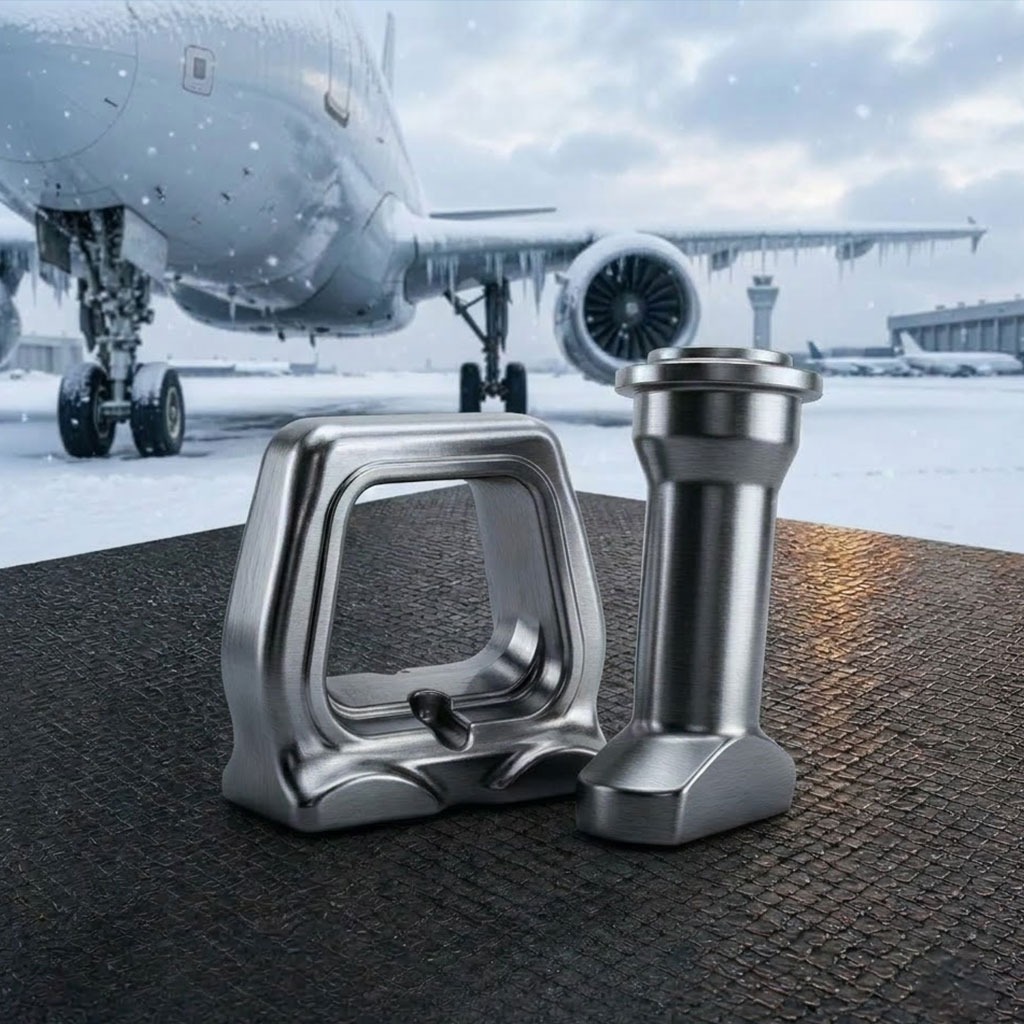
Titanium Radial Forging Supplier for USA from India: Ti-6Al-4V Aerospace Components
Titanium changed aerospace engineering because it offers a combination that is difficult to obtain from conventional steels: high specific strength, low density and excellent corrosion resistance. Ti-6Al-4V is the most widely recognised titanium alloy in aerospace applications. Research literature describes Ti-6Al-4V as approximately 90% titanium, 6% aluminium and 4% vanadium and highlights its strength-to-weight ratio [&hel
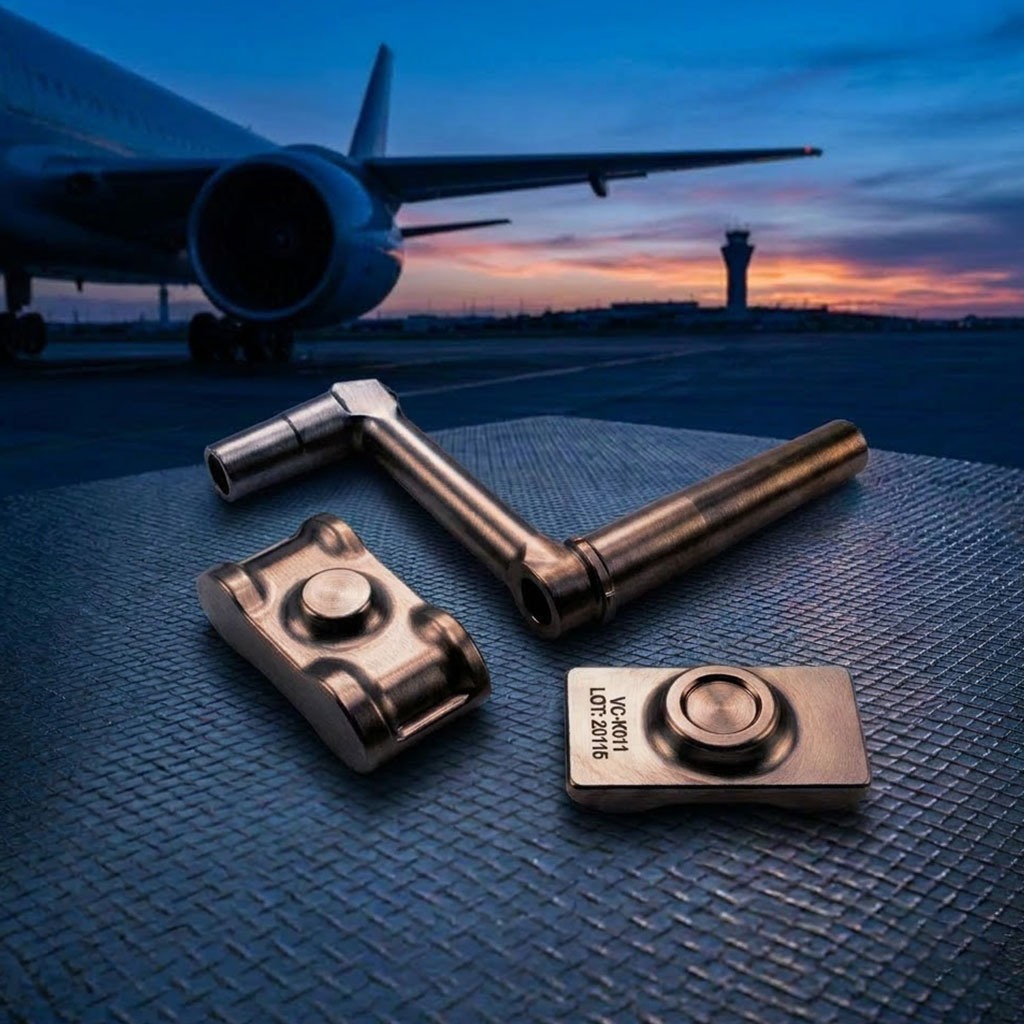
300M Steel Radial Forging Supplier for US Aerospace from India
300M is an ultra-high-strength steel associated with some of the most heavily loaded structures in aerospace engineering. Landing gear is its most recognisable application. Published aerospace literature identifies 300M among the steels used in aircraft landing gear, alongside advanced titanium alloys and other high-strength materials. For US aerospace companies considering a 300M radial forging supplier […]
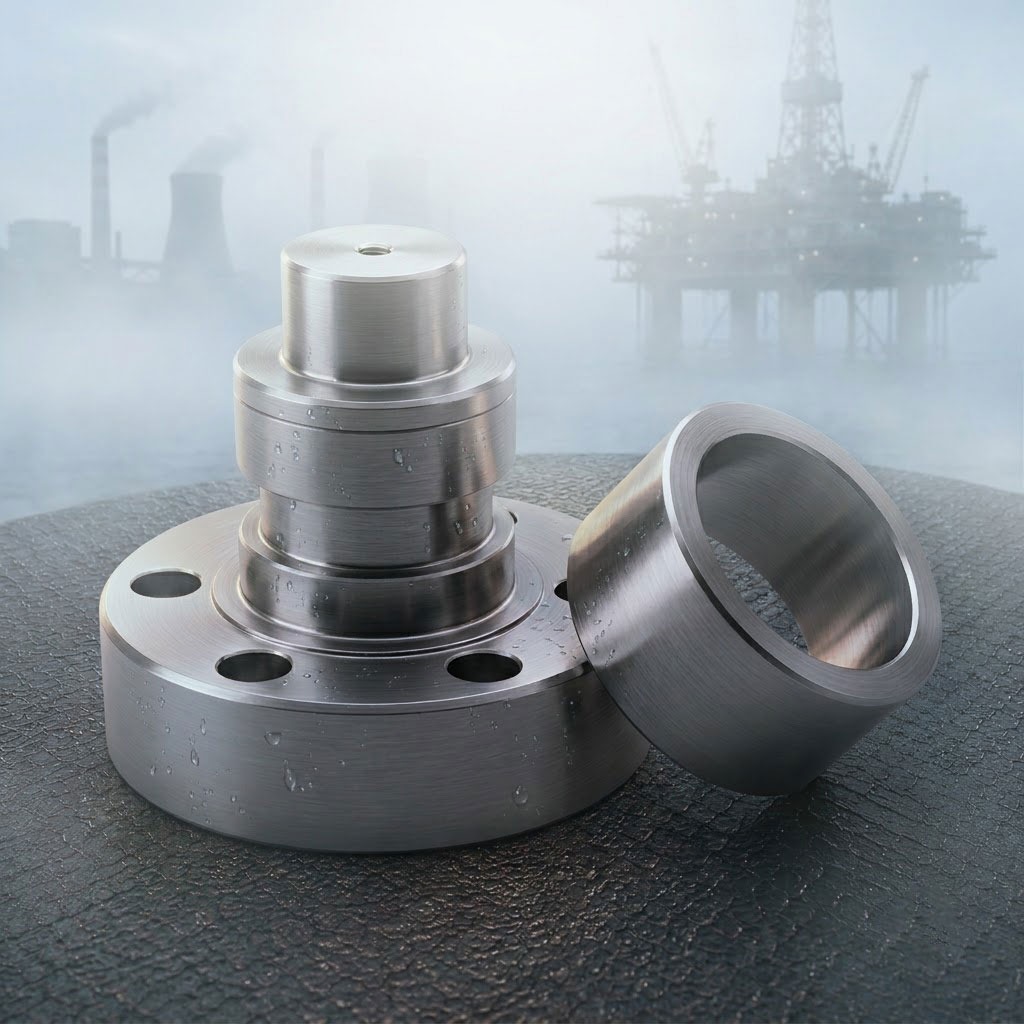
AISI 4340 Radial Forging Supplier for USA from India: High-Strength Shaft Applications
AISI 4340 is one of the best-known nickel-chromium-molybdenum low-alloy steels used for high-strength mechanical components. Its combination of hardenability, strength and toughness has made the 4340 family relevant to aircraft, defence, power-transmission, heavy-equipment and other demanding applications. For long shafts and axial components, radial forging can provide an efficient manufacturing route. Understanding 4340 43

Hollow Shaft Radial Forging Supplier for USA from India: High-Strength Tubular Components
Removing the centre of a large shaft can save weight. Machining that centre from a solid billet, however, can waste a considerable amount of material and machining time. Hollow radial forging addresses this problem by using deformation to create or maintain the internal bore while the outside of the component is forged. For US OEMs […]
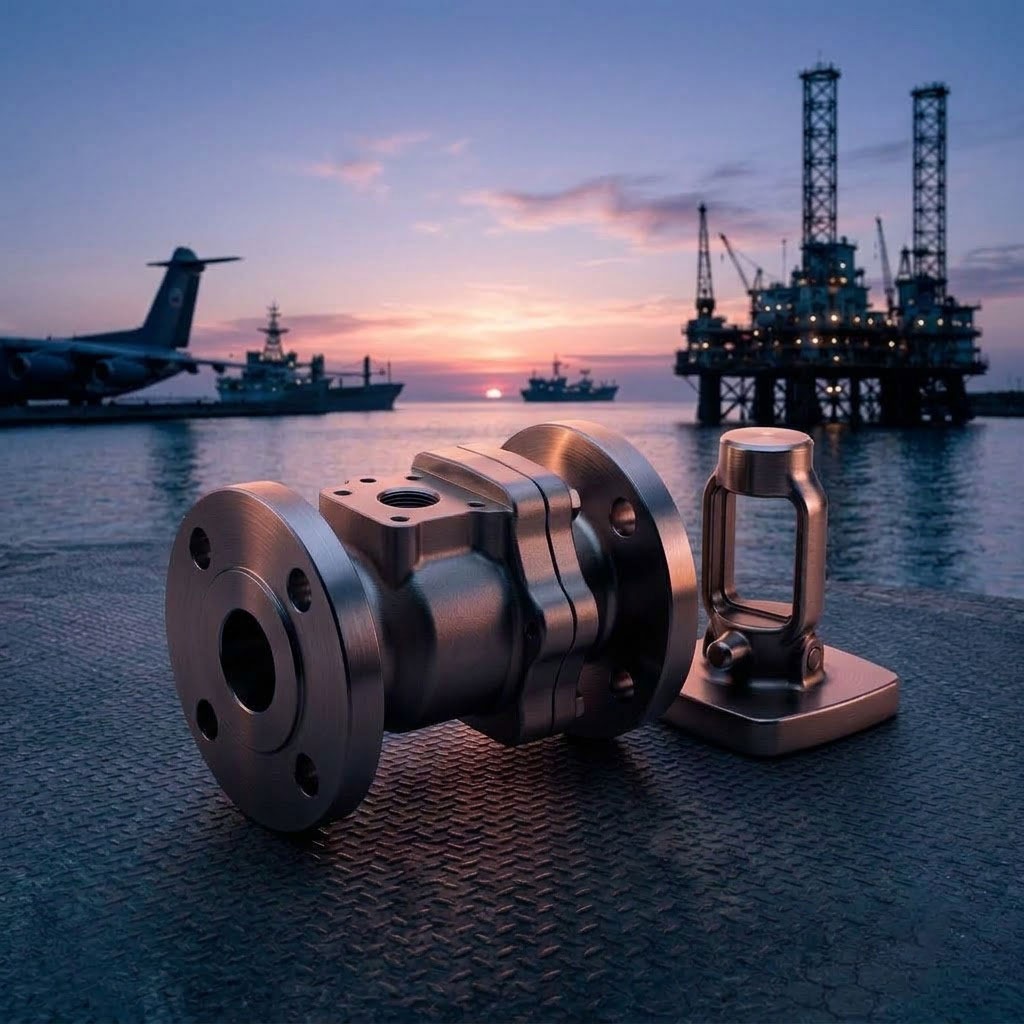
Radial Forging Supplier for USA from India: High-Strength Shafts, Tubes & Critical Components
Radial forging is a highly controlled metal-forming process used to manufacture shafts, stepped shafts, bars, tubes, hollow components and other long-axisymmetric parts that require high structural integrity. Unlike conventional open-die forging, where a workpiece is repeatedly manipulated between relatively large dies, radial forging uses multiple dies acting around the circumference of the workpiece. The dies […]