

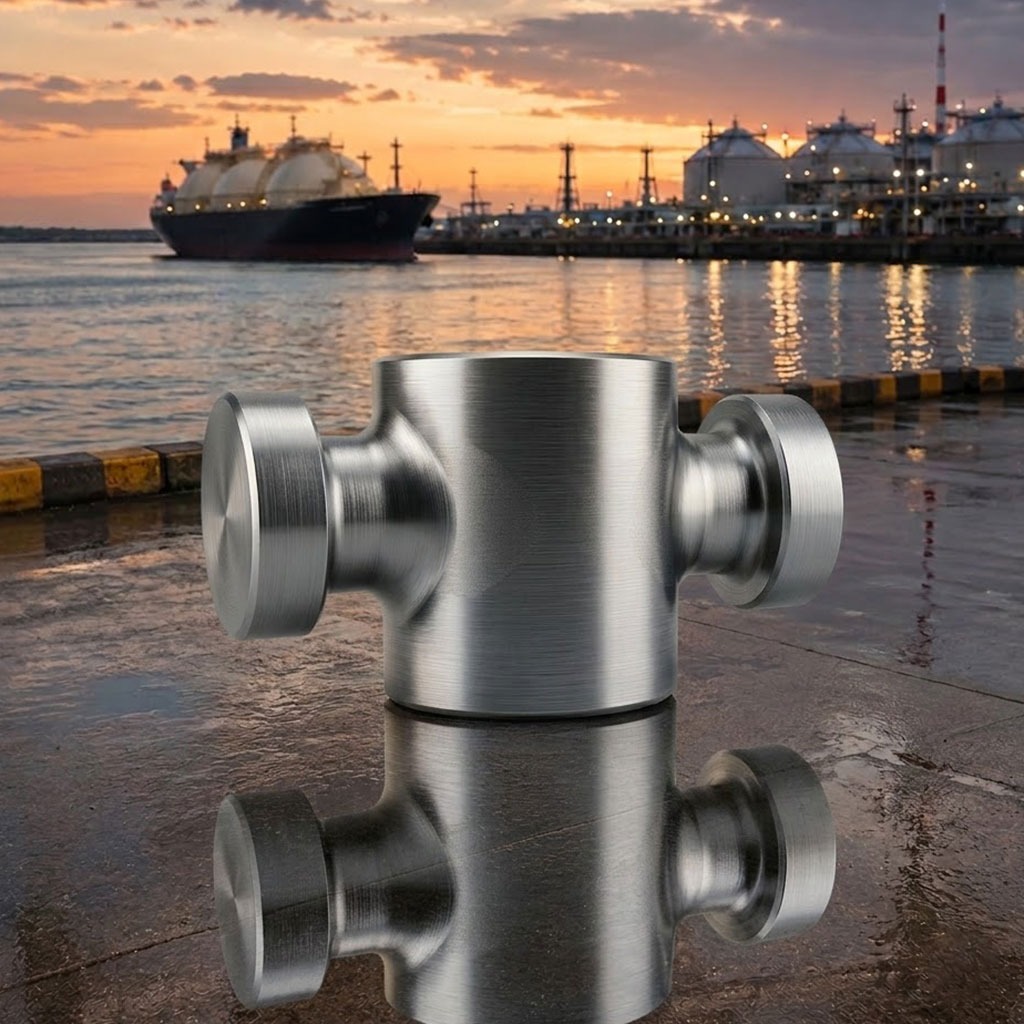
Open Die Forging Supplier for USA from India: Heavy Custom Forgings up to 15,000 kg
For US procurement teams, an open die forging supplier is rarely selected on press tonnage alone. Heavy forgings for shafts, blocks, discs, hubs, rings and pressure-retaining components must combine sufficient deformation, controlled thermal history, sound internal quality, machining capability and documentation that survives an OEM or third-party audit. India has become a practical source for […]
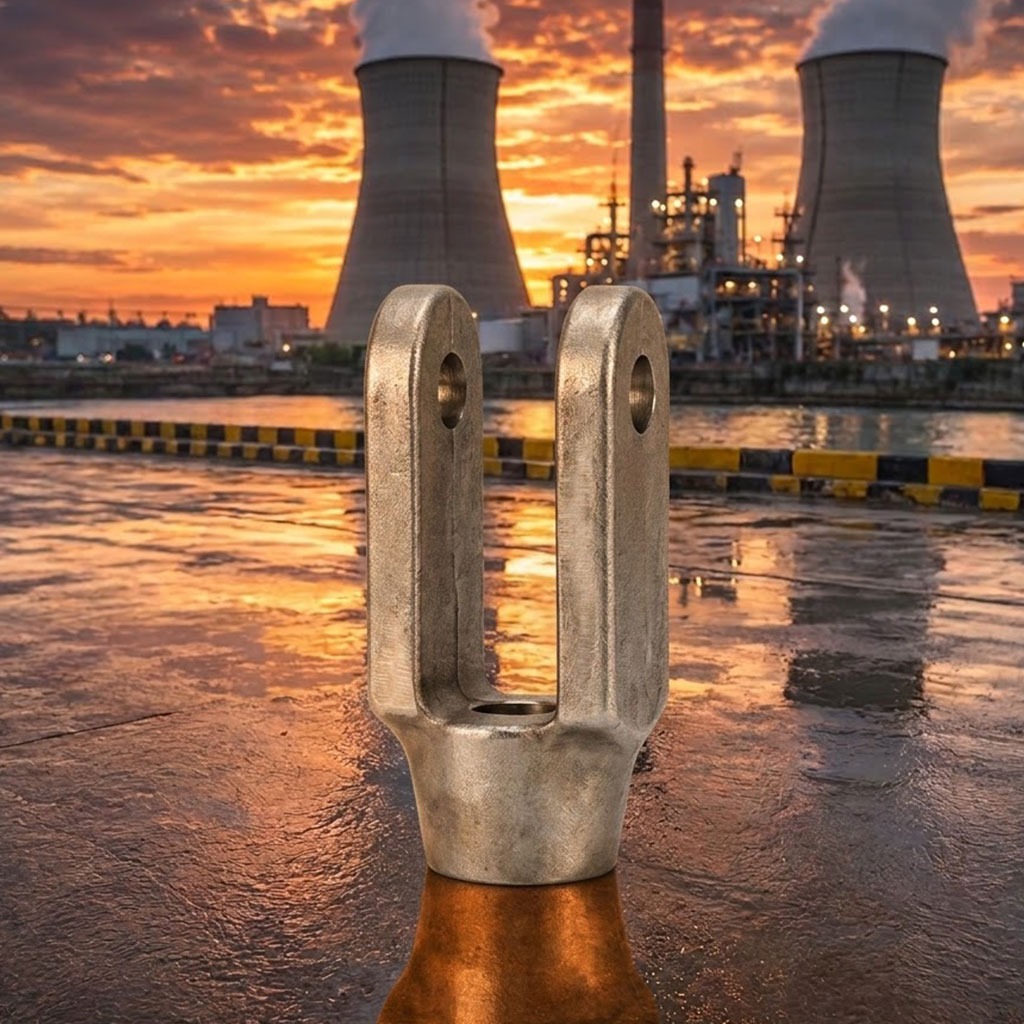
Reactor Coolant Pump Forging: ASME Section III Class 1 Requirements from India
Reactor coolant pumps (RCPs) are the primary heat transport system pumps in pressurised water reactors (PWRs) — they circulate reactor coolant (water at 325°C and 155 bar) through the reactor pressure vessel, steam generators, and pressuriser to remove the nuclear heat generated in the fuel assemblies. The RCP pump casing, shaft, and internal structural forgings […]
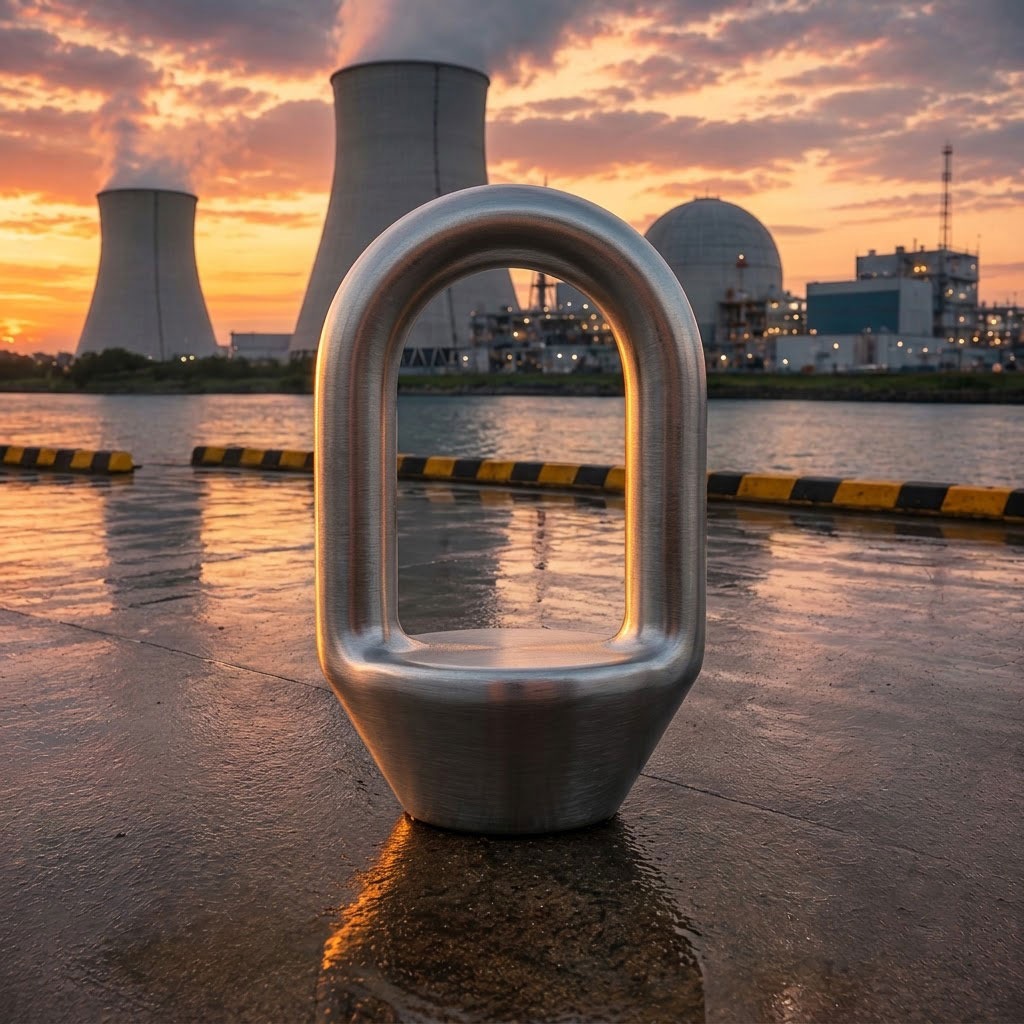
Steam Turbine Rotor Forging: Low-Pressure and High-Pressure Shaft Requirements
Steam turbine rotors — the rotating assemblies that convert high-pressure steam energy into mechanical shaft rotation in power plants, industrial process applications, and shipboard steam turbines — contain the highest-value and most technically demanding forgings in the power generation industry. High-pressure (HP) rotors operate at 500–600°C in supercritical and ultra-supercritical plants and require CrMoV alloy [&h
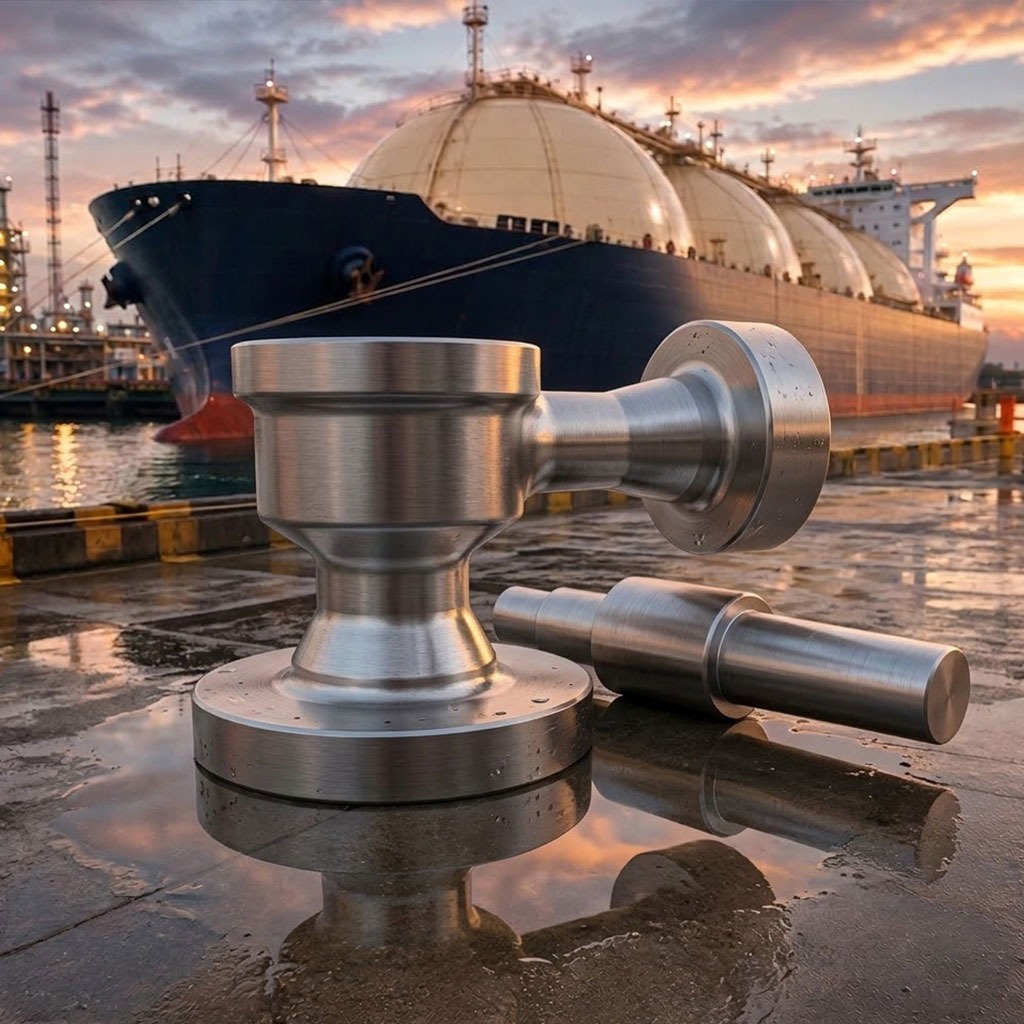
Propulsion Shaft Forging for LNG Carriers: ABS DNV Approved from India
LNG carrier propulsion shafts — forged in carbon or alloy steel and classified by ABS, DNV, Lloyd’s Register, or Bureau Veritas — are the highest-value single forging in most commercial vessel propulsion systems. A Q-Flex LNG carrier (210,000 m³ capacity) uses twin propulsion shafts each weighing 12,000–18,000 kg in the finished-machined condition, forged in 30CrNiMo8 […]
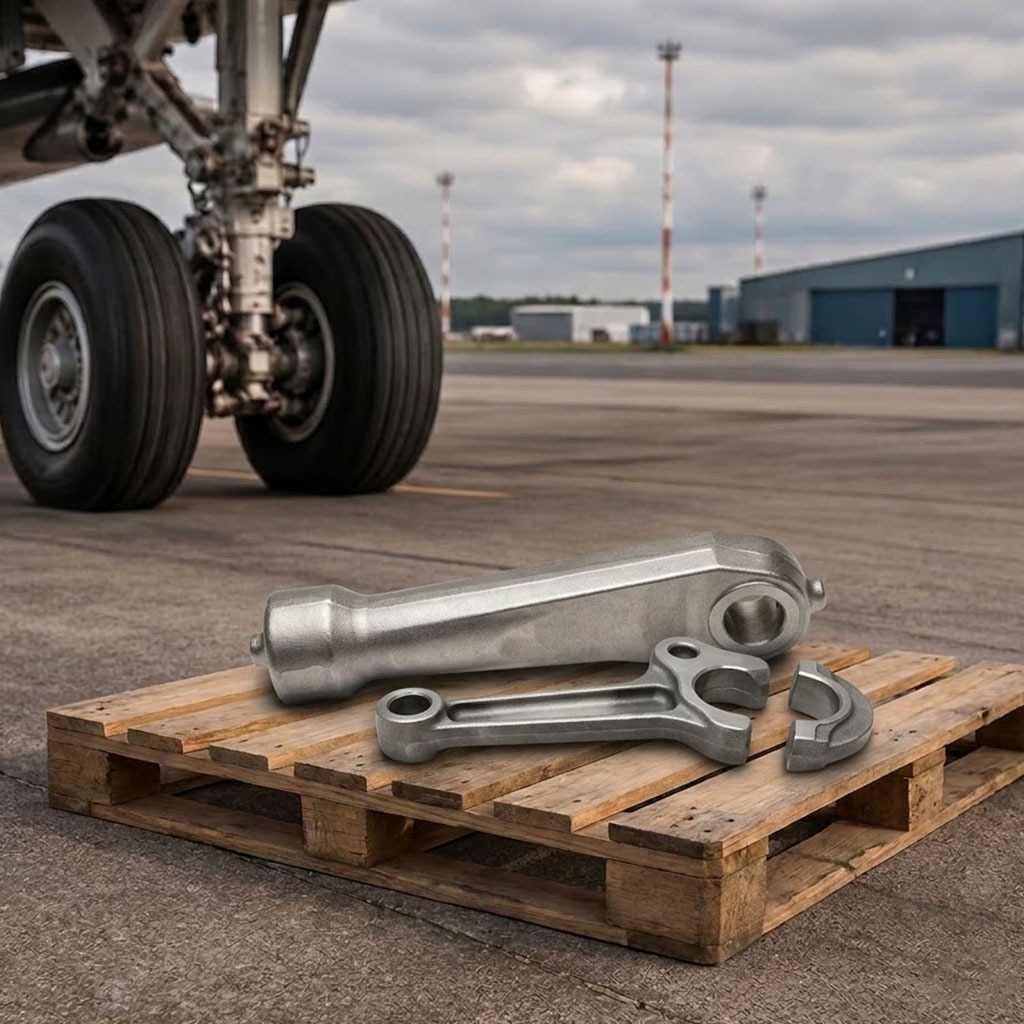
300M Steel Forging: Ultra-High-Strength for Landing Gear and Structural Applications
300M (UNS K44220, AMS 6257) is the ultra-high-strength low-alloy steel used for commercial aircraft landing gear side struts, Boeing 737 and Airbus A320 main gear actuator housings, and defence structural applications where the highest possible strength-to-weight ratio in steel is required. At 280–300 ksi (1,930–2,070 MPa) minimum tensile strength in the fully quenched and tempered […]
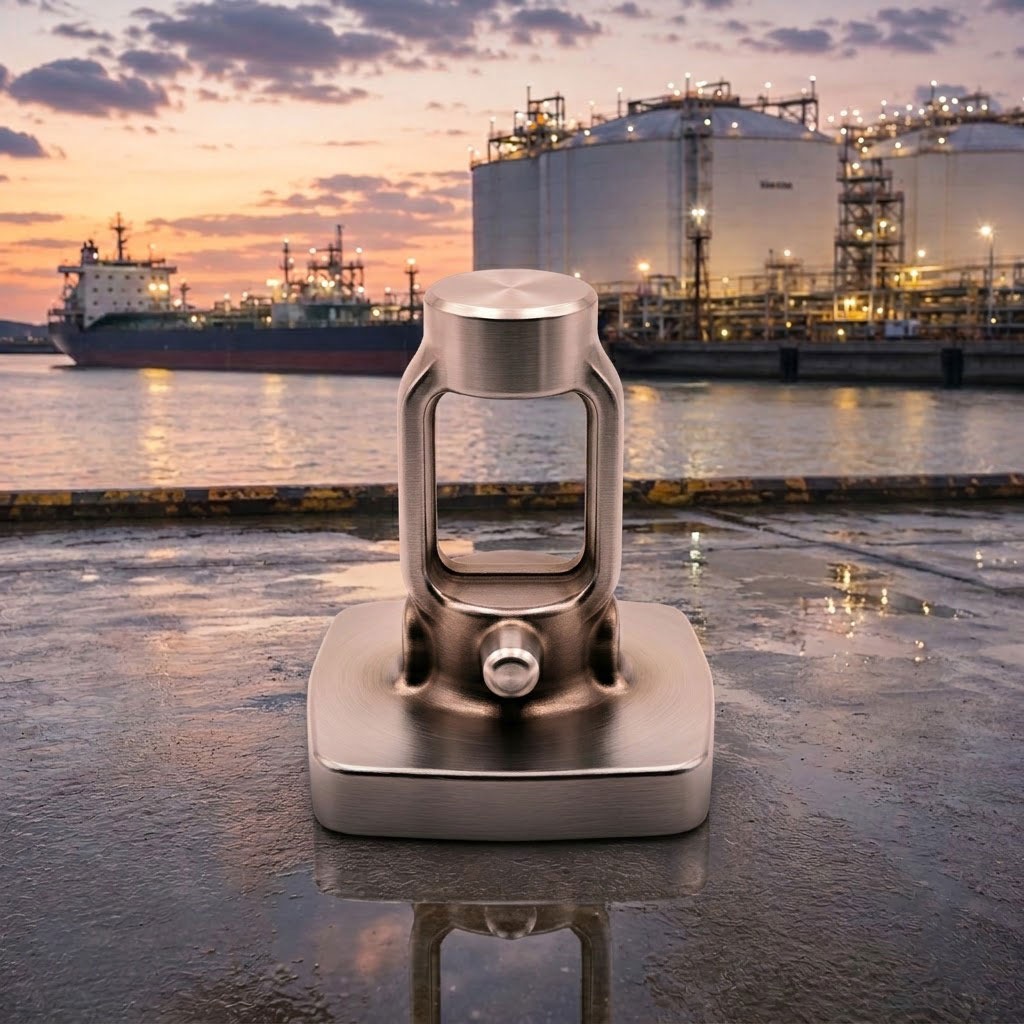
9% Nickel Steel Forging for LNG Applications: Cryogenic Toughness Requirements
9% nickel steel (UNS K81340, ASTM A353, ASTM A553) is the primary structural material for cryogenic LNG storage tank shells, LNG carrier primary barriers, and liquid nitrogen storage vessels — it maintains adequate toughness at -196°C (liquid nitrogen temperature) and -162°C (LNG temperature) where carbon steel and most low-alloy steels become catastrophically brittle. As India’s […]
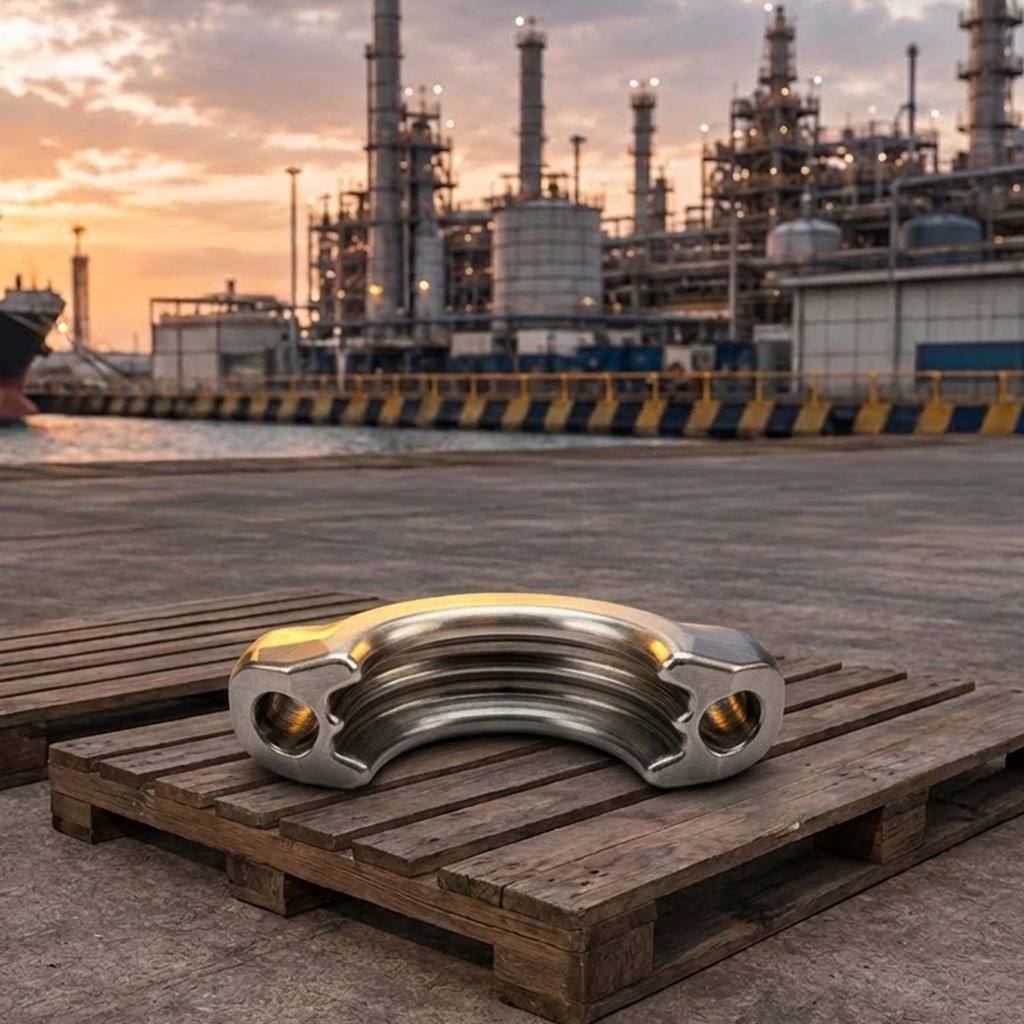
Super Duplex 2507 Forging: Sigma Phase Control and PREN Verification
Super duplex 2507 (UNS S32750, ASTM A182 F53) — the most widely used super duplex stainless steel in offshore subsea, North Sea topside, and aggressive chemical process applications — presents unique forging process challenges that go beyond standard stainless steel forging. Sigma phase formation during slow cooling through 600–900°C, ferrite-austenite phase balance requirements (35–65% ferrite), […]
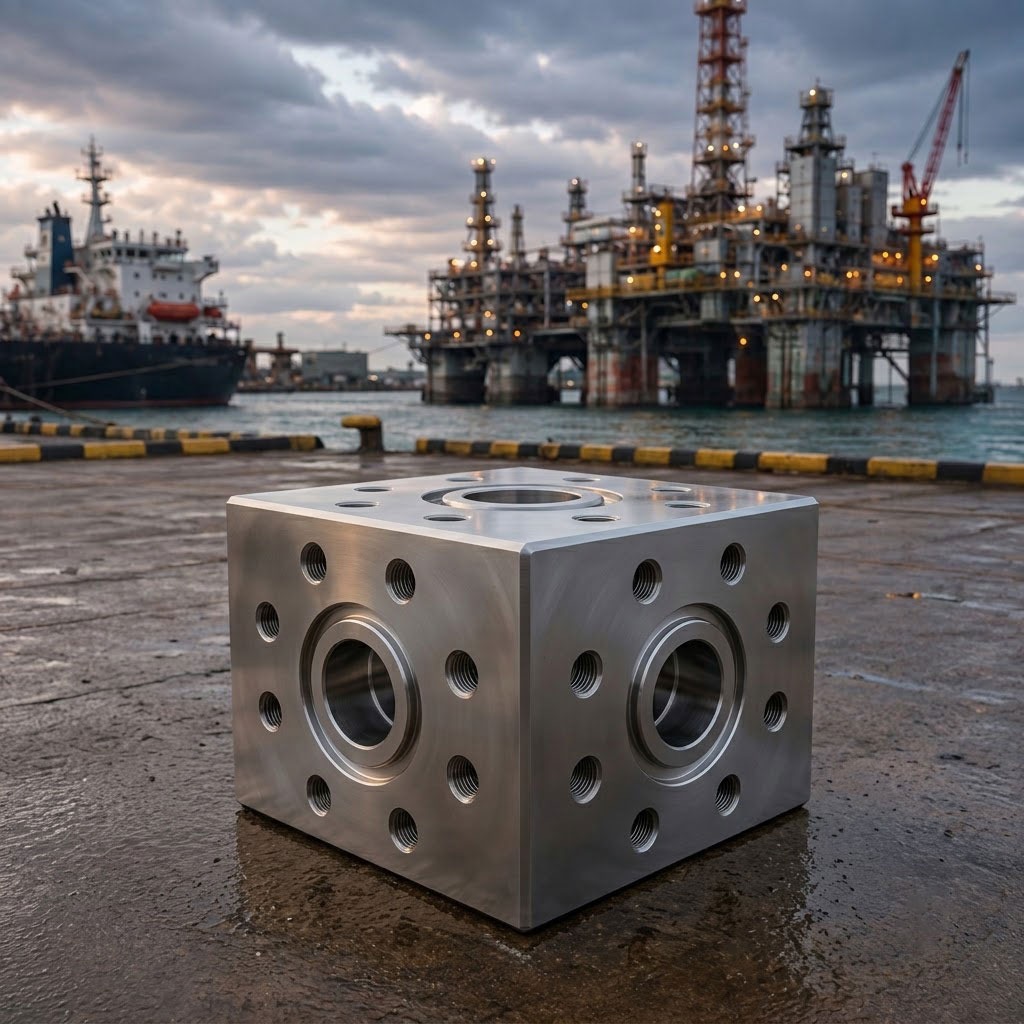
Alloy Steel Selection for Critical Forgings: EN24, 4340, 4130, 300M, and CrMoV
Selecting the correct alloy steel for a critical forging — where failure carries safety consequences in aerospace, defence, nuclear, marine, or oil and gas service — requires understanding the relationship between alloy composition, heat treatment, achievable mechanical properties, and the specific failure modes the component must resist. This technical guide compares the most widely used […]
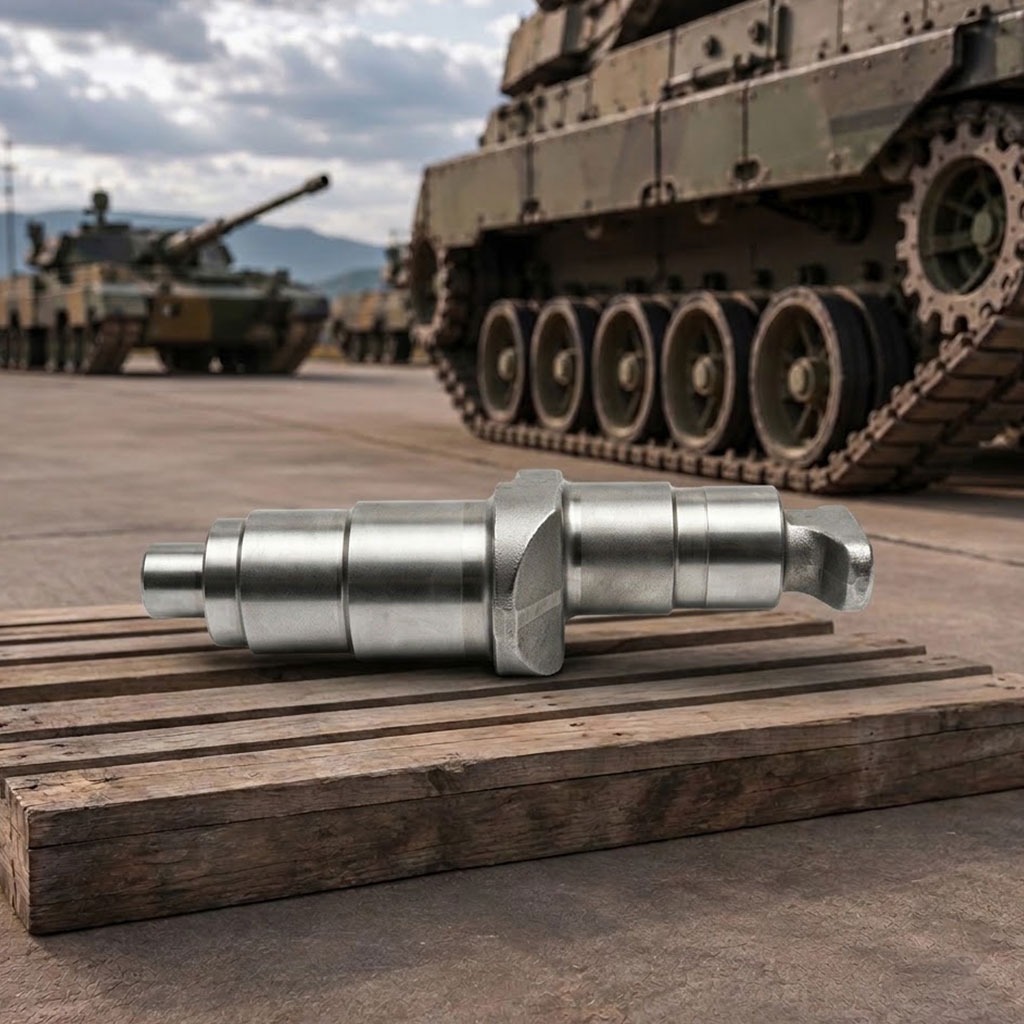
Torsion Bar Forging for Armoured Vehicles: 45CrNiMoVA Spring Steel
Torsion bars are the primary suspension spring elements in tracked armoured vehicles — each torsion bar connects a road wheel station to the vehicle hull and provides the spring force that supports the vehicle weight while absorbing terrain irregularities. A main battle tank uses 14–18 individual torsion bars per vehicle, each forged in 45CrNiMoVA spring […]
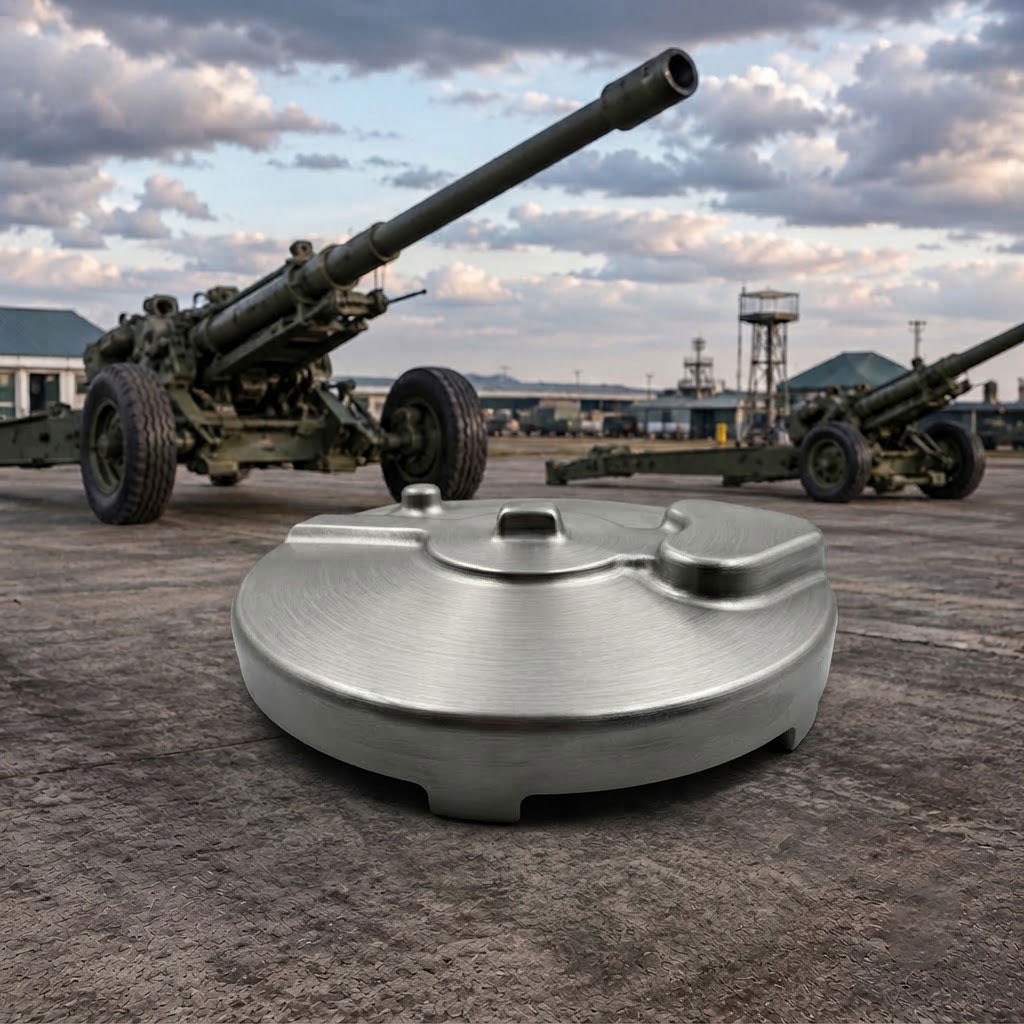
Gun Barrel Blank Forging: Chrome-Molybdenum Steel and 100% UT Requirements
Artillery gun barrel forgings — the cylindrical steel blanks from which 105mm, 155mm, and 203mm artillery barrels, naval gun barrels, and tank main gun barrels are machined — are among the most technically demanding structural forgings in the defence sector. Produced in 55NiCrMoV6 (DIN 1.2745), CrMoV gun steels, or 4340 ultra-clean VAR-melted billet, gun barrel […]
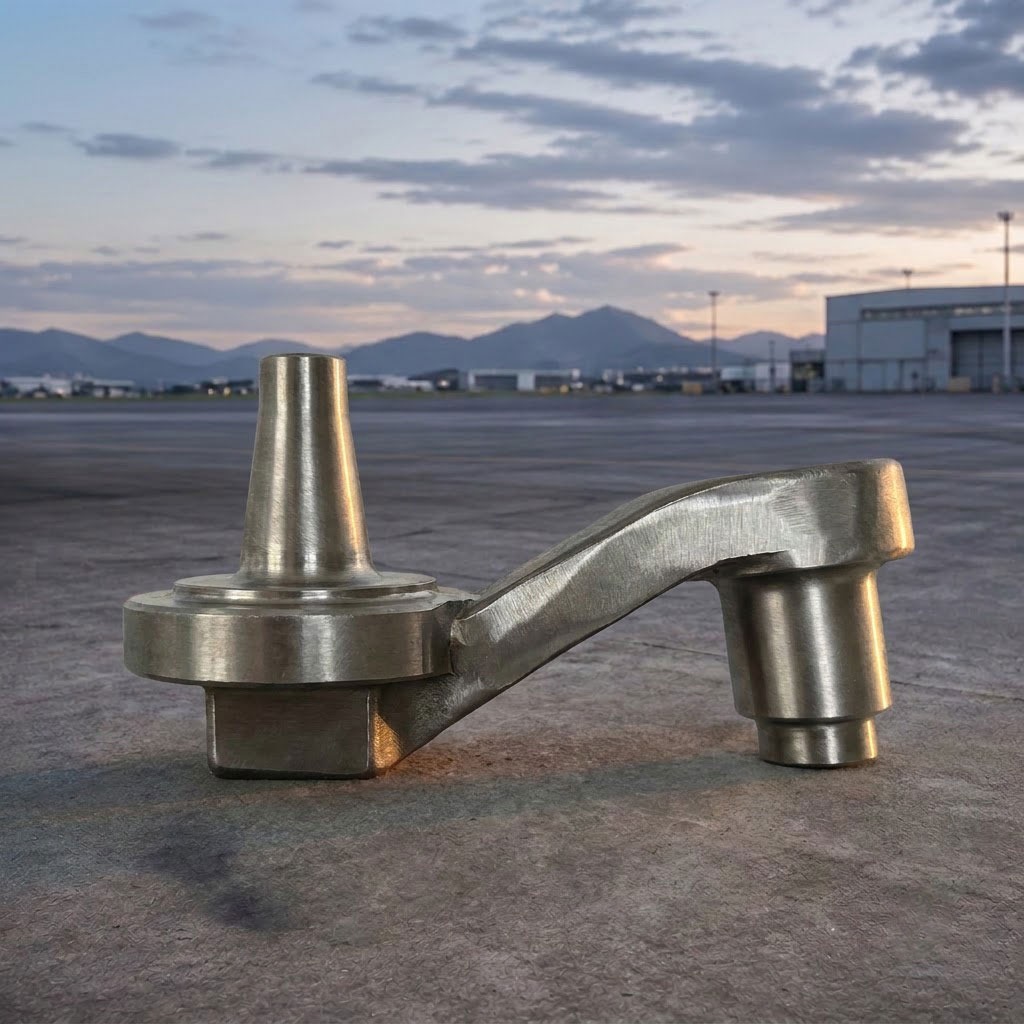
Landing Gear Forging for Commercial Aircraft: Titanium and Steel Requirements
Landing gear is the most highly loaded structural assembly on a commercial aircraft – it must absorb the impact of thousands of hard landings over a 25-year service life while weighing as little as possible. The main gear beam, side struts, trunnion pin, and drag brace of a widebody aircraft landing gear are forged in […]
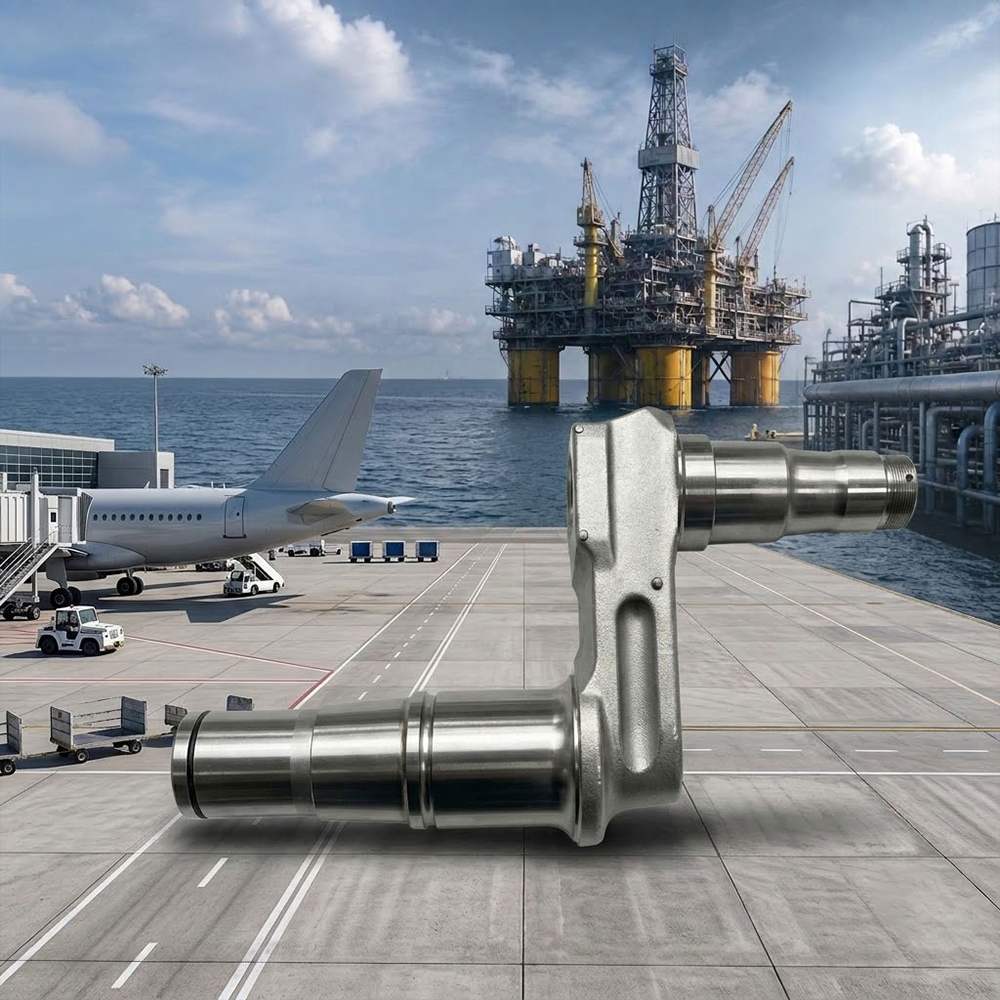
Titanium Forging Manufacturer India: Aerospace and Industrial Applications
Titanium forging in India — producing Ti-6Al-4V Grade 5 (UNS R56400, AMS 4928) and commercially pure titanium (CP Grade 1/2/4, ASTM B381) forgings for aerospace structural, oil and gas industrial, marine, and hydrogen electrolyser applications is a growing domestic capability driven by Atmanirbhar Bharat aerospace manufacturing goals and the global VSMPO titanium supply disruption following […]