

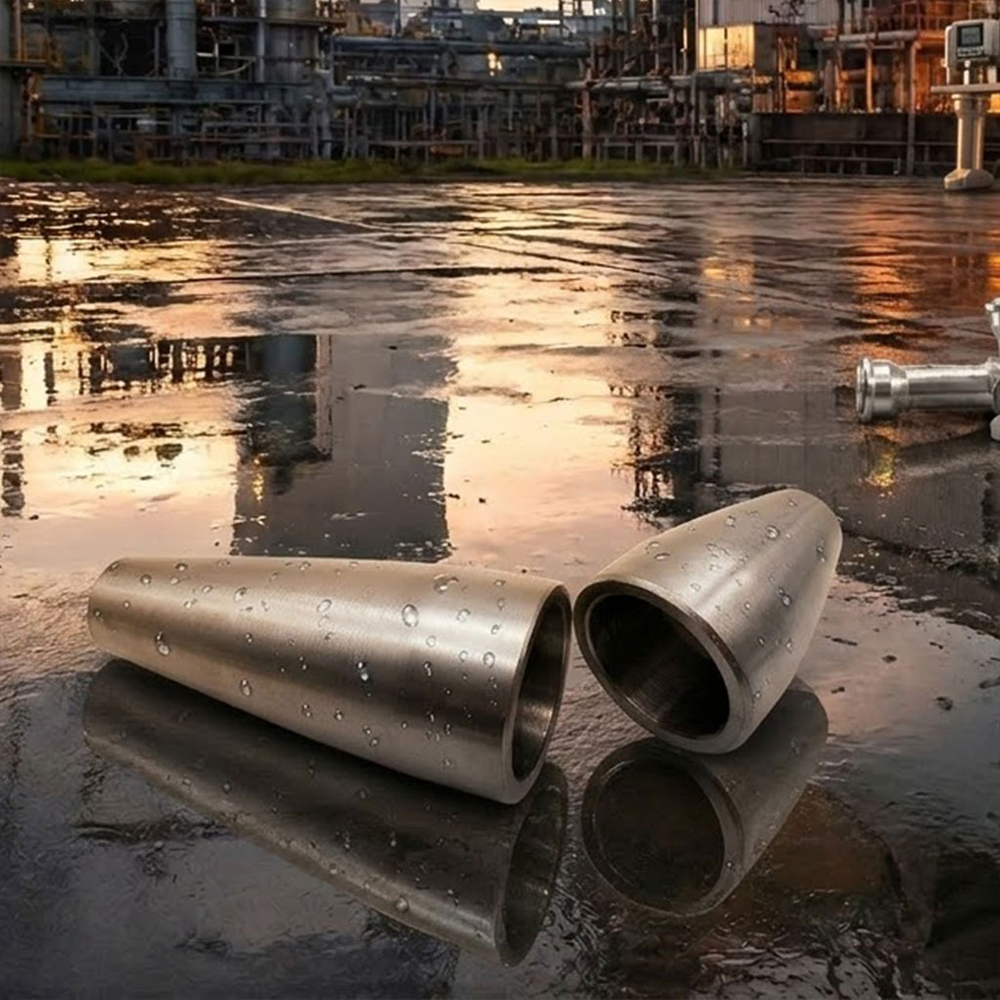
Heat Treatment in Critical Forgings: Process Control, AMS 2750, and Qualification
Heat treatment — the controlled heating and cooling of forged components to develop specified mechanical properties is the most consequential manufacturing step after forging itself. The same Inconel 718 disc forging can achieve tensile strength of 800 MPa (inadequate for aeroengine disc service) or 1,000 MPa (meeting AMS 5663 requirements) depending solely on the heat […]
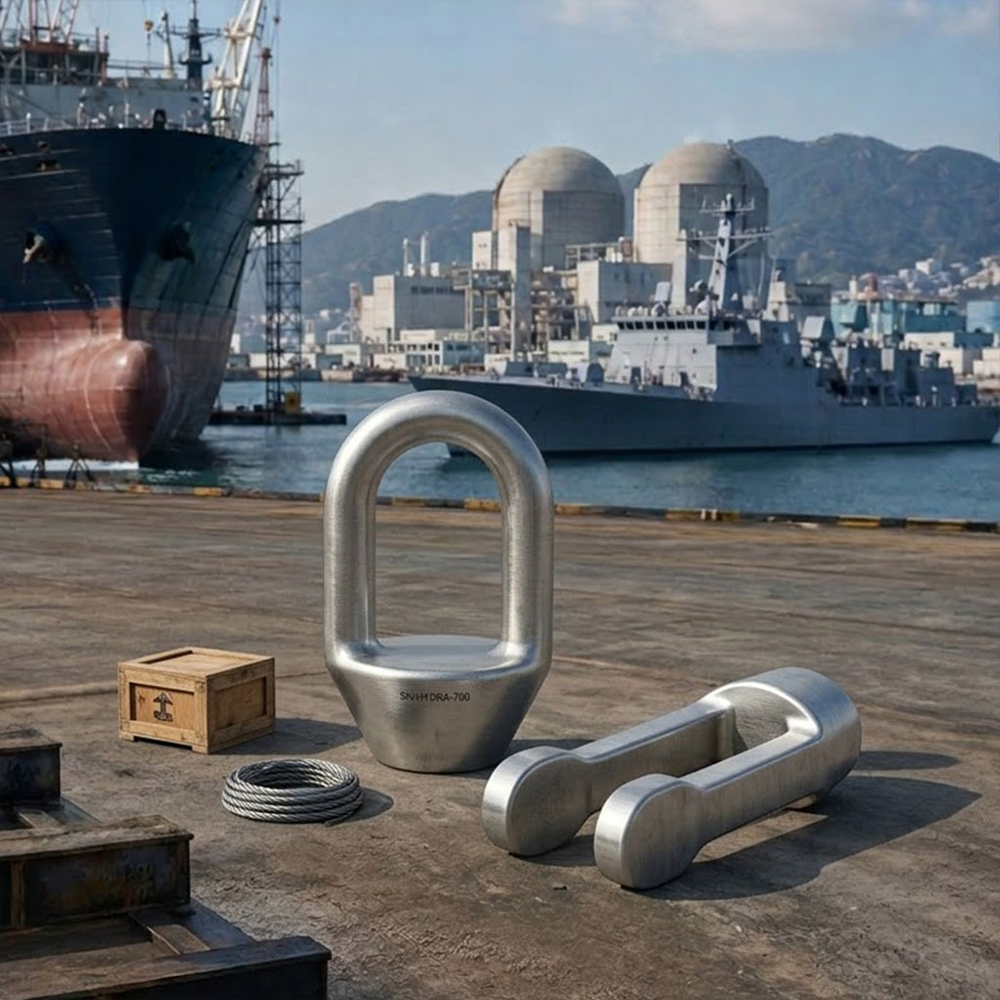
Forging Supplier for South Korea: Shipbuilding, Defence, and Nuclear Industry
South Korea is the world’s largest shipbuilder (HHI, Samsung Heavy Industries, DSME/Hanwha Ocean), a major global defence exporter (K2 tank, K9 howitzer, FA-50 fighter, Type 214 submarine), and operates the world’s most nuclear-intensive electricity system outside France. Korean shipyards build 30–40% of global merchant tonnage annually, consuming massive quantities of propulsion shaft and structural hull [&hel
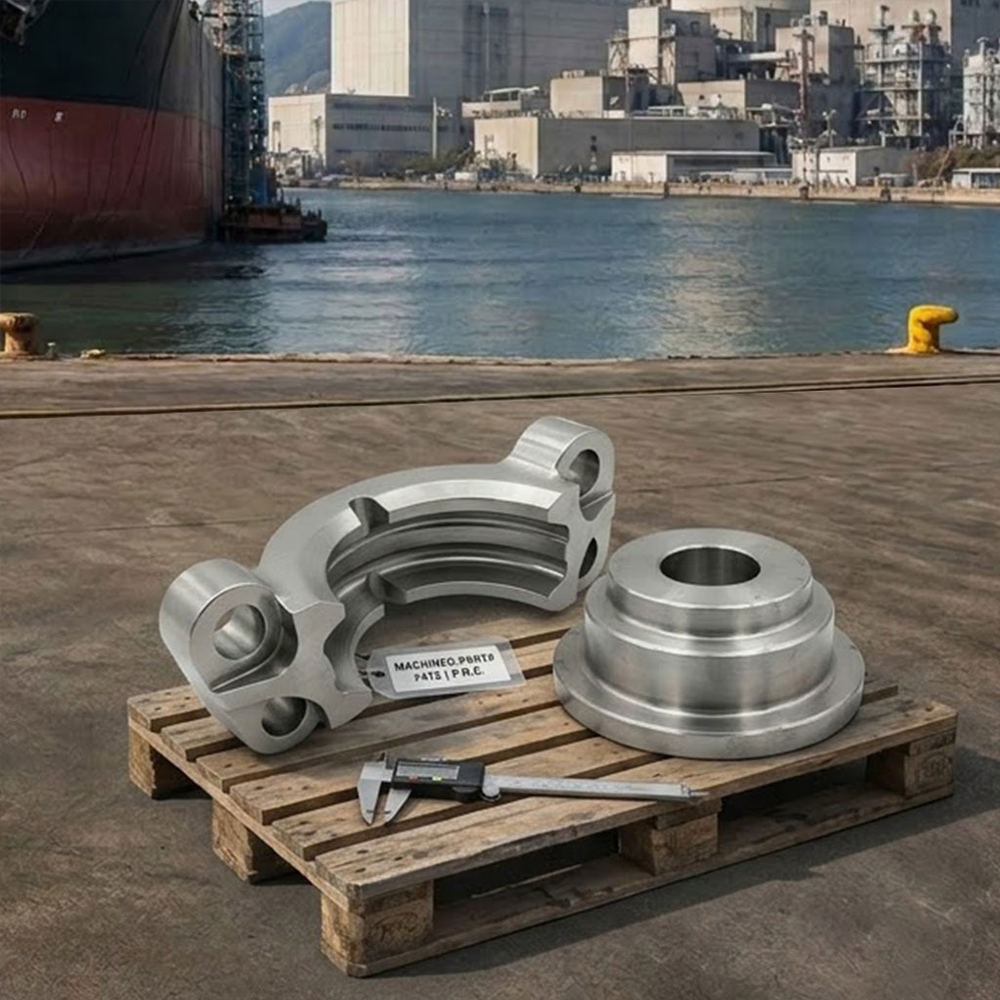
Forging Supplier for Japan: Shipbuilding, Nuclear, and Advanced Industrial
Japan is the world’s third-largest economy and home to globally significant industrial conglomerates — Mitsubishi Heavy Industries (shipbuilding, nuclear, power), IHI (aerospace, marine, industrial), Kawasaki Heavy Industries (shipbuilding, rail, aerospace), and Japan Steel Works (JSW, the world’s largest nuclear forgings manufacturer). Japan’s shipbuilding industry produces LNG carriers, bulk carriers, a
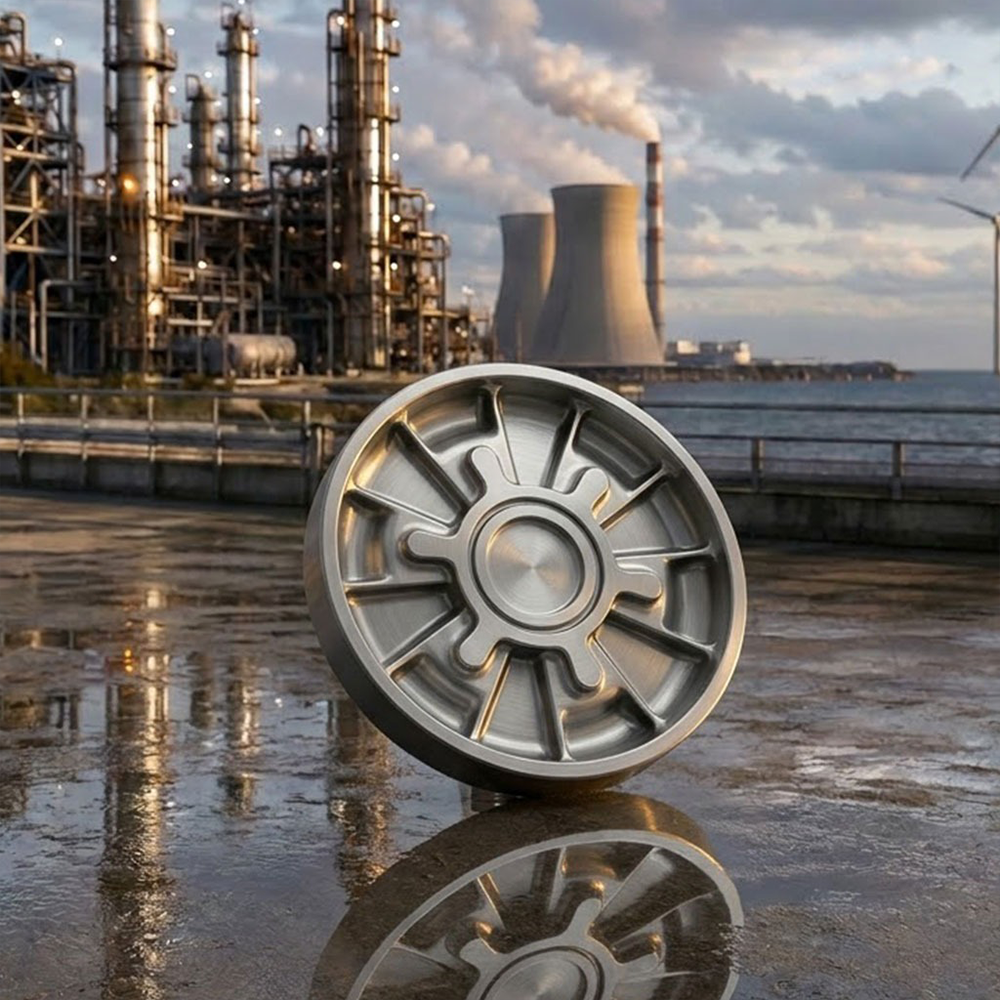
Forging Supplier for Poland: Defence, Energy, and Heavy Industrial Manufacturing
Poland is Central Europe’s largest economy and NATO’s most rapidly expanding defence spender the Polish government has committed to spending 4% of GDP on defence by 2026, the highest NATO defence spending percentage globally. PGZ (Polska Grupa Zbrojeniowa, the Polish Defence Group) – encompassing 60+ defence companies produces armoured vehicles, artillery systems, and naval vessels. […]
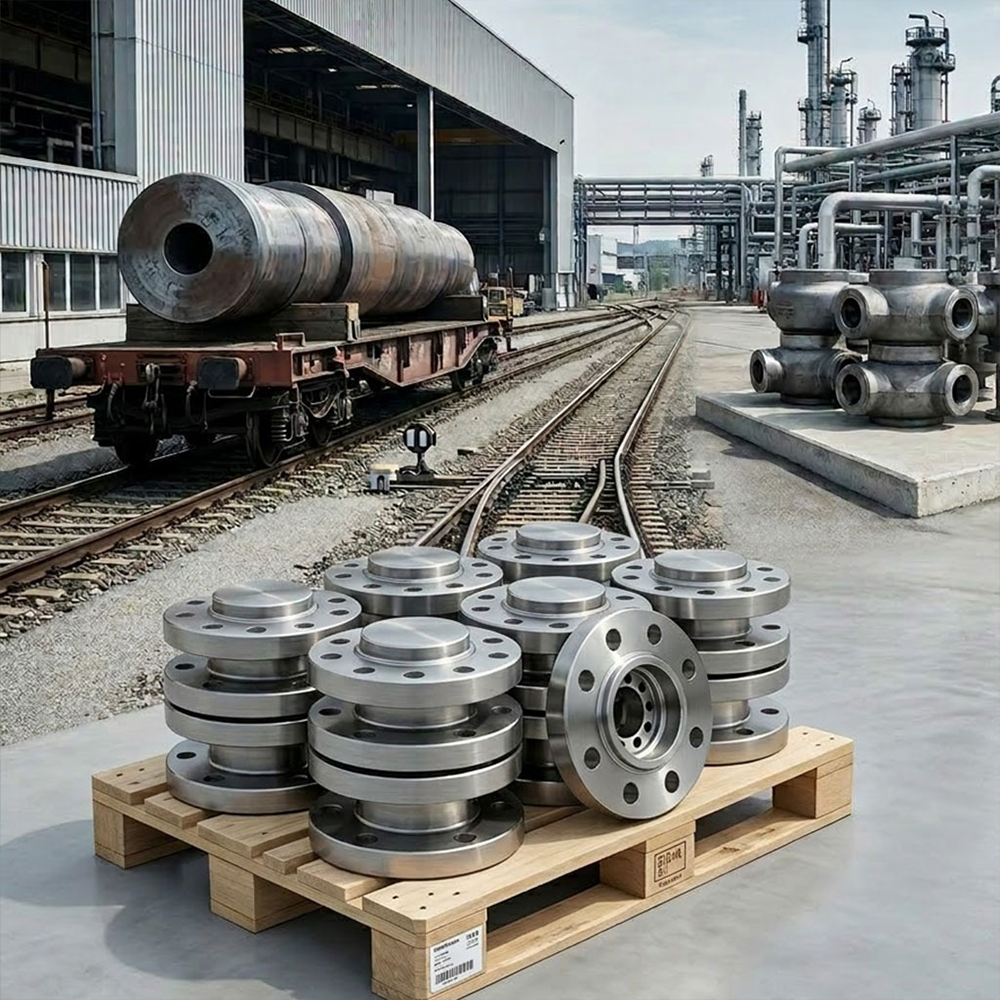
Forging Supplier for Austria: VOEST Alpine, AVL, and Industrial Manufacturing
Austria — despite its modest size hosts several globally significant industrial companies: voestalpine (steel and railway technology), AVL (engine and powertrain testing systems), Anton Paar (laboratory instruments), and Blum (furniture fittings). voestalpine’s railway systems division produces turnouts (track switches) and rail fastening systems globally, consuming structural alloy steel forgings for switch mechanis
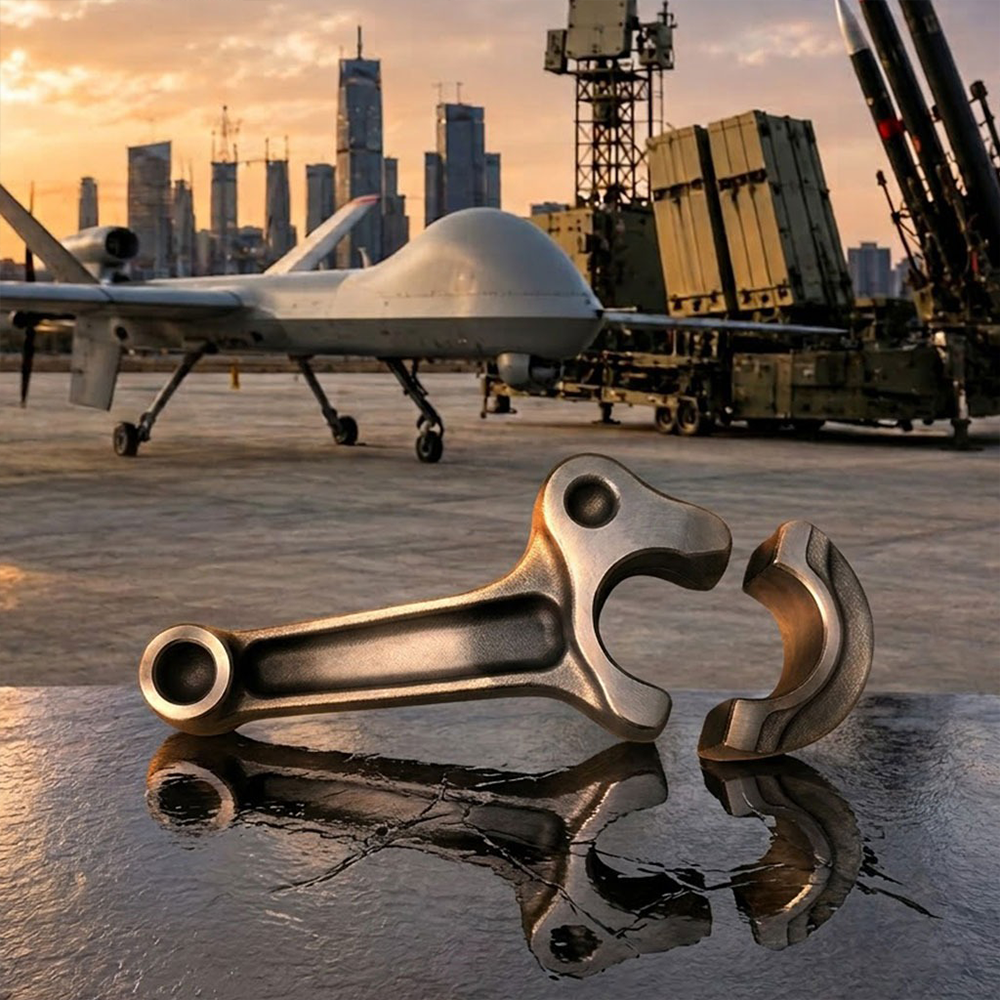
Forging Supplier for Israel: Aerospace, Defence, and High-Tech Industrial
Israel operates one of the world’s most advanced and export-intensive defence industries — Elbit Systems (Haifa), Rafael Advanced Defense Systems (Haifa), IAI (Israel Aerospace Industries, Lod), and Israel Weapon Industries (IWI) collectively make Israel one of the top-10 global defence exporters by value. Israel’s aerospace industry produces unmanned aerial vehicles (UAVs), satellite systems, missile defence [
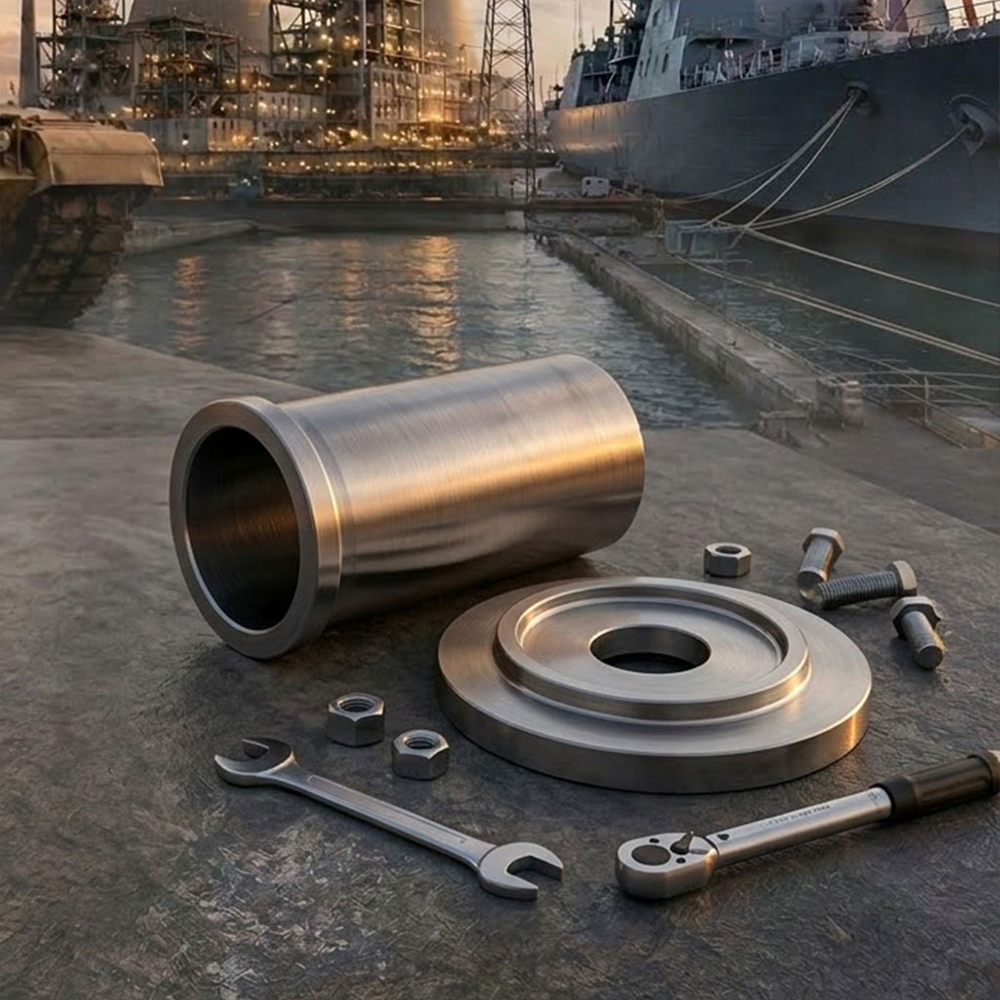
Forging Supplier for Turkey: Defence, Energy, and Shipbuilding Industry
Turkey is one of the world’s most dynamic emerging market industrial economies with a rapidly expanding defence industry (ASELSAN, Roketsan, BMC Defence, FNSS), a large power generation sector (50+ GW of installed capacity with ambitious expansion targets), and a significant shipbuilding industry (Istanbul-area shipyards producing naval and commercial vessels). Turkey’s domestic forging industry centred in [&hell
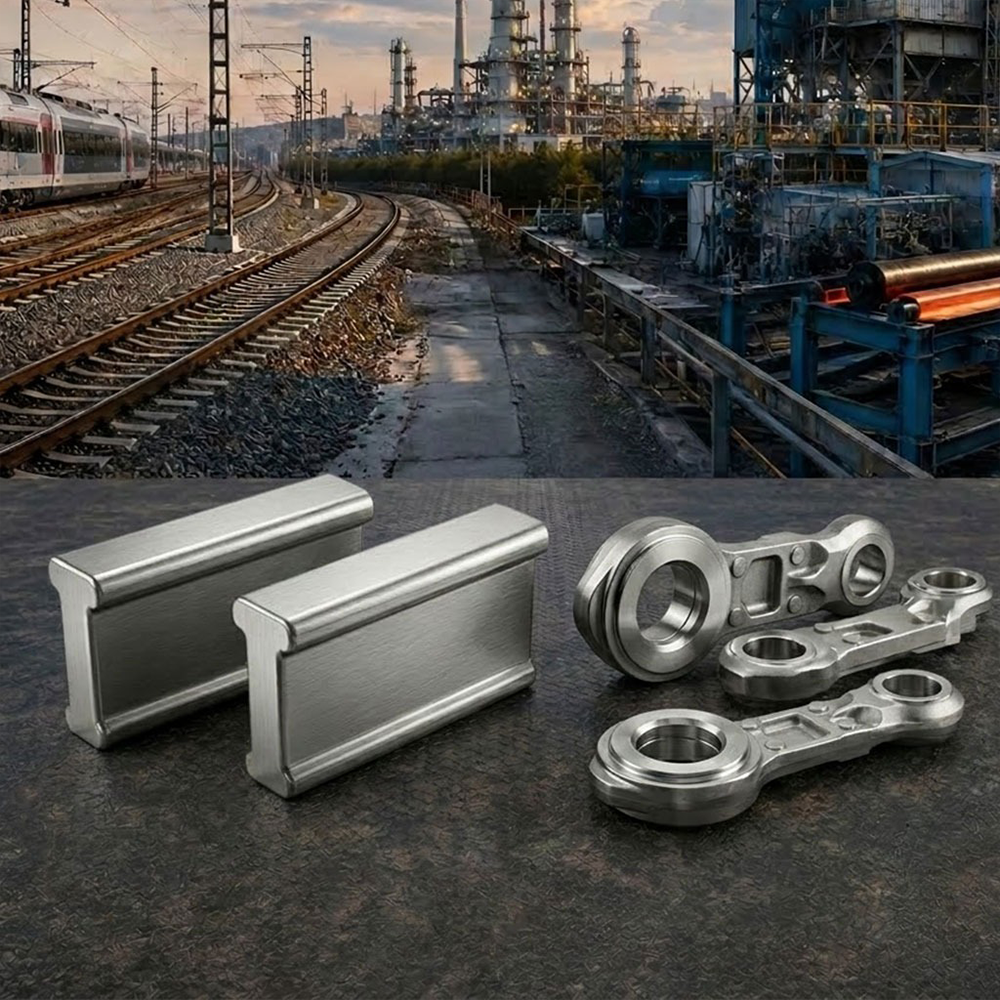
Forging Supplier for Czech Republic and Central Europe: Defence and Industrial
The Czech Republic is Central Europe’s most industrially developed economy — home to Czechoslovak Group (CSG, defence systems), Skoda Transportation (rail vehicles), Doosan Skoda Power (steam turbines), and an extensive automotive supply chain. The Czech defence industry‘s expansion driven by NATO membership and the Czech government’s commitment to 2% GDP defence spending creates demand for […]
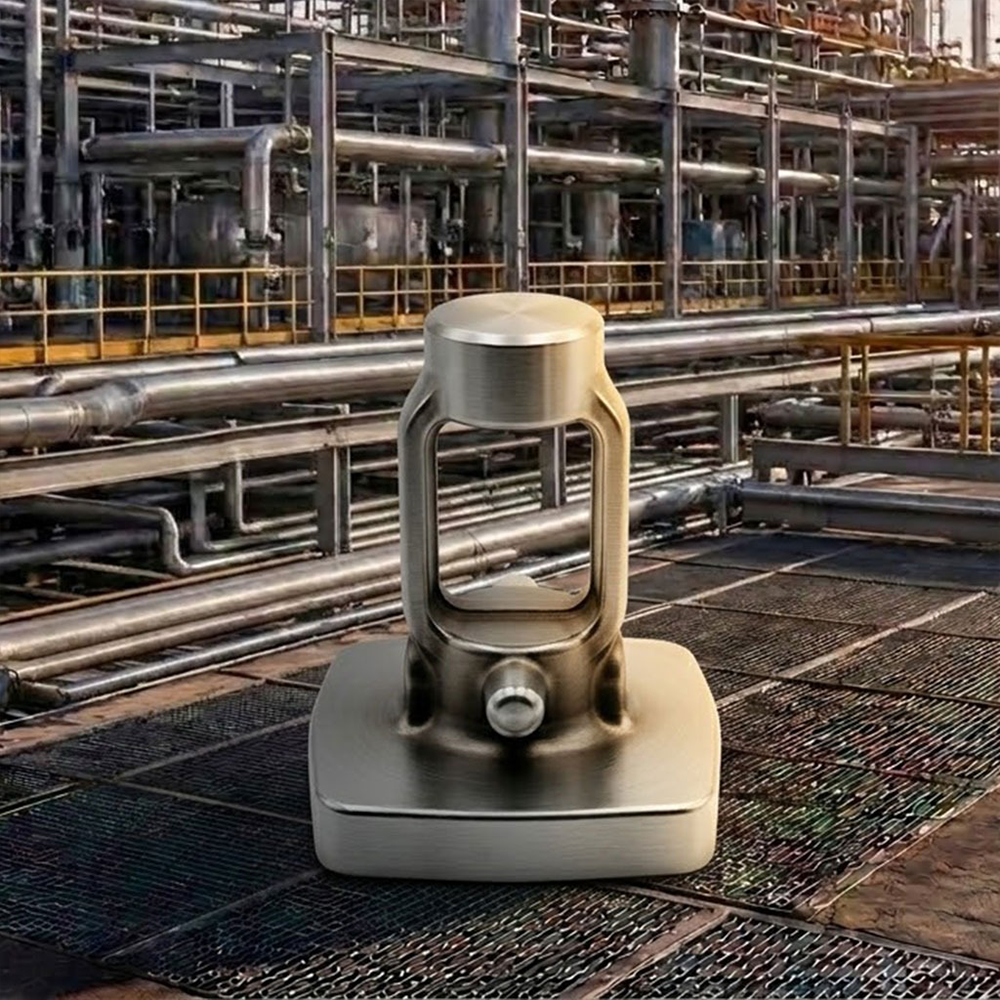
Forging Supplier for Global Heat Exchanger anufacturers: TEMA and ASME VIII Applications
Heat exchangers — the thermal energy transfer equipment found in every refinery, petrochemical plant, power station, and LNG facility are among the largest consumers of forged steel components in the global industrial equipment market. Each shell-and-tube heat exchanger (the most common industrial type) contains forged channel flanges, shell nozzle forgings, tubesheet forgings, and closure head […]
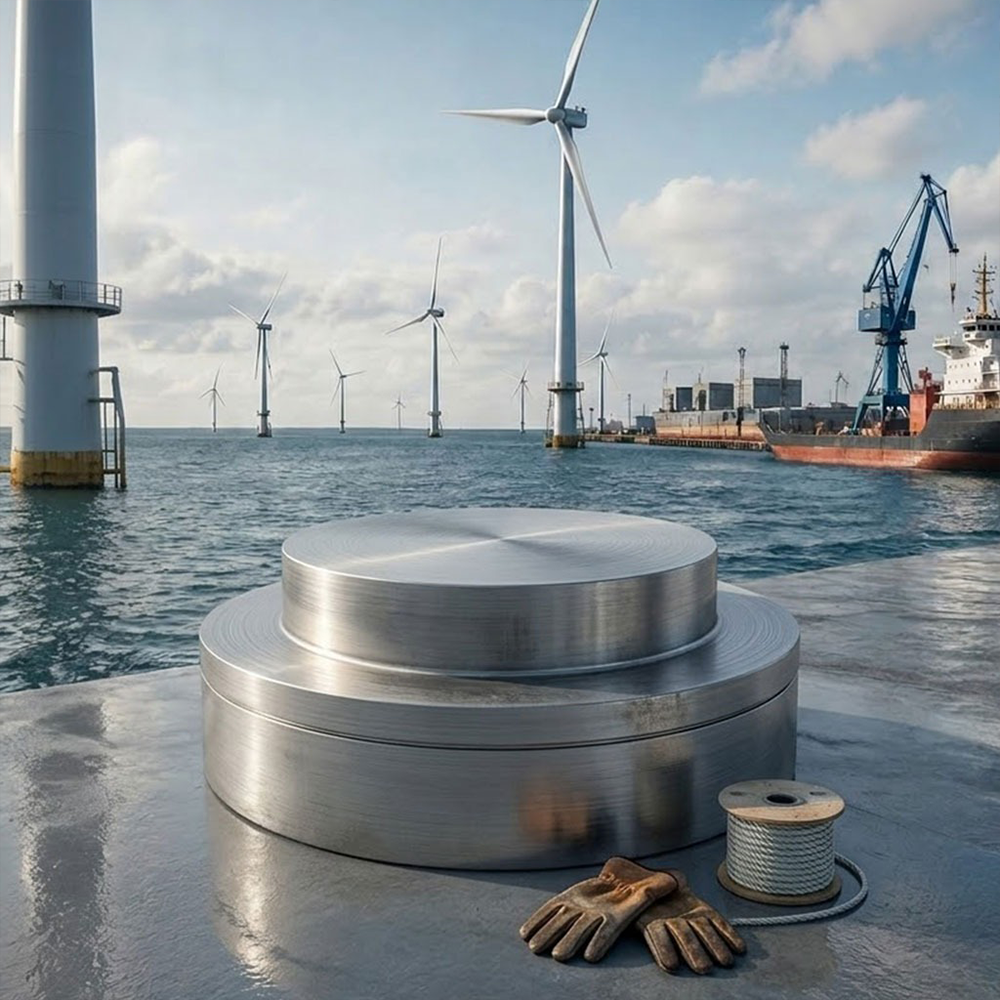
Forging Supplier for Denmark and Scandinavia: Offshore Wind and Marine Industry
Denmark is the birthplace of the modern offshore wind industry — Ørsted (formerly DONG Energy) pioneered the world’s first offshore wind farm at Vindeby in 1991 and today operates the world’s largest offshore wind portfolio. Denmark’s maritime and offshore industries Maersk (shipping), MAN Energy Solutions (marine engines), Vestas (wind turbines), and FORCE Technology (marine testing) […]
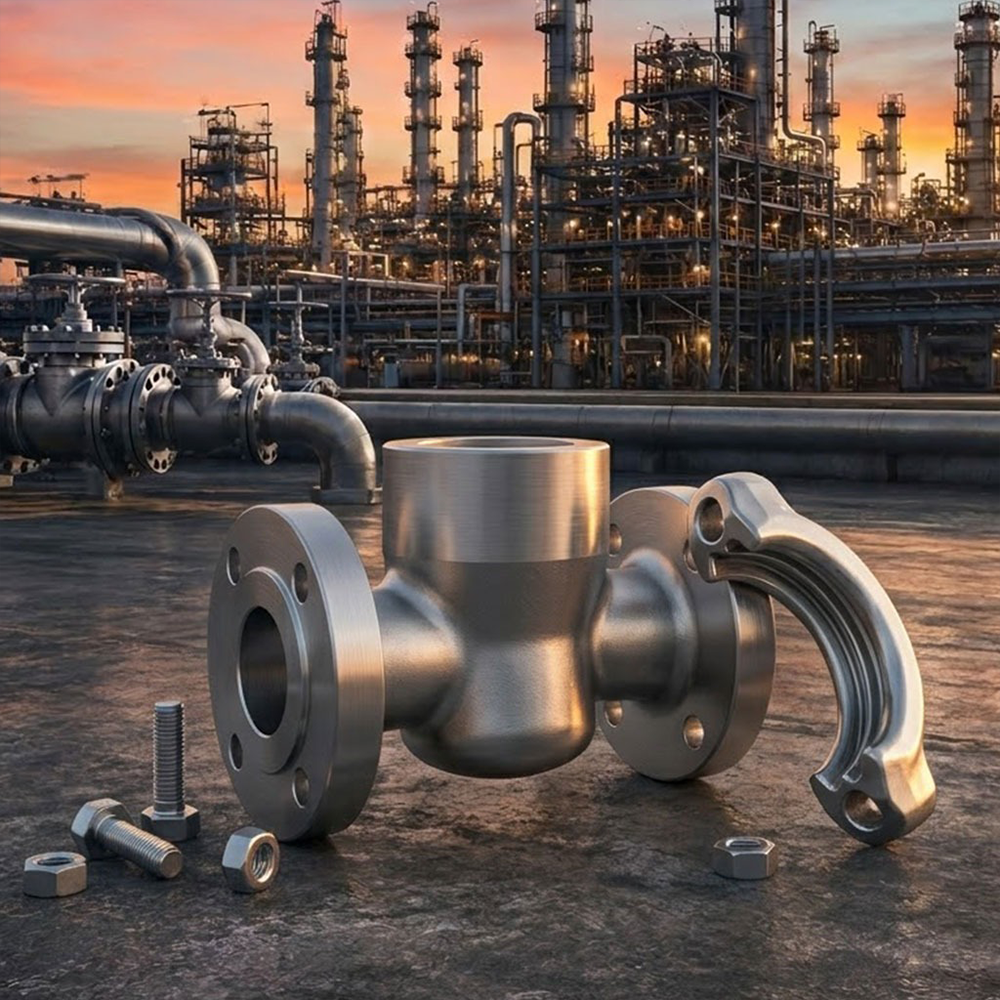
Forging Supplier for Global Valve Manufacturers: API 6D and API 600 Applications
Industrial valves — the flow control devices in oil and gas pipelines, petrochemical process systems, power generation, and water treatment are among the largest consumers of forged steel components in the industrial sector. API 6D (pipeline valves), API 600 (bolted bonnet steel gate valves), and ASME B16.34 govern the most widely used valve categories globally. […]
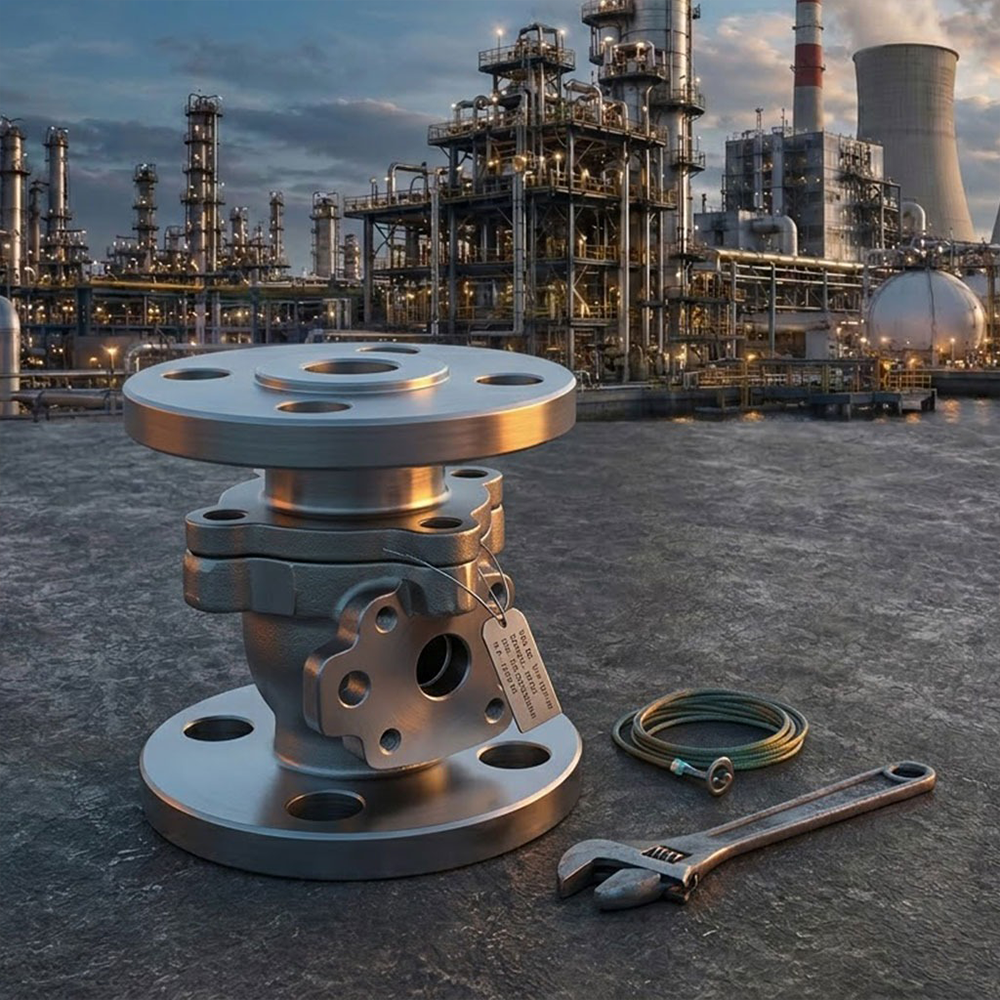
Pressure Vessel Nozzle Forging Supplier for Global Petrochemical and Power
Pressure vessels — the large cylindrical or spherical steel containers that hold gases and liquids at elevated pressure in refineries, petrochemical plants, LNG facilities, and power stations contain multiple forged nozzle connections where piping enters and exits the vessel. Each pressure vessel nozzle forging is an ASME VIII Division 1 or Division 2 compliant component, […]