
Forging Supplier for Global Wind Energy OEMs: Vestas, Siemens Gamesa, and GE Vernova
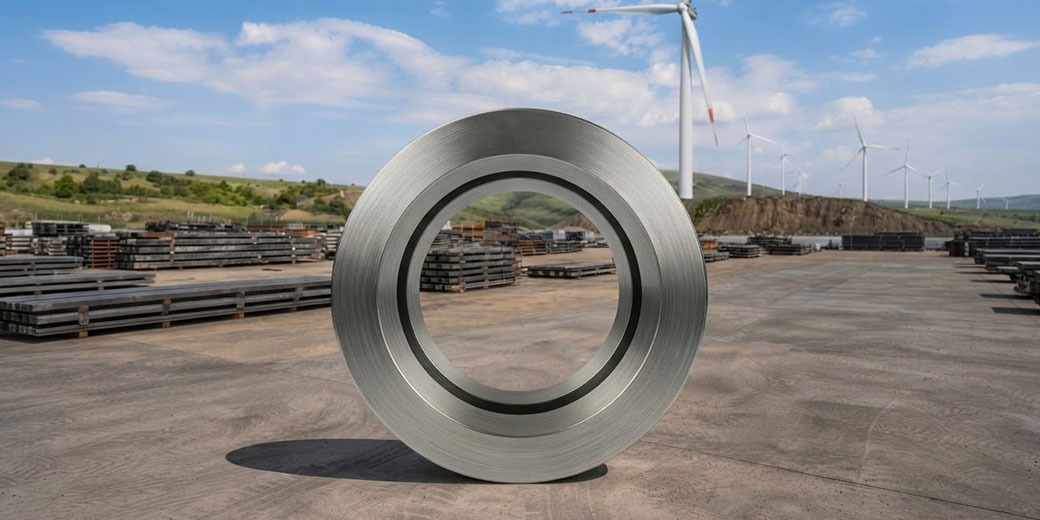
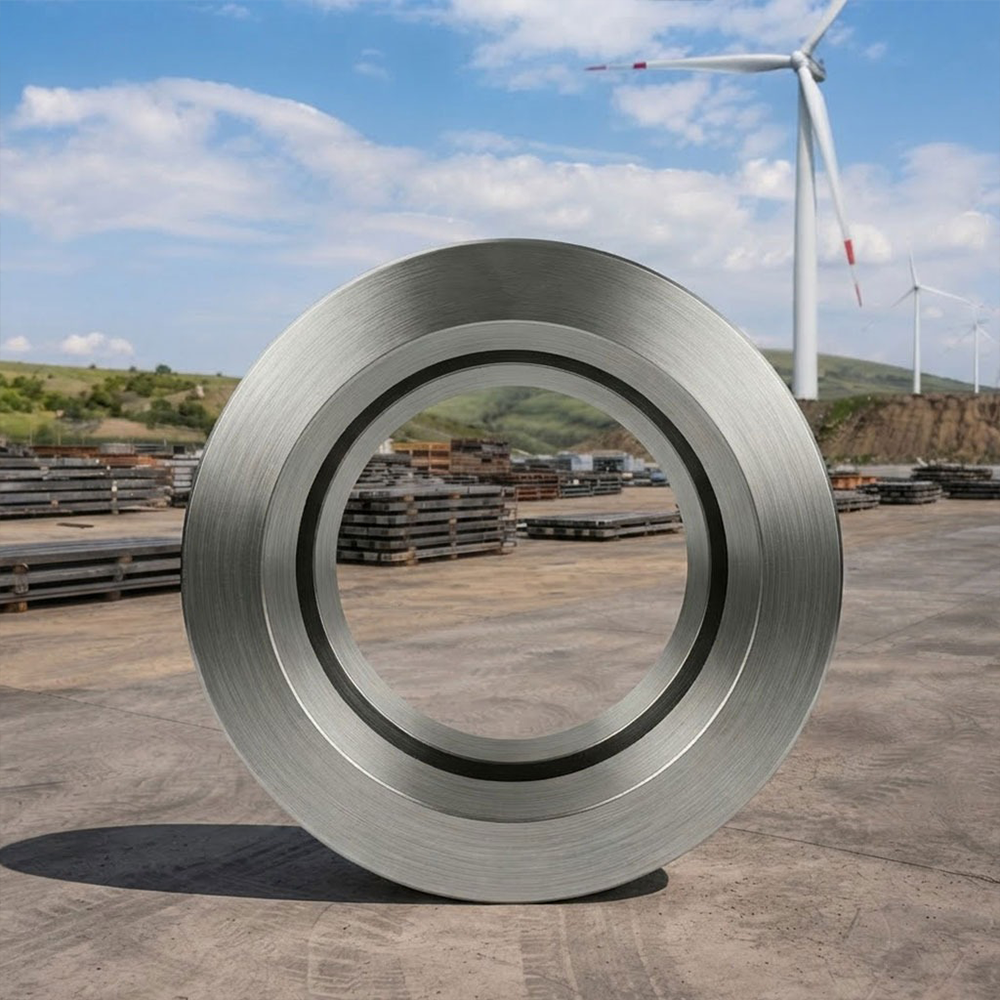
Vestas (Denmark), Siemens Gamesa (Spain), and GE Vernova (USA) are the world’s three largest wind turbine OEMs together supplying approximately 60% of global wind turbine installations annually. Each wind turbine model requires ring-rolled tower flanges (S355NL, Ø1,500–6,000mm), bearing rings (42CrMo4 slew rings for nacelle rotation and pitch control), and structural fittings that are procured through the OEM’s global supply chains. Indian ring rolling manufacturers with ISO 3834 quality systems, S355NL Charpy at -50°C, and established OEM approval are positioned to supply global wind energy forging demand at 20–30% cost advantage over European ring rolling supply.
| OEM | Key Turbine Platform | Tower Flange OD | Bearing Ring Material |
| Vestas (Aarhus) | V162-6.2 MW (onshore), V236-15 MW (offshore) | Ø2,500mm (V162) / Ø5,500mm (V236) | 42CrMo4 slew ring |
| Siemens Gamesa (Zamudio) | SG 5.0-145 (onshore), SG 14-236 DD (offshore) | Ø2,800mm (SG5.0) / Ø5,500mm (SG14) | 42CrMo4 slew ring |
| GE Vernova (Schenectady) | GE 3.x series (onshore), Haliade-X 14 MW (offshore) | Ø2,500mm (3.x) / Ø5,000mm (Haliade) | 42CrMo4 slew ring |
| Envision (Xi’an) | EN-156 6.X (onshore) | Ø2,400mm | 42CrMo4 slew ring |
| Goldwind (Urumqi) | GW155/4500 (onshore), GW171-6000 offshore | Ø2,600mm | 42CrMo4 slew ring |
Wind turbine tower flanges are among the highest-volume single forging category globally each wind turbine installation requires 3–6 tower section flanges (depending on tower height and section count), plus a transition piece flange connecting the tower to the monopile foundation. At 100,000+ wind turbine installations per year globally, the annual demand for tower flanges is approximately 400,000–600,000 individual ring-rolled forgings in S355NL one of the largest single forging market categories by volume.
The S355NL specification — EN 10025-3 Grade S355NL, a normalised fine-grain structural steel with guaranteed impact properties at -50°C is the near-universal material for wind turbine tower flanges globally. The ‘L’ designation means the material meets a minimum Charpy energy of 27 J at -50°C ensuring adequate toughness in the coldest expected offshore operating conditions. Some offshore wind developers in sub-Arctic regions specify impact testing at -60°C as a supplementary requirement. The Charpy test at -50°C is the primary quality gate that differentiates specification-compliant S355NL ring rolling manufacturers.
Vestas — headquartered in Aarhus, Denmark is the world’s most installed wind turbine OEM with 160+ GW of cumulative installations. Vestas’s flange qualification process requires: ISO 9001 quality management, dimensional compliance with Vestas flange drawings, and Charpy impact testing results at -50°C submitted with each production lot. Vestas approves flange manufacturers through a technical audit process and periodic surveillance.
Siemens Gamesa — formed by the merger of Siemens Wind Power and Gamesa (Spain) supplies offshore wind turbines including the SG 14-236 DD (direct drive, 14 MW, 236 metre rotor diameter). The SG 14-236 DD’s tower base flange is Ø5,500mm above Vinir’s current Ø4,500mm capacity. However, Siemens Gamesa’s onshore platforms (SG 5.0-145, SG 6.0-170) use tower flanges in the Ø2,500–3,500mm range, and intermediate tower section flanges for the SG 14-236 DD are Ø3,500–4,500mm within Vinir’s capacity.
Vinir Capability
- Ring rolling to Ø4,500mm OD for S355NL wind turbine tower flanges and 42CrMo4 bearing rings.
- S355NL normalised and fine-grain per EN 10025-3 with NABL Charpy at -50°C (minimum 27 J average, no individual below 20 J).
- 42CrMo4 through-hardened bearing rings per ISO 6336 with hardness gradient verification 28–34 HRC.
- Dimensional tolerances per Vestas, Siemens Gamesa, and GE Vernova flange drawings.
- ISO 9001 and AS9100D quality systems both accepted by wind OEMs.
- Batch CMM dimensional inspection.
- Certificate of conformance per OEM-specific format.
- TPI by Bureau Veritas and DNV.
- Annual production capacity approximately 3,000 tonnes of S355NL ring-rolled flanges.