

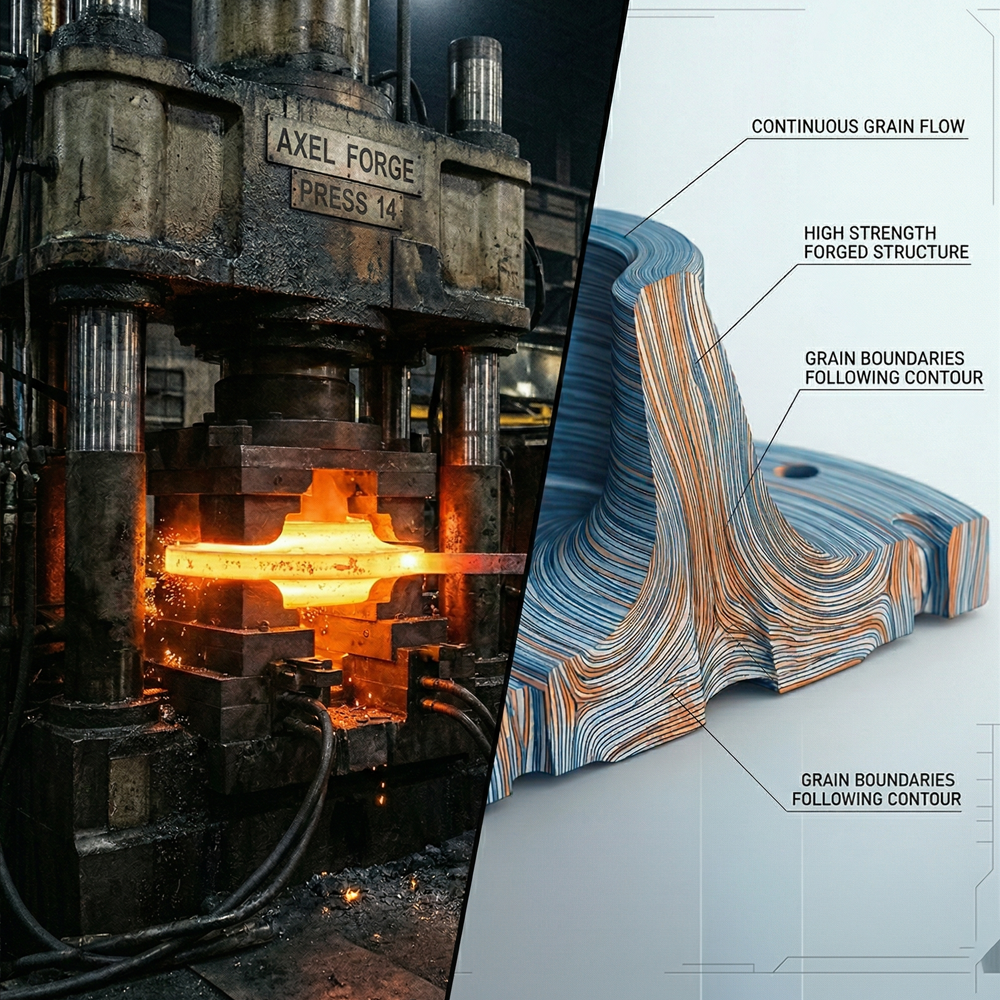
Metallurgical control in forging manufacturing: grain flow, reduction ratios, and mechanical integrity
In critical industrial applications, forging is not merely a shaping process. It is a controlled metallurgical transformation. The structural integrity of forged components depends on how metal is plastically deformed, how grain structure is manipulated, and how internal discontinuities are eliminated during forging. For industries such as oil & gas, aerospace, defence, nuclear, marine, and […]
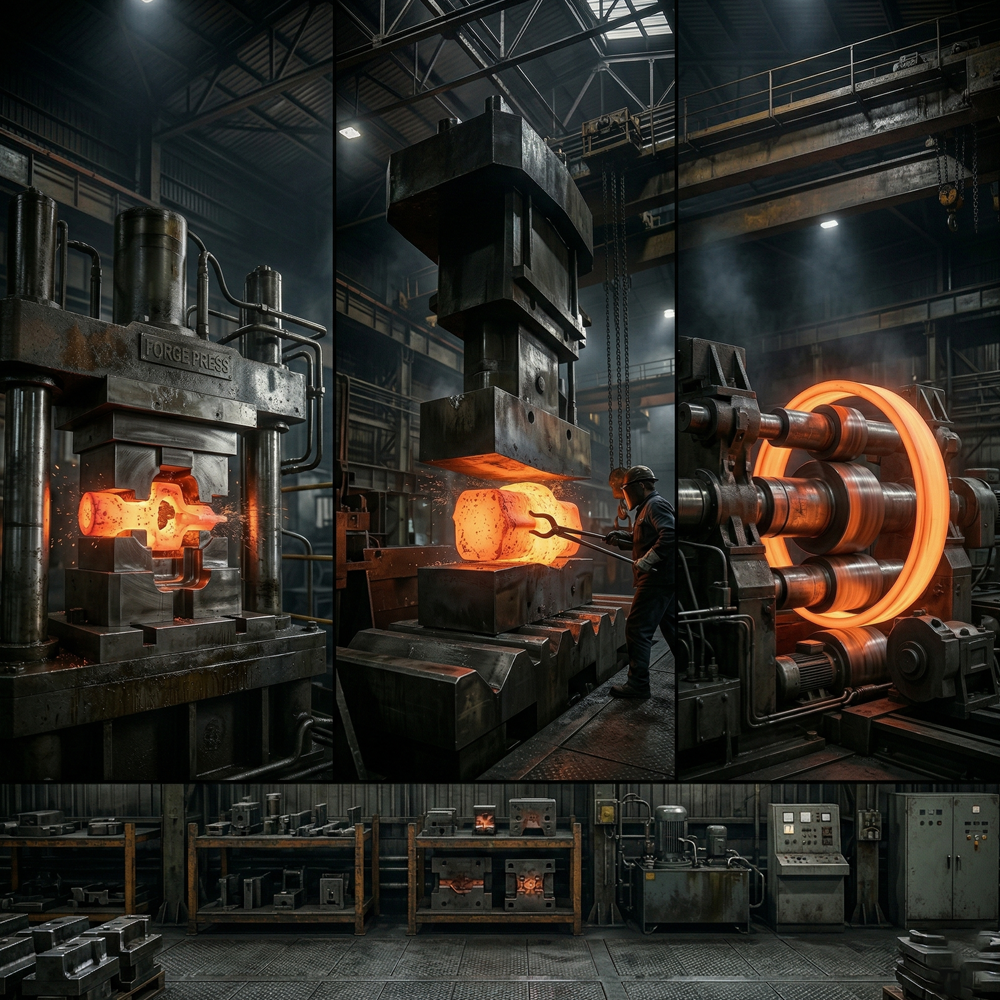
Industrial forging processes explained: closed die, open die, ring rolling and selection criteria
Introduction Forging remains one of the most critical manufacturing processes for producing high-strength industrial components used in oil & gas, aerospace, defence, nuclear, marine, railway, and heavy equipment applications. However, selecting the right forging process is not simply a matter of size or cost. Closed die forging, open die forging, and ring rolling each produce […]
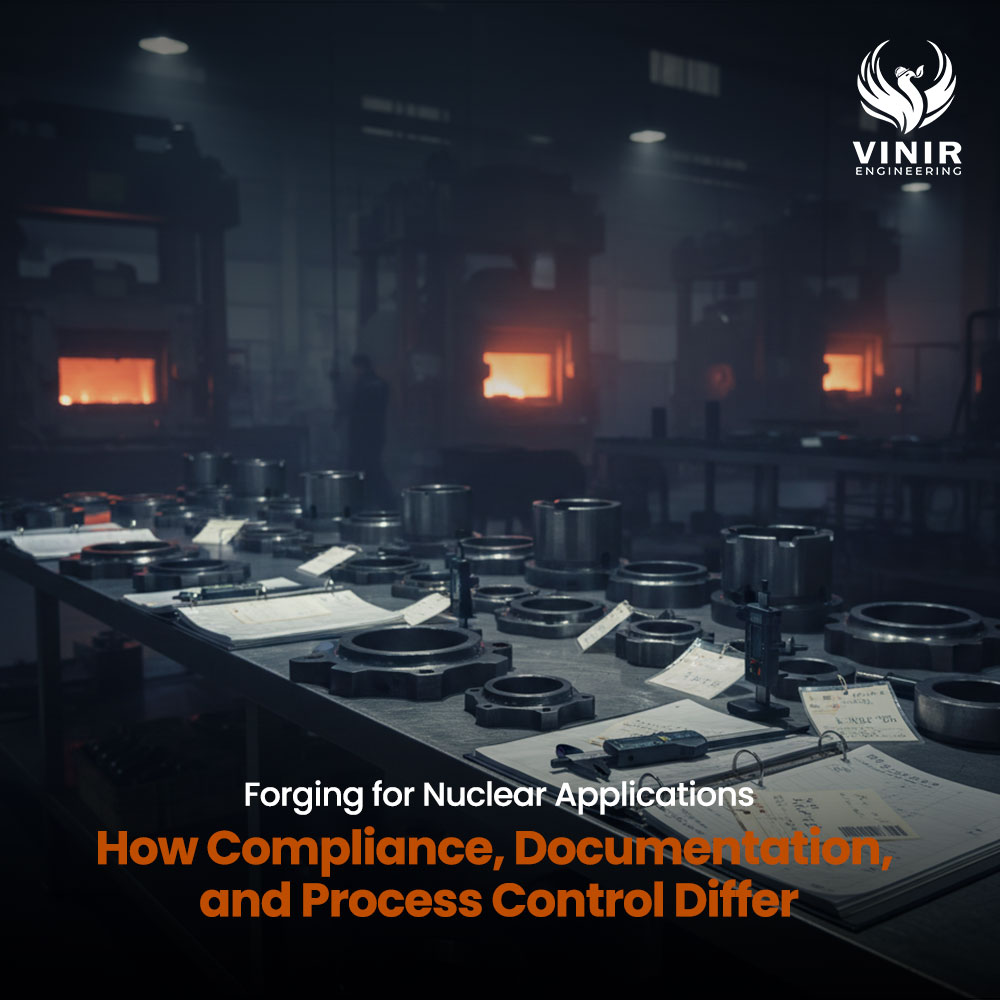
Forging for nuclear applications: how compliance, documentation, and process control differ
Why Nuclear Forging Is Treated as a Separate Class Entirely In nuclear programs, failure is not an option, not technically, not procedurally, and not administratively. Unlike other critical industries, nuclear buyers assume: As a result, forging for nuclear applications operates under a different risk philosophy: Prevent uncertainty, even at the cost of efficiency. How Nuclear […]
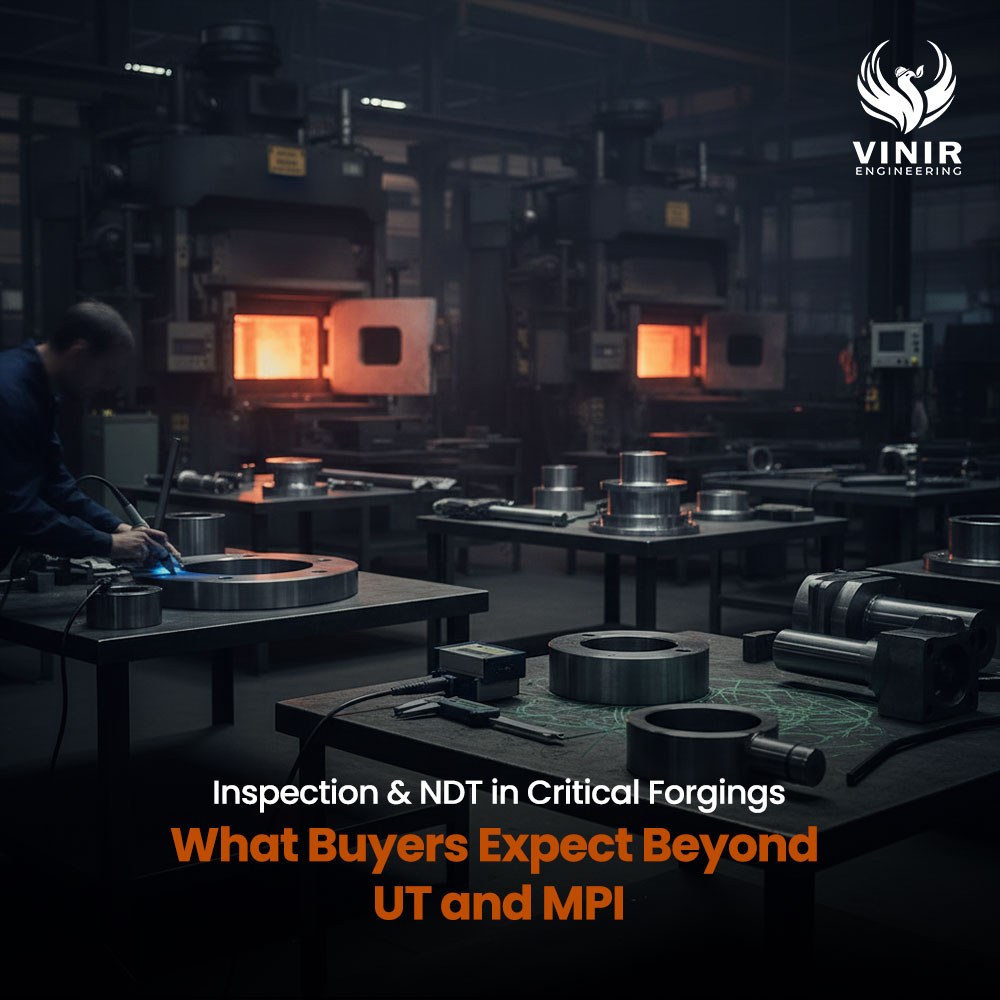
Inspection & ndt in critical forgings: what buyers expect beyond ut and mpi
Why Inspection Is Treated as a Risk Control, Not a Formality In defence, aerospace, oil & gas, nuclear, and energy programs, inspection exists for one reason:to prevent latent defects from entering service. Buyers assume: As a result, inspection is designed to challenge assumptions, not confirm them. Why UT and MPI Alone Are Often Not Enough […]
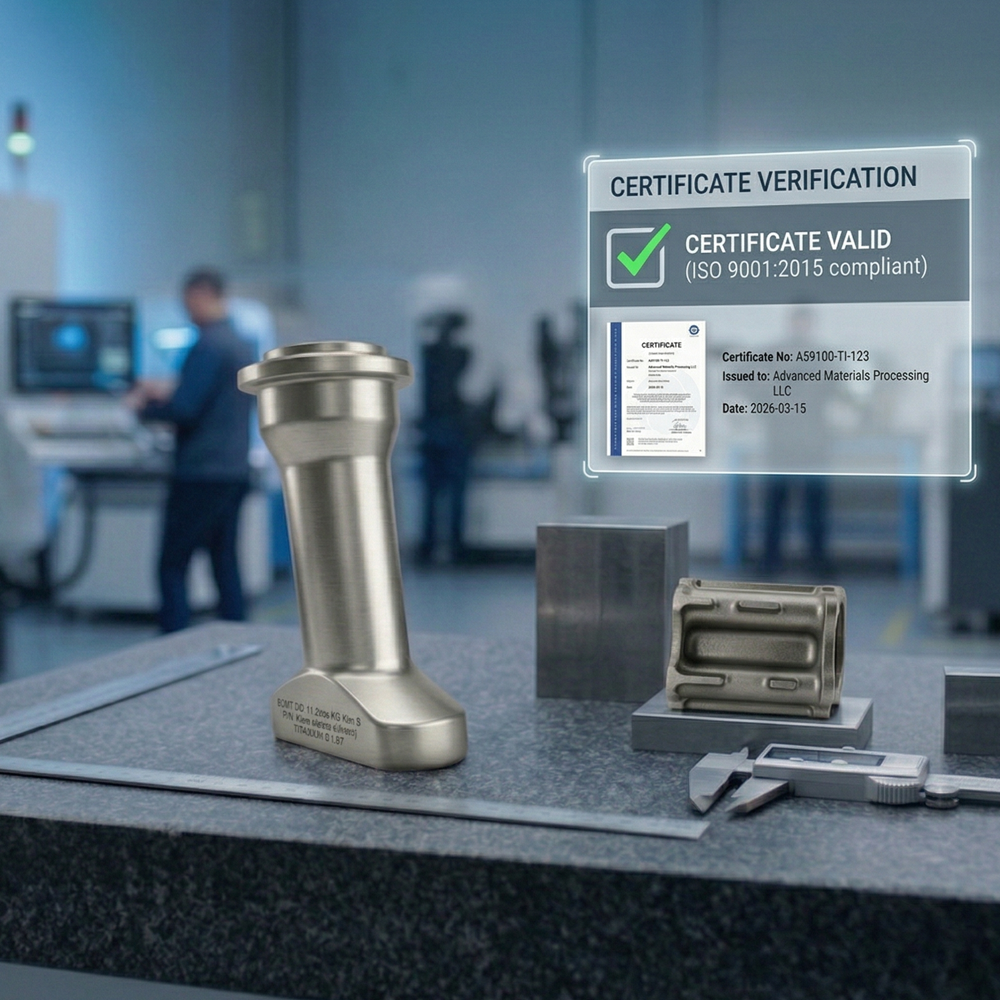
Forging for defence programs: why qualification takes years and capacity alone isn’t enough
Why Defence Qualification Is Designed to Be Slow Defence procurement systems are not inefficient by accident, they are intentionally conservative. Buyers assume: As a result, qualification is structured to filter out short-term capability and validate long-term dependability. Why Capacity Is a Weak Signal in Defence Forging Large presses, automation, and throughput impress commercial buyers. Defence […]
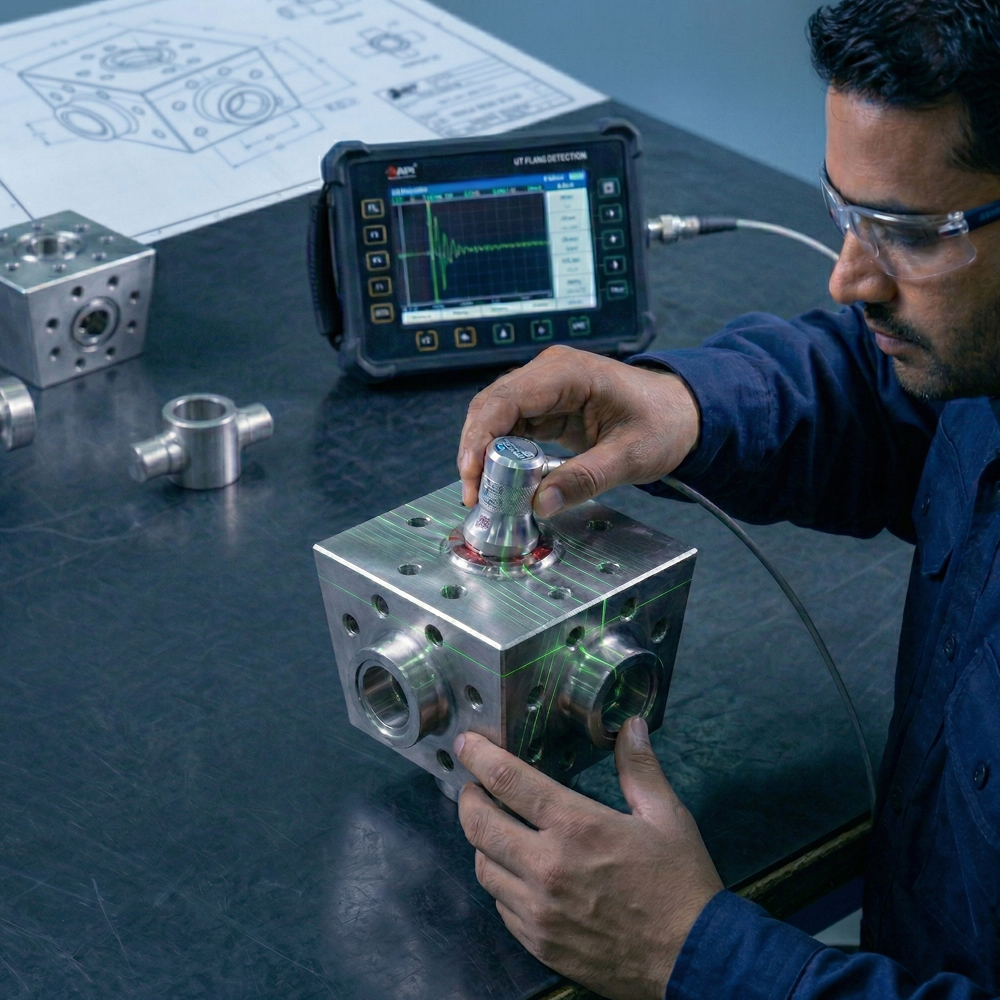
Forging for oil & gas applications: what api buyers actually qualify and what they reject
Why API Certification Is Only the Starting Point In oil & gas supply chains, API certification opens the door, it does not secure approval. Buyers understand that: As a result, buyers qualify suppliers using API standards as a baseline, then apply much stricter internal filters. How API Buyers Think About Risk Oil & gas buyers […]
Supplier risk in critical forging programs: how oems evaluate long-term reliability
Why Supplier Risk Is a Board-Level Concern in Critical Programs In critical industries, supplier failure is not an operational inconvenience, it is a program-level risk. OEMs understand that: As a result, OEMs evaluate forging suppliers through a long-term reliability lens, not short-term performance metrics. How OEMs Define “Supplier Risk” in Forging Programs Supplier risk is […]
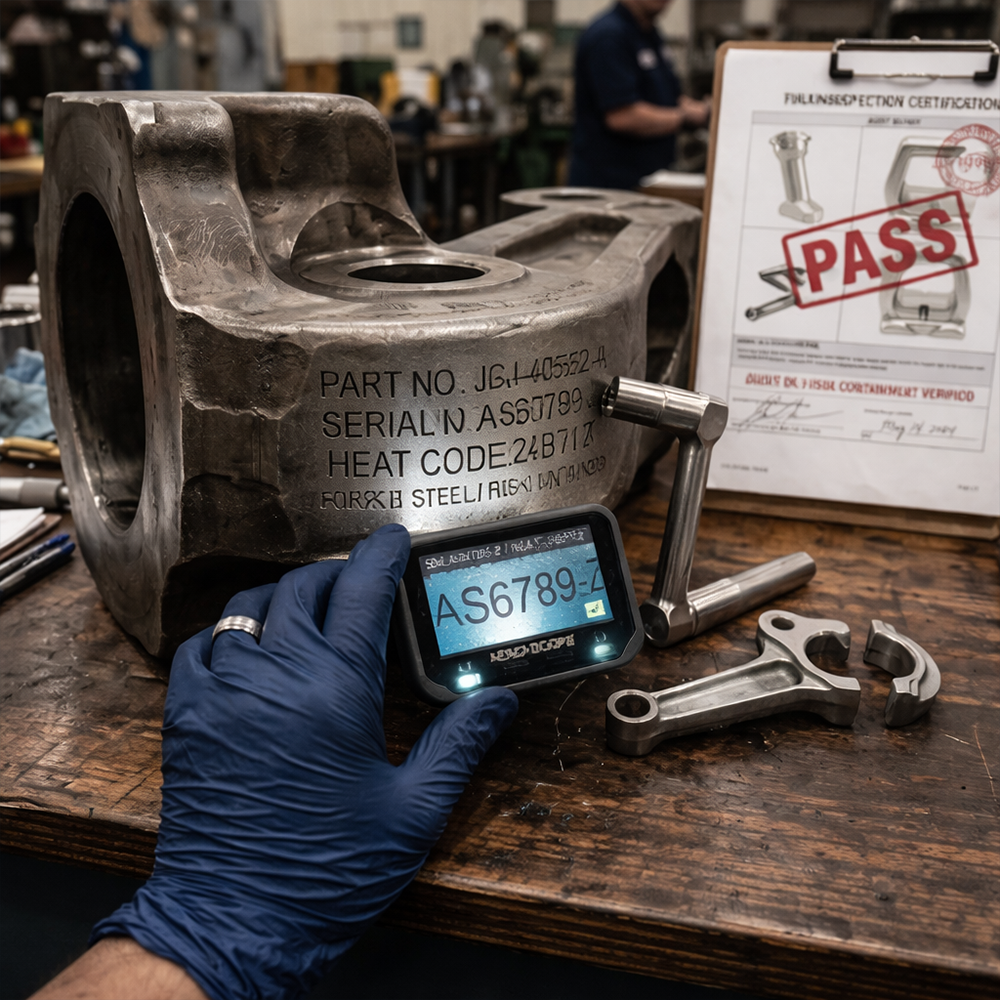
Why aerospace & defence buyers avoid automotive-optimized forging suppliers
Why This Comparison Matters to Buyers At first glance, automotive forging suppliers appear attractive: Yet many aerospace and defence buyers intentionally exclude automotive-optimized suppliers during qualification. This is not about capability gaps, it is about system misalignment. Aerospace and defence supply chains are designed to minimize long-term risk, not maximize efficiency. Automotive Forging and Critical […]
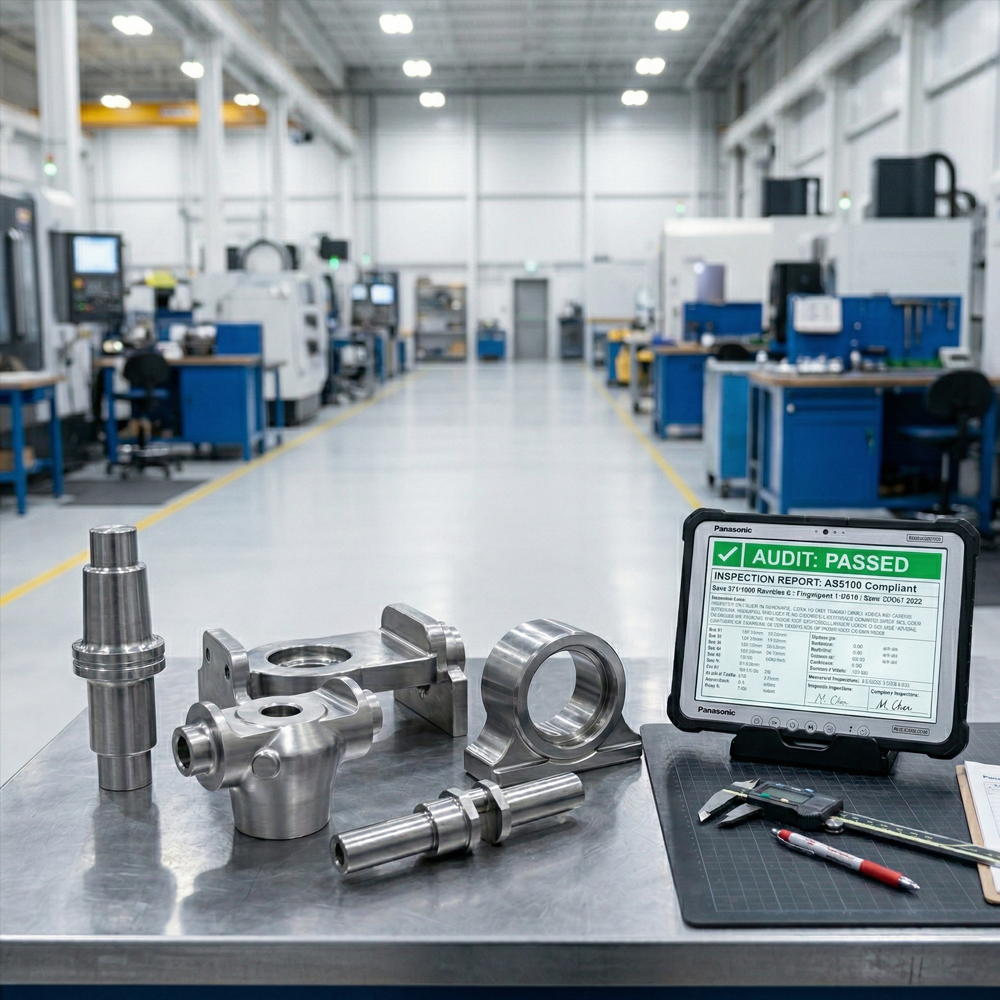
What makes a forging supplier audit-ready for global certifications
Why “Audit-Ready” Is Not the Same as “Certified” Many forging suppliers hold certifications. Far fewer are audit-ready. Global certifications such as API, AS9100D, PED AD2000, ABS, and IRIS are not static approvals. They require suppliers to demonstrate continuous compliance under real operating conditions. Buyers and auditors do not ask: “Do you have the certificate?” They […]
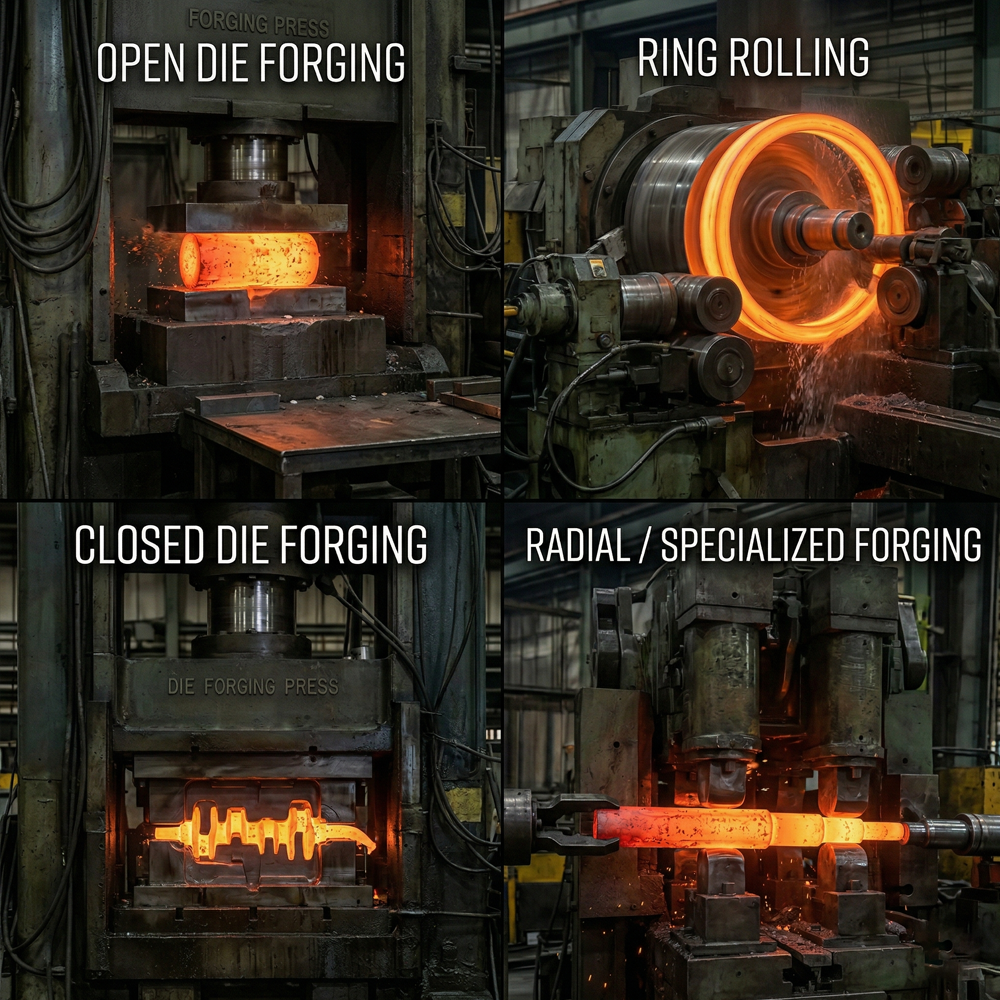
Choosing the right forging process for critical components: a buyer’s decision framework
Why Process Selection Is a Buyer Risk Decision Not a Manufacturing Choice In critical industries, forging process selection is not an operational detail, it is a risk decision. A component can meet: …and still fail in service, audits, or qualification reviews if the wrong forging process was chosen upstream. This is why experienced buyers and […]
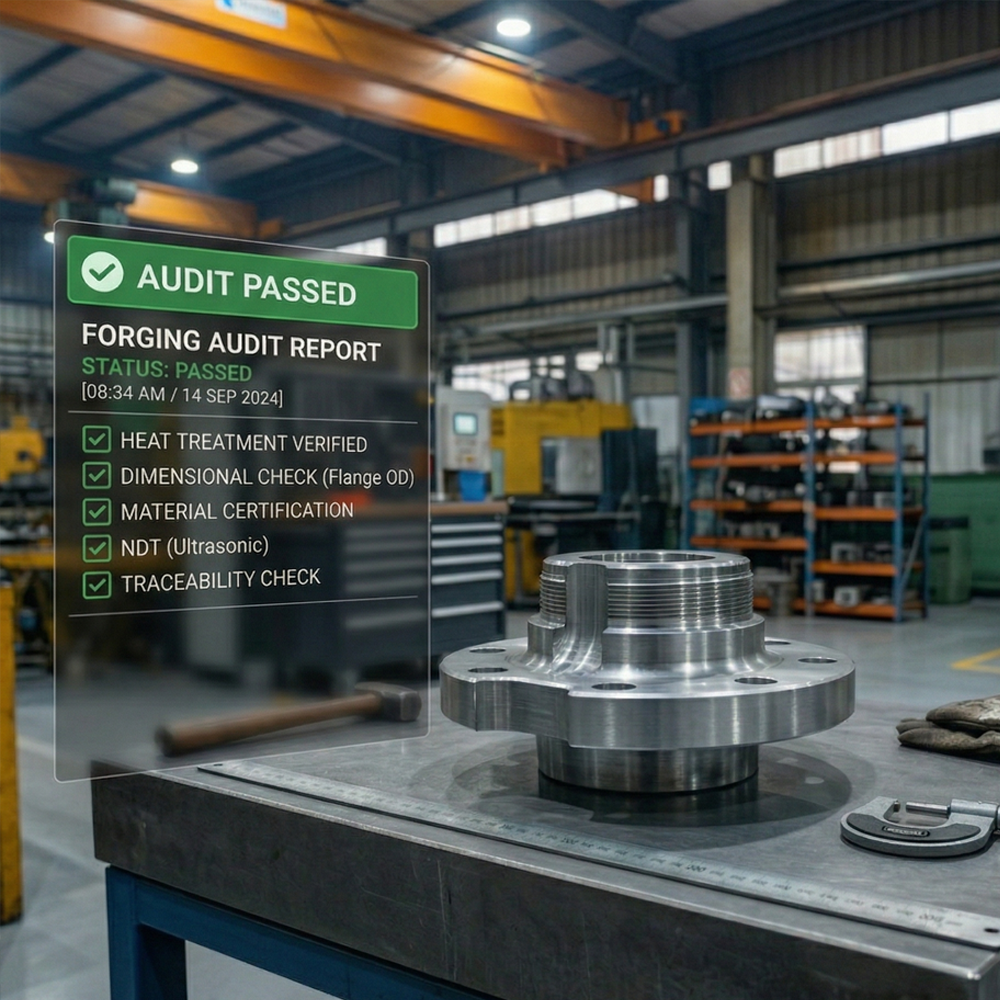
What goes wrong during forging audits and how qualified suppliers avoid ncrs
Why Forging Audits Are Designed to Find Weaknesses Audits in defence, aerospace, oil & gas, and nuclear supply chains are not ceremonial. They are structured to answer one question:“Where can this supplier fail under pressure?” Auditors assume: Forging audits therefore focus on system resilience, not presentation quality. Where Forging Audits Most Commonly Break Down 1. […]
Why high-mix, low-volume forging breaks standard production models
Why Most Forging Shops Are Built for the Opposite Traditional forging operations are optimized for: High-mix, low-volume (HMLV) programs break these assumptions entirely. Instead of efficiency through repetition, they demand control through discipline. What “High-Mix, Low-Volume” Really Means in Critical Forging In critical industries, HMLV typically involves: Success here depends less on machines — and […]