

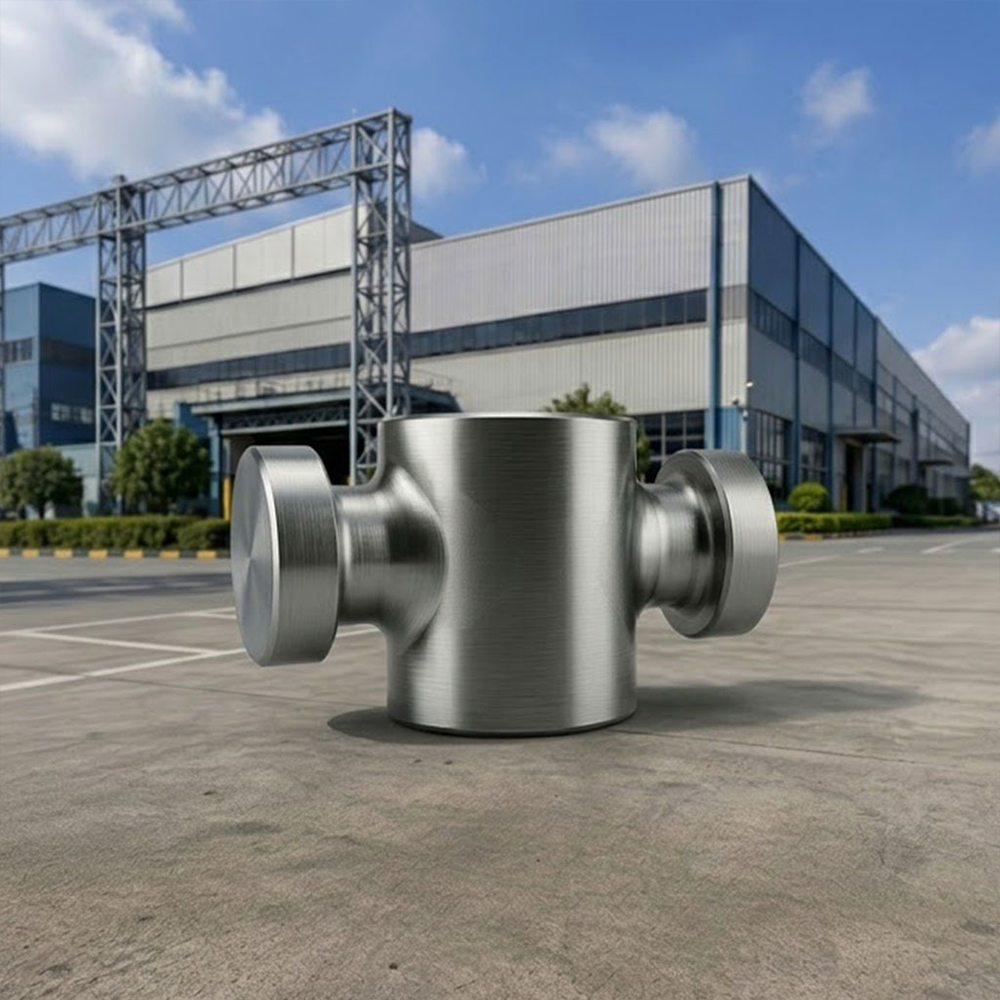
Closed Die Forging Manufacturer India: Process, Capability, and Critical Industry Supply
Closed die forging — shaping heated metal within matched dies that fully enclose the forging cavity is the production method for complex 3D geometry components in aerospace, defence, oil and gas, marine, and railway applications. India is already one of the world’s top five closed die forging exporters; the Indian closed die forging industry produces […]
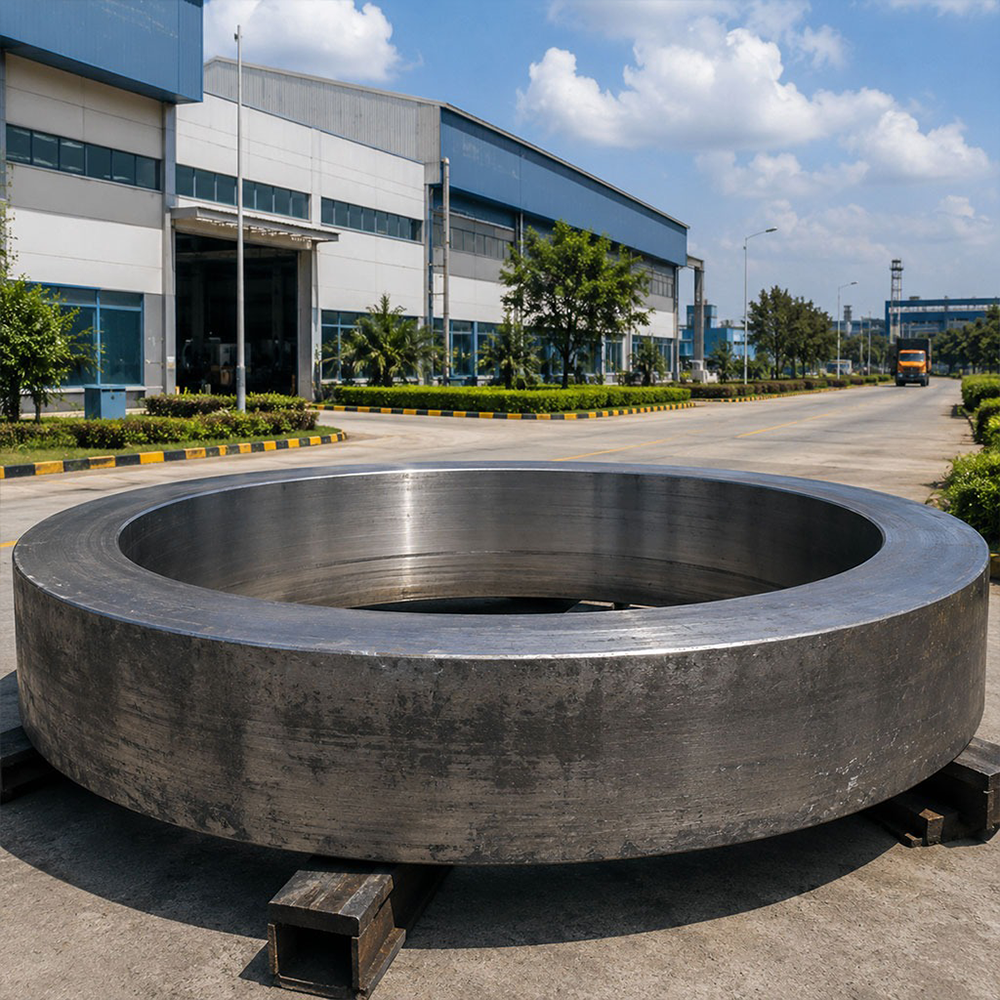
Forging Manufacturer Near Me: Bommasandra and Hosur – Bengaluru Industrial
Bommasandra Industrial Area (Phase 1–4) and the Hosur industrial corridor (Tamil Nadu, 45 km from Bengaluru) are the two manufacturing hubs where Vinir Engineering Limited operates four production facilities. Bommasandra one of Bengaluru’s oldest and most established KIADB industrial zones hosts precision manufacturing, automotive component, aerospace, and defence supply chain companies. Hosur’s Sipcot industri
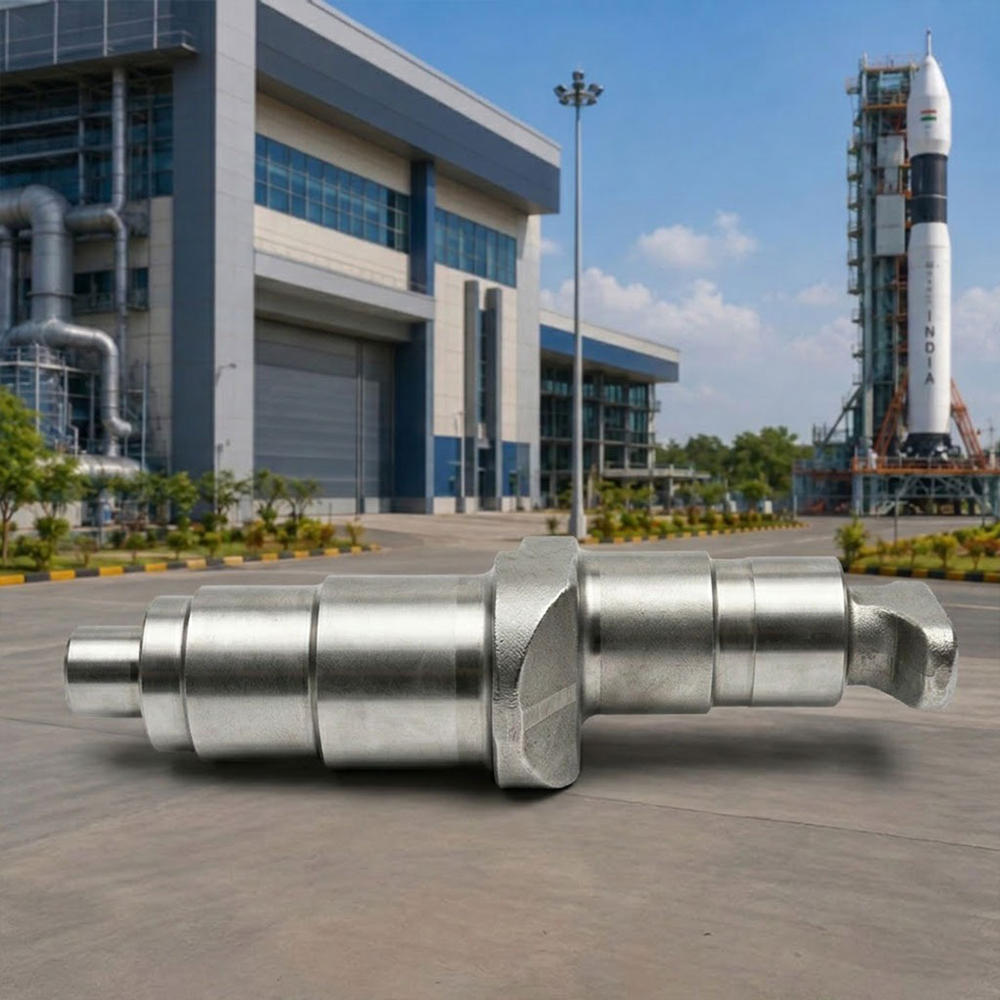
Inconel 718 Forging for Indian Aerospace: GTRE Kaveri, HAL Engine Division, and ISRO
India’s aerospace and space sector — HAL’s Aero Engine Division (Bengaluru), ISRO, and DRDO’s aeronautical laboratories consumes Inconel 718 forged compressor disc, turbine disc, and structural ring components for military aeroengines, launch vehicle propulsion systems, and missile propulsion. The GTRE (Gas Turbine Research Establishment, Bengaluru) developing the Kaveri engine, ISRO’s Vikas liquid
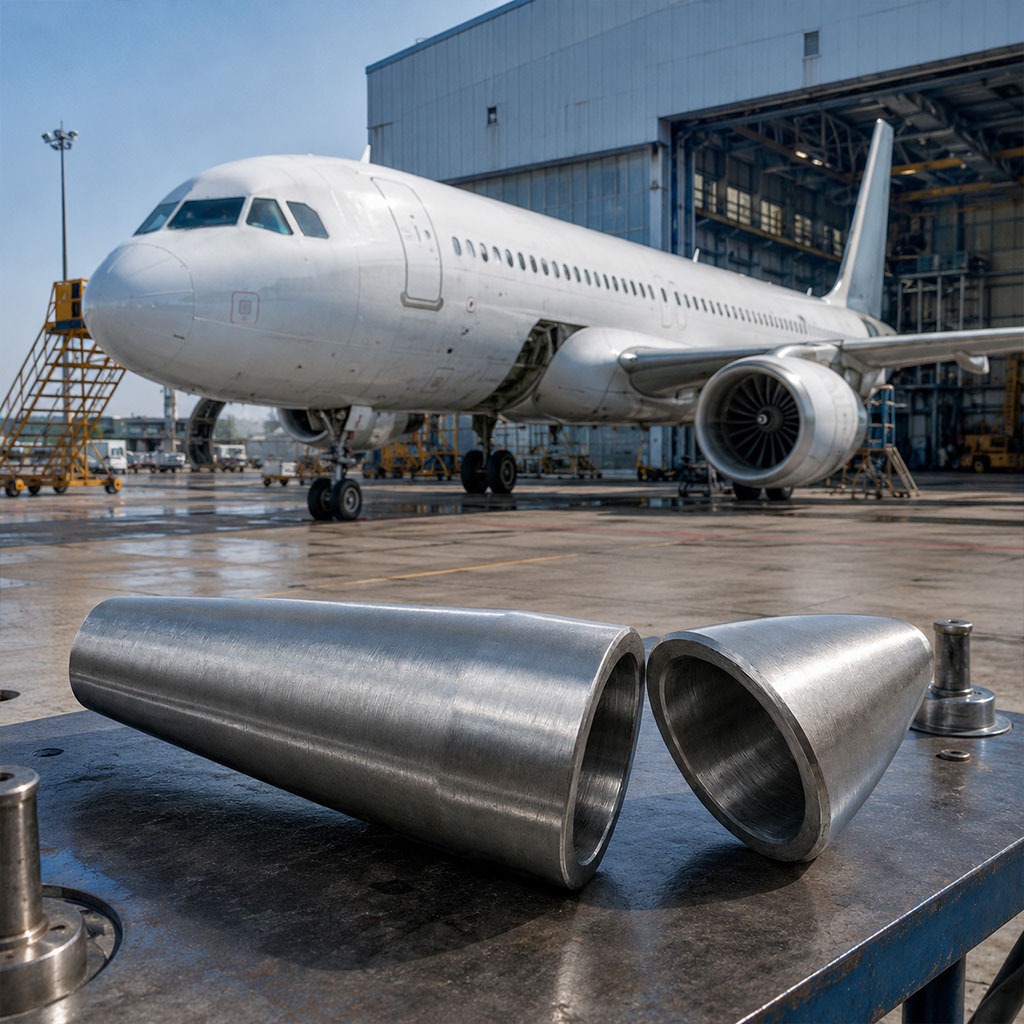
Aerospace MRO Forging Supplier India: HAL MRO, Air India Engineering, GMR Aero
India’s commercial aviation fleet 700+ aircraft operating for IndiGo, Air India, SpiceJet, and Akasa Air generates continuous demand for structural repair forgings as aircraft undergo scheduled heavy maintenance. HAL’s MRO division (Nashik for Sukhoi-30, Bengaluru for helicopters and Tejas), Air India Engineering Services (AIESL), and GMR Aero Technic are the primary Indian MRO operators. AS9100D […]
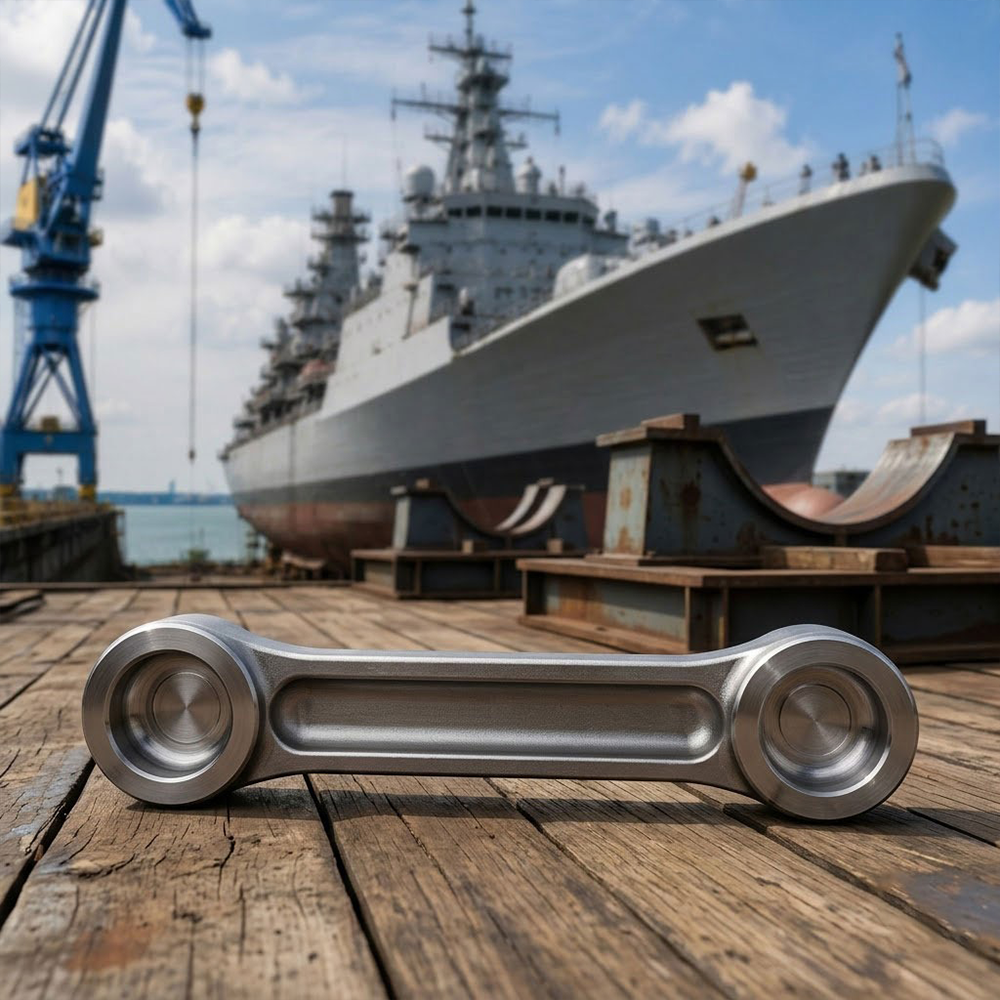
Forging Supplier for India Shipbuilding: Mazagon Dock, GRSE, and Cochin Shipyard
India’s naval and commercial shipbuilding sector — Mazagon Dock Shipbuilders (MDL, Mumbai), Garden Reach Shipbuilders and Engineers (GRSE, Kolkata), Cochin Shipyard Limited (CSL), and Hindustan Shipyard Limited (HSL, Visakhapatnam) is experiencing unprecedented growth driven by the Indian Navy’s 200+ warship construction programme and the government’s Sagarmala initiative. Propulsion shaft forgings, rudde
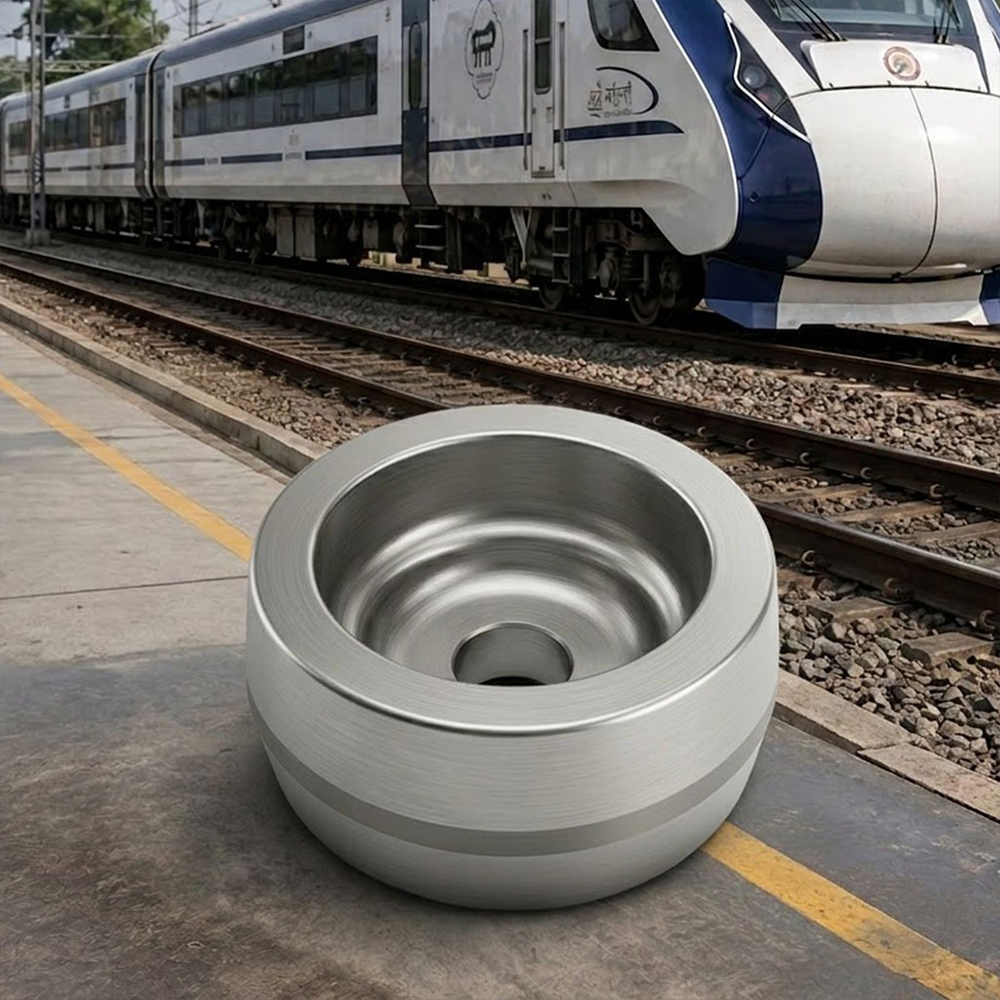
Forging Supplier for Indian Railways: RDSO Approved and IRIS Certified
Indian Railways — the world’s fourth-largest railway network with 65,000+ route kilometres is undergoing its most ambitious modernisation in history: Vande Bharat Express (semi-high-speed), 400 km/h Bullet Trains (Mumbai-Ahmedabad MAHSR), freight corridor upgrades, and metro rail expansion in 20+ cities. RDSO (Research Designs and Standards Organisation) is the technical authority that approves forging suppliers for
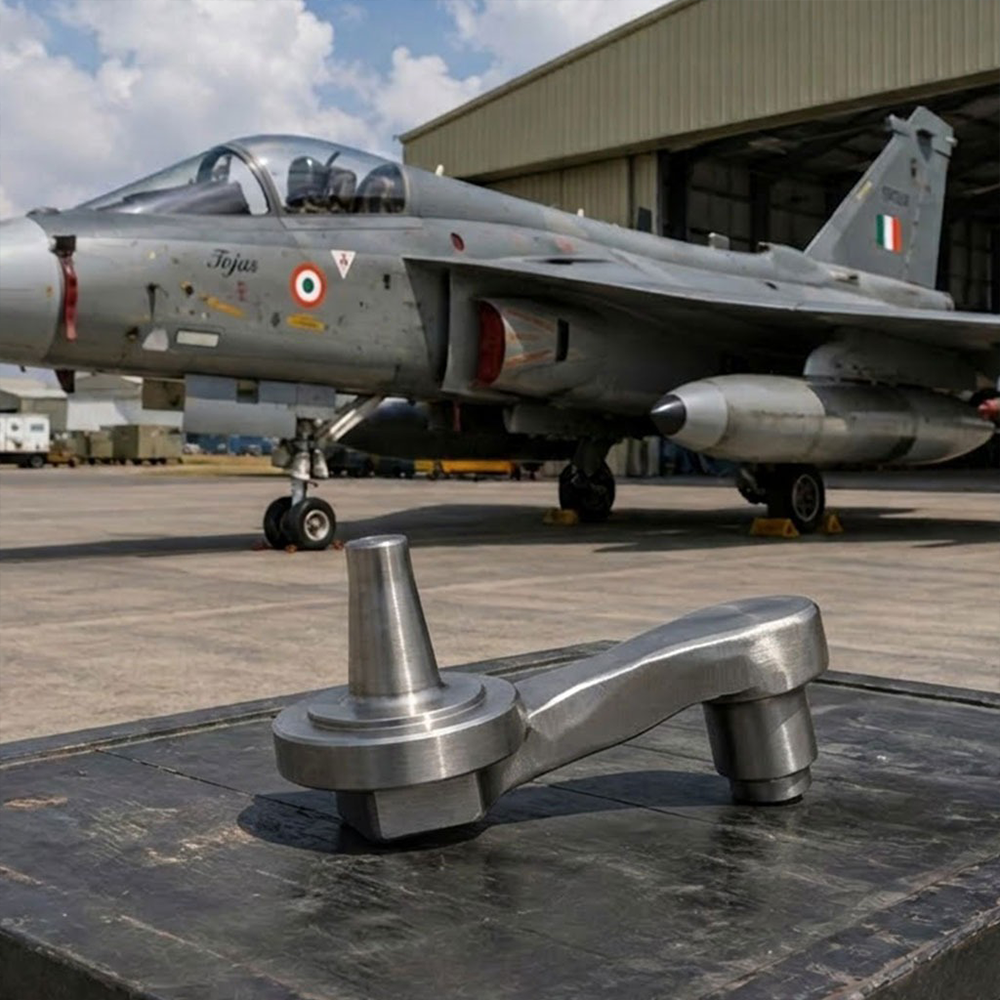
Forging Supplier for India Defence PSUs: DRDO, Ordnance Factories, and HAL
India’s defence industrial base — anchored by DRDO, the seven Defence PSUs (including Munitions India, Armoured Vehicles Nigam, and Advanced Weapons and Equipment India), and HAL is undergoing the most significant transformation since independence. The Atmanirbhar Bharat defence policy, Positive Indigenisation Lists, and Make in India defence procurement are creating sustained demand for AS9100D certified […]
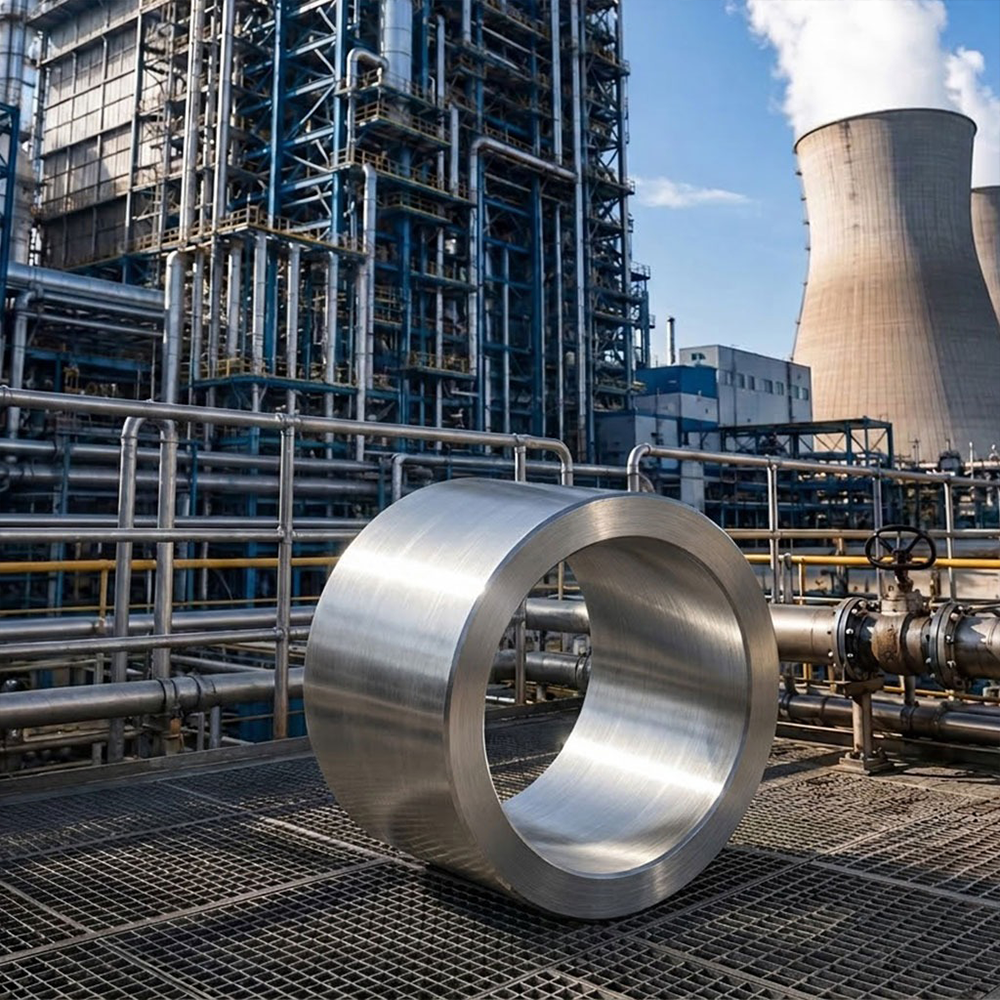
Forging Supplier for India Power Plants: NTPC, Adani, BHEL Supply Chain
India’s power generation sector — 400+ GW of installed capacity operated by NTPC, Adani Power, Tata Power, CESC, and state utilities — is undergoing simultaneous expansion and maintenance of the existing thermal fleet. Turbine rotor disc forgings, valve body forgings for high-pressure steam systems, pressure vessel nozzle forgings for boilers, and pump shaft forgings for […]
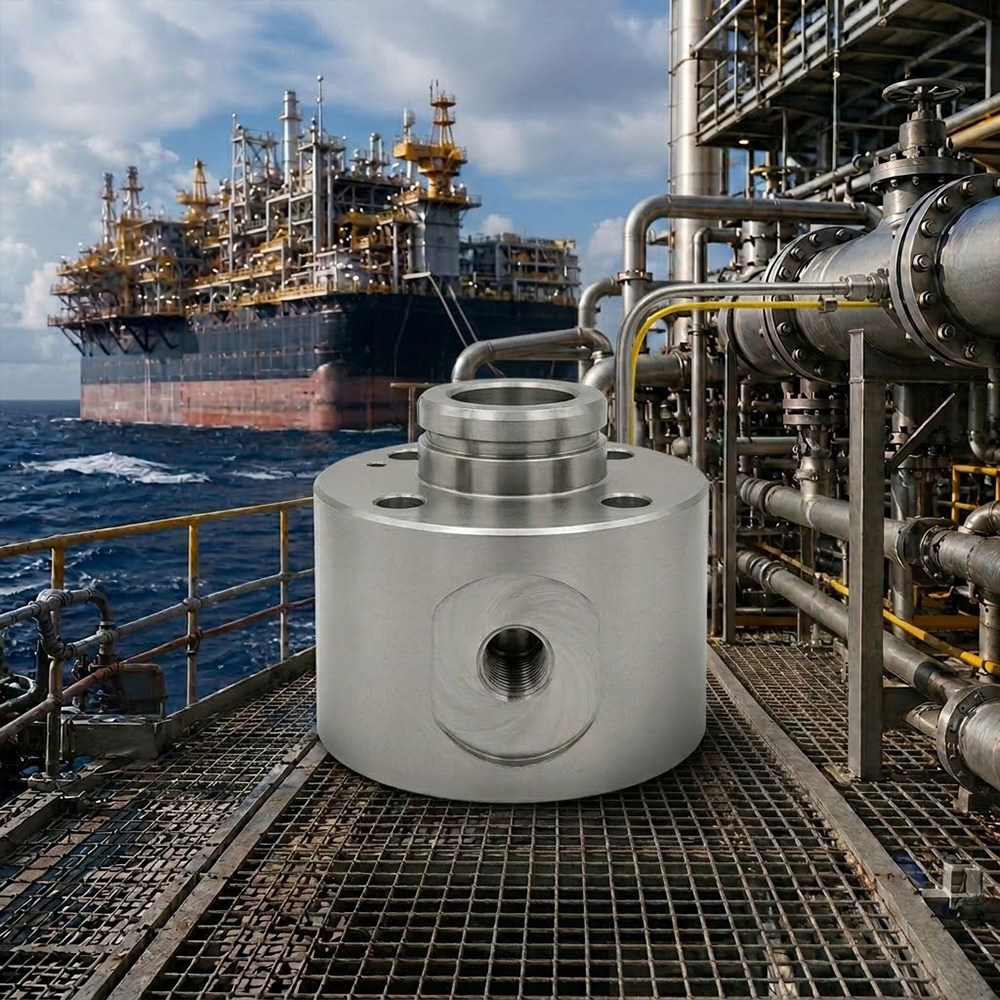
Titanium Forging Supplier for Marine, Offshore, and Chemical Applications
Titanium — specifically commercially pure (CP) grades and Ti-6Al-4V is the material of choice for marine seawater systems, offshore FPSO desalination, chemical processing in oxidising acid environments, and hydrogen electrolyser components. Indian forging manufacturers with titanium forging capability, controlled-atmosphere heating (preventing alpha case), and NABL testing to SB-381 specifications are positioned to supply
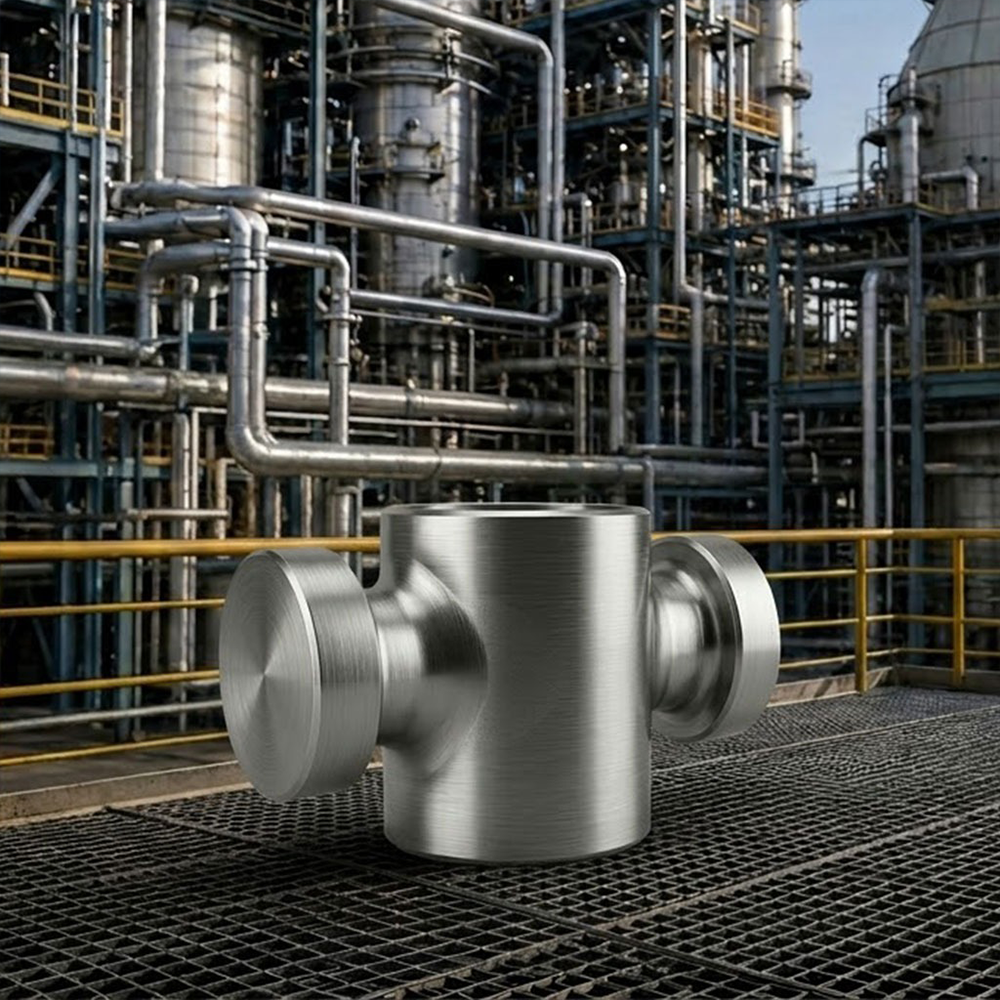
Hastelloy and High-Nickel Alloy Forging for Chemical and Process Industry
Hastelloy C-276 (UNS N10276), Hastelloy C-22 (UNS N06022), Alloy 400 (Monel, UNS N04400), and Alloy 200/201 (commercially pure nickel) are the specialty nickel alloys used in the most aggressive chemical processing, pharmaceutical, flue gas desulphurisation, and nuclear fuel reprocessing environments. Indian forging manufacturers with high-nickel alloy capability controlled-atmosphere heating, alloy-specific die materials, a
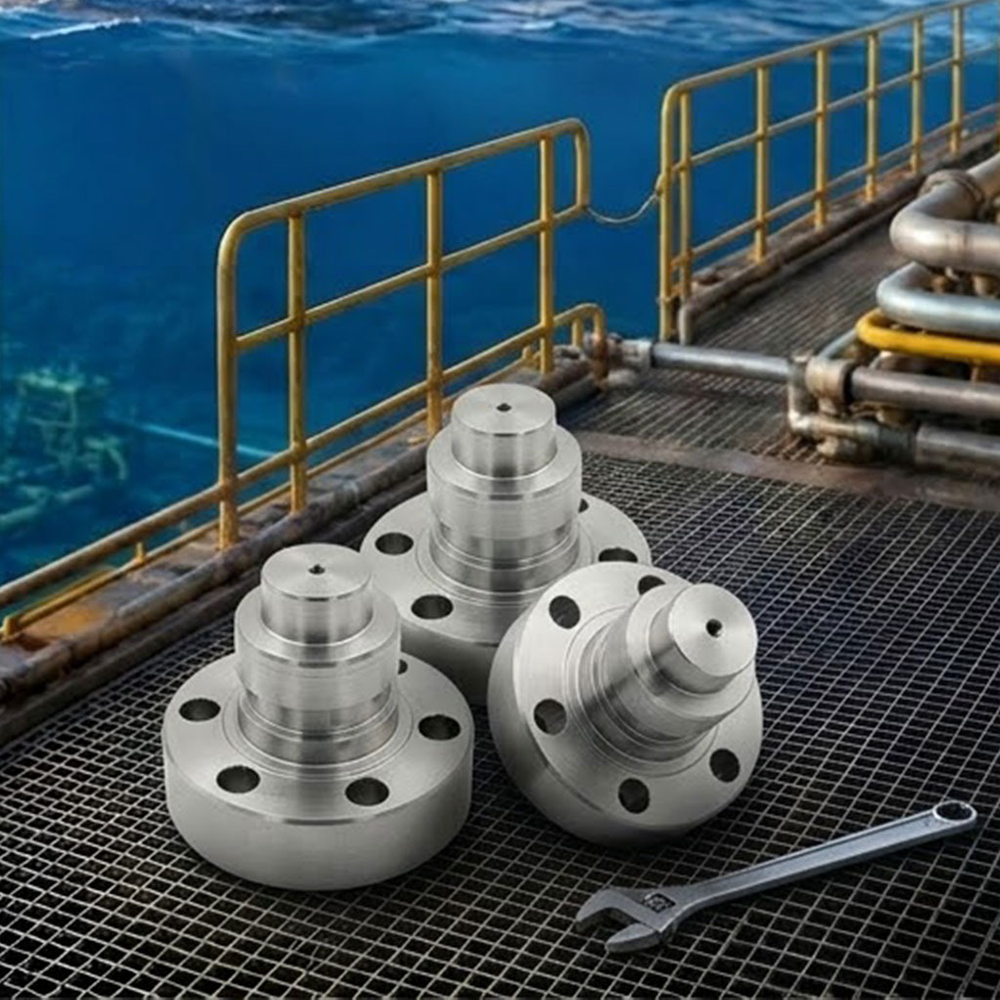
Inconel 625 Forging Supplier for Global Oil, Gas, and Marine Applications
Inconel 625 (UNS N06625, AMS 5666) is the most widely used nickel-chromium-molybdenum-niobium alloy in oil and gas, marine, and chemical processing valued for its exceptional corrosion resistance across a broader range of aggressive environments than any other single nickel alloy. Subsea tree choke bodies, offshore structural ring forgings, marine exhaust structural components, heat exchanger tubesheet […]
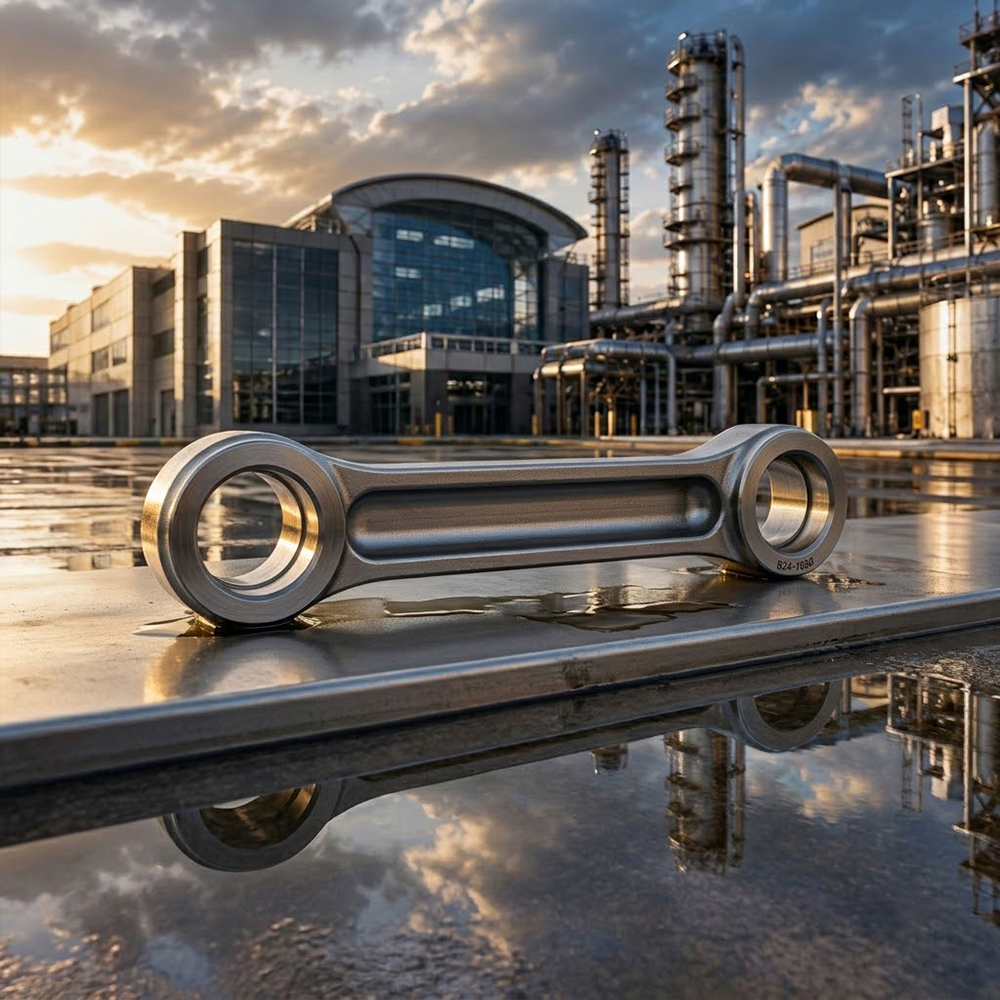
Grain Flow and Microstructure Control in Critical Forgings: Technical Deep Dive
Grain flow — the orientation of the elongated grain structure that forms during hot forging of steel, titanium, and nickel alloys is the fundamental metallurgical reason that forged components outperform machined-from-bar, cast, or additively manufactured equivalents in fatigue, fracture toughness, and creep resistance. Understanding grain flow is not just academic : aerospace buyers audit it […]