
Closed Die Forging Manufacturer India: Process, Capability, and Critical Industry Supply
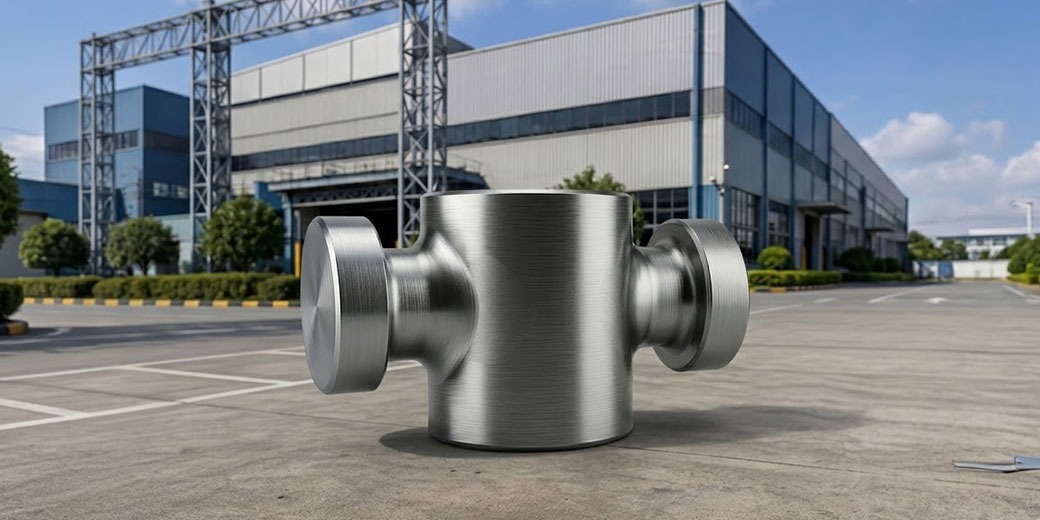
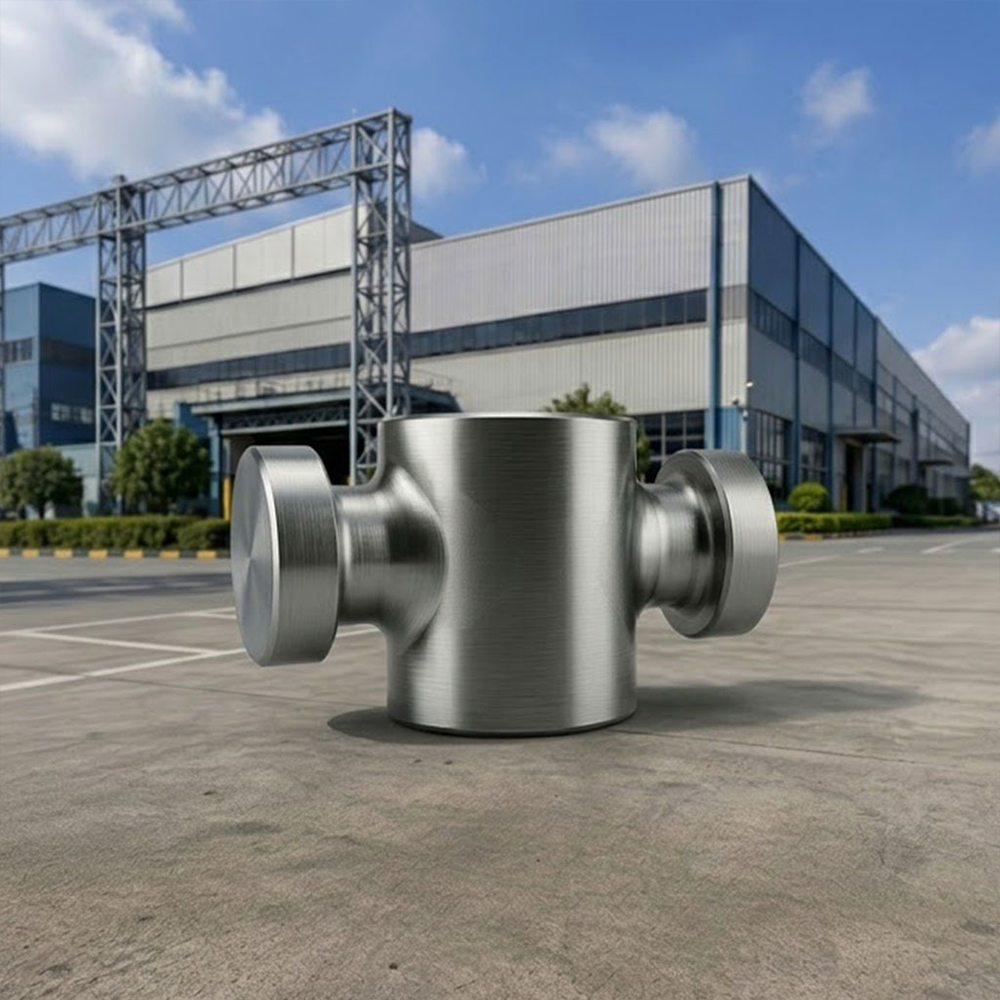
Closed die forging — shaping heated metal within matched dies that fully enclose the forging cavity is the production method for complex 3D geometry components in aerospace, defence, oil and gas, marine, and railway applications. India is already one of the world’s top five closed die forging exporters; the Indian closed die forging industry produces over 4 million tonnes annually. Vinir’s closed die forging capability covering the full range from 1 kg precision fittings to 1,400 kg structural forgings, across carbon steel, alloy steel, stainless steel, duplex, nickel alloys, and titanium serves critical-industry buyers who need AS9100D and API 20B quality alongside the cost advantage of Indian manufacturing.
| Material Family | Typical Component | Weight Range | Certification |
| Carbon and alloy steel (4340, EN24, CrMoV) | Valve bodies, gear blanks, shaft sections | 1–1,400 kg | API 20B, IBR, ABS |
| Stainless steel (316L, 304L, duplex 2205) | Pressure vessel nozzles, flanges, valve bodies | 1–800 kg | API 20B, ASME VIII |
| Super duplex (2507, Zeron 100) | Subsea valve bodies, offshore structural | 1–500 kg | API 20B PSL 3, NORSOK M-630 |
| Nickel alloys (Inconel 625, 718, Hastelloy C-276) | Subsea, chemical, aeroengine components | 1–500 kg | API 20B, AMS 5663 |
| Titanium (CP Grade 2, Ti-6Al-4V) | Marine heat exchanger, aerospace structural | 1–300 kg | SB-381, AMS 4928 |
Closed die forging’s primary advantage over open die forging is the ability to produce complex 3D geometries with tight dimensional tolerances and minimal machining stock directly from the forging operation. A valve body produced by closed die forging has the inlet and outlet bore locations, flange face dimensions, and stem pocket geometry all established by the die, requiring only finish machining to achieve the final tolerance. This near-net-shape capability makes closed die forging the economic choice for medium-to-high volume production of consistently shaped components.
Vinir’s closed die presses at Bommasandra ranging from 250T for small precision fittings to 1,600T for larger structural forgings cover the weight range from 1 kg to 1,400 kg. The press capacity selection for each component is based on the projected forging force calculated from the material flow stress at forging temperature, the component’s plan area, and the estimated friction factor. For nickel alloy and titanium components, whose flow stress is 3–6× higher than equivalent steel, larger press capacity is required for the same component size.
Die design is the most critical investment in closed die forging. Vinir’s die design process begins with 3D CAD modelling of the forging geometry with appropriate forging allowances and draft angles (minimum 7° on vertical surfaces), then metal flow simulation using FEA analysis that predicts locations of potential lap formation and die under-fill before cutting any die steel. This upstream simulation investment prevents the most common first-article quality failures and ensures that production tooling immediately produces conforming forgings.
India’s closed die forging cost advantage over European and US domestic supply is typically 25–40% on an ex-works basis driven primarily by lower labour rates, energy costs, and overhead. When ocean freight is added, the landed cost advantage at a European or US customer site is typically 15–30% still commercially significant for medium-volume programmes where the die amortisation economics favour closed die over open die.
Vinir Capability
- Closed die forging presses: 250T, 400T, 800T, 1,000T, 1,200T, and 1,600T at Bommasandra.
- Weight range 1–1,400 kg.
- Materials: carbon steel (C70, SAE 1045), alloy steel (4340, EN24, 4130, CrMoV, P91), stainless steel (304L, 316L, 2205 duplex, 2507 super duplex), nickel alloys (Inconel 625, 718, Hastelloy C-276), titanium (CP Grade 2, Ti-6Al-4V).
- AS9100D full scope.
- API 20B PSL 1–3.
- IBR certified.
- ABS approved.
- IRIS certified.
- Die design using 3D CAD and metal flow FEA.
- Die steel: Bohler or Uddeholm hot-work steel.
- Lead times: carbon/alloy steel 6–10 weeks; stainless 8–12 weeks; nickel/titanium 12–18 weeks.