

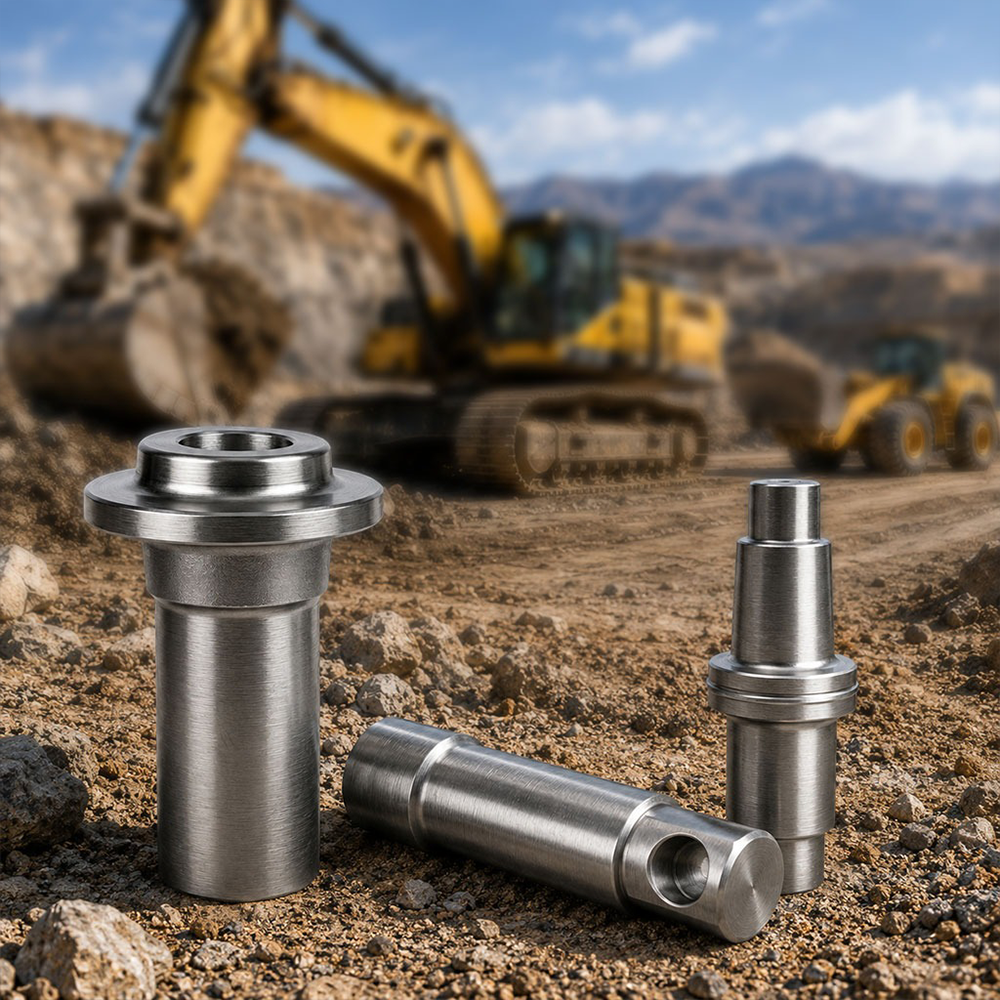
Heavy Equipment Forging from India for US Construction and Mining OEMs
US construction equipment OEMs — Caterpillar, John Deere, Komatsu, CNH Industrial (Case and New Holland), Volvo CE, and Liebherr and their mining equipment counterparts consume substantial forged components across crawler excavators, wheel loaders, motor graders, articulated haul trucks, and large construction cranes. Structural pin forgings, drive shaft forgings, hydraulic cylinder rod forgings, final drive components, [&
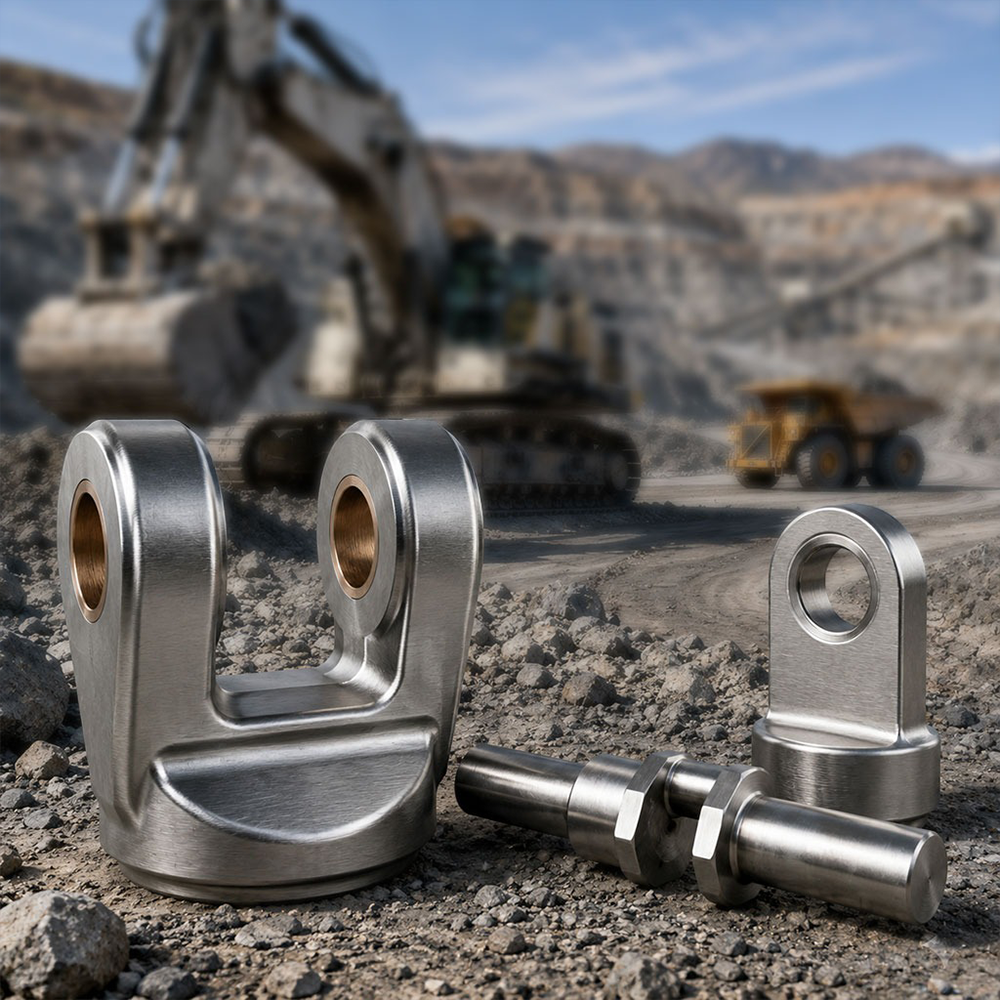
Mining Equipment Forging Supplier for US Mining Industry
The United States mining industry — copper mining in Arizona and Nevada, coal mining in Wyoming’s Powder River Basin, gold and silver mining across Nevada and the Mountain West, iron ore in Minnesota’s Iron Range, and the emerging critical minerals sector across the western states consumes substantial forged components for excavation equipment, crushing machinery, conveyor […]
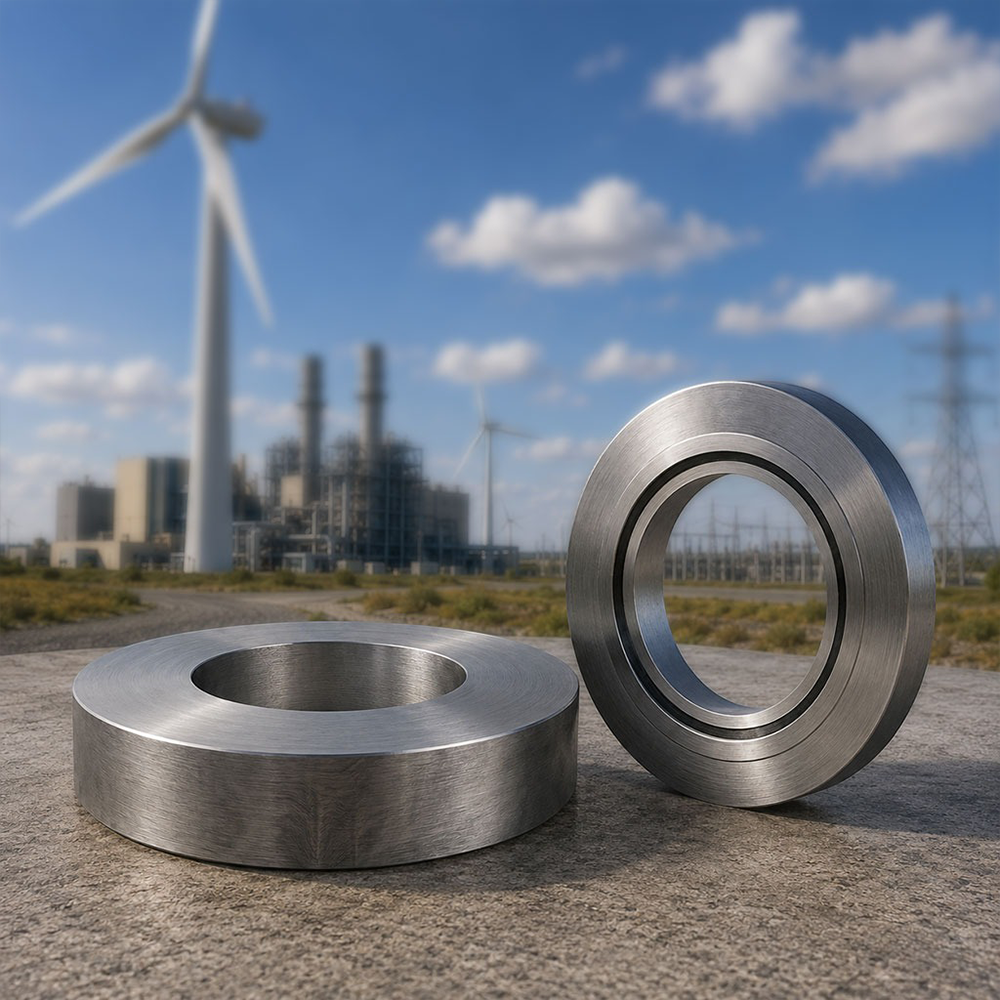
Ring Rolling Supplier for US Wind and Energy Sector: Seamless Rings from India
Seamless rolled rings are among the highest-volume and highest-value forging categories in the US wind and energy sector. Tower flanges, main bearing rings, pitch and yaw bearing rings, wind turbine hub structural rings, gas turbine casing rings, steam turbine diaphragm rings, and pressure vessel structural rings are all produced by ring rolling — a forging […]
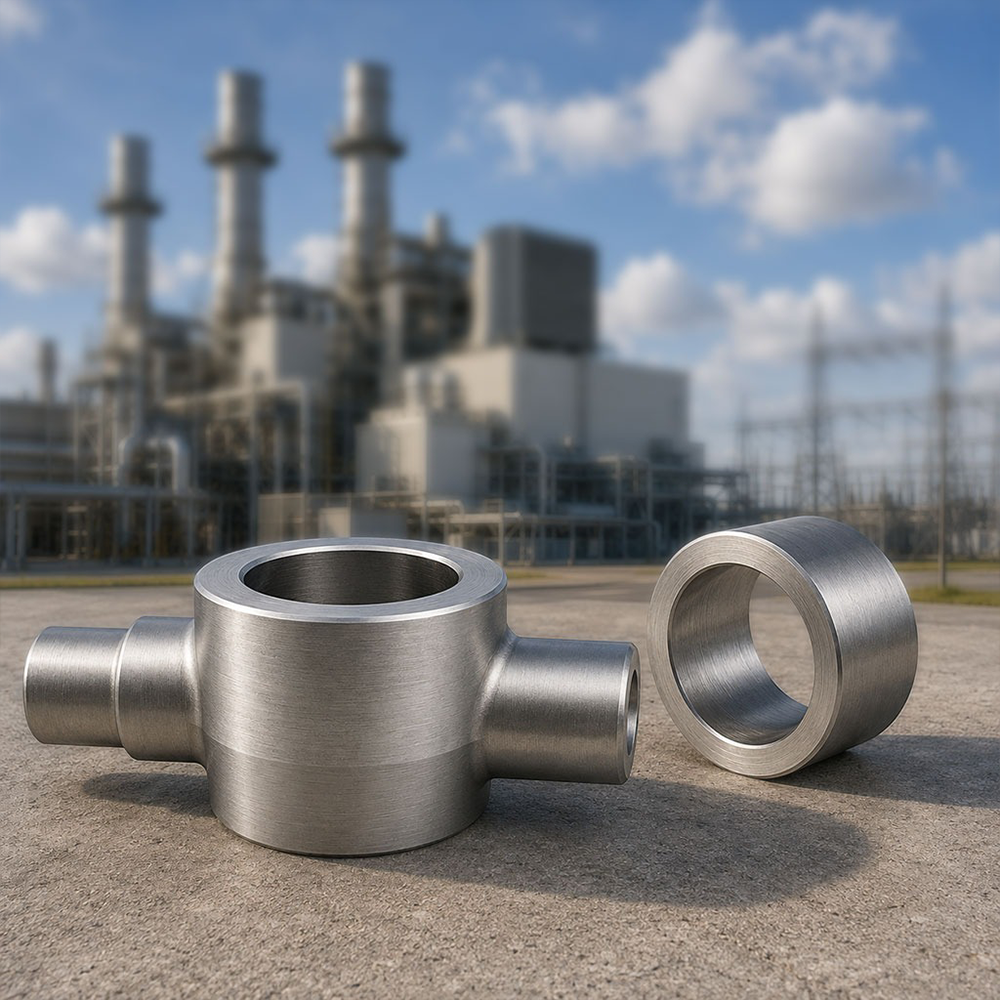
Power Generation Forging Supplier for US Gas Turbine and Steam Turbine OEMs
US power generation OEMs — GE Vernova, Siemens Energy US, Baker Hughes, and Solar Turbines consume substantial forged components annually across gas turbine, steam turbine, and combined cycle power plant programmes. Compressor discs, turbine discs, rotor shafts, diaphragm rings, and structural casing forgings are the highest-value forging categories in power generation manufacturing. Indian forging manufacturers […]
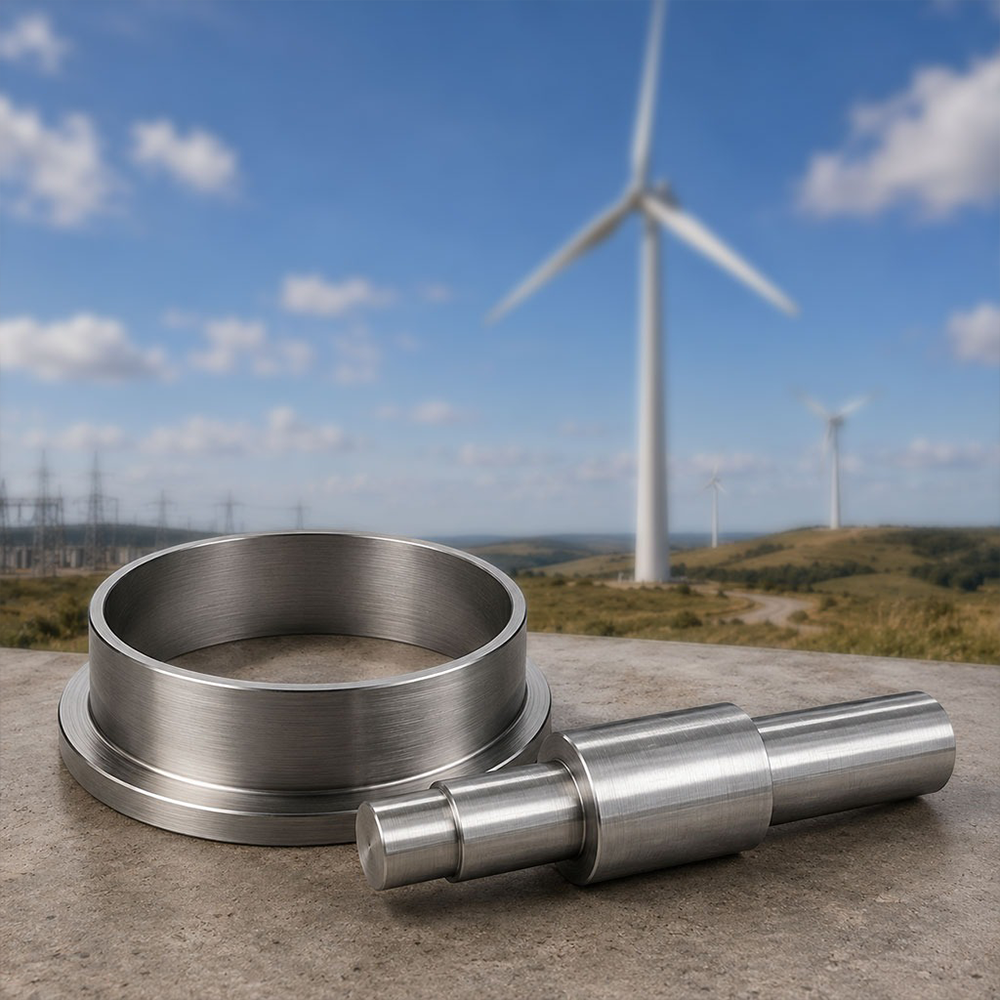
Wind Energy Forging Supplier for US Wind Farms: Tower Flanges and Bearing Rings
The United States wind energy sector is the second largest in the world — 150+ GW of installed capacity across 45 states, with the Biden-era permitting acceleration and the IRA (Inflation Reduction Act) production tax credits driving continued onshore expansion and an accelerating offshore wind programme. Tower flanges, main bearing rings, pitch and yaw bearing […]
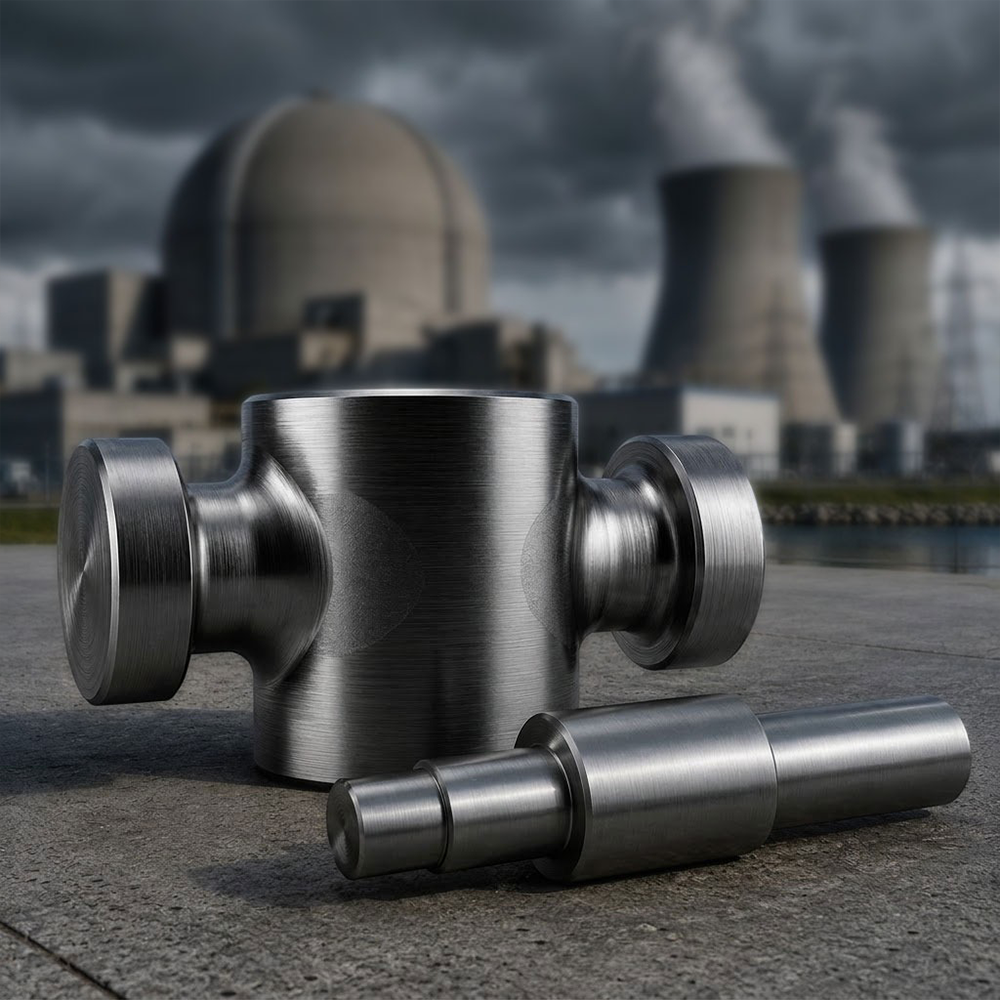
How US Nuclear OEMs Qualify Indian Forging Suppliers: NQA-1 Requirements
The qualification process that US nuclear OEMs apply to new forging suppliers is the most rigorous industrial supplier qualification in any commercial manufacturing sector — more demanding than aerospace prime qualification, more documentation-intensive than oil and gas operator qualification, and more consequential in its regulatory implications than any other supply chain quality assurance programme. Indian […]
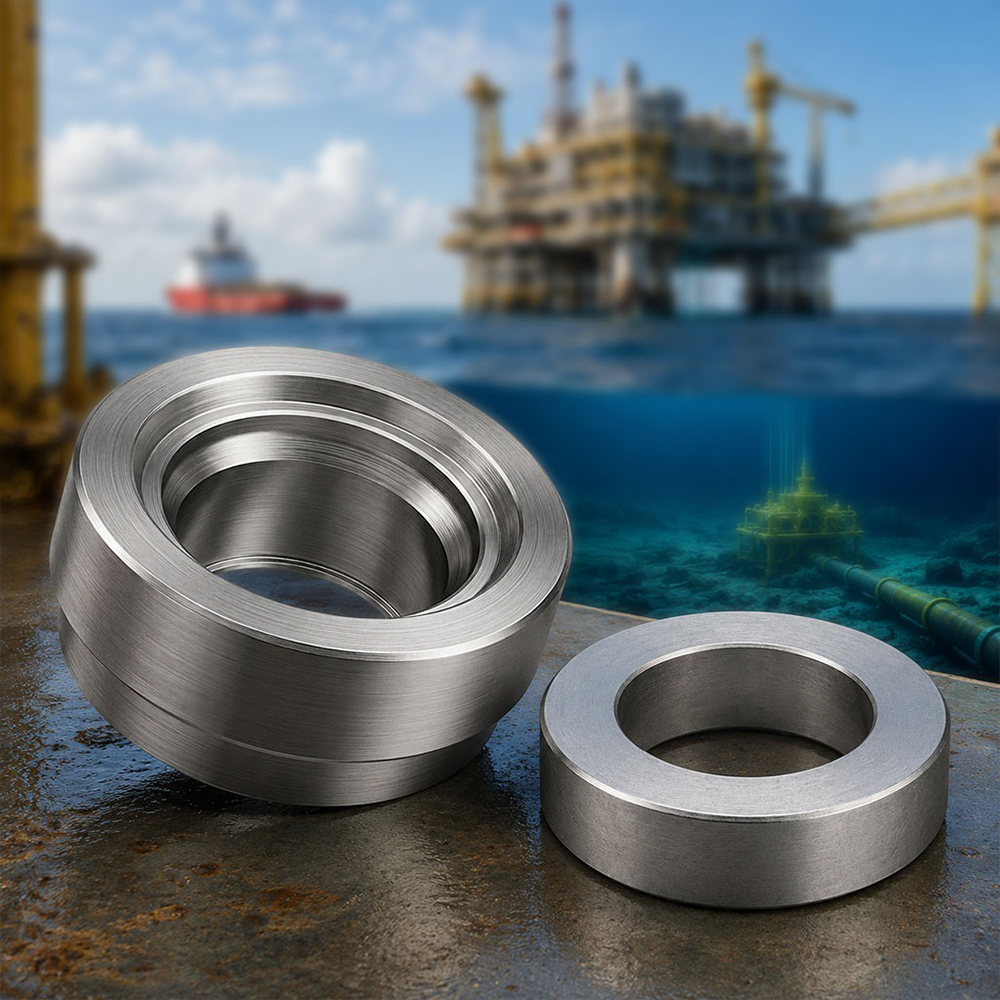
Duplex and Inconel Forgings for US Offshore Oil & Gas: India as a Qualified Source
American offshore oil and gas procurement teams sourcing duplex stainless steel and Inconel forgings — for Gulf of Mexico deepwater subsea systems, offshore platform seawater service, and High Pressure High Temperature well equipment are operating in a niche of the forging supply chain where domestic US capacity is limited, lead times are long, and prices […]
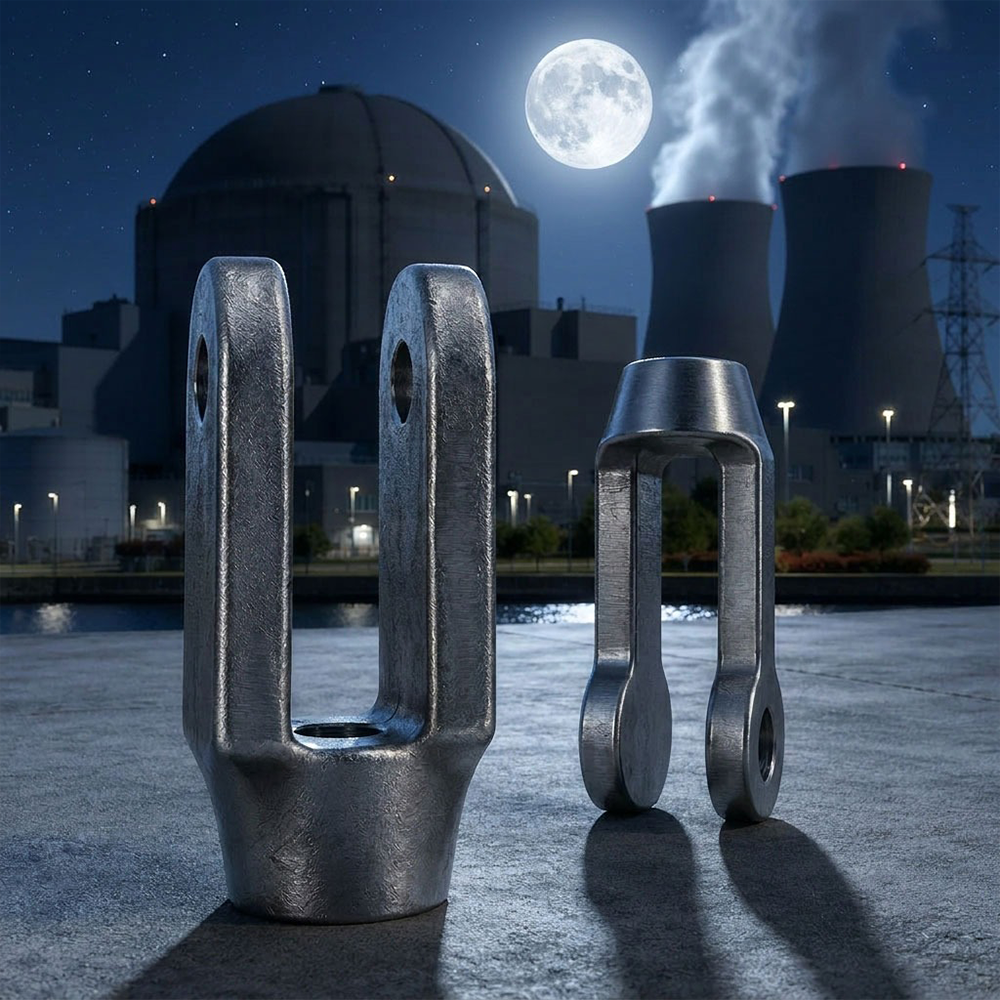
SA-508 Grade 3 Forging Supplier for US Nuclear OEMs: India Source
SA-508 Grade 3 is the material specification that defines entry into the US nuclear pressure vessel forging supply chain. It is the manganese-molybdenum-nickel low alloy steel used for reactor pressure vessel shells, nozzles, flanges, and head closures in every Westinghouse AP1000 and GE BWR operating or under construction in the United States. Understanding what SA-508 […]
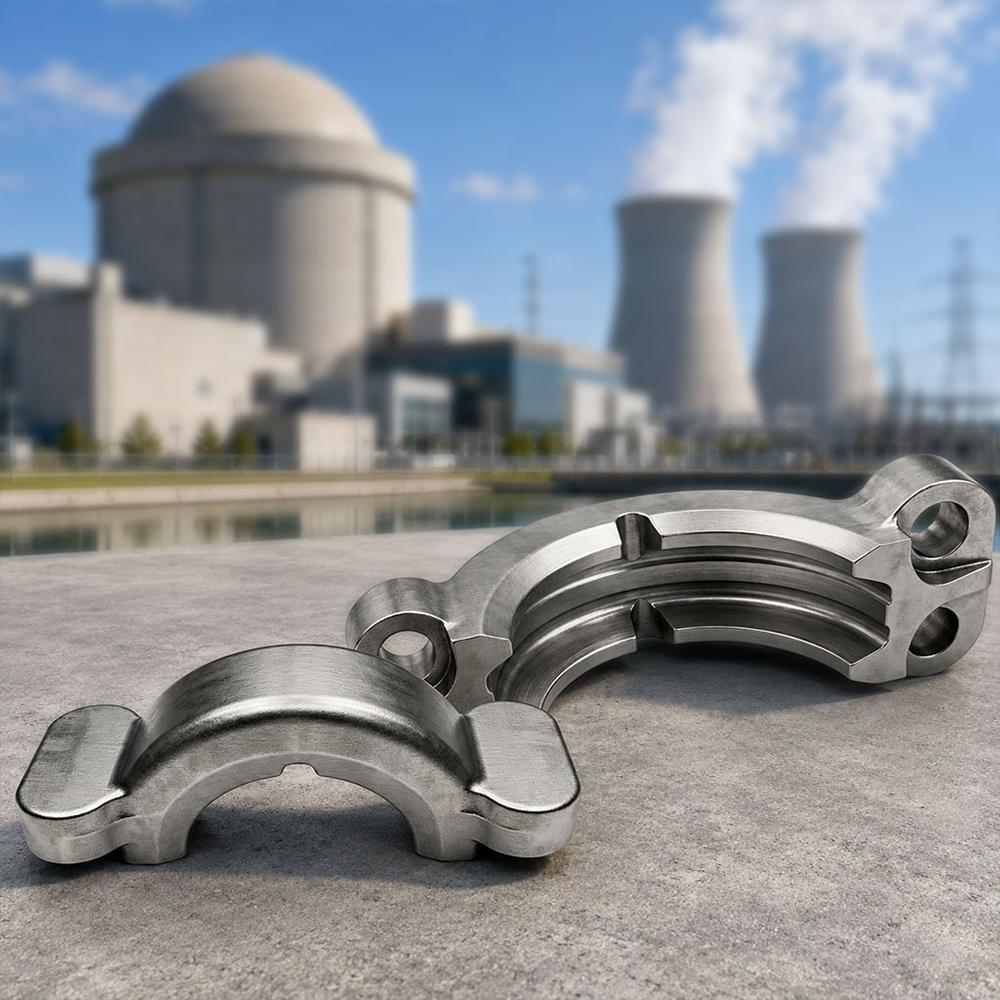
Reactor Pressure Vessel Forging for US Nuclear Programmes from India
Reactor pressure vessel forgings are the most safety-critical and highest-value forged components in any nuclear power plant. The RPV contains the reactor core, primary coolant, and the control rod mechanisms its structural integrity is the primary barrier preventing radioactive release. A single RPV programme for a US AP1000 or SMR design may contain 20–40 distinct […]
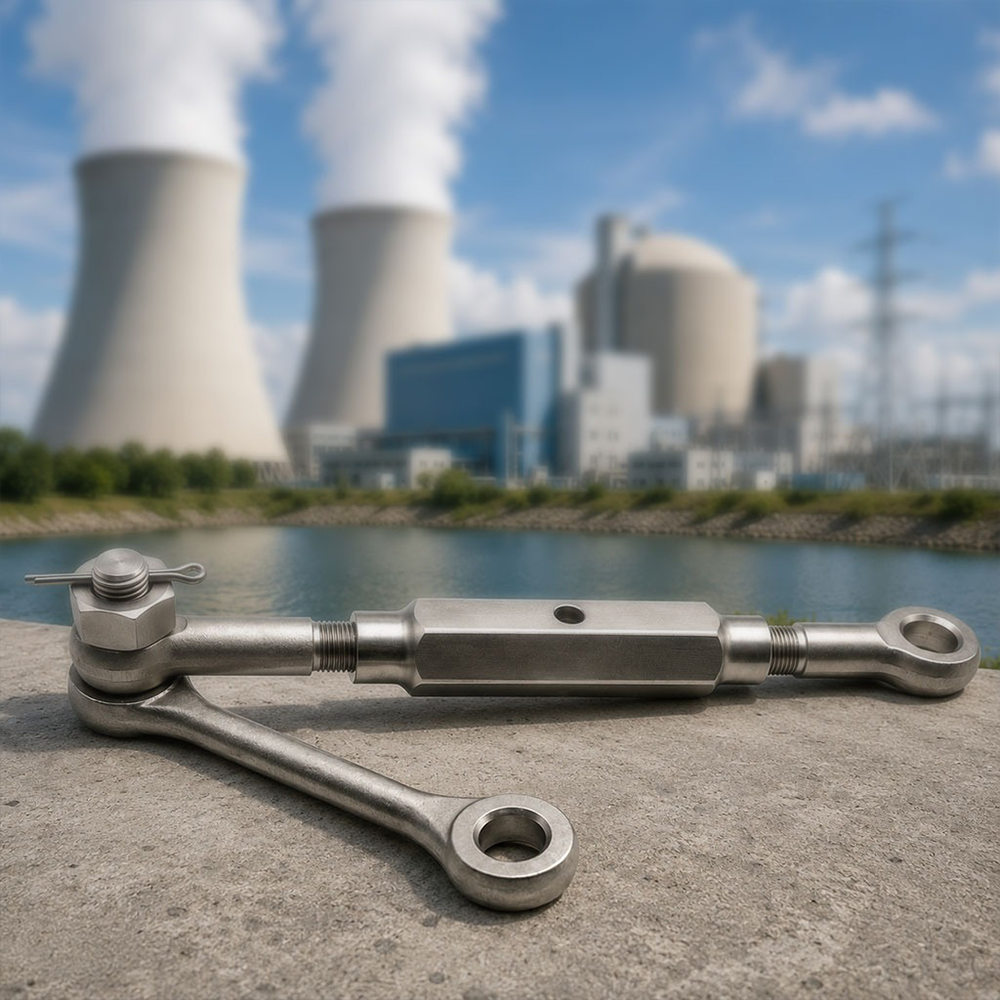
Nuclear Forging Supplier for US Nuclear Power Plants: ASME Section III
US nuclear power plants represent one of the most demanding and highest-value forging markets available to internationally qualified manufacturers. The United States operates 93 commercial nuclear reactors at 54 plants the largest nuclear fleet in the world generating approximately 20% of US electricity. New reactor construction under the Biden and Trump administration energy policies, combined […]
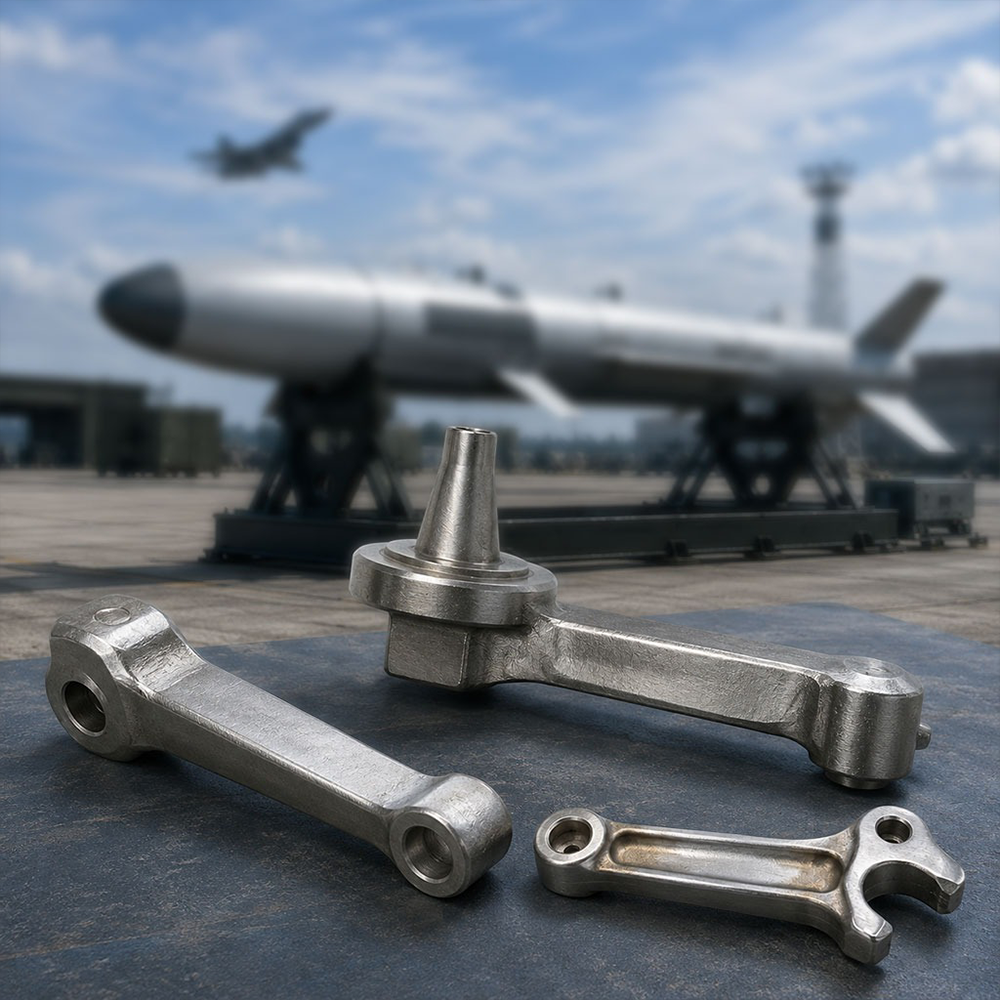
Missile and Ordnance Forging Supplier for US Defence Programmes
US missile and ordnance programmes – Raytheon’s Tomahawk cruise missile, Lockheed Martin’s JASSM-ER, Boeing’s JDAM, L3Harris’s AARGM-ER, and the expanding hypersonic weapons portfolio use forged titanium, alloy steel, and Inconel components for structural body sections, fin root fittings, motor case flanges, and warhead housing structures. Indian forging manufacturers with AS9100D certification,
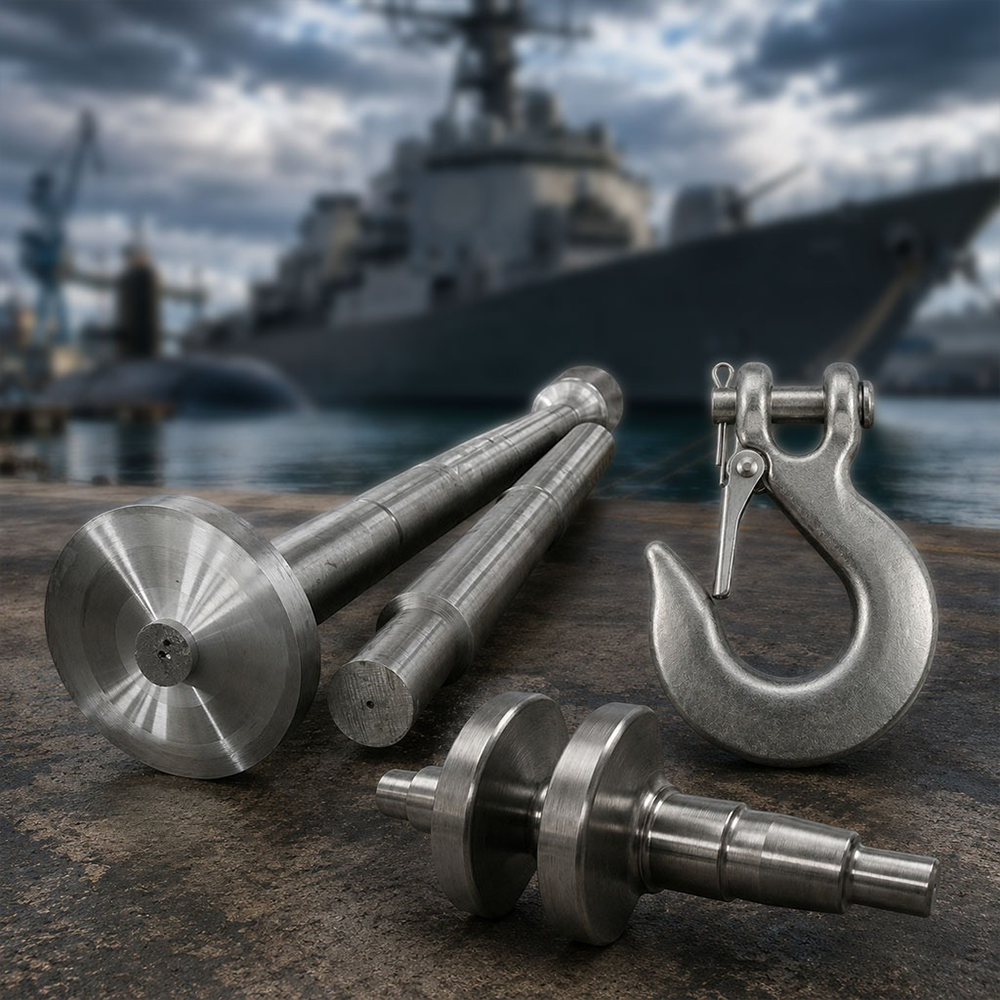
Naval Forging Supplier for US Navy Shipbuilding Programmes
US Navy shipbuilding programmes — Arleigh Burke destroyers, Virginia class submarines, Gerald R. Ford carriers, and the evolving surface combatant portfolio generate substantial annual demand for propulsion shaft forgings, structural hull fittings, rudder stock forgings, and pressure-retaining valve body forgings. Indian forging manufacturers with ABS approval, AS9100D certification, open die capability for heavy propulsio