
Open Die Forging Manufacturer India: Large-Section Structural and Shaft Forgings
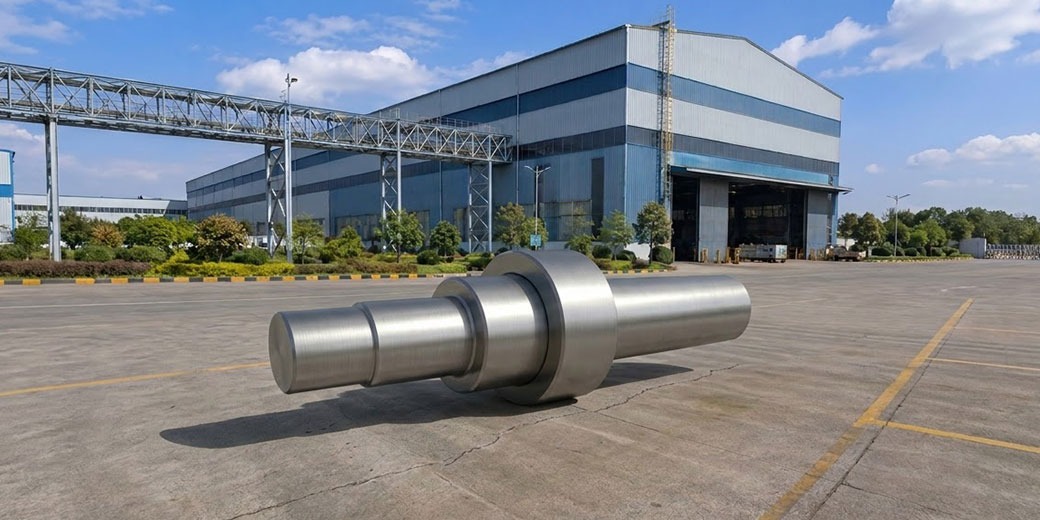
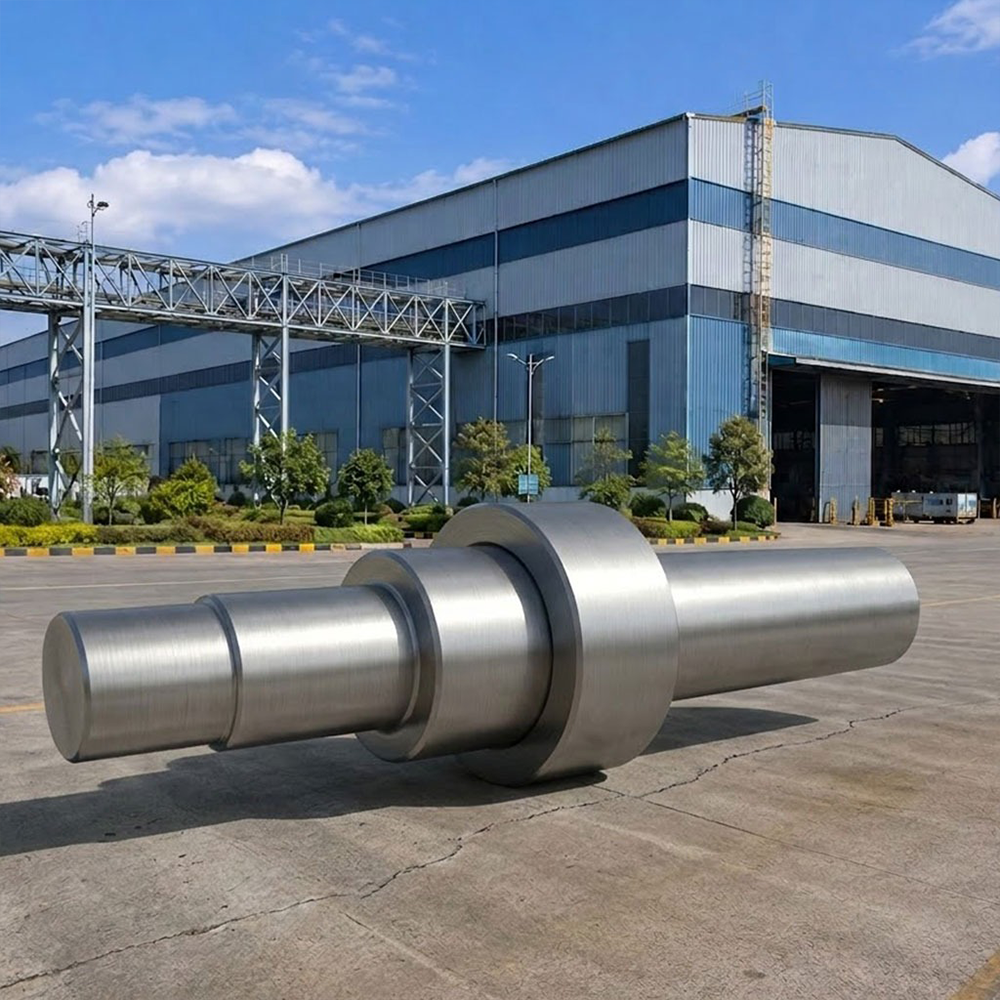
Open die forging — compressing heated metal between flat or shaped dies without a fully enclosing cavity is the production method for the world’s largest and most structurally demanding forged components: power generation rotor shafts, ship propulsion shafts, pressure vessel shell forgings, and mining equipment main shafts. Vinir’s 3,000T hydraulic press with dango manipulator at Bommasandra Unit 2 produces open die shaft forgings to 15,000 kg in carbon steel, alloy steel (4340, EN24, CrMoV, P91), stainless steel, and nickel alloys at 30–40% cost advantage over European and US domestic open die supply.
| Forging Category | Material | Weight Range | Standard |
| Shaft forgings (stepped, tapered) | 4340, EN24, CrMoV alloy steel | 100–15,000 kg | ASTM A388, API 20B |
| Propulsion shaft (marine) | 4340, C45 carbon steel | 500–15,000 kg | ABS / DNV / Lloyd’s Register survey |
| Pressure vessel shell / nozzle forging | SA-516 Gr.70, 4130, P91, SA-182 F316L | 200–10,000 kg | ASME VIII, IBR |
| Disc and ring blanks (ring-rolled pre-form) | S355NL, 42CrMo4, EN36 | 200–8,000 kg | EN 10025-3, API 20B |
| Mining equipment shafts (crusher, mill) | 4340, EN24, Q&T to 1,200 MPa | 500–8,000 kg | ASTM A388, BV/Intertek survey |
Open die forging uses a hydraulic or mechanical press to compress and shape a heated billet between flat or contoured dies without a fully enclosing die cavity. The workpiece is manipulated rotated and repositioned between press strokes using a dango (forging manipulator), a powered rail-mounted vehicle that grips the hot billet and positions it precisely under the press. The combination of press force and manipulator motion allows open die forging to produce essentially any shape in any size, limited only by the press force available and the billet weight the manipulator can handle.
The critical metallurgical benefit of open die forging distinct from all other manufacturing methods is the ability to control the accumulated plastic deformation (forging reduction ratio) throughout the cross-section of a large forging. A 10,000 kg turbine rotor shaft forging requires multiple working passes with intermediate reheats to accumulate the total reduction ratio needed to break down the as-cast grain structure of the starting ingot and develop the mechanical properties required by the specification.
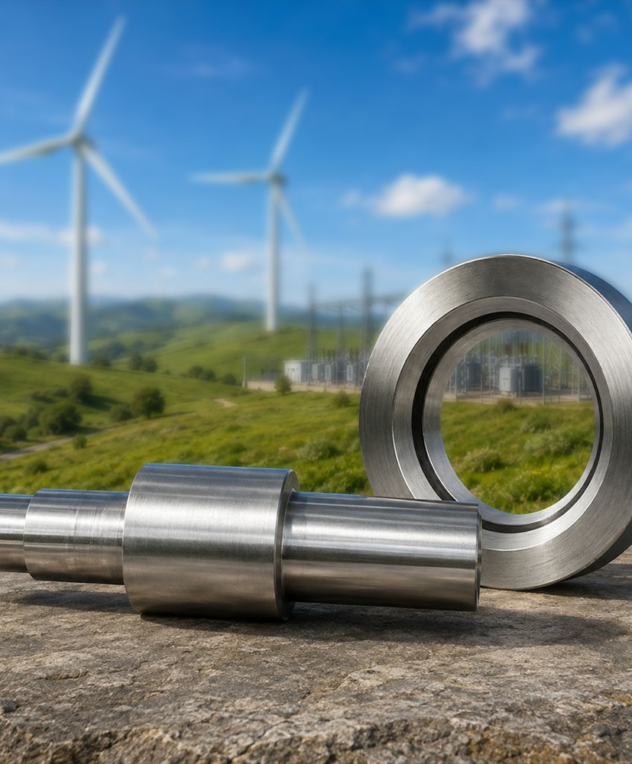
Vinir’s 3,000T hydraulic press equipped with a dango manipulator can forge components from small open die shaft sections (100 kg) to large structural forgings approaching 15,000 kg rough-forged weight. The combination of 3,000T press force with precise manipulator control allows open die forging of complex profiles: tapered shafts, stepped diameter shafts, flanged shafts, and ring-like structural cross-sections that serve as pre-forms for subsequent ring rolling.
India’s open die forging cost advantage versus European supply (Saarschmiede Germany at 17,500T, Sheffield Forgemasters UK at 10,000T) is typically 30–40% on ex-works price for equivalent material and quality. For the 500–15,000 kg open die range where Vinir’s 3,000T press is competitive, this cost advantage creates strong commercial cases for procurement requalification from European or Korean sources to Indian supply.
Vinir Capability
- 3,000T hydraulic press with dango manipulator at Bommasandra Unit 2.
- Open die forgings 100 kg to 15,000 kg rough-forged weight.
- Materials: carbon steel (SA-516 Gr.70, C45), low alloy steel (4340, EN24, 42CrMo4), CrMoV power generation alloy steel, P91 (9Cr-1Mo-V-Nb), SA-508 Grade 3 equivalent, SA-182 F316L stainless, duplex 2205.
- AMS 2750-calibrated heat treatment furnaces for quench-and-temper up to 15,000 kg load.
- 100% UT per ASTM A388 with large-section calibration standards.
- NABL Charpy at -20°C, -40°C, and elevated temperature.
- Straightness verification for shaft forgings (≤1mm/metre).
- Surface MT and PT.
- TPI by Bureau Veritas, DNV, and ABS.