

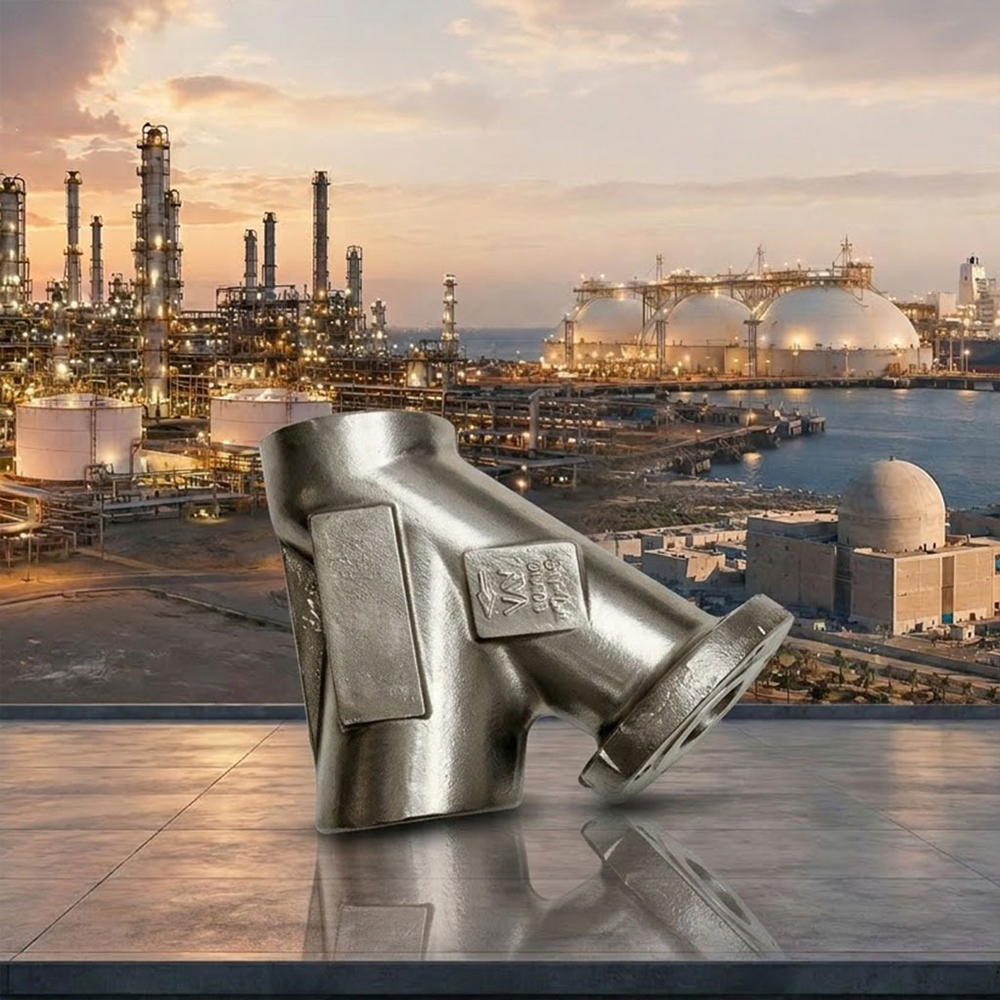
Forging Supplier for UAE Oil and Gas: ADNOC and Barakah Nuclear Supply Chain
The United Arab Emirates operates the world’s seventh-largest proven oil reserves through Abu Dhabi National Oil Company (ADNOC) and associated companies. ADNOC’s upstream operations, downstream refineries at Ruwais, LNG operations at Das Island, and the Ruwais industrial complex are sustained consumers of API 20B certified valve body forgings, pressure vessel nozzle forgings, and structural fittings. […]
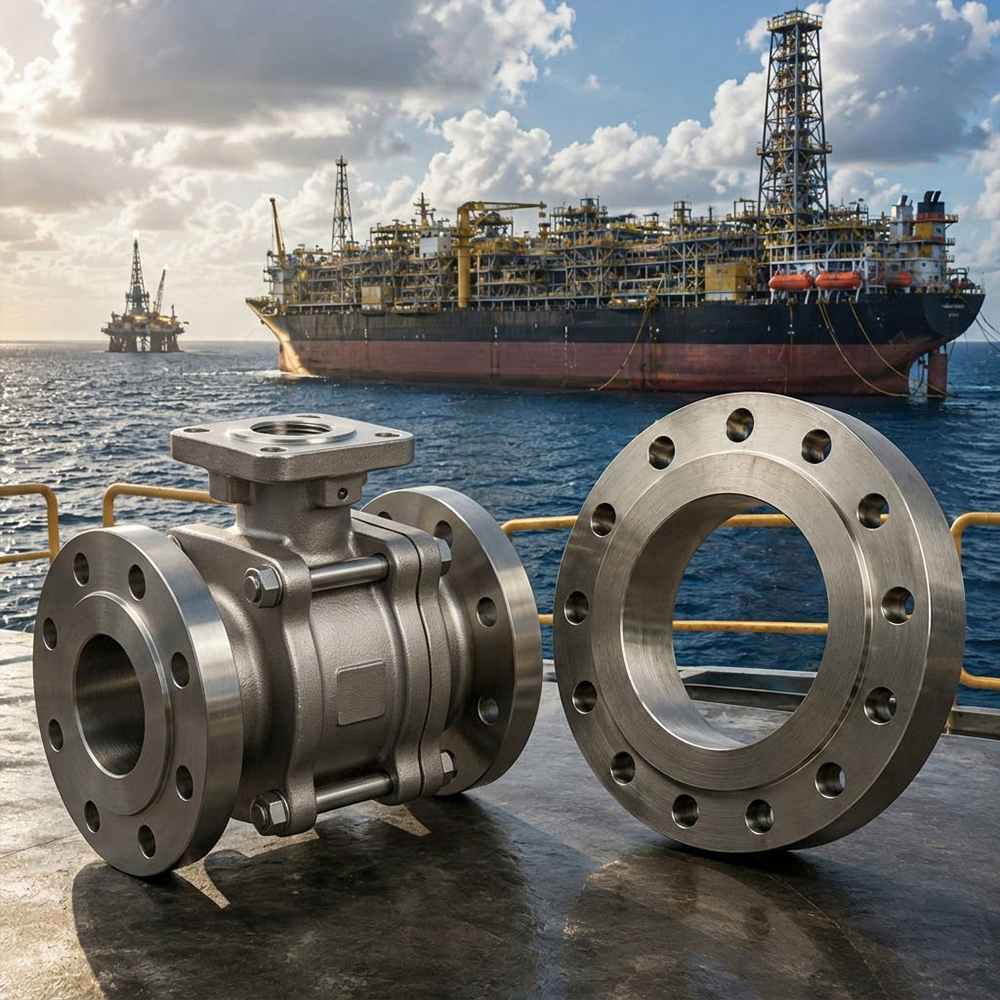
Forging Supplier for Brazil Oil and Gas: Petrobras Pre-Salt and FPSO Supply
Brazil’s offshore pre-salt oil fields — discovered in the Santos Basin and operated primarily by Petrobras represent the most significant oil development of the past 20 years. The pre-salt reservoirs lie beneath 2,000–3,000 metres of water and an additional 2,000-metre salt layer, creating some of the most technically challenging deepwater developments globally. Petrobras, TotalEnergies Brazil, […]
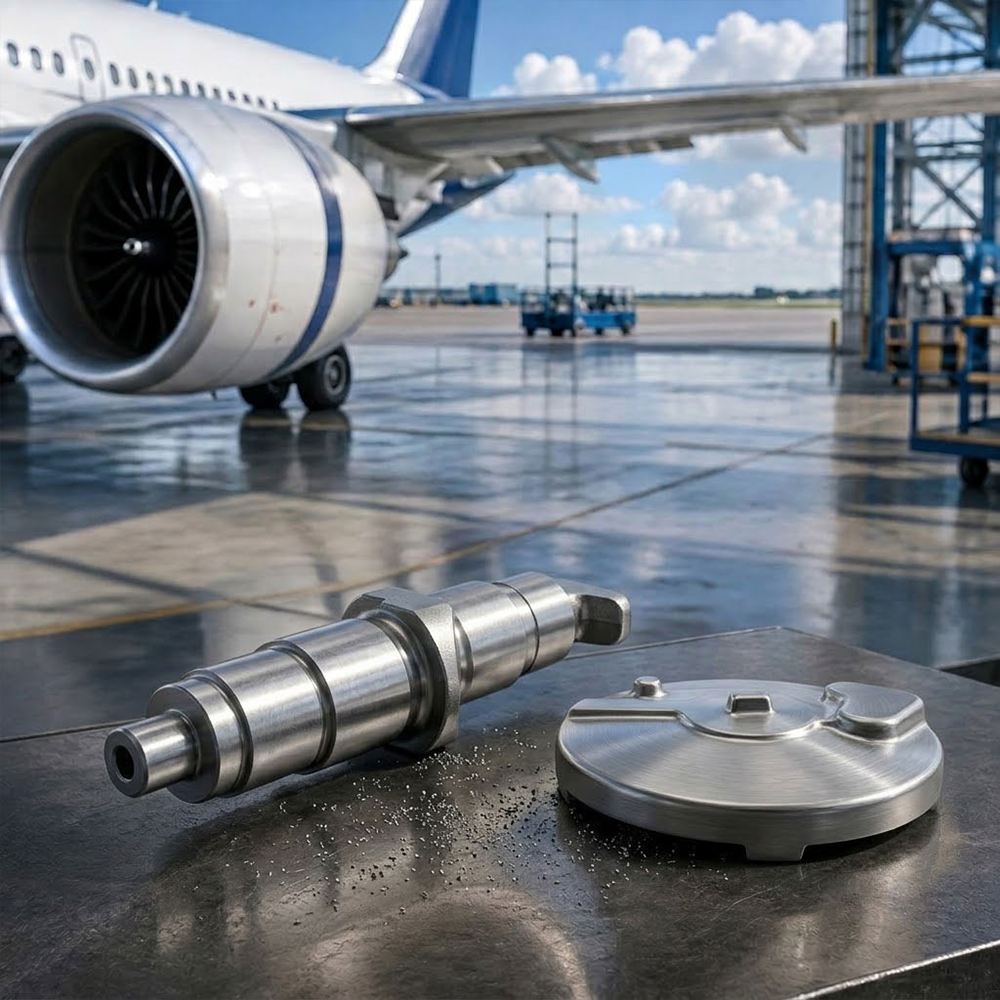
Titanium Forging Supplier for Global Aerospace: Ti-6Al-4V Structural Applications
Ti-6Al-4V (Grade 5 titanium alloy, AMS 4928/4935) is the single most important aerospace structural material by procurement volume used for compressor discs, fan discs, structural bulkheads, landing gear beams, and engine pylons in virtually every commercial and military aircraft flying today. Global Ti-6Al-4V aerospace forging demand exceeds 50,000 tonnes annually, consumed by Boeing, Airbus, GE […]
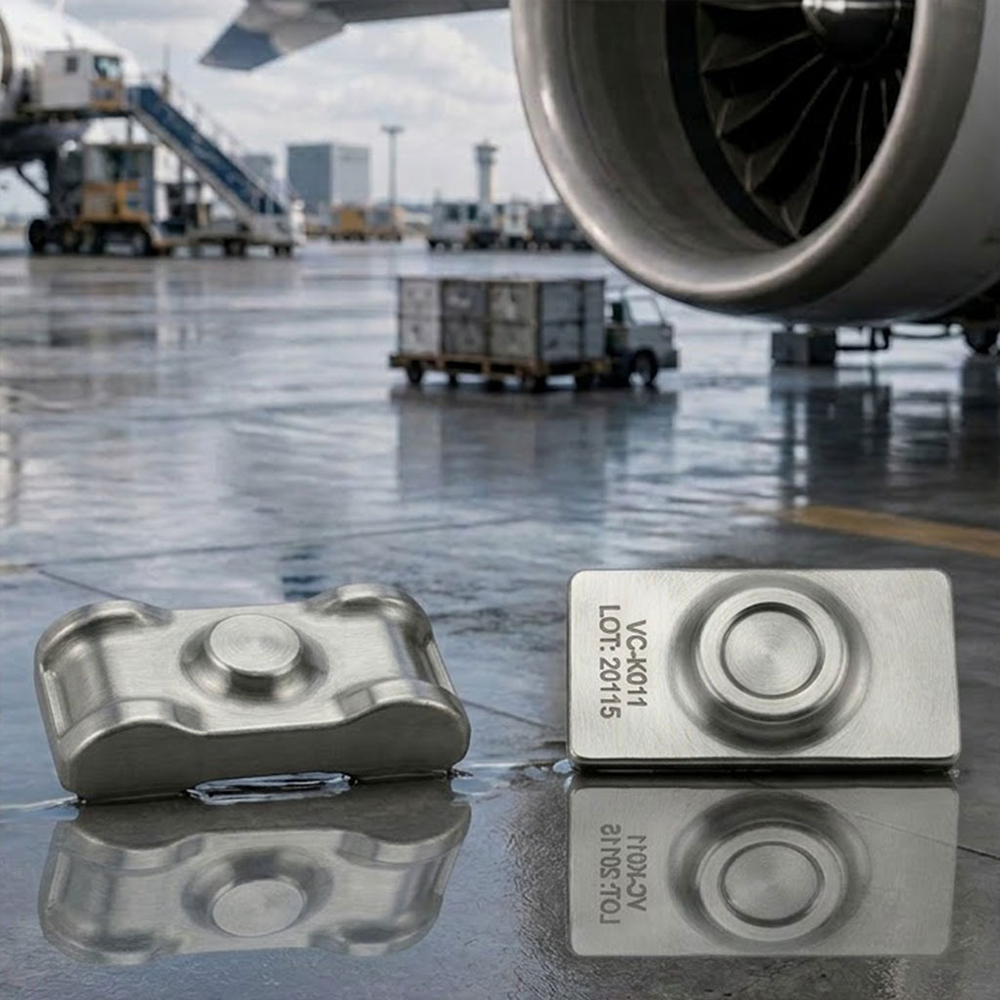
Inconel 718 Forging Supplier for Global Aeroengine: Compressor and Turbine Disc Supply
Inconel 718 (UNS N07718, AMS 5663) is the most widely used nickel superalloy in commercial and military aeroengine manufacturing accounting for approximately 35% of all nickel superalloy consumption in aerospace. It is used for compressor discs, turbine discs, shafts, structural rings, and seals in virtually every high-bypass turbofan engine flying today including the CFM LEAP, […]
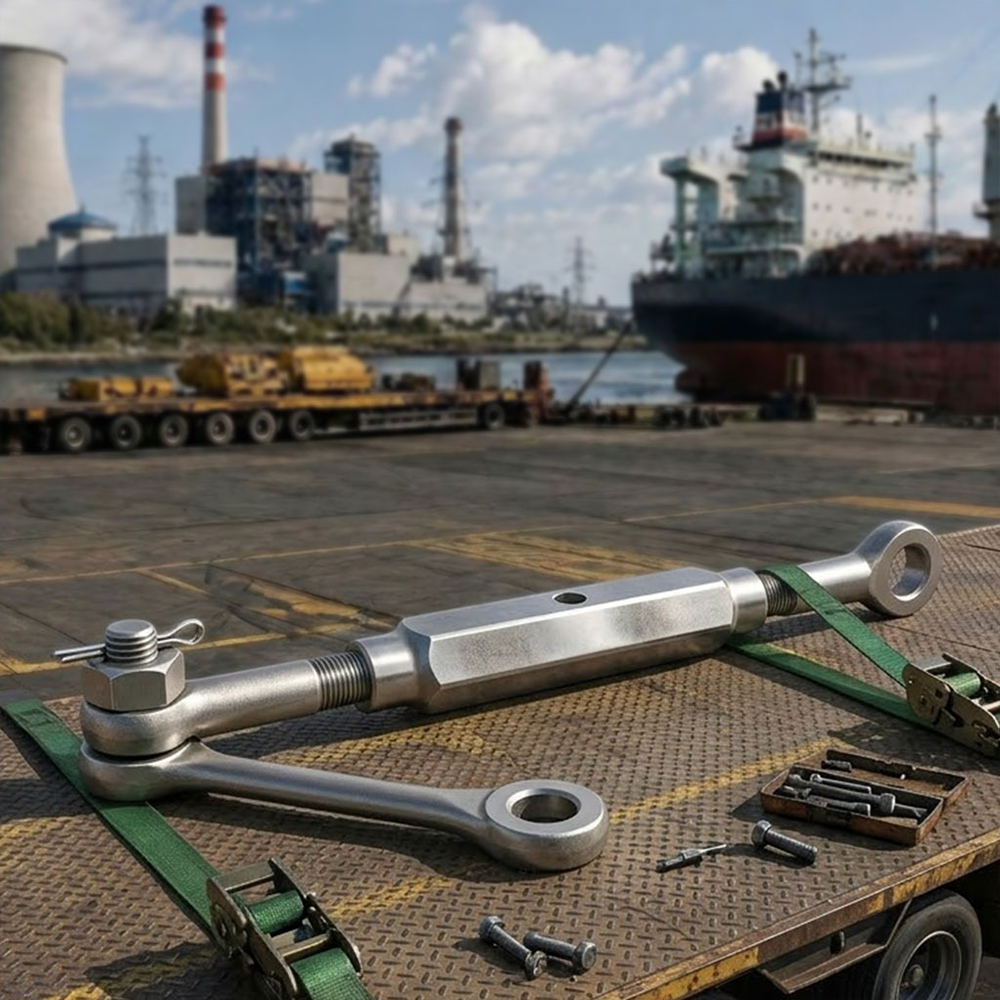
Open Die Forging Supplier for Heavy Industrial Applications: Global OEM Supply
Open die forging — the process of shaping heated metal between flat or shaped dies without a closed die cavity is the manufacturing method for the world’s largest and most structurally demanding forged components: power generation rotor shafts, ship propulsion shafts, pressure vessel shell forgings, nuclear reactor vessel components, and mining equipment main shafts. Indian […]
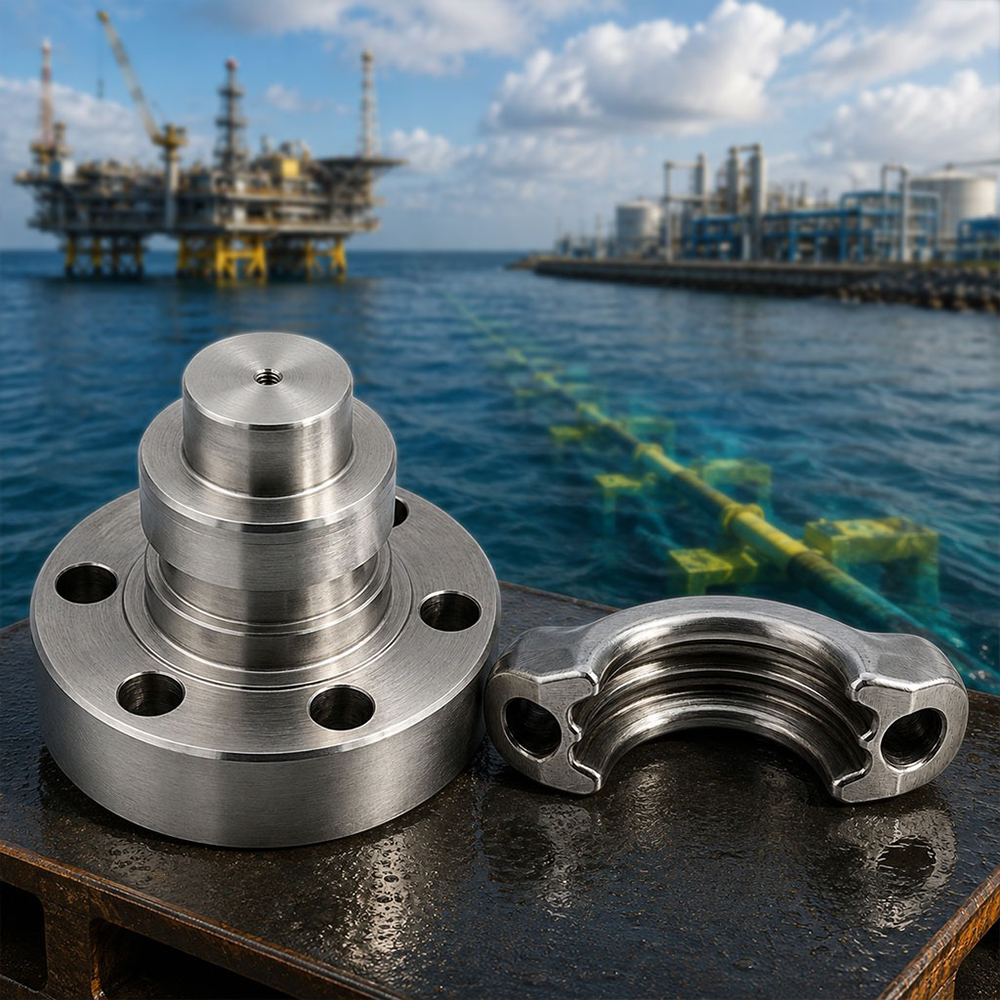
Duplex and Super Duplex Stainless Steel Forging Supplier: Global CRA Applications
Duplex stainless steel (2205, UNS S31803) and super duplex stainless steel (2507, UNS S32750) are the dominant corrosion-resistant alloy (CRA) grades for subsea production equipment, offshore topside process piping, desalination systems, and chemical processing in aggressive chloride environments. Global duplex and super duplex forging demand exceeds 15,000 tonnes annually driven by oil and gas deepwater […]
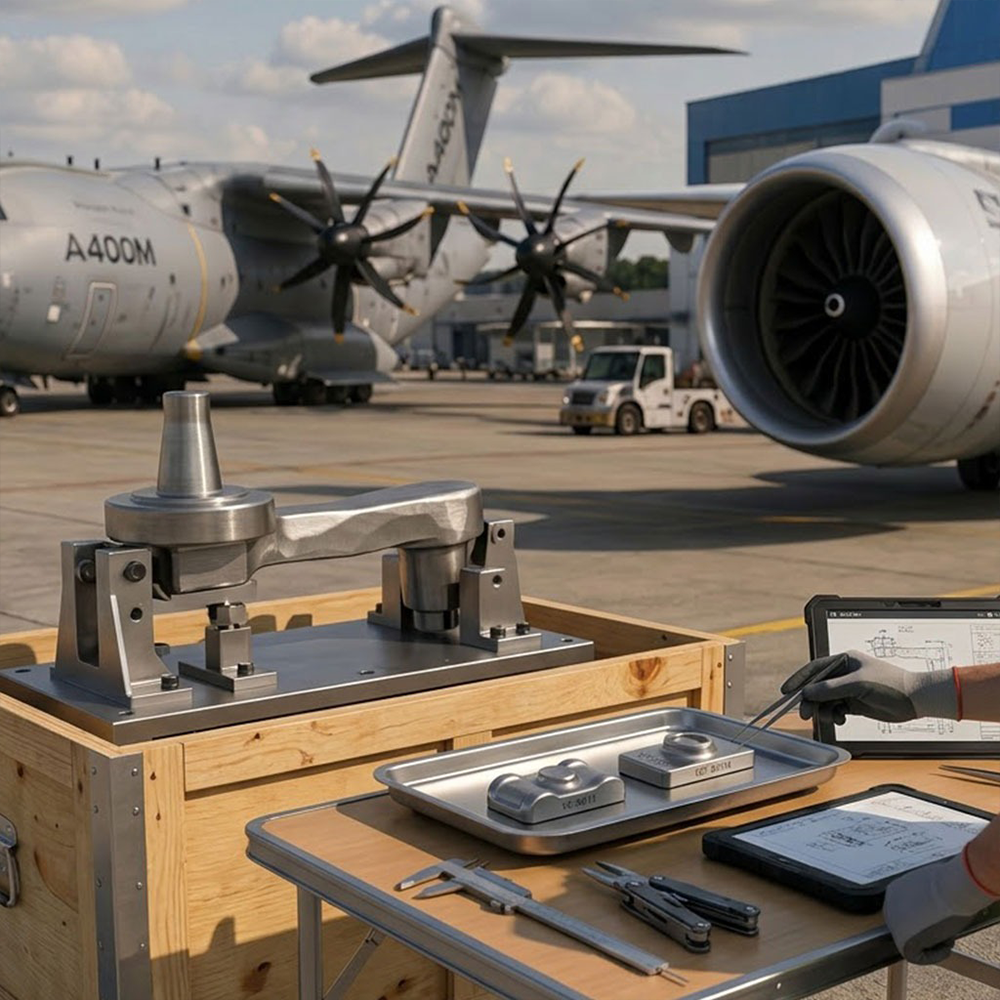
AS9100D Aerospace Forging Supplier for Spain: Airbus Espana, ITP Aero, and Aciturri
Spain’s aerospace manufacturing sector — anchored by Airbus España (Getafe and Puerto Real), ITP Aero (Zamudio, Basque Country), and Aciturri Aeronáutica (Miranda de Ebro) is the fourth-largest in Europe by revenue. ITP Aero designs and manufactures aeroengine components for Rolls-Royce, GE Aerospace, and Pratt & Whitney, consuming Inconel 718 and Ti-6Al-4V disc and ring forgings. […]
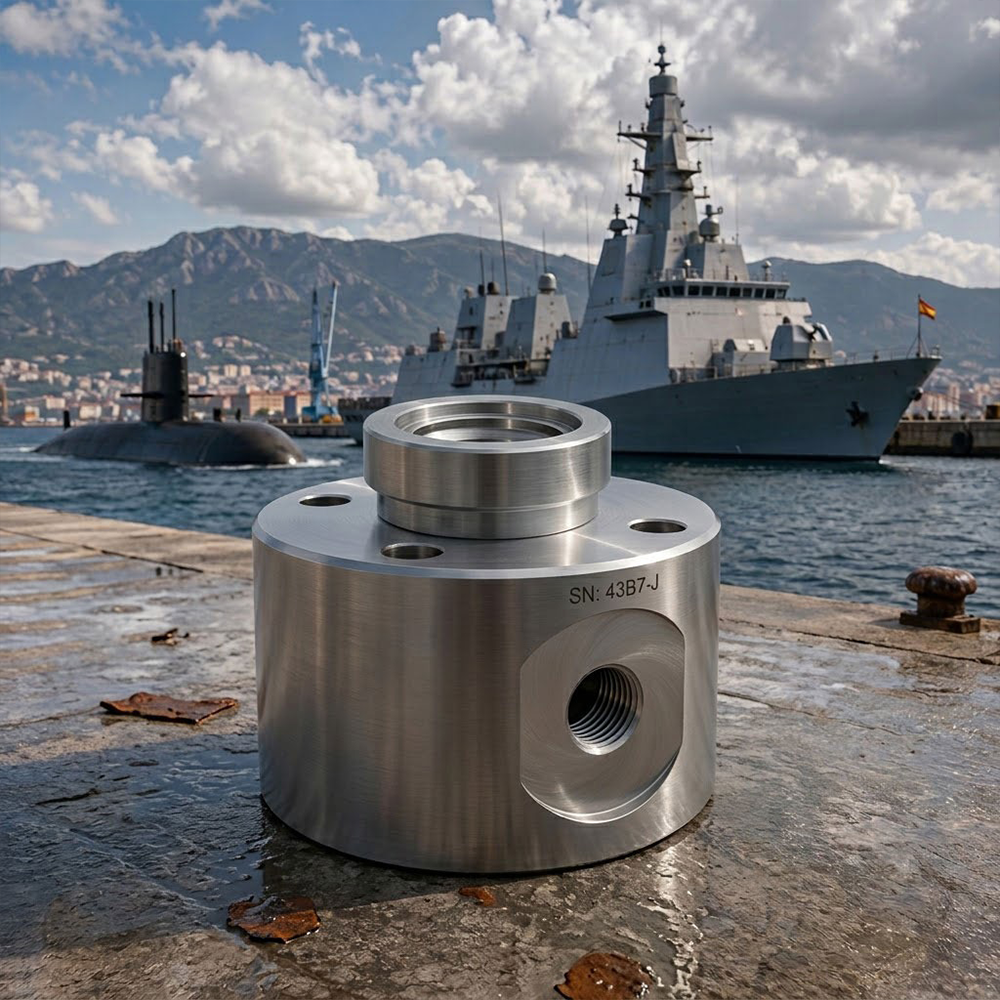
ABS Certified Marine Forging Supplier for Spain: Navantia Shipbuilding Programmes
Navantia — Spain’s state-owned shipbuilder headquartered in Madrid with shipyards at Ferrol, Cádiz, and Cartagena is one of Europe’s most capable naval shipbuilding companies. Navantia produces the F-110 frigate for the Spanish Navy, the S-80 submarine (now S-81 Isaac Peral), and has won international orders for F-100 frigates (Australia’s Hunter class in partnership with BAE […]
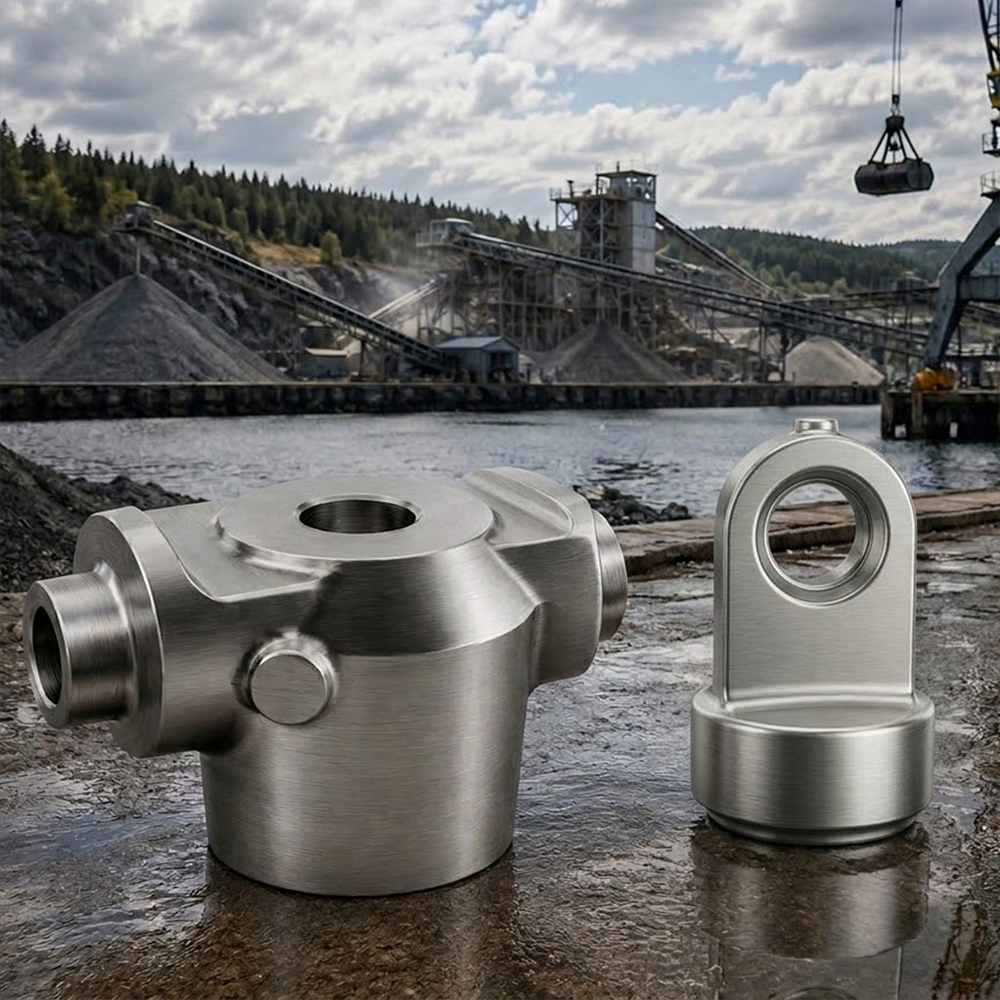
Mining Equipment Forging Supplier for Finland: Metso Outotec and Konecranes
Finland is home to two of the world’s most important mining and materials handling equipment manufacturers – Metso Outotec (Espoo) and Konecranes (Hyvinkää). Metso Outotec produces crushing, grinding, and minerals processing equipment used globally in copper, gold, iron ore, and battery metal mining operations. Konecranes manufactures industrial cranes, hoists, and lifting systems for mines, ports, […]
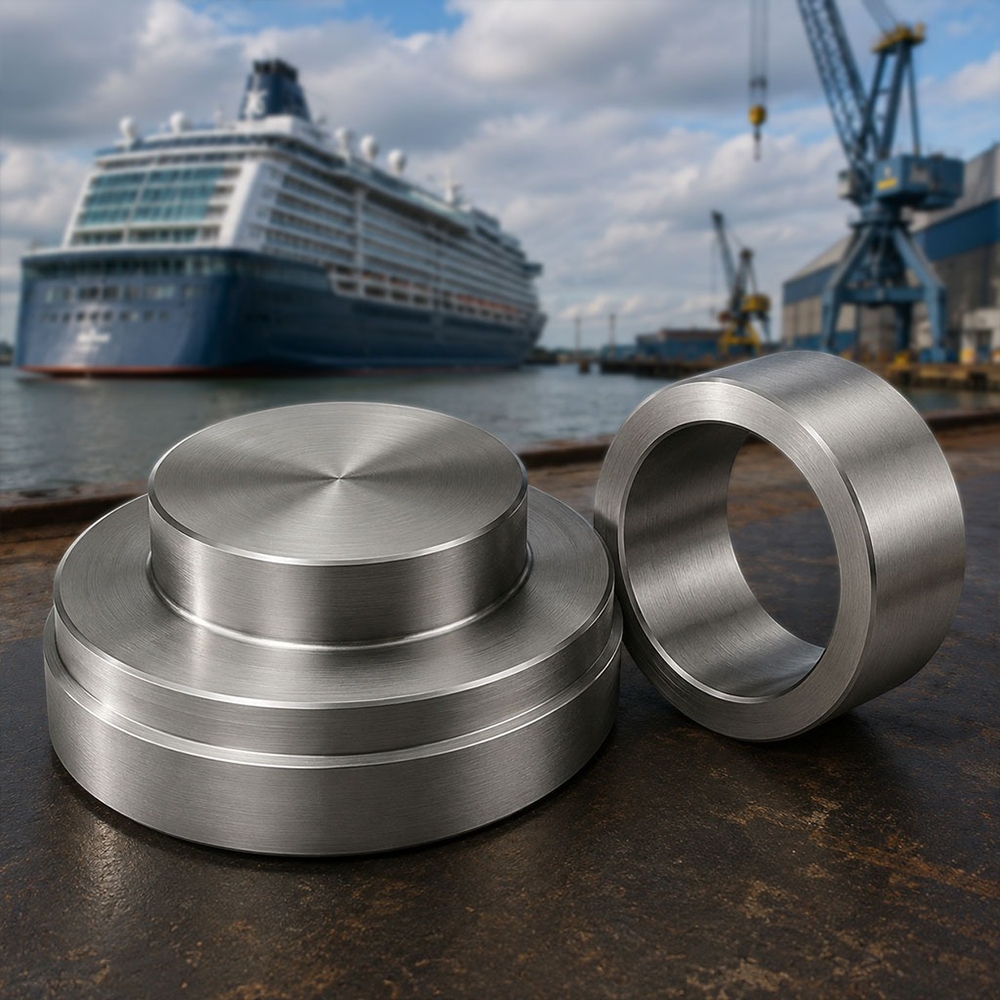
ABS Certified Marine Forging Supplier for Finland: Meyer Turku and Wartsila
Finland’s marine industry — led by Meyer Turku shipyard (Turku), Wärtsilä Corporation (Helsinki), and Kongsberg Maritime Finland represents the highest concentration of cruise ship and complex ferry shipbuilding technology in the world. Meyer Turku has delivered cruise ships for Royal Caribbean, Carnival, and TUI Cruises. Wartsila designs and manufactures large marine diesel and dual-fuel engines, […]
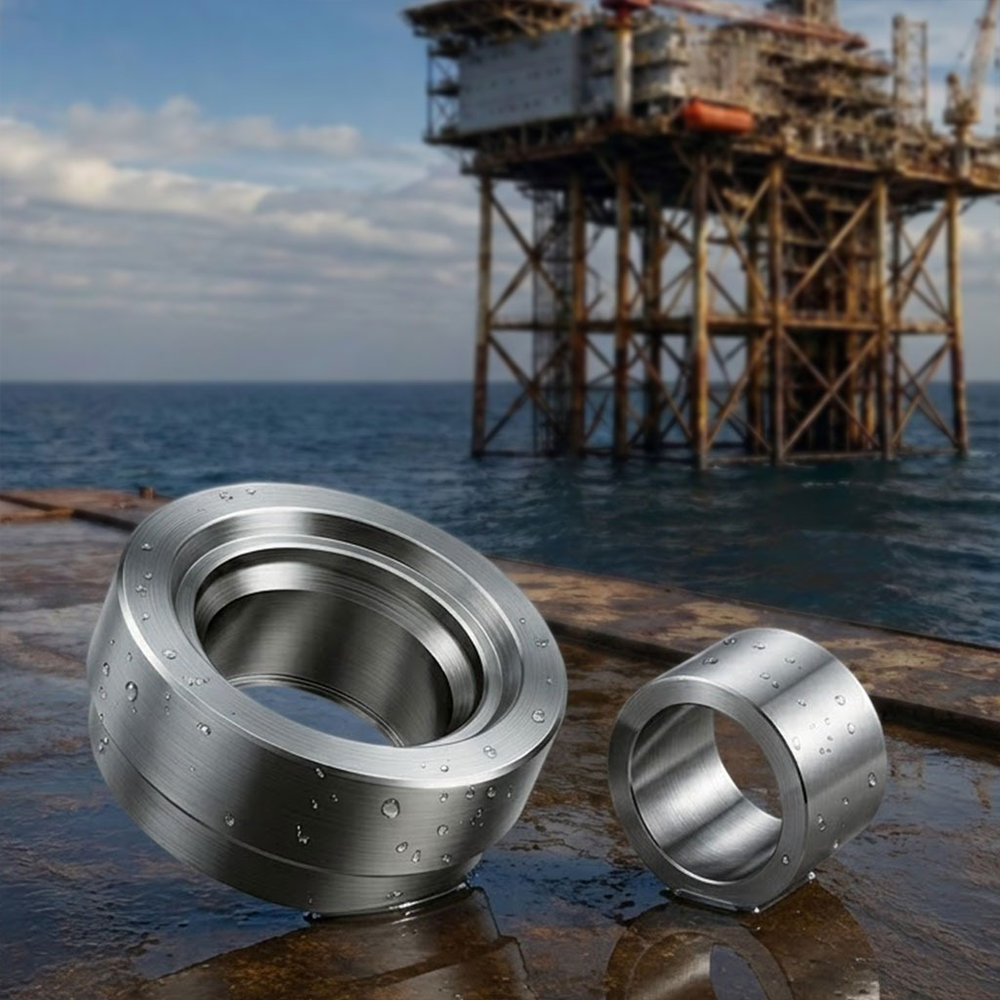
Offshore Platform Jacket Structural Forging: North Sea, Gulf of Mexico, and Global
Fixed offshore platform jackets — the tubular steel lattice structures that support oil and gas production topsides above the sea surface use large structural node forgings, conductor guide frame forgings, and pile sleeve forgings at every tubular intersection. Jacket structural forgings in ASTM A694 F65, ASTM A106 Grade B, and API 5L structural grades are […]
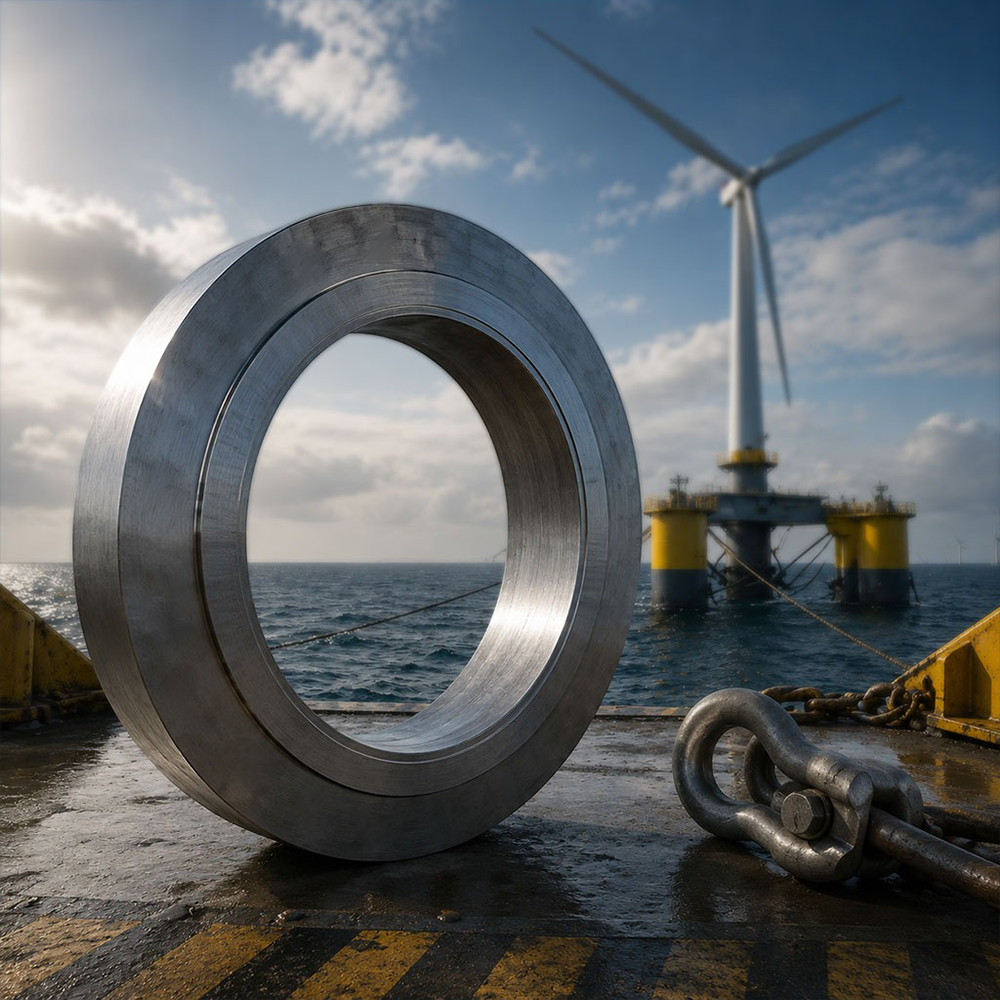
Floating Offshore Wind Forging Supplier: Spar, Semi-Sub, and TLP Structural Components
Floating offshore wind — enabling turbine installation in water depths of 60–1,000+ metres where fixed foundations are impractical is one of the fastest-growing segments of the global energy transition. The three primary floating platform types (spar, semi-submersible, and tension leg platform) all use large structural steel forgings for mooring system hardware, hull structural connection fittings, […]