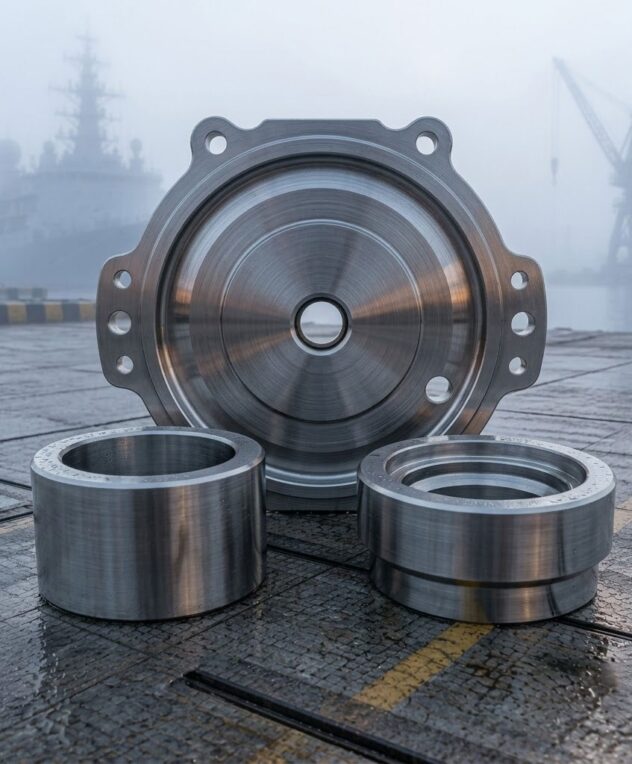

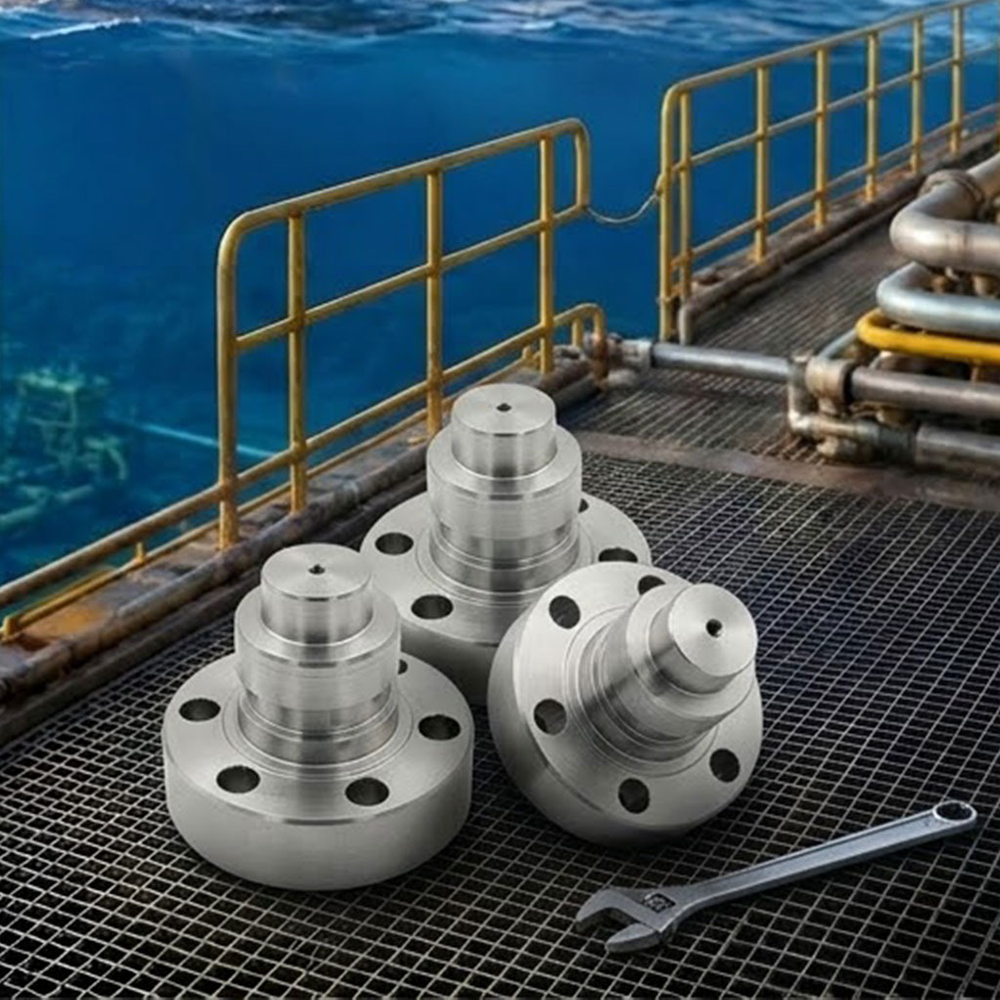
Inconel 625 Forging Supplier for Global Oil, Gas, and Marine Applications
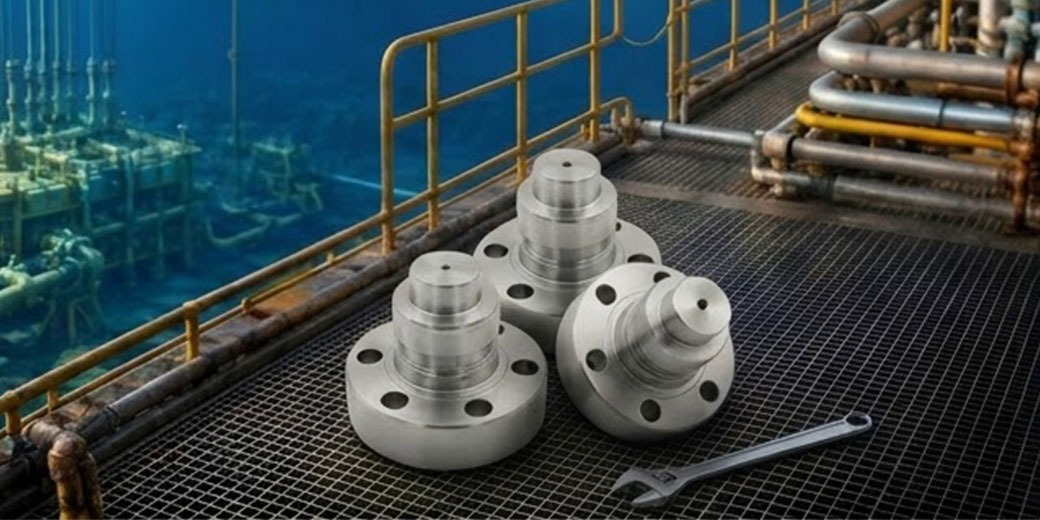
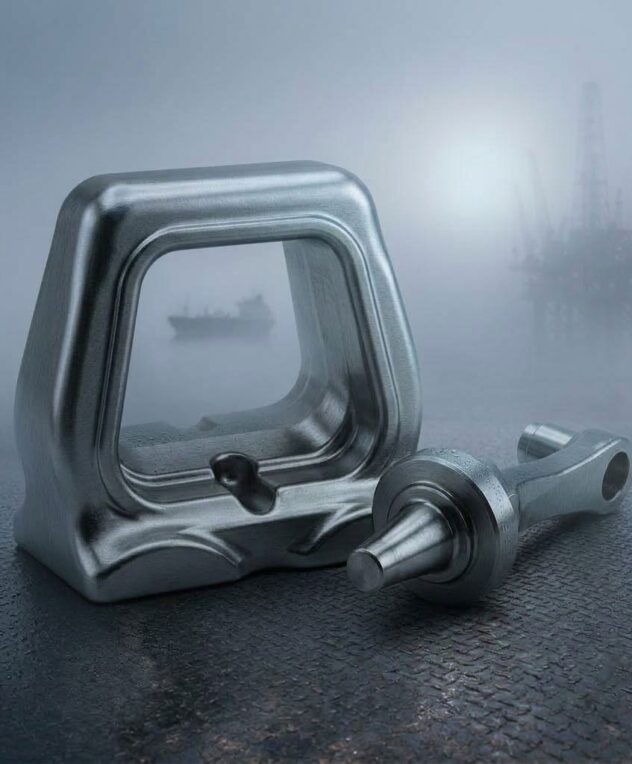
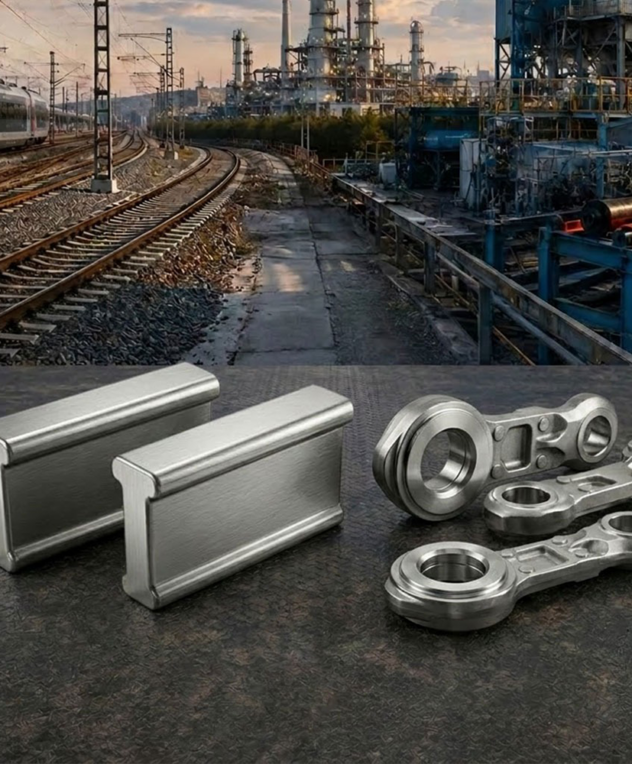
Inconel 625 (UNS N06625, AMS 5666) is the most widely used nickel-chromium-molybdenum-niobium alloy in oil and gas, marine, and chemical processing valued for its exceptional corrosion resistance across a broader range of aggressive environments than any other single nickel alloy. Subsea tree choke bodies, offshore structural ring forgings, marine exhaust structural components, heat exchanger tubesheet forgings, and chemical processing valve body forgings are the primary Inconel 625 forging applications globally. Indian forging manufacturers with solution annealing capability, NABL-accredited mechanical testing, and API 20B certification are positioned to supply global Inconel 625 forging demand.
| Application | Service Environment | Key Property Required | Standard |
| Subsea choke body | High-pressure H₂S + CO₂ + chlorides | Corrosion + erosion resistance | API 20B PSL 3/4, NORSOK M-630 |
| Offshore structural ring | Seawater + cathodic protection | Corrosion resistance, weldability | API 2B, DNV OS-C101 |
| Heat exchanger tubesheet | Aggressive acids, chlorides | Pitting + crevice corrosion resistance | ASME VIII, TEMA R |
| Marine exhaust structural | High-temperature seawater spray | High-temp corrosion, strength | ABS / Lloyd’s Register |
| Chemical processing valve body | HNO₃, HF, phosphoric acid | Chemical resistance, no SCC | ASME B16.34, API 600 |
Inconel 625’s corrosion resistance stems from its composition: approximately 58% nickel (base), 21–23% chromium (passive film former), 8–10% molybdenum (pitting and crevice corrosion resistance), and 3.15–4.15% niobium. At 9% Mo, Inconel 625 achieves a PREN above 50 significantly exceeding super duplex 2507 (PREN ~41) and making it suitable for the most aggressive offshore environments where super duplex would corrode.
The solution annealing heat treatment for Inconel 625 forgings heating to 1,093–1,204°C and rapidly quenching dissolves secondary phases (Laves phase, delta phase) that form during solidification. These secondary phases reduce both corrosion resistance and toughness. The quench must be fast enough to suppress re-precipitation during cooling the component must reach below 427°C within a defined time window depending on section thickness. For large forged tubesheets, the adequacy of through-section cooling is verified by hardness measurement at multiple depths.
Weldability is a key reason Inconel 625 dominates the subsea and offshore structural forging market. Inconel 625 filler wire (ERNiCrMo-3 per AWS A5.14) produces welds fully compatible with the base material that do not require post-weld heat treatment unlike duplex stainless, which requires PWHT to restore corrosion resistance after welding. For subsea equipment where the forged choke body is welded directly into the tree assembly, this weld-without-PWHT capability is operationally critical.
Forging Inconel 625 requires significantly more press force than steel at typical forging temperatures of 1,010–1,177°C, Inconel 625 has a flow stress of 60–120 MPa compared to 10–20 MPa for structural steel. A press capable of forging a 200 kg steel component can only forge approximately a 50–80 kg Inconel 625 component of equivalent geometry. Indian forging manufacturers who successfully produce Inconel 625 forgings must have press capacity adequate for the flow stress not just for the component weight.
Vinir Engineering — Capability for this Market
- API 20B PSL 1–3.
- Inconel 625 (UNS N06625, ASTM B564 / AMS 5666) forgings 1–3,000 kg, closed die and open die.
- Solution annealing at 1,093–1,204°C with immediate rapid water quench.
- Through-section cooling verification by hardness measurement at multiple depths.
- NABL OES chemistry including molybdenum and niobium verification.
- NABL mechanical testing (tensile, Charpy at -46°C).
- 100% UT with Inconel 625-specific calibration standard.
- FPI per ASTM E165. PMI on 100% of Inconel 625 deliveries.
- TPI by Bureau Veritas and DNV.
- Ring rolling to Ø4,500mm for offshore structural rings.