
Forging Supplier for India Shipbuilding: Mazagon Dock, GRSE, and Cochin Shipyard
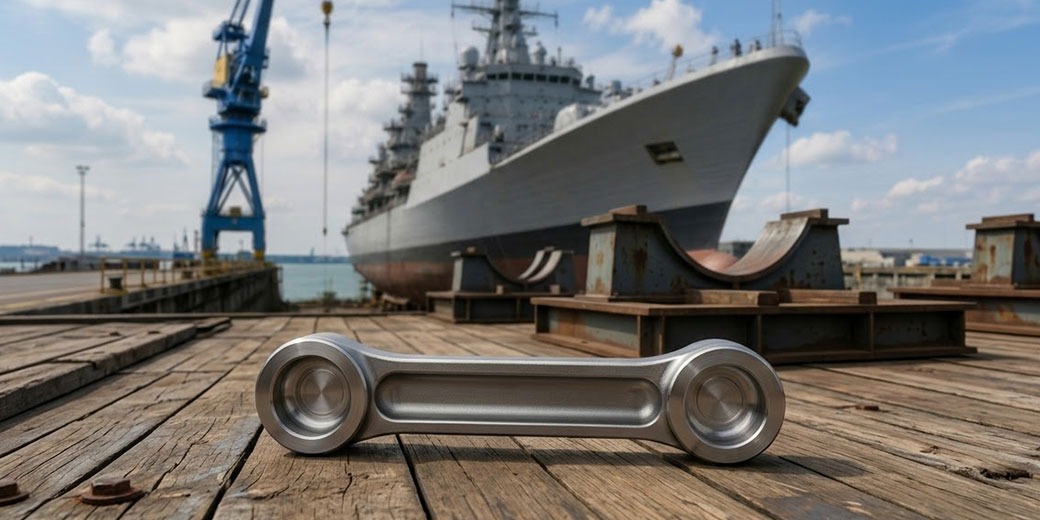
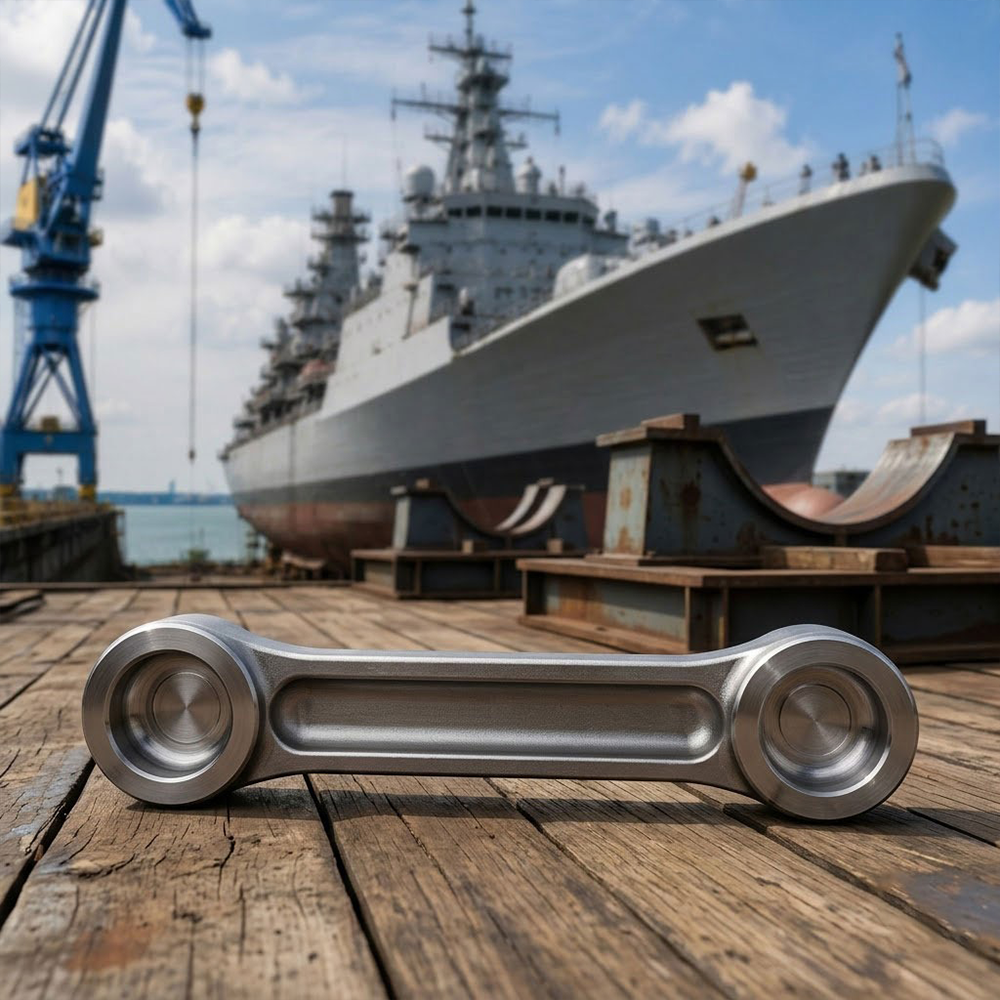
India’s naval and commercial shipbuilding sector — Mazagon Dock Shipbuilders (MDL, Mumbai), Garden Reach Shipbuilders and Engineers (GRSE, Kolkata), Cochin Shipyard Limited (CSL), and Hindustan Shipyard Limited (HSL, Visakhapatnam) is experiencing unprecedented growth driven by the Indian Navy’s 200+ warship construction programme and the government’s Sagarmala initiative. Propulsion shaft forgings, rudder stock forgings, and structural hull fitting forgings for Indian Navy destroyers, frigates, submarines, and commercial vessels require ABS, Bureau Veritas, or Lloyd’s Register marine classification survey credentials that Vinir holds as an ABS-approved manufacturer.
| Shipyard | Programme | Key Forging | Classification |
| Mazagon Dock (Mumbai) | INS Visakhapatnam class (P15B destroyer), Kalvari class submarine | Propulsion shaft, pressure hull fittings | IRS / BV Naval |
| GRSE (Kolkata) | INS Nilgiri class (P17A stealth frigate), LCU Mark IV | Propulsion shaft, structural fittings | IRS / Lloyd’s Register |
| Cochin Shipyard (Kochi) | INS Vikrant (aircraft carrier), commercial vessels | Propulsion shaft, rudder stock, hull fittings | IRS, Lloyd’s Register, ABS |
| HSL (Visakhapatnam) | Fleet support vessels, Indian Coast Guard | Propulsion shaft, structural fittings | IRS, ABS |
| L&T Shipbuilding (Hazira) | Commercial vessels, Coast Guard | Propulsion shaft, structural fittings | ABS / Lloyd’s Register |
Mazagon Dock Shipbuilders Limited (MDL) — India’s premier warship builder is constructing the P15B Visakhapatnam-class destroyers (four ships, 7,400 tonnes displacement) and the Kalvari-class Scorpene submarines (six submarines, under technology transfer from Naval Group France). Each P15B destroyer uses two propulsion shaft systems with alloy steel propulsion shaft forgings of 2,000–5,000 kg each. Each Kalvari submarine requires a single propulsion shaft forging and pressure hull fitting forgings in high-strength steel equivalent to HY-80. MDL procures these forgings through IRS (India’s national classification society) and Bureau Veritas Naval.
GRSE — constructing the P17A Nilgiri-class stealth frigates (seven ships, 6,670 tonnes) uses a CODAD propulsion system with alloy steel shaft forgings of 1,500–3,000 kg each. GRSE has historically sourced propulsion shaft forgings from European and Korean sources India’s Atmanirbhar Bharat naval programme explicitly targets domestic sourcing of these structural and propulsion forgings as part of the 70%+ domestic content requirement for naval construction.
Cochin Shipyard Limited — which built INS Vikrant (India’s first domestically built aircraft carrier, 45,000 tonnes, delivered 2022) is India’s largest shipyard by dry-dock capacity. INS Vikrant’s propulsion uses four LM2500 gas turbines and four shaft propulsion systems each shaft requiring large-diameter alloy steel propulsion shaft forgings (3,000–8,000 kg per shaft) with IRS classification survey. CSL is now building the next IAC-2 at 65,000 tonnes an even larger programme with higher forging content.
The Indian Register of Shipping (IRS) — headquartered in Mumbai is India’s national classification society and an IACS associate member. IRS classification survey for Indian naval and commercial vessels is equivalent in technical rigor to ABS, DNV, and Lloyd’s Register classification. Vinir’s ABS marine approval covers the same technical requirements as IRS survey and can be applied to IRS-classed vessel supply.
Vinir Capability
- ABS approved manufacturer recognised by IRS, Bureau Veritas, and Lloyd’s Register as equivalent IACS classification society approval.
- Open die alloy steel propulsion shaft forgings to 15,000 kg on 3,000T hydraulic press.
- HY-80 equivalent high-strength alloy steel for pressure hull structural fittings.
- ABS Grade 3 and Grade 4 alloy steel per ABS Rules for Survey at Sea.
- IRS survey coordination through IRS-recognised surveyors.
- 100% UT before and after heat treatment per ASTM A388.
- Wet fluorescent MT in two perpendicular directions.
- Atmanirbhar Bharat domestic defence content documentation.
- Close proximity to Cochin (6 hours road from Hosur).