
Forging Supplier for Saudi Arabia Oil and Gas: Saudi Aramco and SABIC Supply Chain
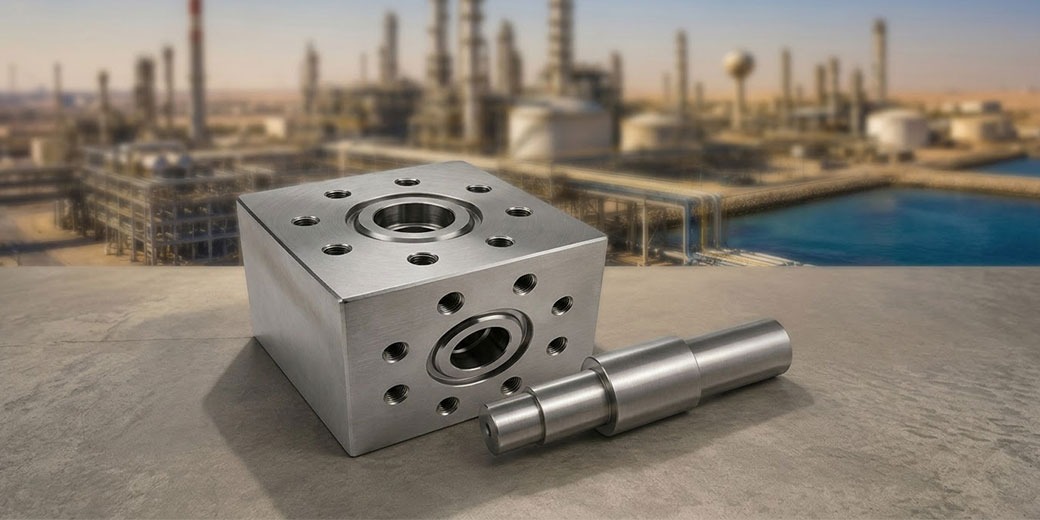
Saudi Arabia operates the world’s largest oil and gas production system Saudi Aramco’s upstream, midstream, and downstream operations span 2.5 million barrels per day of maximum sustained production capacity with the world’s lowest per-barrel production cost. SABIC (Saudi Basic Industries Corporation, now Aramco subsidiary) operates 26 world-scale petrochemical complexes. Together, Saudi Aramco and SABIC procure substantial quantities of API 20B certified valve body forgings, pressure vessel nozzle forgings, and structural fittings annually through their approved vendor lists. Indian API 20B certified forging manufacturers are well positioned to supply this market.
| Operator / OEM | Facility / System | Key Forging | Standard |
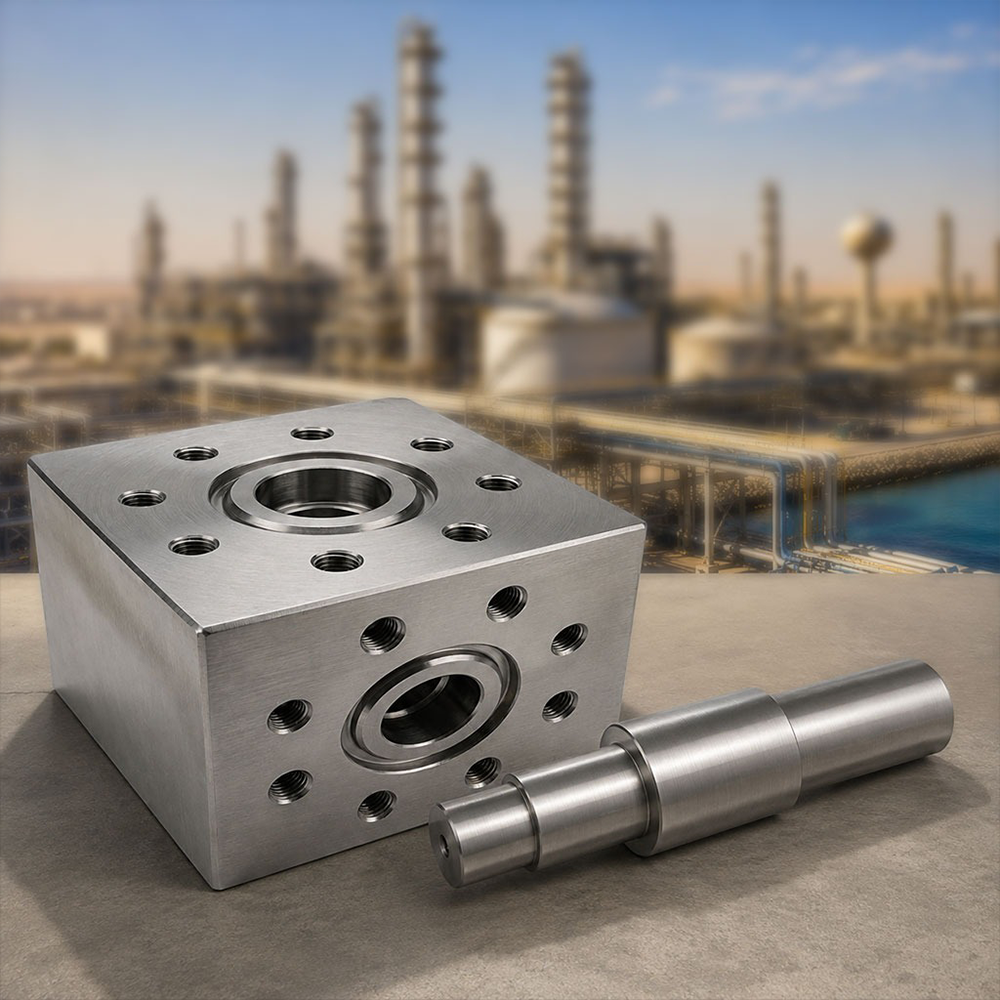
| Saudi Aramco | Ghawar, Khurais, Safaniyah upstream | Wellhead valve bodies, choke bodies, pressure housings | API 20B PSL 2/3, SAES specs |
| Saudi Aramco | Ras Tanura, Jubail refineries | Valve bodies, pressure vessel nozzles, flanges | API 20B, ASME VIII, SAES |
| SABIC (Jubail, Yanbu) | Petrochemical plants | Pressure vessel nozzles, valve bodies | API 20B, ASME VIII |
| Saudi Aramco Gas | Master Gas System, Hasbah | Sour service valve bodies, 4130M | API 20B, NACE MR0175 |
| SWCC / NEOM | Desalination, energy infrastructure | Titanium flange forgings, duplex flanges | API 20B, ASME B16.47 |
Saudi Aramco’s vendor qualification system — the Vendor Registration and Qualification (VRQ) process — is one of the most comprehensive in the global oil and gas industry. Saudi Aramco applies its own Saudi Aramco Engineering Standards (SAES) that supplement API 20B and ASME codes with Aramco-specific material restrictions, inspection requirements, and documentation formats. SAES-A-005 (safety requirements for pressure equipment) and SAES-W-011 (welding requirements) flow down to forging manufacturers as additional requirements beyond the API base standard.
Aramco’s Approved Vendor List (AVL) for forging manufacturers is maintained by the Vendor Registration Qualification (VRQ) department in Dhahran. Entry onto the Aramco AVL requires: API 20B license verification, on-site audit by Aramco’s Third Party Inspection (TPI) agency (Bureau Veritas, SGS, or Intertek), submission of a Technical Qualification Package (TQP), and production of qualification sample forgings for Aramco engineering review. Timeline: 18–30 months from initial registration to AVL approval.
SABIC — now an Aramco subsidiary following Aramco’s acquisition of a 70% stake in 2020 operates petrochemical facilities in Jubail Industrial City and Yanbu Industrial City. Pressure vessel nozzle forgings in A182 F316L stainless and 4140 alloy steel are the highest-volume SABIC forging categories.
Saudi Arabia’s Vision 2030 industrial diversification programme is driving new non-oil industrial investment NEOM, the Red Sea Project, and Qiddiya all involve substantial infrastructure with process engineering forging needs. SWCC (Saline Water Conversion Corporation) operates the world’s largest desalination network titanium and duplex stainless steel flange forgings for seawater desalination systems represent a growing procurement category.
Vinir Engineering — Capability for this Market
- API 20B PSL 1–3.
- 4130M NACE MR0175 sour service for Aramco Master Gas System.
- A182 F316L and F51 duplex for SABIC petrochemical service.
- SAES-compatible documentation format.
- TPI by Bureau Veritas and SGS both on Aramco TPI approved list.
- Titanium Grade 2 and Grade 12 flange forgings for SWCC desalination.
- NABL Charpy at -46°C.
- PMI on all CRA components.
- Ocean freight Chennai to Jubail or Dammam: 8–12 days.