

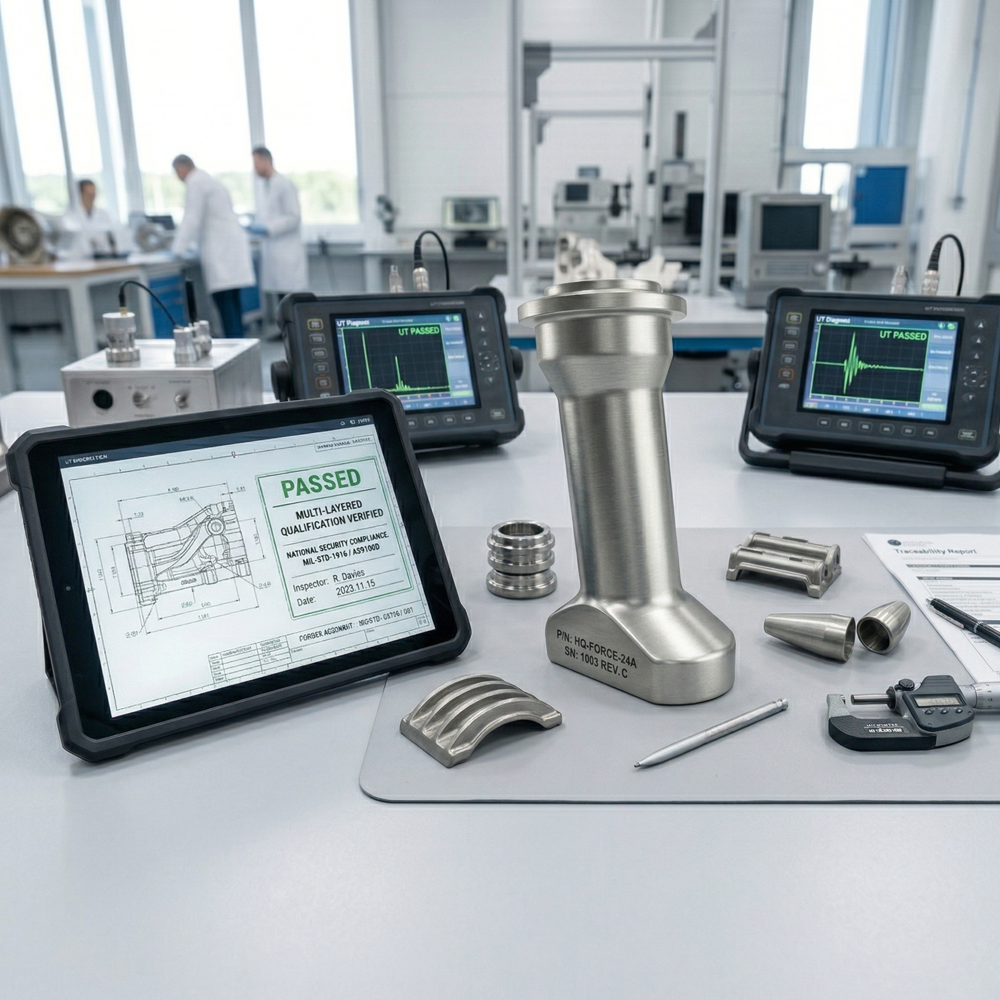
Nuclear forging manufacturers: regulatory discipline, documentation architecture, and structural assurance in critical applications
Nuclear Forgings Operate Under Regulatory Oversight, Not Commercial Flexibility In nuclear applications, forging manufacturing is governed by regulatory discipline rather than market convenience. Components used in nuclear reactors, pressure systems, containment assemblies, and safety mechanisms must meet stringent structural and documentation requirements defined by international and regional codes. Unlike other industrial
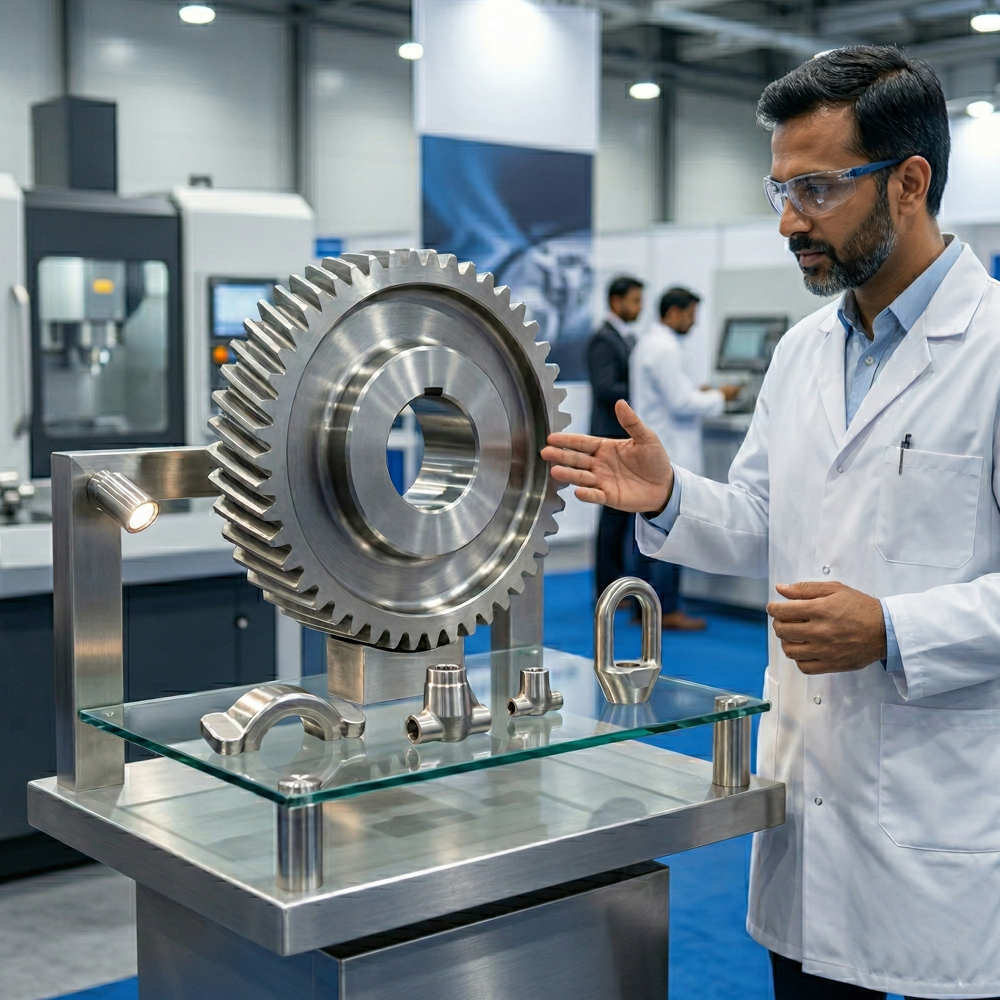
High-mix, low-volume forging manufacturing: capability vs capacity in critical industries
Why High-Mix, Low-Volume Manufacturing Is Fundamentally Different from Automotive Forging In heavy industry, not all forging manufacturing models are built the same. Automotive forging is designed for: By contrast, critical industries such as oil & gas, aerospace, defence, nuclear, marine, railways, and heavy equipment operate under a completely different demand structure. They require: This is […]
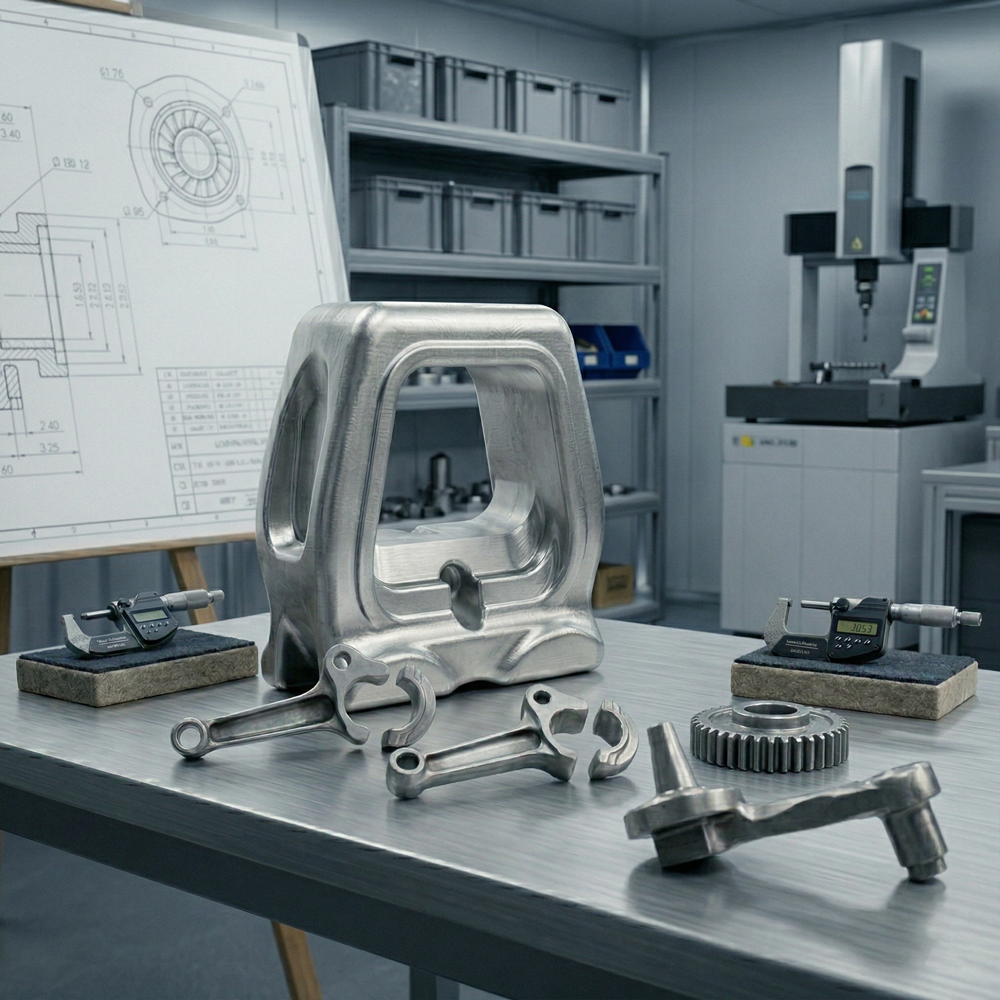
Aerospace Forging Manufacturers in India: Airworthiness Compliance, Material Traceability, and Structural Performance Control
Aerospace Forgings Are Engineered for Predictability – Not Just Strength In aerospace manufacturing, the failure tolerance of components approaches zero. A forged bracket, rotating disc, structural connector, or landing gear element does not merely need to meet mechanical specifications — it must demonstrate predictable performance under cyclic stress, temperature variation, and long-term service exposure. Unlike [&h
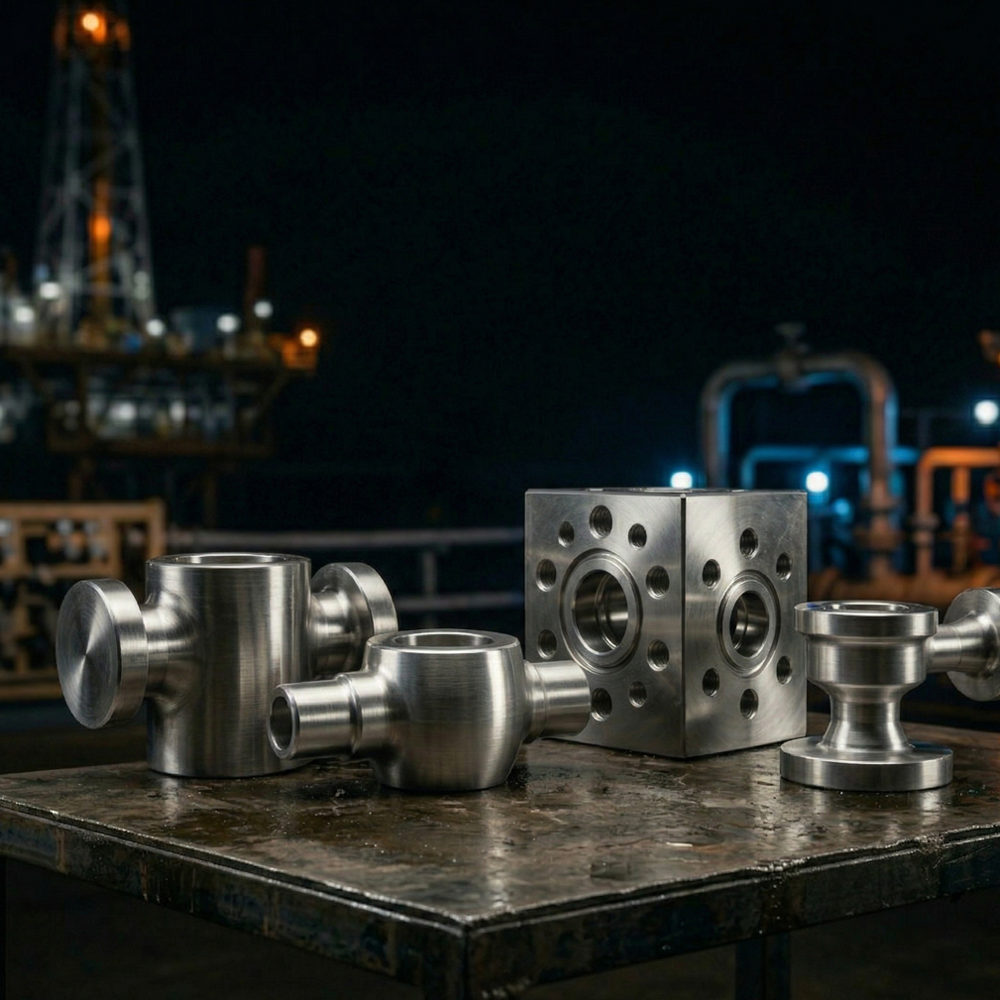
Critical forging requirements in the oil & gas industry: materials, compliance, and manufacturing controls
Why Oil & Gas Forgings Operate Under Zero-Margin Conditions In the oil & gas industry, forged components operate under some of the harshest mechanical and environmental conditions in heavy engineering. They face: Failure of a forged valve body, bonnet, casing head, or pressure-retaining component can result in catastrophic environmental, financial, and safety consequences. As a […]
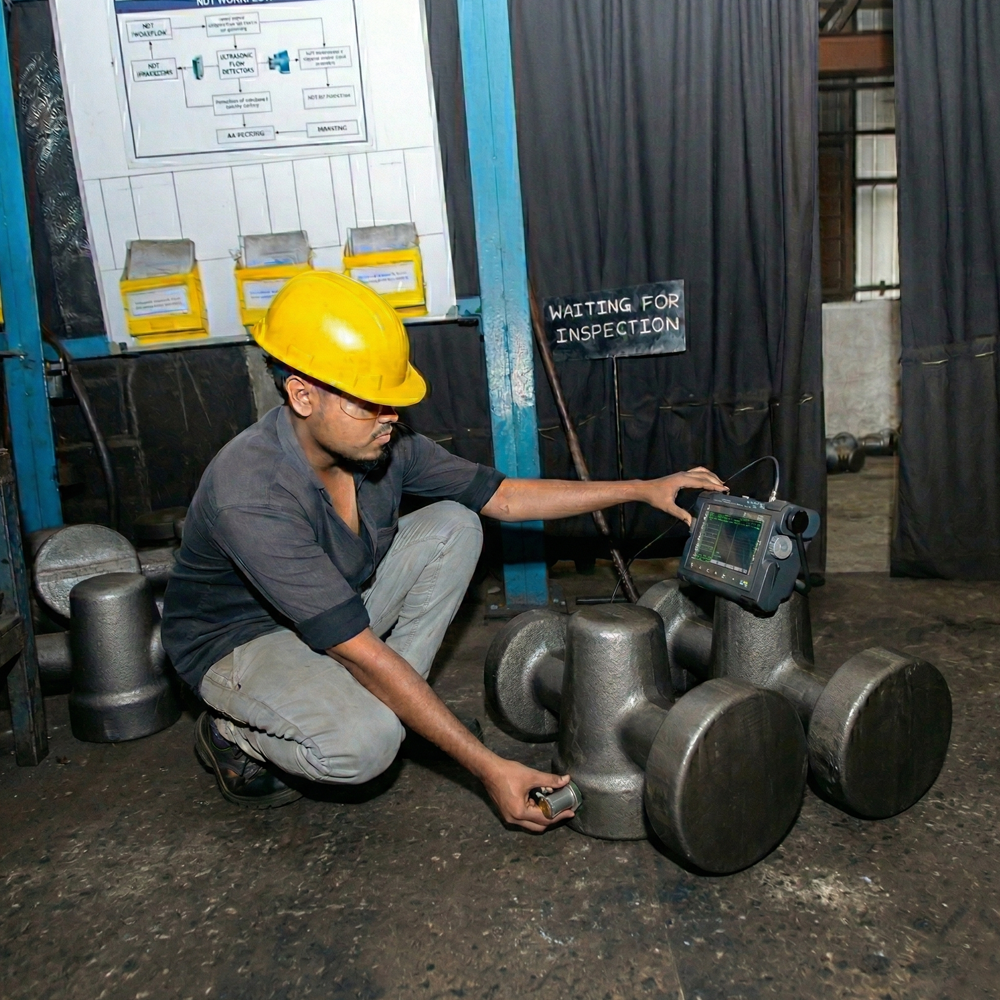
Industrial forging audits explained: what buyers actually verify on-site
Audits Are About Process Discipline, Not Presentation When OEMs audit a forging manufacturer, they are not looking for polished conference rooms or framed certificates. They are assessing whether the supplier’s processes are structurally reliable. In oil & gas, aerospace, defence, nuclear, marine, and heavy industrial sectors, audits determine whether a forging supplier can enter — […]
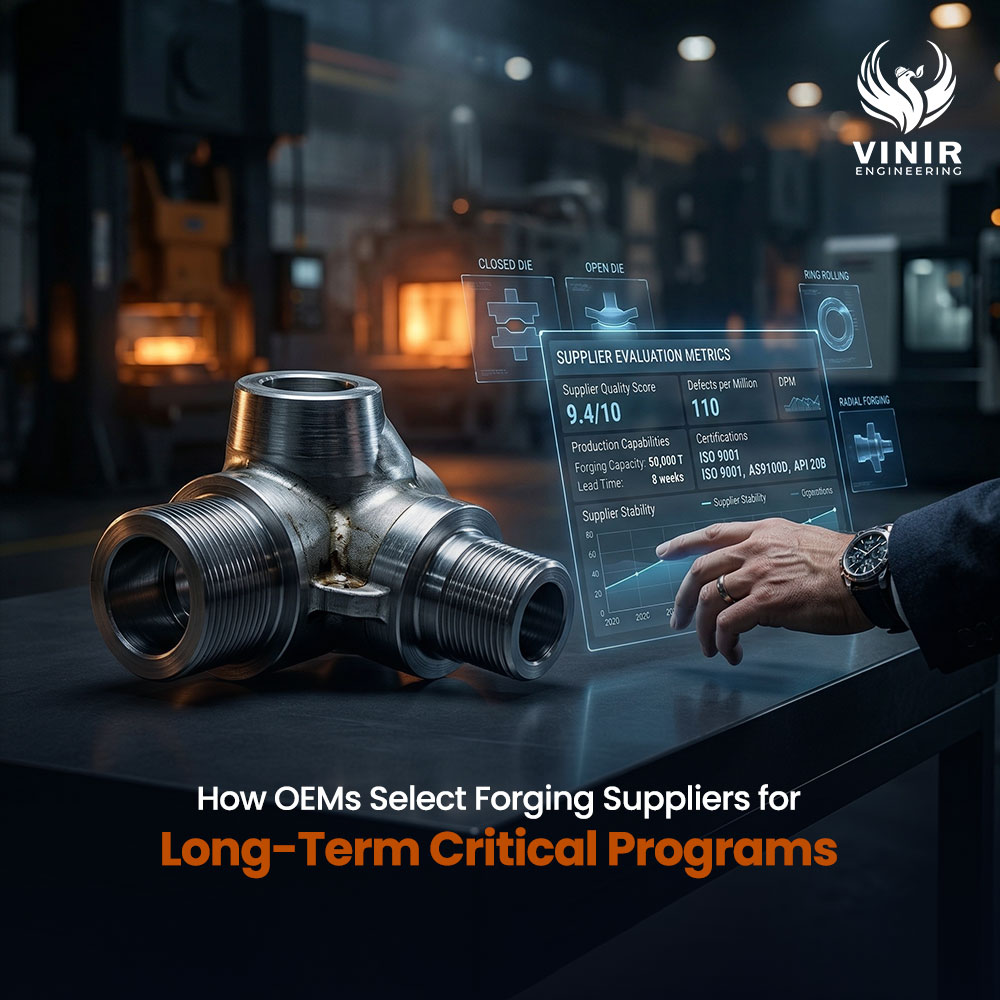
How oems select forging suppliers for long-term critical programs
Supplier Selection Is Risk Selection In critical industries, selecting a forging supplier is not a transactional decision. It is a long-term risk allocation decision. Oil & gas systems operate under pressure. Aerospace components operate under fatigue. Defence platforms operate under mission-critical conditions. Nuclear installations operate under regulatory scrutiny. In these environments, a forging supplier is [&hellip
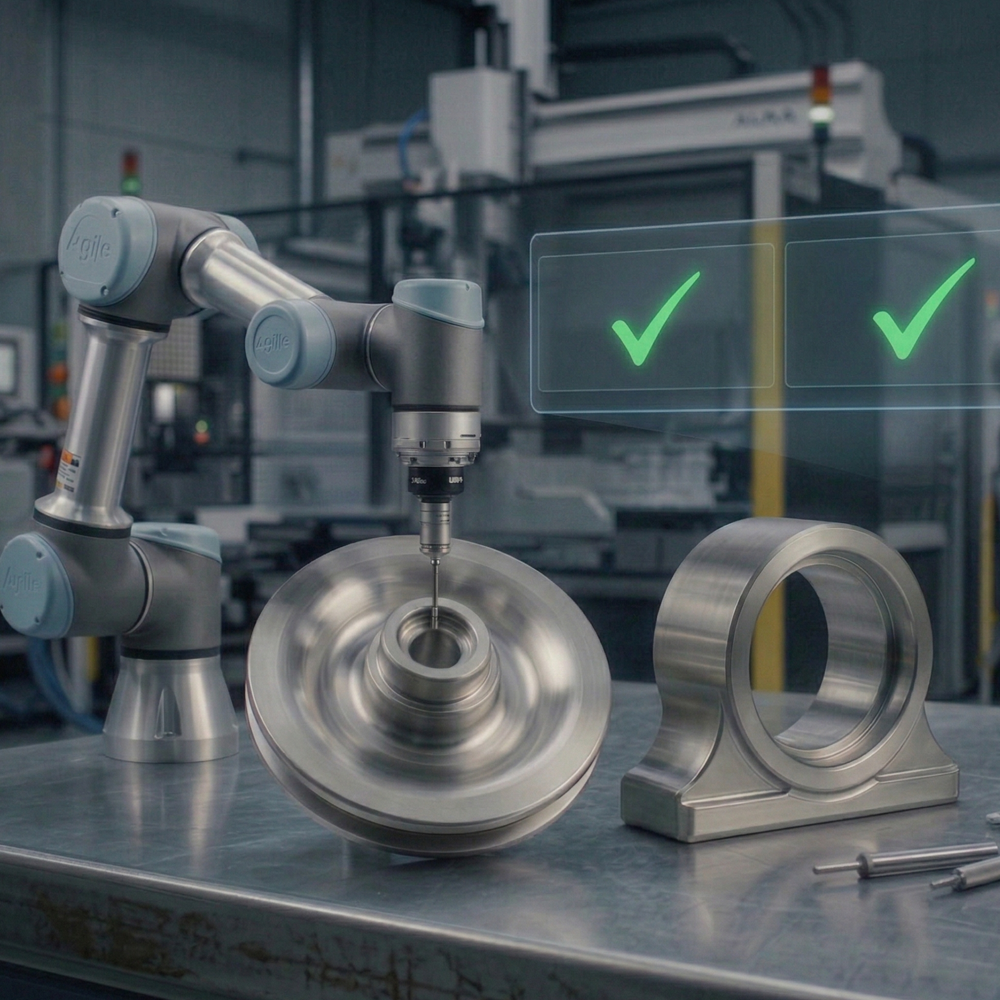
Global compliance framework for forging manufacturers in critical industries
Certification Is Not a Badge — It Is Market Access In critical industries, a forging manufacturer is not evaluated solely on machining capacity or press tonnage. Access to aerospace, oil & gas, nuclear, defence, marine, and railway programs depends on compliance architecture. Certifications are not marketing symbols. They are structured validation mechanisms that determine: Understanding […]
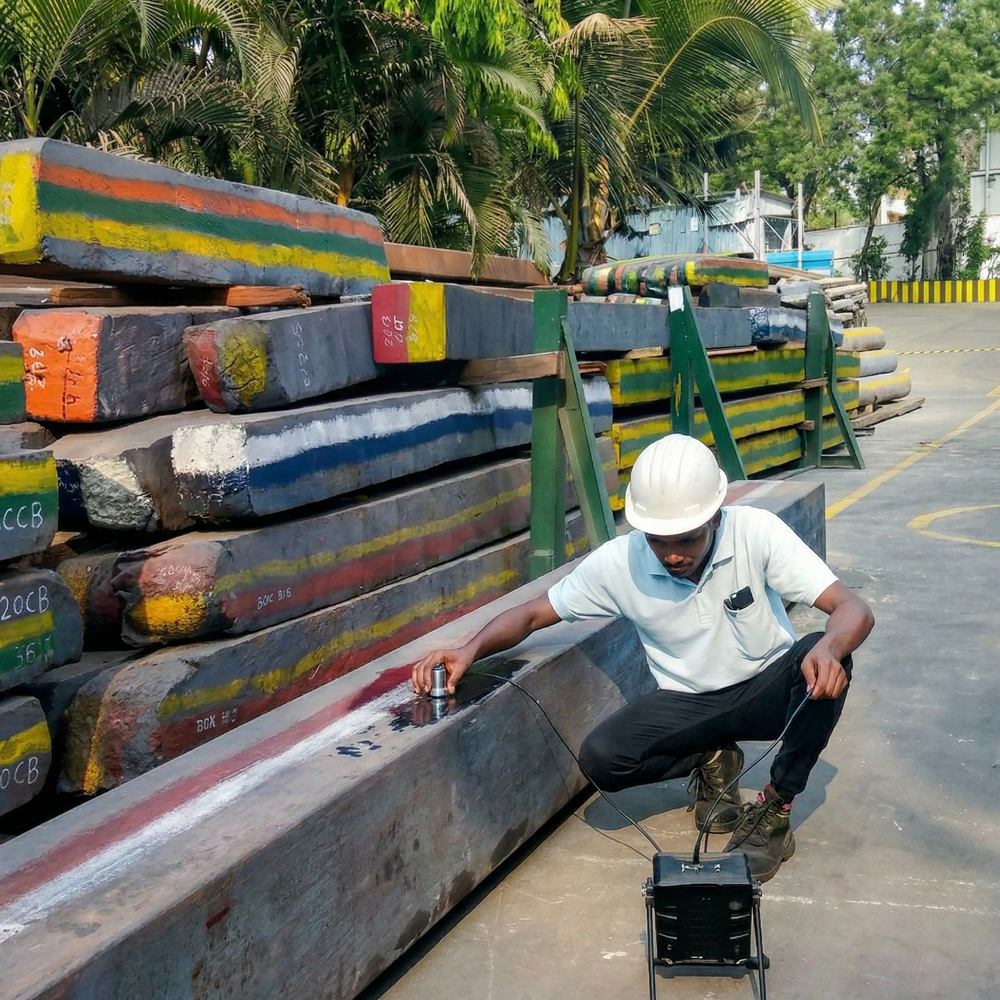
Quality control in forging manufacturing: inspection, ndt, and process validation in critical applications
Why Quality Control in Forging Is Not an End-of-Line Activity In critical industries, quality control is not a department. It is an engineering system embedded into every stage of forging manufacturing — from raw material intake to final dimensional inspection. For oil & gas, aerospace, defence, nuclear, marine, and heavy industrial applications, inspection is not […]
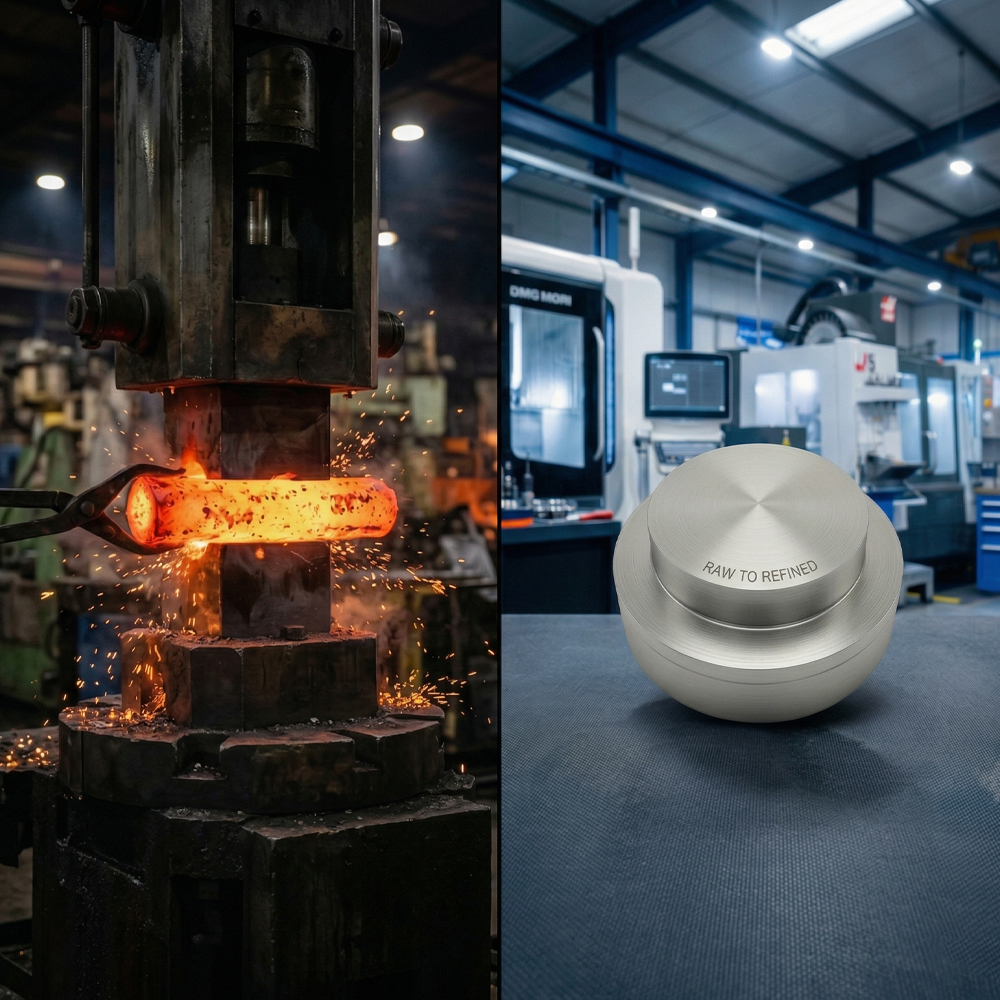
From raw material to machined component: the complete forge-to-finish workflow in critical manufacturing
Why Forge-to-Finish Is Not Just Vertical Integration In critical industries, the journey of a forged component does not begin at the forging press — and it certainly does not end there. Between raw material procurement and final machining lies a tightly controlled chain of metallurgical decisions, deformation engineering, heat treatment control, dimensional correction, inspection validation, […]