
API 20B Certified Forging Supplier for Australia LNG: Woodside, Chevron, and Shell Prelude
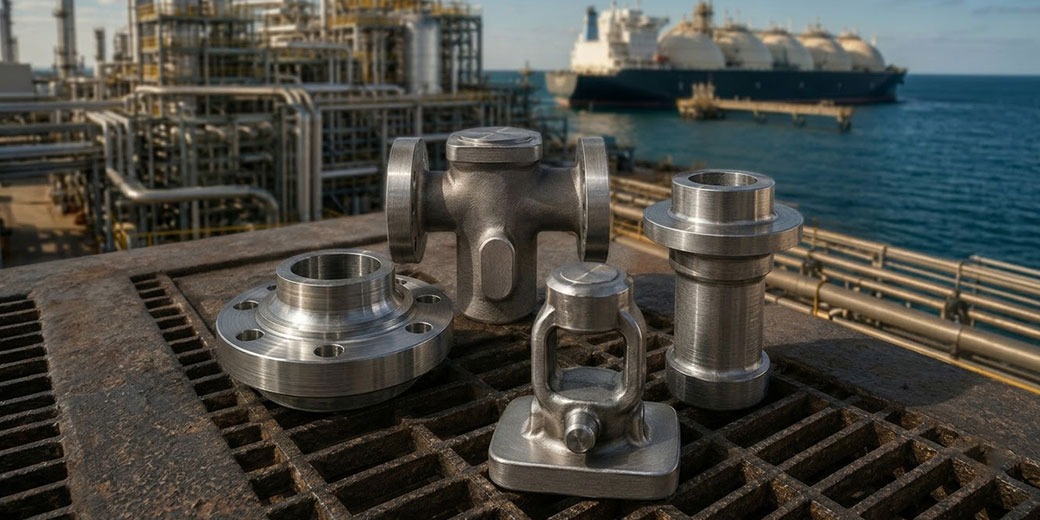
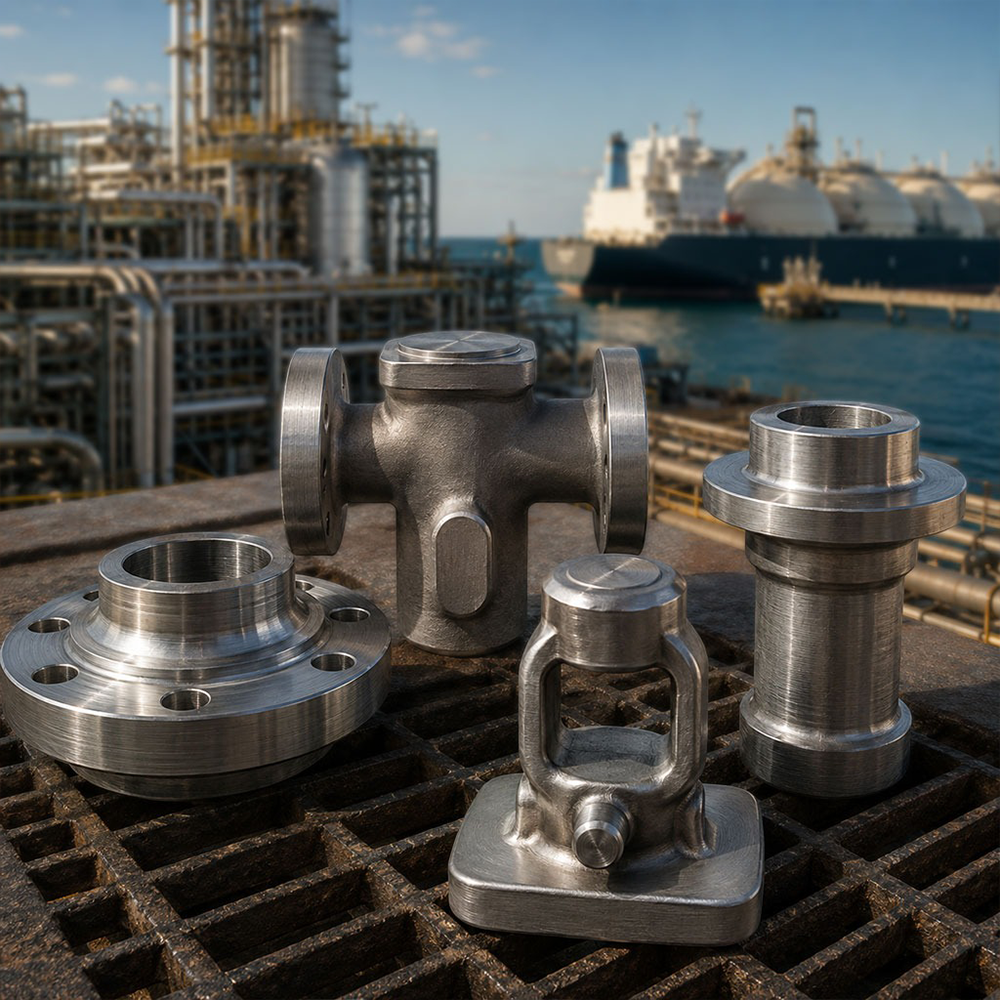
Australia is the world’s largest LNG exporter — shipping approximately 80 million tonnes of LNG annually from facilities in Western Australia (Woodside’s North West Shelf, Pluto; Chevron’s Gorgon and Wheatstone; Shell’s Prelude FLNG) and Queensland (QGC, APLNG, GLNG). These world-scale LNG facilities require ongoing maintenance and expansion procurement of API 20B certified valve body forgings, cryogenic piping flanges, and pressure system forgings in A182 F304L and F316L stainless and alloy steel. Indian API 20B certified forging manufacturers are positioned to supply Australian LNG operations.
| Operator | Facility | Key Forging | Standard |
| Woodside Energy | North West Shelf, Pluto LNG, Scarborough | Cryogenic flanges, valve bodies, expansion joints | API 20B PSL 2/3, AS 4041 |
| Chevron Australia | Gorgon, Wheatstone LNG | Topside valve bodies, pressure vessel nozzles | API 20B PSL 2/3, NACE |
| Shell (Prelude FLNG) | Prelude FLNG vessel | Cryogenic piping flanges, structural fittings | API 20B PSL 3, ABS/DNV |
| Santos (GLNG, Darwin LNG) | Darwin, Gladstone | Pressure housings, valve bodies | API 20B PSL 2 |
| ConocoPhillips (APLNG) | Gladstone LNG | Topside flanges, piping forgings | API 20B PSL 2 |
Australia’s LNG export industry — representing approximately $60 billion in annual export revenue is the primary driver of Australian oil and gas forging demand. LNG facilities require cryogenic-service forgings capable of maintaining adequate toughness at liquid natural gas temperatures (-162°C at atmospheric pressure, -110°C to -163°C in pressurised cryogenic service depending on the system). The standard material for LNG cryogenic service is A182 F304L or F316L austenitic stainless steel both maintain adequate Charpy impact toughness at cryogenic temperatures without embrittlement.
Woodside Energy — Australia’s largest oil and gas producer following the 2022 merger with BHP Petroleum operates the North West Shelf LNG facility (the world’s longest-operating LNG plant, since 1989), Pluto LNG, and is developing the Scarborough gas field for LNG export. Woodside’s procurement standards apply API 20B and the Australian Standard AS 4041 (pressure piping) the Australian national pressure equipment code that governs pressure piping design and material requirements for Australian onshore facilities. AS 4041 references ASTM material specifications directly, so A182 F304L and F316L stainless forgings meeting ASTM requirements satisfy both AS 4041 and API 20B procurement requirements simultaneously.
Shell’s Prelude FLNG — the world’s first and largest floating LNG facility (488,000 tonnes displacement) is moored off Western Australia and processes gas from the Prelude and Concerto gas fields. Prelude’s topside equipment includes cryogenic LNG processing trains, condensate separation, and LNG loading equipment. As an ABS-classed vessel, Prelude’s structural and pressure system forgings require ABS classification survey the same ABS survey requirements that apply to conventional shipping but extended to the LNG processing equipment on the topsides. Prelude’s remote location (472 km off the WA coast) makes supply chain resilience particularly important long-lead items like large custom forgings require advance procurement planning.
Australia’s LNG facility brownfield expansion and debottlenecking projects create ongoing forging procurement beyond initial facility commissioning. Chevron’s Gorgon and Wheatstone trains are being optimised for higher throughput; Woodside’s North West Shelf facility is evaluating life extension beyond its current 2040 planned cessation. These brownfield activities require replacement forgings for worn valves, pressure vessels, and piping components generating recurring demand for A182 F304L and F316L stainless forgings at API 20B PSL 2/3.
Vinir Engineering — Capability for this Market
- API 20B PSL 1–3.
- A182 F304L and F316L austenitic stainless forgings for LNG cryogenic service.
- NABL Charpy at -196°C (liquid nitrogen temperature) for cryogenic qualification testing.
- Solution annealing at 1,040–1,120°C with rapid water quench.
- 4130M alloy steel for non-cryogenic pressure systems with NACE MR0175 sour service where H₂S present.
- TPI by Bureau Veritas, DNV, and SGS — all recognised by Australian LNG operators.
- AS 4041 compliance documentation available alongside API 20B.
- Ocean freight Chennai to Fremantle (WA) or Gladstone (QLD): 14–20 days (shorter than European routes).