

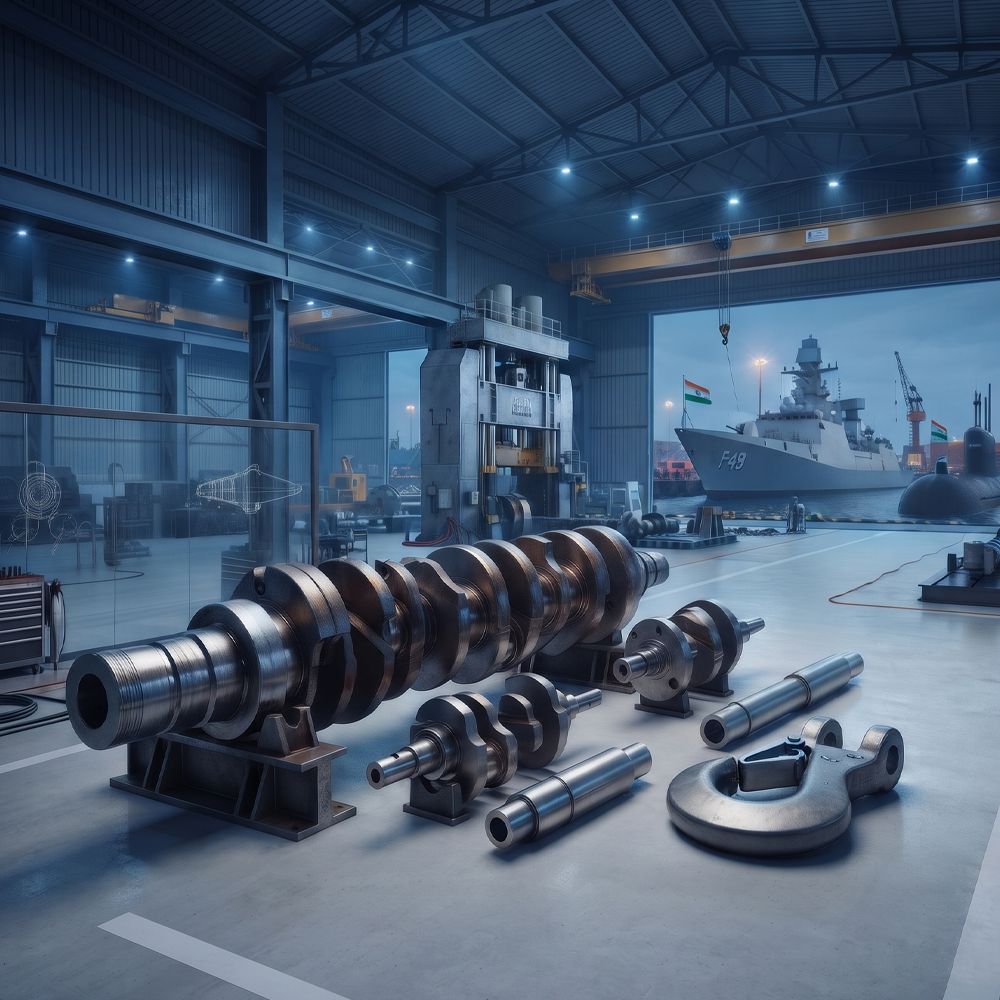
Naval Forgings in India: ABS Certified Components for Naval Defence Programmes
Naval defence forgings are forged metallic components used in warships, submarines, offshore patrol vessels, and coastal defence platforms. Unlike commercial marine forgings, naval components carry additional requirements — classification society approval (ABS, Lloyd’s Register, or Bureau Veritas), material specifications that exceed commercial grades, DGQA oversight for Indian Navy procurement, and in many cases spe
Defence Forging Material Selection: Alloy Steel, Titanium, Inconel, and Armour Steel
Defence forging material selection is one of the most consequential decisions in a weapons platform design programme. The wrong material choice — insufficient strength, wrong toughness profile, inadequate corrosion resistance, or poor forgeability — creates problems that cascade through qualification, production, and in-service performance. Material selection for defence forgings is driven by five primary factors: [&hell
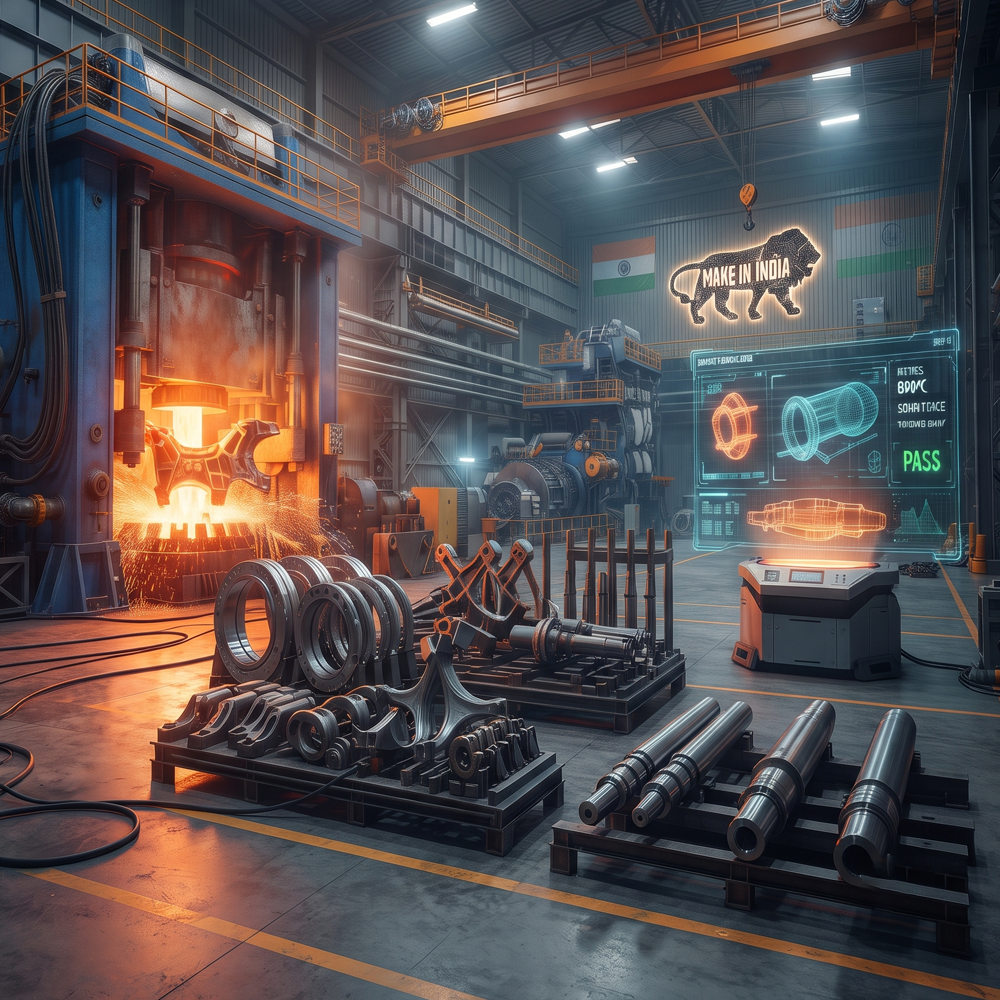
Indigenisation in Defence Forging: India’s Make in India Opportunity for Forging Suppliers
Defence forging indigenisation is the replacement of imported forged defence components with domestically manufactured equivalents — a core pillar of India’s Aatmanirbhar Bharat and Make in India defence initiatives. For Indian forging manufacturers with the right certifications and process capability, indigenisation represents the most significant structural demand shift in the domestic defence supply chain in [&hel
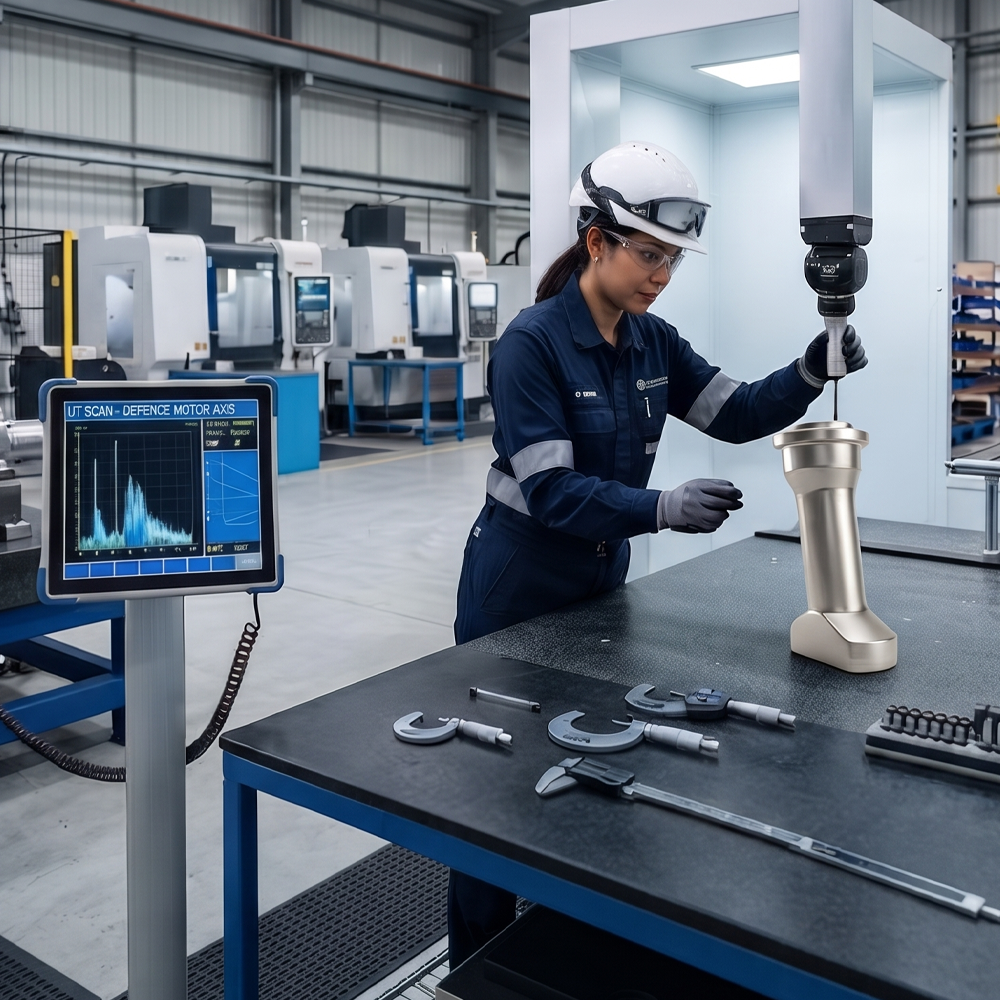
Defence Forging Quality Control in India: Inspection, NDT, and Traceability Requirements
Defence forging quality control encompasses all process controls, inspection activities, and documentation systems that ensure a forged component meets drawing specification, material requirements, and the quality plan before it ships to a defence customer. For defence forgings in India, quality control is not optional or sampling-based at the critical characteristic level — it is 100% […]
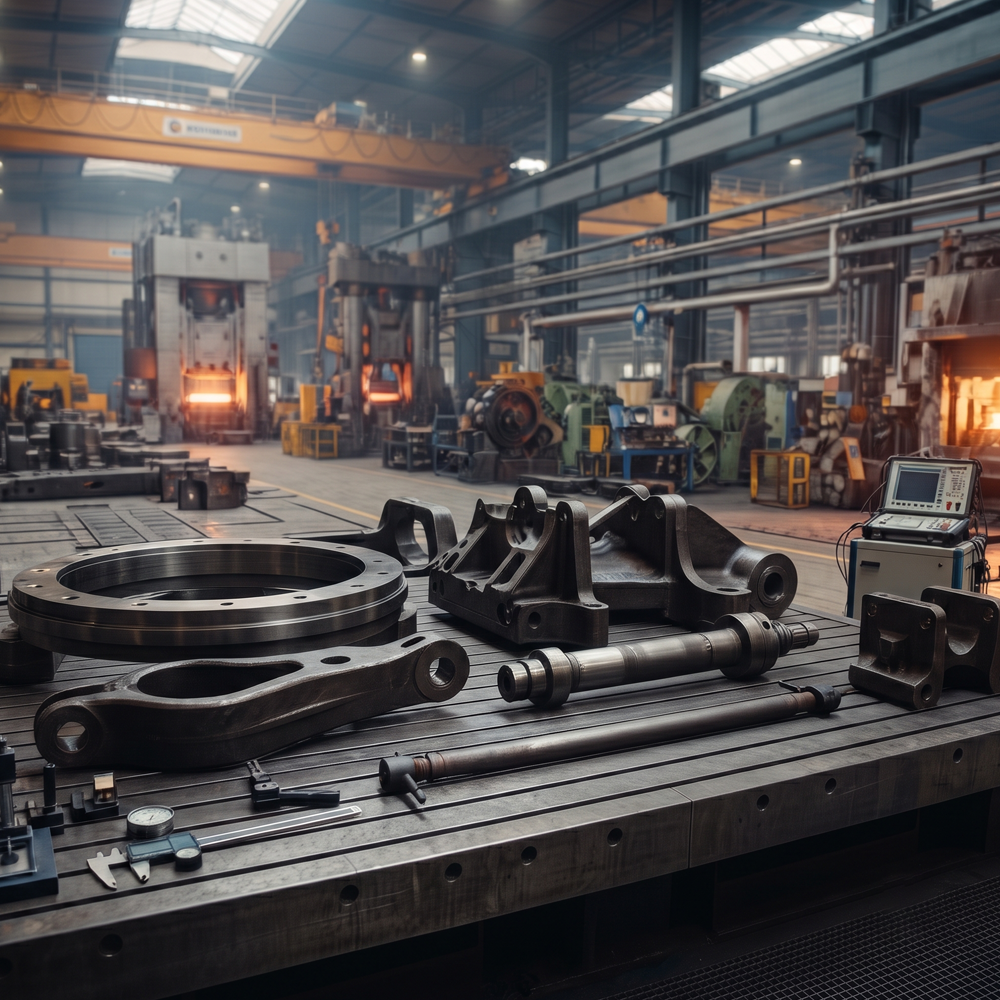
Forging for Armoured Vehicles in India: Materials, Standards, and Supplier Qualification
Armoured vehicle forging covers the full range of structurally and ballistically critical forged components used in ground combat and protected mobility platforms — hull structures, turret rings, suspension systems, drivetrain components, weapon mounts, and engine support structures. India operates one of the largest armoured vehicle fleets in the world, spanning the Arjun MBT, T-90S, BMP-II […]
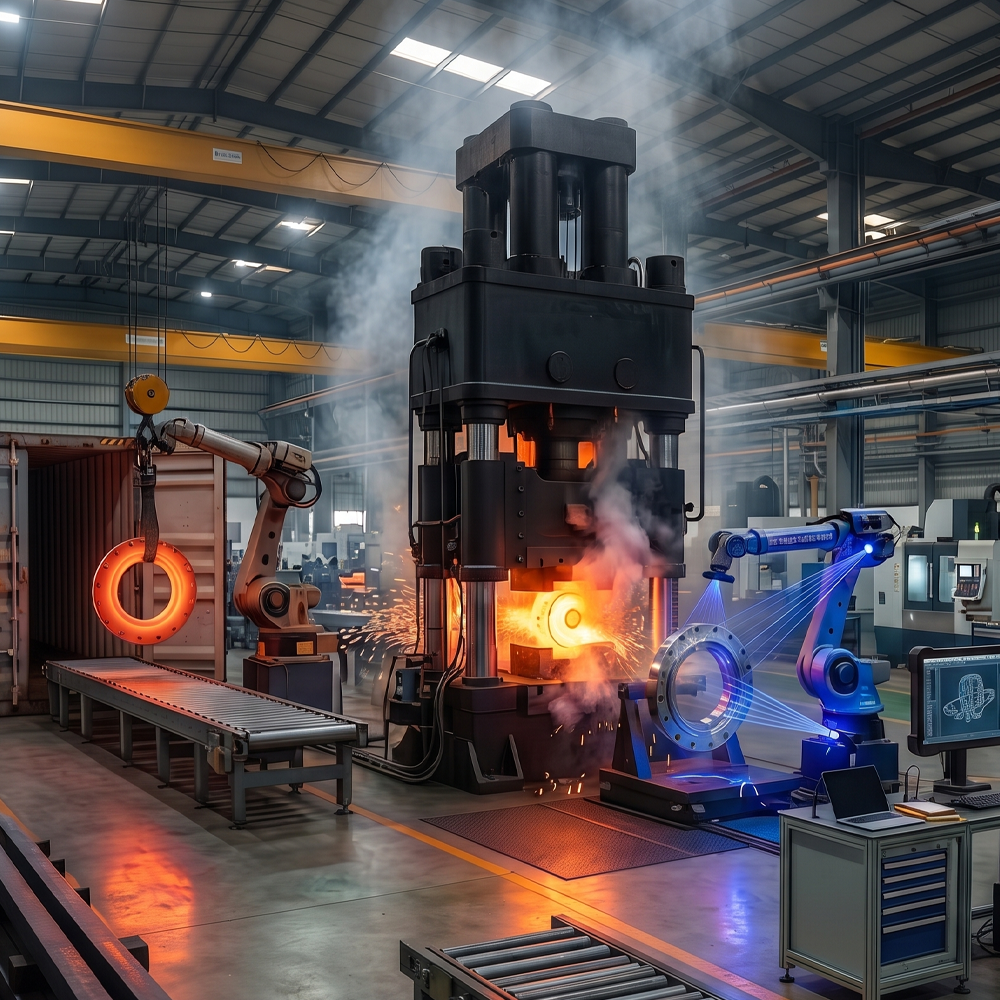
Import Substitution in Defence Forging: Replacing European and US Imports with Indian Manufacture
Import substitution in defence forging is the process of identifying forged components currently imported from Germany, UK, Sweden, France, USA, or Russia, qualifying an Indian manufacturer to produce them to the same or equivalent specification, and transitioning supply from international to domestic sources. Under India’s Positive Indigenisation List and the Defence Acquisition Procedure, this is […]
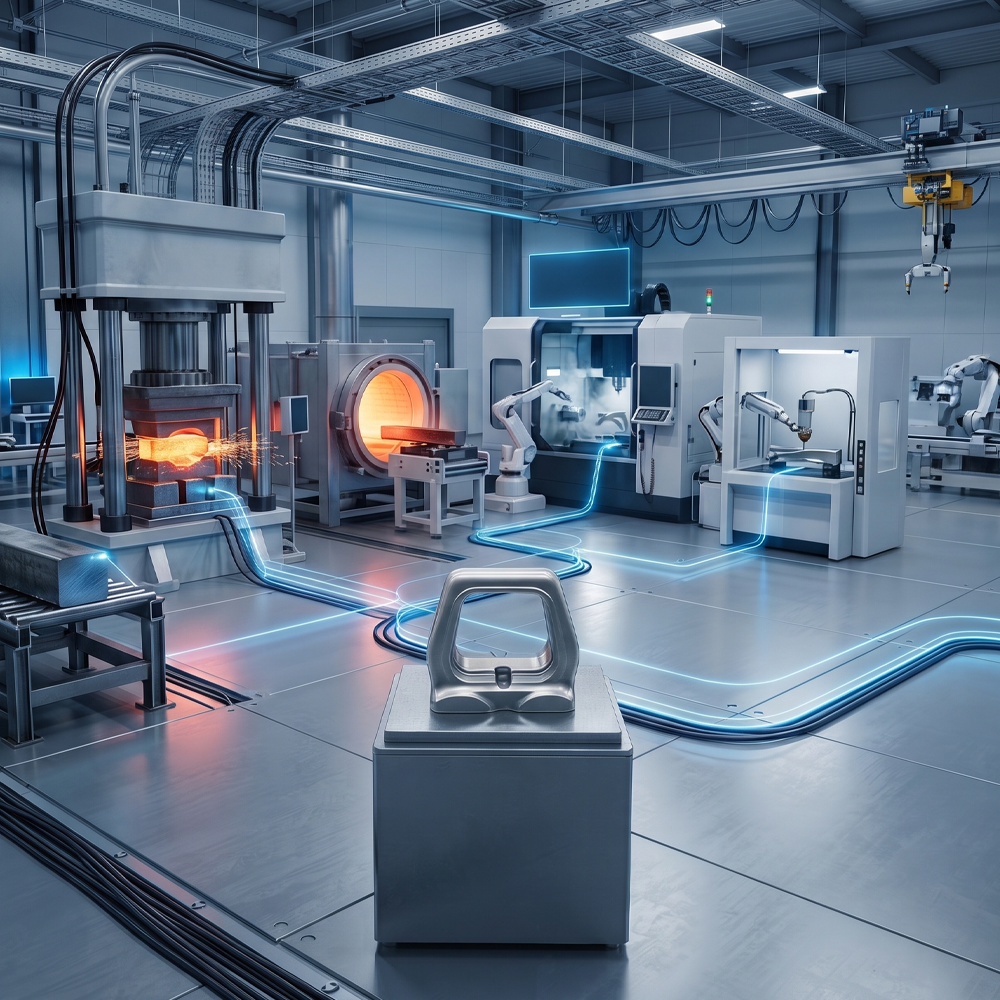
Forge-to-Finish for Defence: Why Single-Source Manufacturing Matters
Forge-to-finish in defence manufacturing means all production operations — die design, forging, heat treatment, CNC machining, NDT inspection, and assembly — are performed under one roof, under one AS9100D quality management system, with one organisation responsible for every stage. For defence programmes, this is not a convenience feature. It is a quality and traceability requirement […]
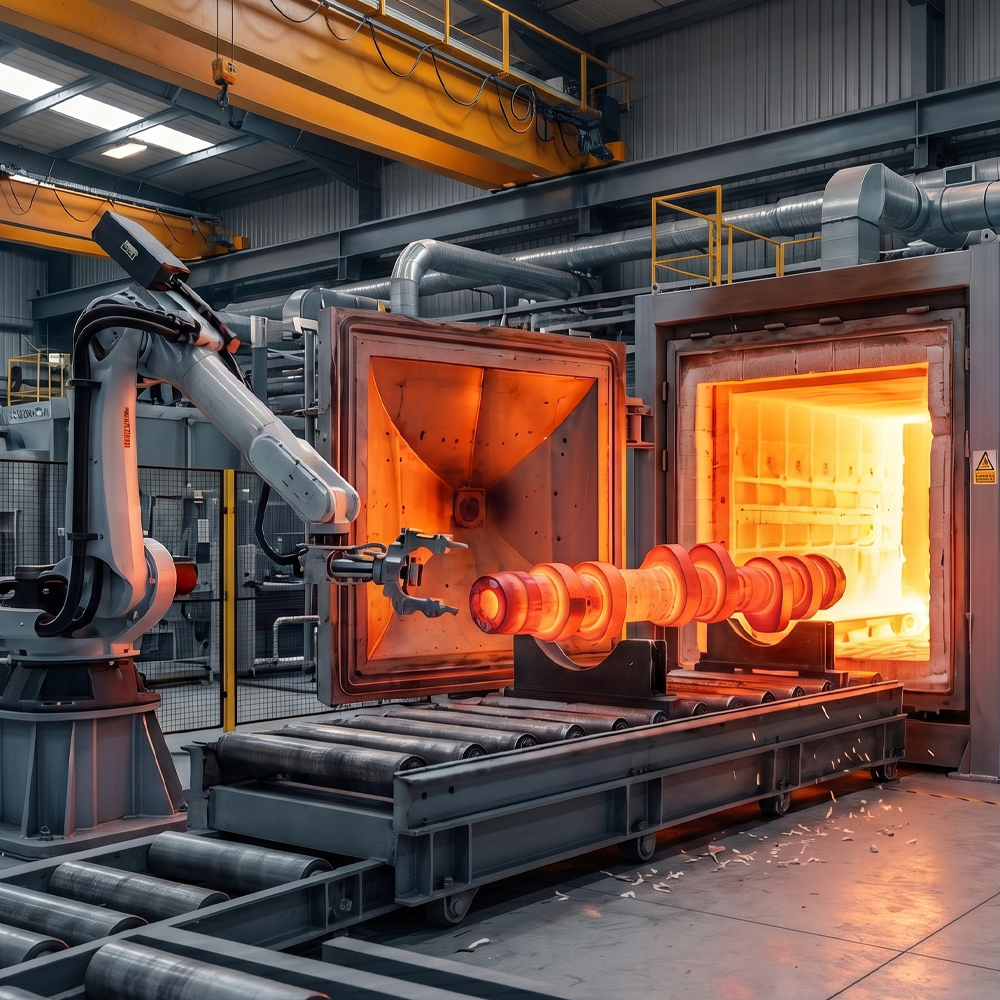
Heat Treatment for Defence Forgings in India: Process Controls, Qualification, and AS9100D Requirements
Heat treatment for defence forgings is classified as a special process under AS9100D — meaning it is a manufacturing operation whose output cannot be fully verified by subsequent inspection alone. A forging that passes visual and dimensional inspection can still have incorrect microstructure or insufficient mechanical properties if the heat treatment cycle deviated from specification. […]
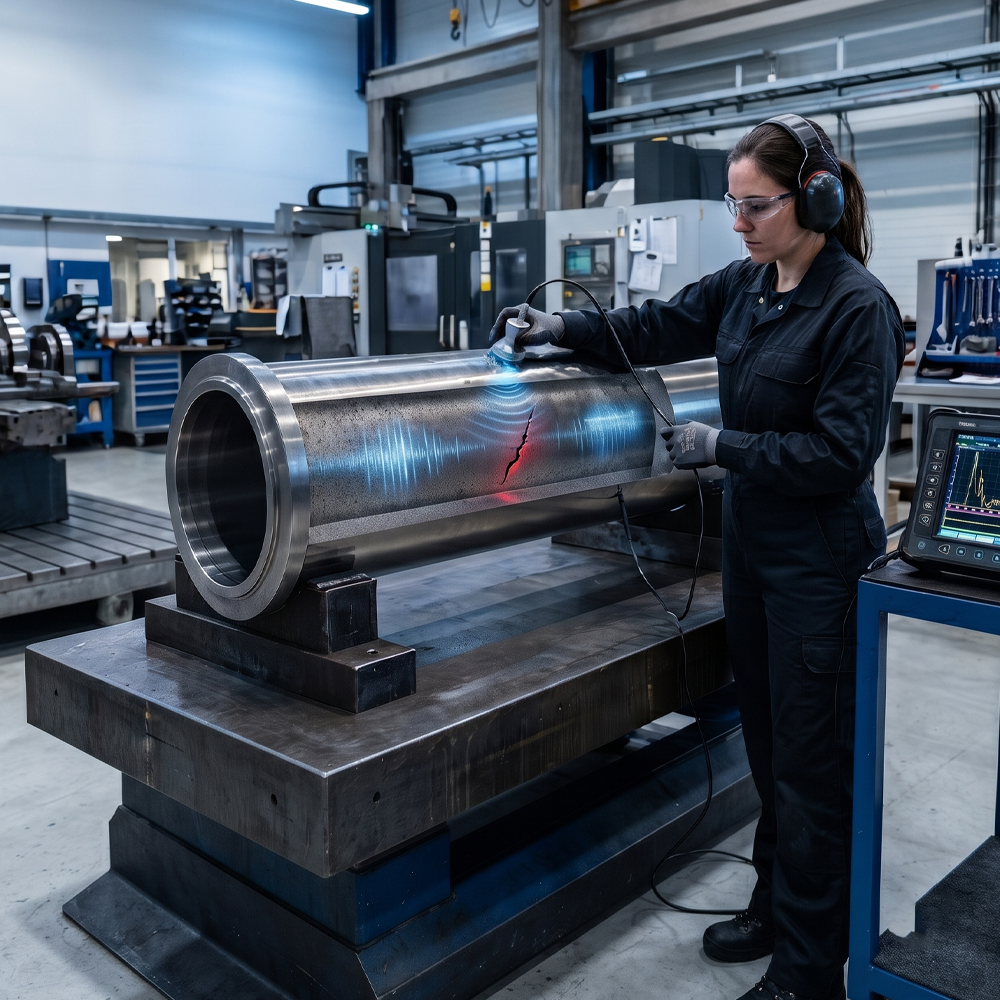
NDT for Defence Forgings in India: UT, MT, PT, and NABL Requirements
Non-destructive testing for defence forgings is the inspection regime applied to forged components after manufacturing to detect internal and surface defects without destroying the component. For defence applications in India, NDT is not an optional quality check applied at the discretion of the manufacturer — it is a mandatory requirement specified in the quality plan […]