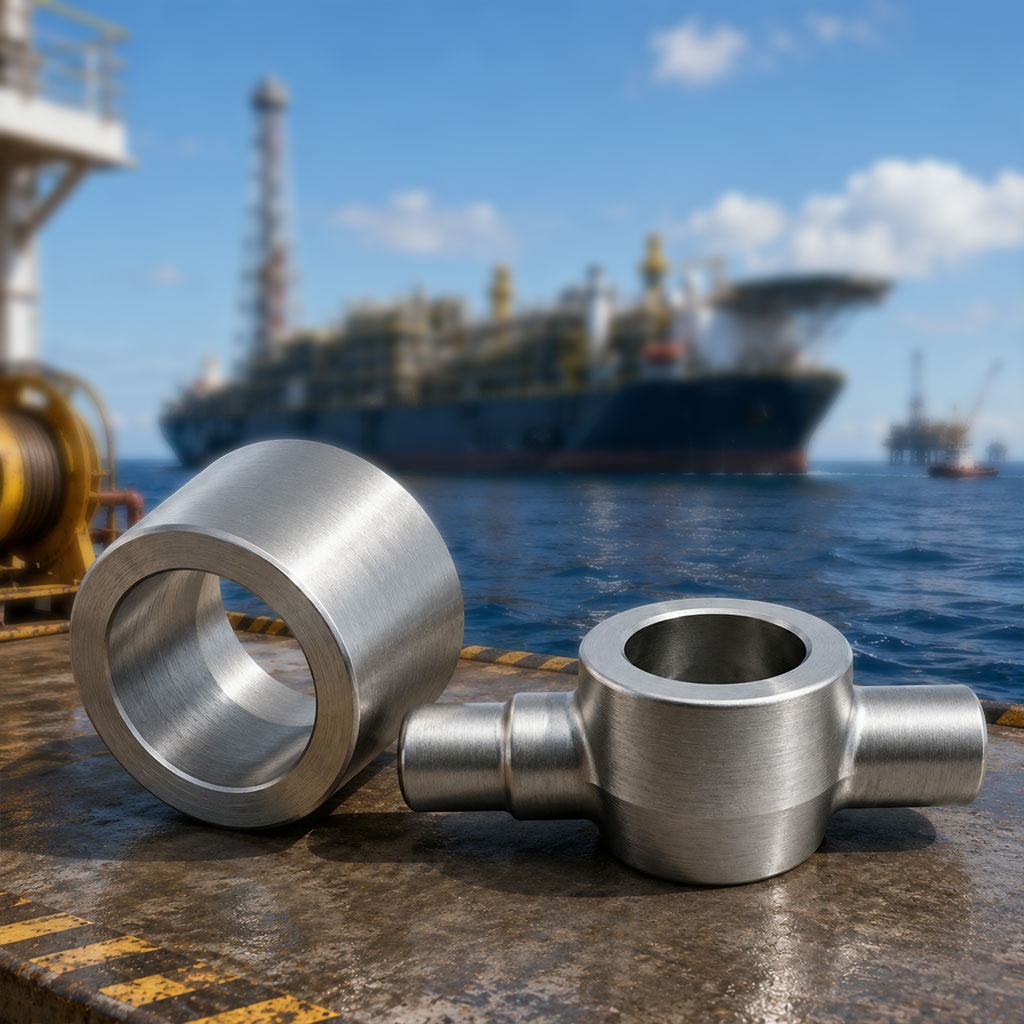
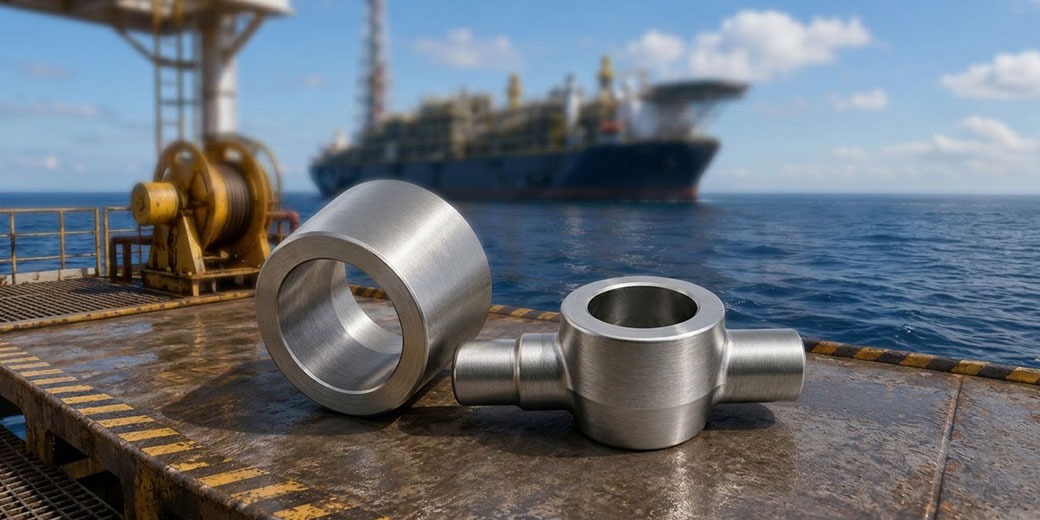
The Netherlands is one of Europe’s most important oil and gas industry hubs home to Shell International (The Hague), SBM Offshore (Amsterdam), Heerema Marine Contractors (Leiden), and Subsea 7 Netherlands operations. Shell’s global procurement is managed from The Hague; SBM Offshore designs and operates FPSOs (Floating Production Storage and Offloading vessels) globally including in Brazil, West Africa, and the Gulf of Mexico. Dutch oil and gas procurement teams source API 20B certified forging components for North Sea operations, FPSO construction, and international deepwater projects from qualified international suppliers including India.
Shell’s global procurement — managed through Shell’s supply chain organisation in The Hague applies Shell’s MESC (Material and Equipment Standards and Codes) specifications for all Shell-operated facilities worldwide. MESC specifications supplement API 20B with Shell-specific material chemistry restrictions, NDE requirements, and documentation formats. Indian forging manufacturers supplying Shell-operated projects anywhere in the world — including GoM, North Sea, and international deepwater must comply with MESC specifications in addition to API 20B.
SBM Offshore is the world’s largest designer and operator of FPSO vessels — floating production systems anchored at deepwater oil fields. SBM’s fleet of 15+ FPSOs operates globally, and SBM designs new FPSOs for projects including Shell’s Vito (GoM), TotalEnergies’ Sepetiba (Brazil), and ExxonMobil’s Liza Unity (Guyana). SBM procures topside piping forgings, mooring system hardware, and structural fittings for their FPSO construction programmes from qualified API 20B manufacturers globally.
The Netherlands’ North Sea operations — centred on the Dutch Continental Shelf (DCS) — are in a late-life production phase with ongoing maintenance and intervention requirements. Shell’s Ormen Lange gas field (operated through Norwegian assets), NAM (Nederlandse Aardolie Maatschappij, Shell-ExxonMobil JV for Dutch onshore and offshore operations), and small independents active on the DCS all generate ongoing forging demand for maintenance and life extension programmes.
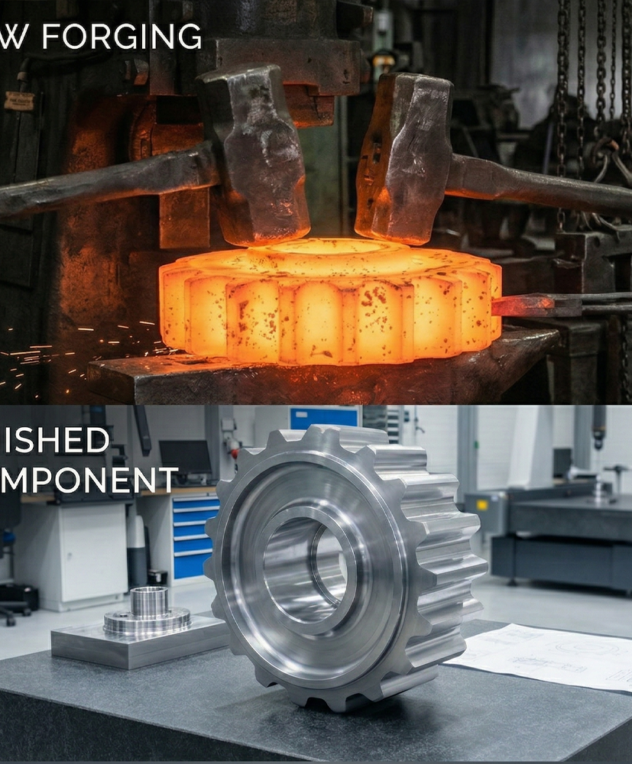
Heerema Marine Contractors — a world-leading offshore installation contractor uses forged structural components in their crane vessels’ lifting systems and in the subsea structures they install for E&P companies. For very large structural lifting operations, custom-designed forged lift points and rigging components are produced to project-specific engineering calculations. These are open die forgings in high-strength alloy steel, produced in small quantities (2–10 pieces) with extensive load testing and certification.
A182 F51 duplex and F53 super duplex valve body and flange forgings.
4130 and 4130M alloy steel pressure housing forgings with NACE sour service qualification.
A694 F65/F70 high-strength structural flanges.
G48 corrosion test for duplex grades.
TPI by Bureau Veritas, DNV, and SGS – all recognised by Shell and SBM Offshore.
NORSOK M-630 documentation package.
Ocean freight Chennai to Rotterdam: 22–26 days.
Frequently Asked Questions
1.What are Shell MESC specifications and how do they supplement API 20B for forging supply?+–
Shell’s Material and Equipment Standards and Codes (MESC) are proprietary Shell documents that specify material and equipment requirements for Shell-operated facilities. For forging supply, relevant MESC specifications include MESC SPE 77/002 (requirements for pressure containing and structural forgings) which supplements API 20B with: tighter sulphur limits (0.010% maximum for sour service), mandatory PMI on all CRA components, Shell-specific documentation formats for certificates and material test reports, and in some cases additional NDE requirements beyond API 20B PSL 3. MESC specifications are distributed to suppliers through the project EPC contractor or Shell’s procurement team they are not publicly available.
2.What is an FPSO and what forging categories does SBM Offshore procure for FPSO construction?+–
An FPSO (Floating Production Storage and Offloading vessel) is a ship-shaped floating platform that processes oil and gas from subsea wells, stores the crude oil in its hull tanks, and periodically offloads to tankers. SBM designs the topside processing modules (separators, compressors, water treatment), the mooring system (turret or spread mooring), and the offloading system. Forging procurement for FPSO construction includes: topside piping flanges (ASME B16.5, A182 F316L or F51 for corrosive service), pressure vessel nozzle forgings, structural fittings for the turret mooring system, and mooring chain hardware (Grade R3/R4). SBM sources these through its EPCI (Engineering, Procurement, Construction, Installation) contractors who hold the forging supplier qualifications.
3.How do Indian forging manufacturers access Shell’s approved vendor list?+–
Shell’s approved vendor list (AVL) qualification process for forging manufacturers requires: Shell-specific qualification audit by Shell’s supply chain quality team (or a Shell-delegated third party), API 20B license verification in the API directory, MESC specification compliance review, and qualification test forgings with TPI by a Shell-approved inspection company. The process takes 18–30 months. The most practical pathway for Indian forging manufacturers is to first qualify with EPC contractors (TechnipFMC, McDermott, Saipem) who are Shell-approved EPCIs EPC contractor qualification is somewhat less demanding than direct Shell AVL entry and provides access to Shell-operated projects.
4.What is the Dutch Continental Shelf and what ongoing forging opportunities does it generate?+–
The Dutch Continental Shelf (DCS) is the offshore area of the Netherlands under Dutch jurisdiction in the North Sea. DCS production is primarily gas the Netherlands was historically Europe’s largest gas producer from the Groningen onshore field. Offshore DCS gas fields (primarily operated by NAM, a Shell-ExxonMobil JV) are in late-life production, with ongoing maintenance, life extension, and decommissioning activities. Late-life maintenance generates forging demand for replacement valve bodies, pressure vessel nozzles, and flanges typically in moderate quantities but on recurring schedules as original components approach end of service life. This late-life maintenance market is accessible to Indian forging manufacturers at API 20B PSL 2 level without the more demanding subsea qualifications required for new deepwater development.
5.Can Indian API 20B manufacturers supply to SBM Offshore’s Brazilian FPSO programmes from India?+–
Yes SBM Offshore’s Brazilian FPSO programmes (Sepetiba for TotalEnergies, and others under construction) procure forgings through SBM’s global supply chain managed from Amsterdam. API 20B certified Indian manufacturers who are on SBM’s approved supplier list can supply to SBM Brazilian programmes from India the geographical location of the FPSO’s eventual deployment does not restrict the geographical source of component supply, provided the supplier meets SBM’s qualification requirements. India-to-Brazil ocean freight (via Suez or Cape of Good Hope) takes 30–40 days, which is accommodated in FPSO construction schedules that are typically planned 18–24 months ahead.