

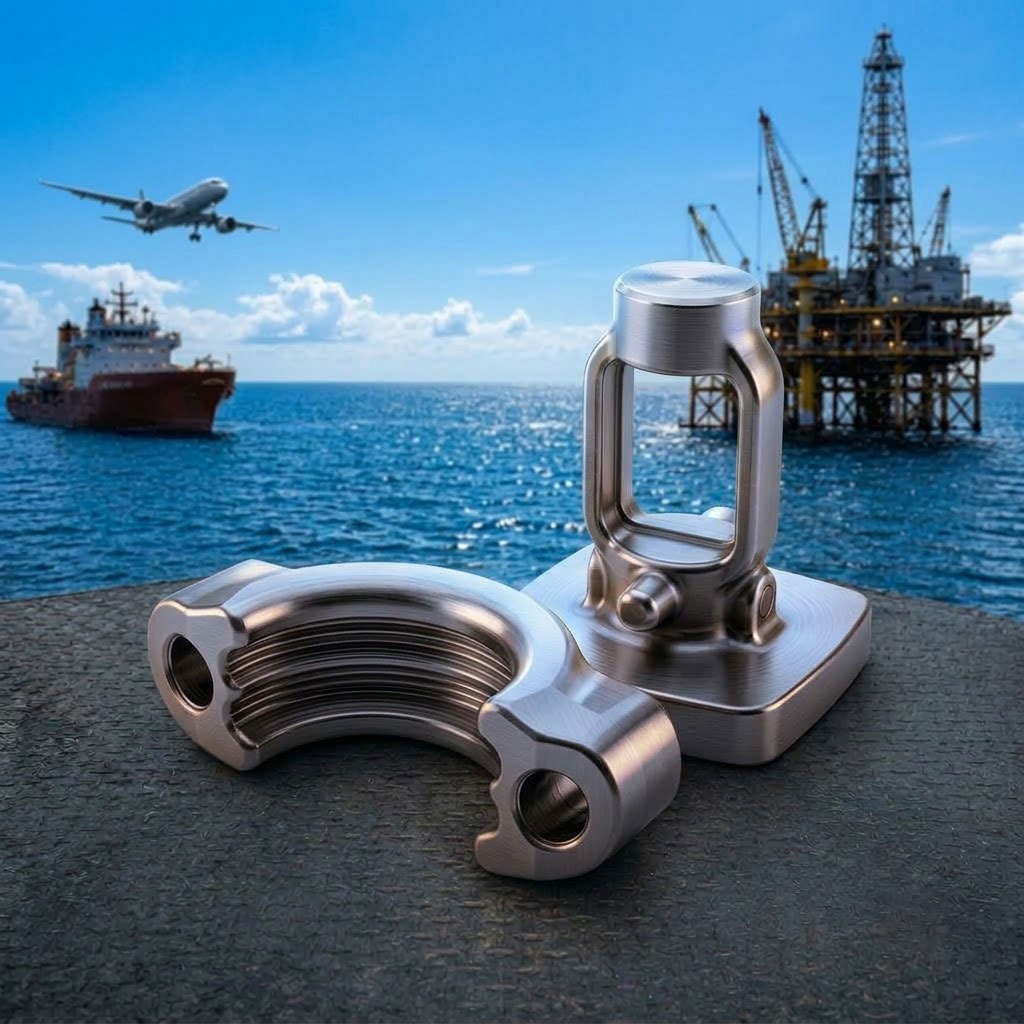
Radial Forging Manufacturer in India: Process, Capabilities and Critical Industry Applications
Radial forging occupies a specialised position between conventional open-die forging and highly shape-specific closed-die forging. Its greatest strength is the ability to progressively deform long billets, shafts and hollow components while maintaining controlled axial geometry. For OEMs sourcing critical components, understanding radial forging is important because the process can influence material utilisation, grain flow,
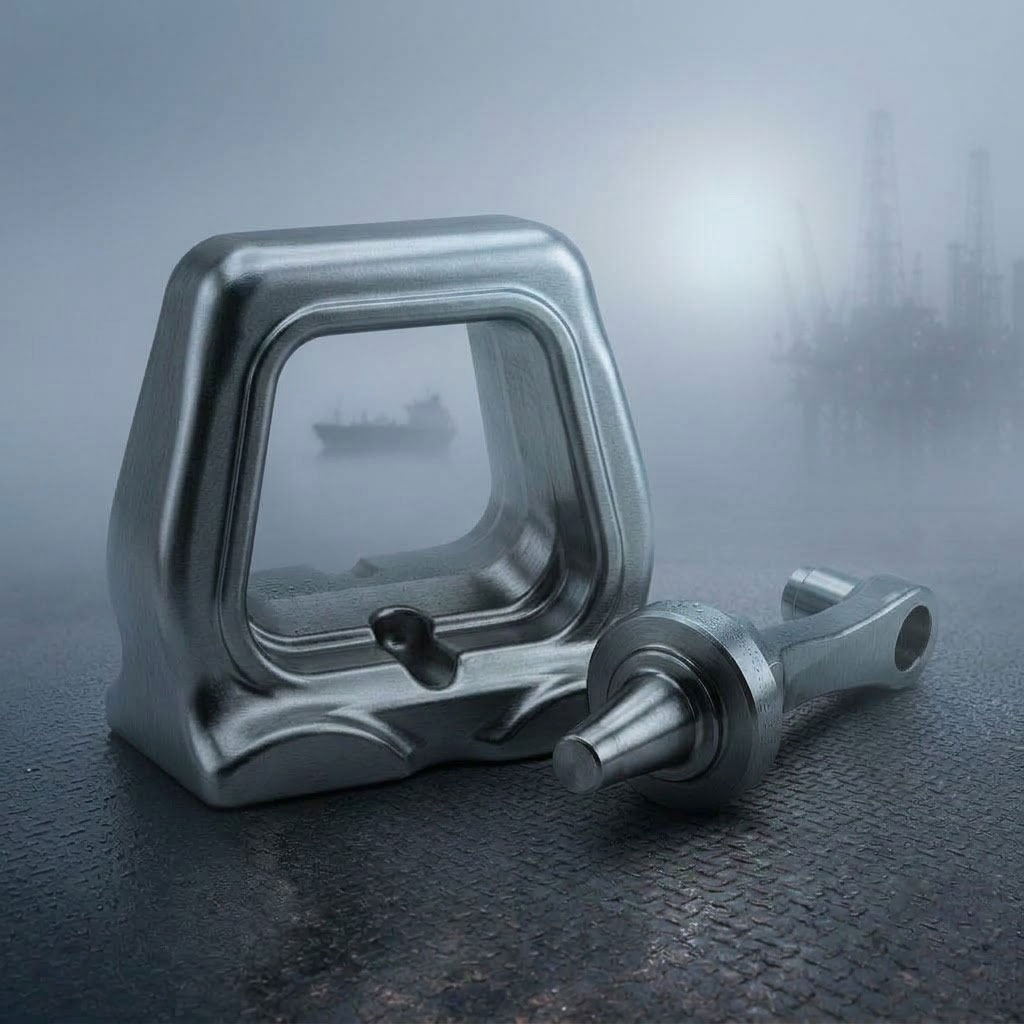
How Radial Forging Works: Incremental Deformation, Grain Flow and Dimensional Control
Radial forging appears deceptively simple: several dies strike a heated billet until its diameter becomes smaller. In reality, the process involves simultaneous control of deformation, rotation, axial feed, temperature, reduction and geometry. These variables determine not only what the component looks like but how the material has been worked internally. Incremental Deformation Radial forging does […]
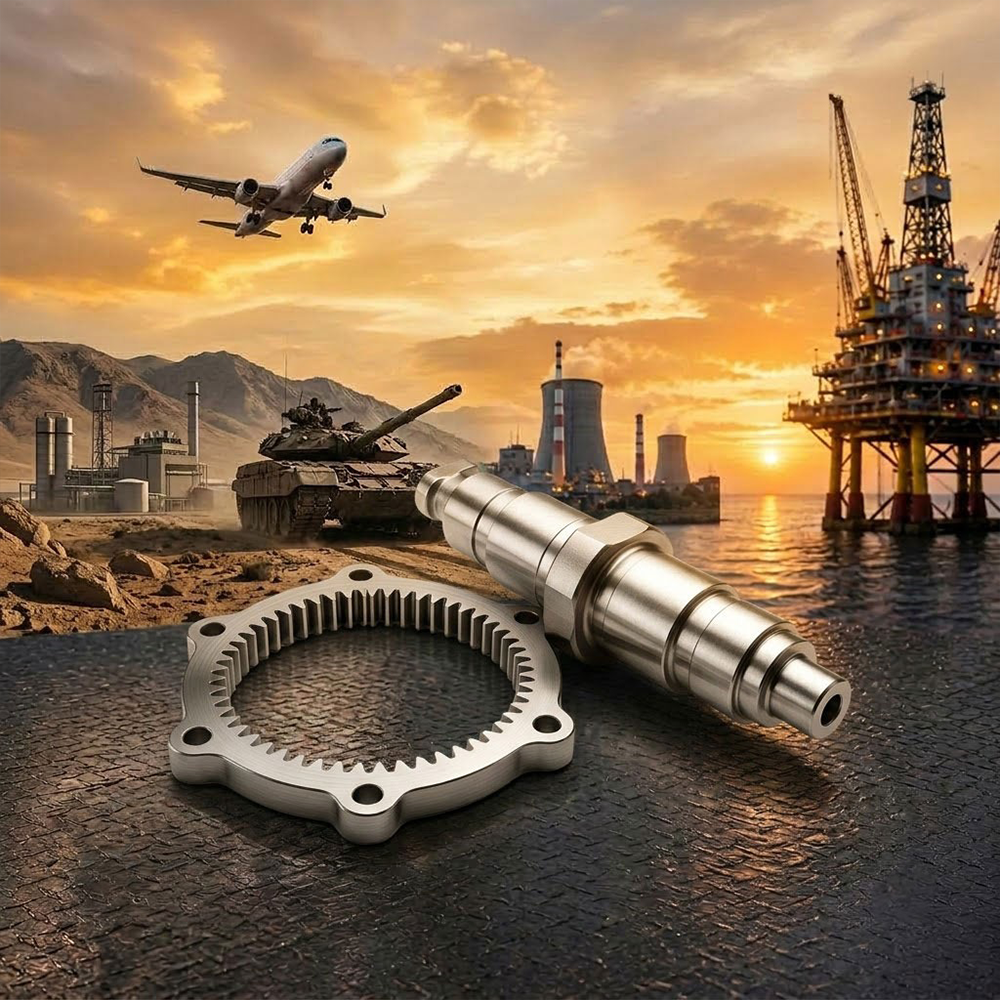
Radial Forged Shaft Supplier for USA from India: Aerospace, Defence & Energy Applications
A shaft appears geometrically simple, but mechanically it can be one of the most demanding components in a machine. Shafts transmit torque, support rotating equipment, carry bending loads and can experience millions of fatigue cycles. In aerospace, defence and energy systems, shaft failure can have consequences far beyond the value of the component itself. This […]
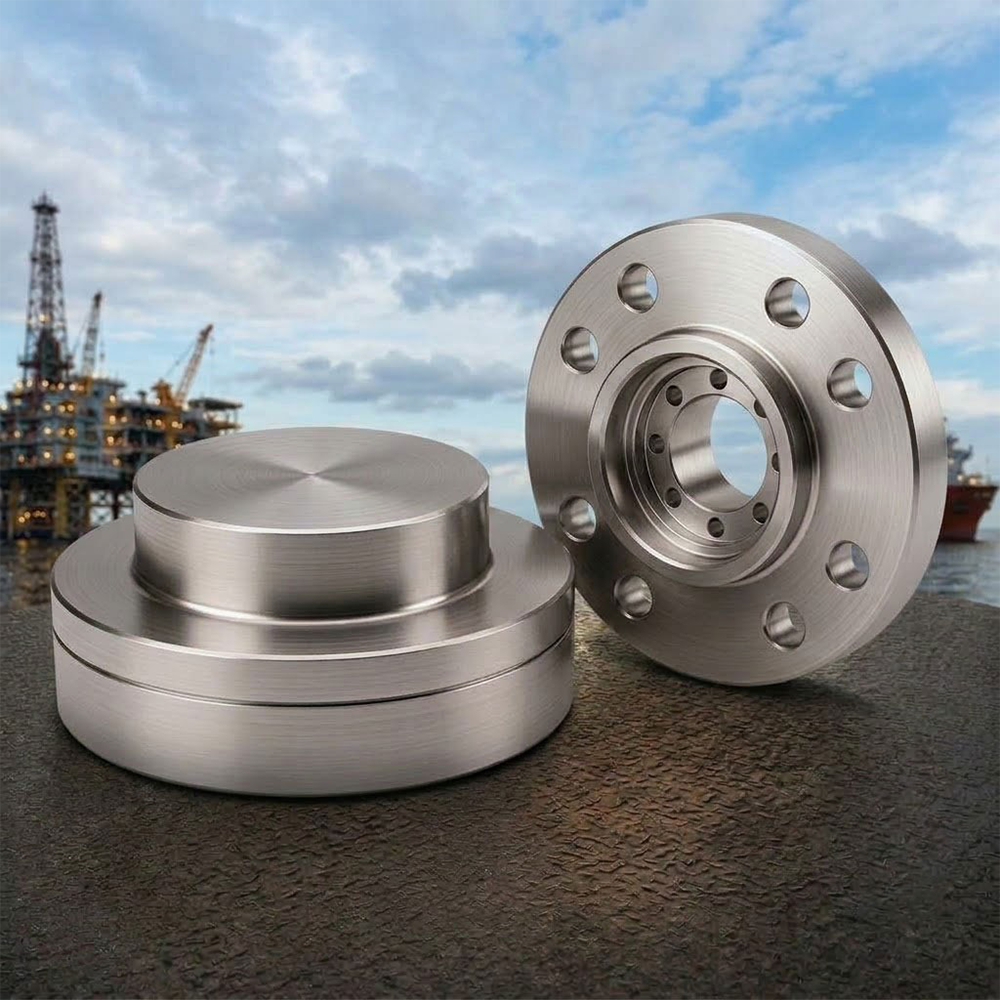
Radial Forging vs Open Die Forging: Which Process Is Better for Long Shafts and Hollow Components?
Radial forging and open die forging can both manufacture high-integrity shafts and cylindrical components. They are not, however, identical processes. Understanding the difference is particularly important for US procurement and engineering teams sourcing long shafts, stepped components and hollow forgings from India. The correct process can reduce material consumption and machining. The wrong process can […]
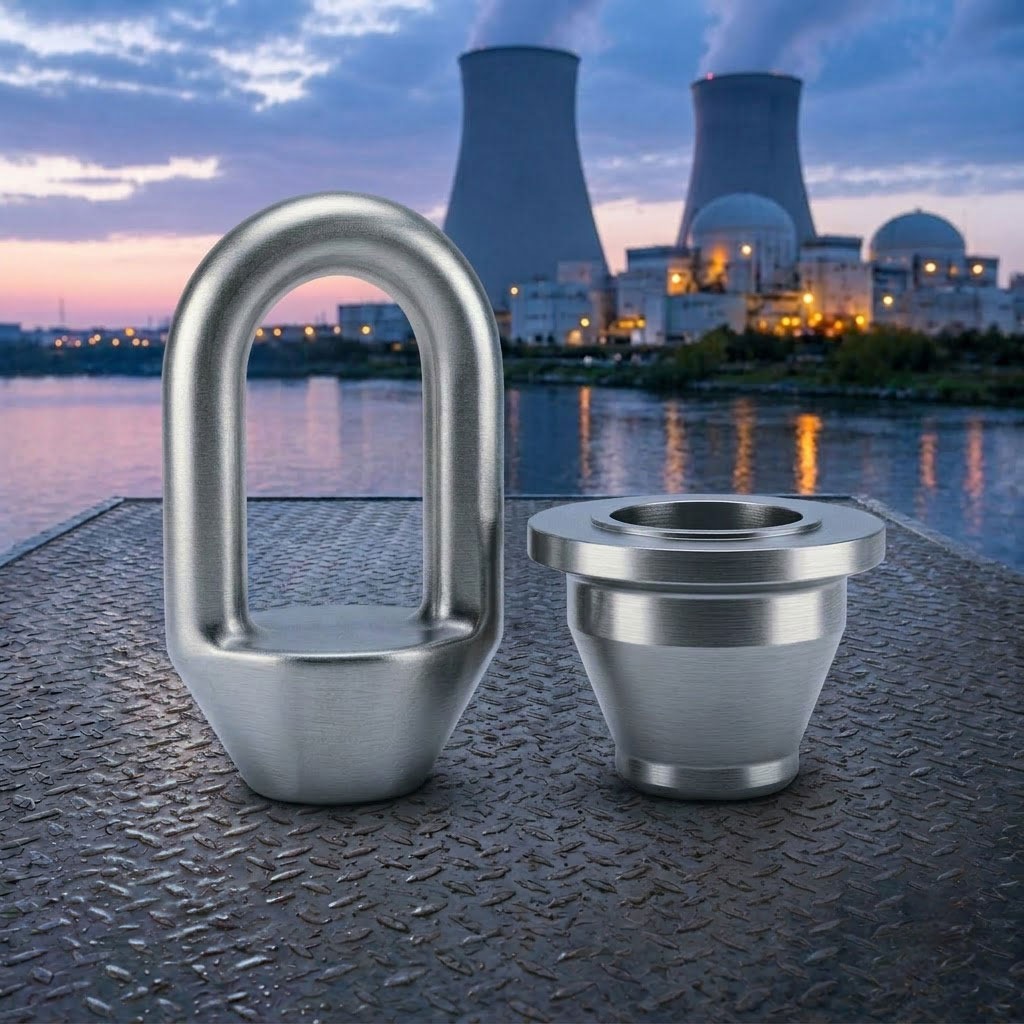
Steam Generator and Nuclear Nozzle Forging Supplier for USA from India: ASME Section III Requirements
Nuclear nozzles appear small when compared with the enormous reactor pressure vessel or steam generator shell around them. From an engineering perspective, however, they are anything but minor components. A nozzle creates an opening in a pressure boundary. It connects piping systems, coolant circuits, instrumentation or other equipment to a vessel operating under pressure and […]
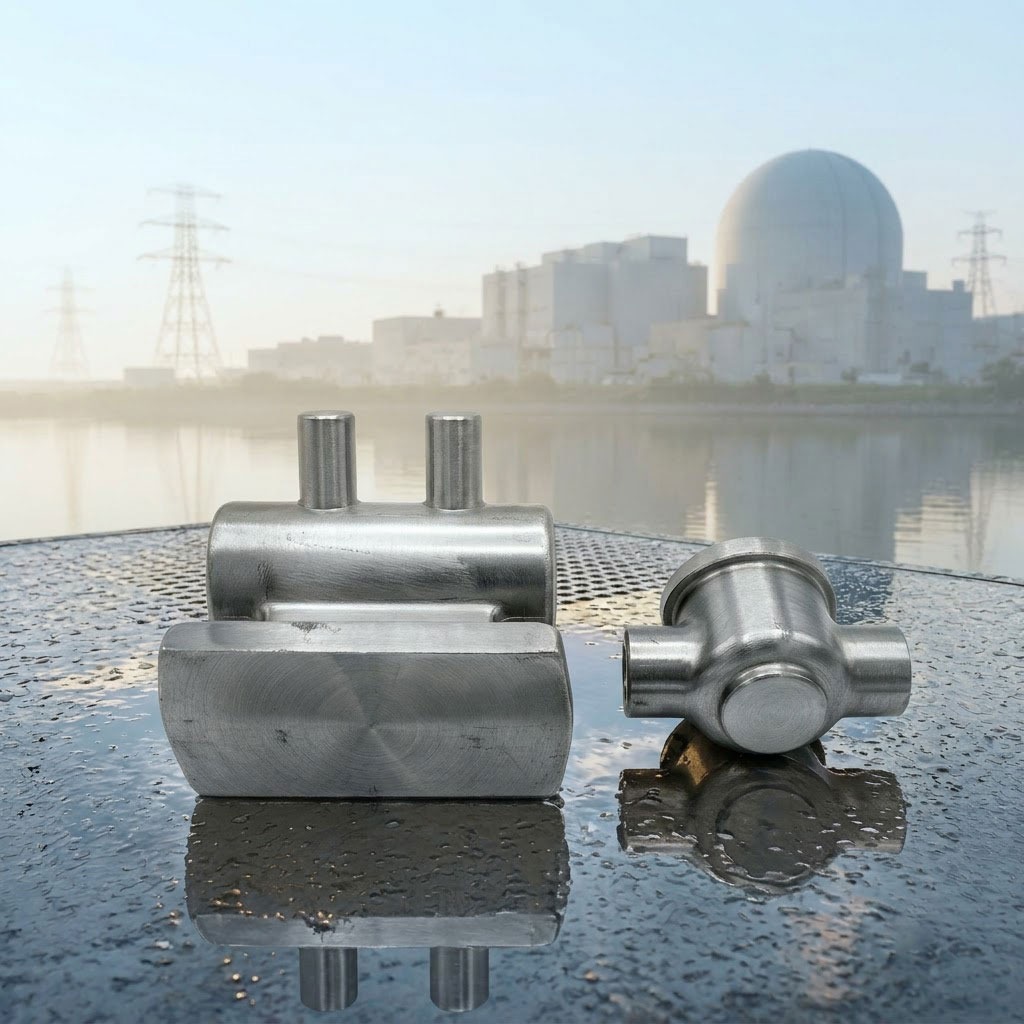
SMR Forging Supplier for US Nuclear Projects from India: ASME Section III Components
Small modular reactors are moving from an industry concept into an increasingly active US licensing and construction environment. For forging manufacturers, that matters because nuclear systems depend on a relatively small number of highly controlled pressure-boundary and structural components whose manufacturing histories may need to remain documented for decades. The commercial opportunity is therefore not […]
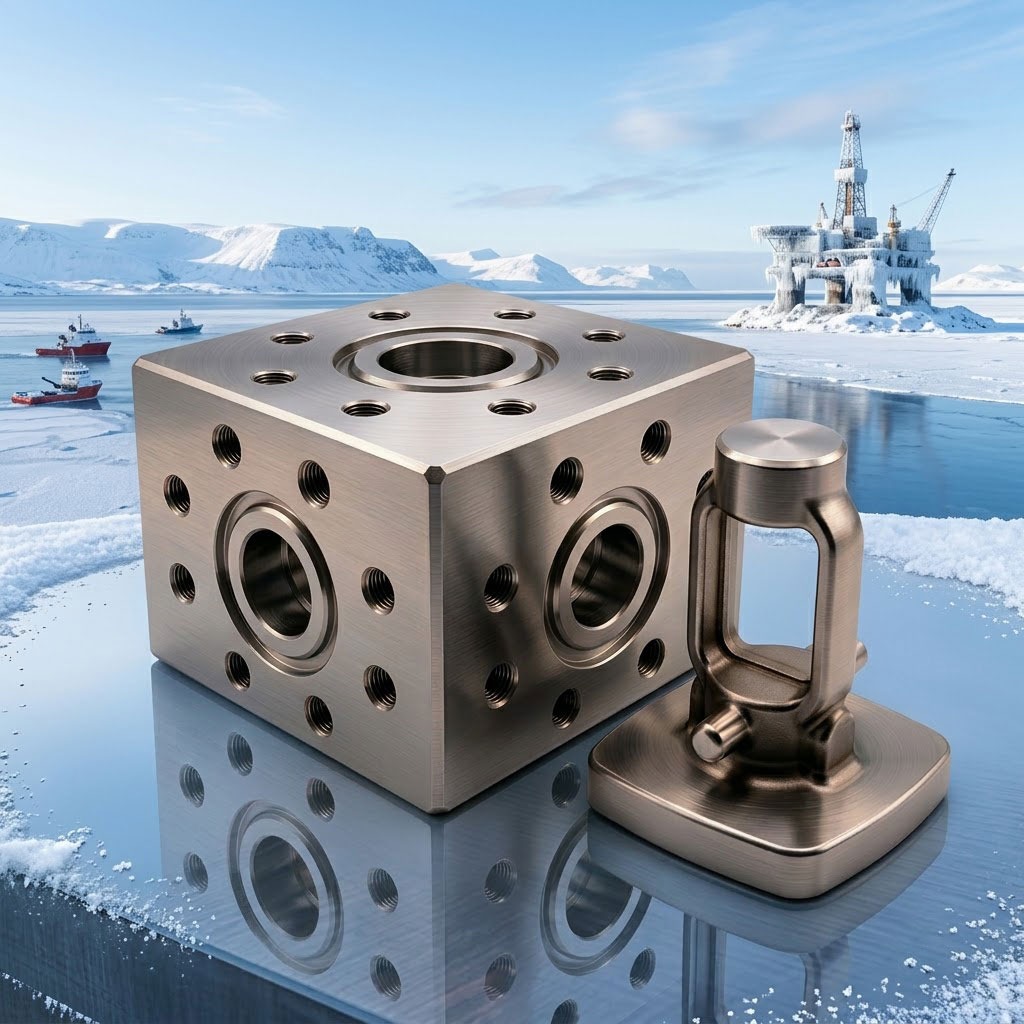
Super Duplex UNS S32760 Forging Supplier for USA from India: ASTM A182 F55 Oil & Gas Components
UNS S32760 is another major 25% chromium super duplex stainless steel used in severe industrial and offshore environments. For forging applications, it is commonly associated with ASTM A182 Grade F55. Like S32750, S32760 combines high strength with strong resistance to pitting, crevice corrosion and chloride stress-corrosion cracking. However, its chemistry is not identical. Outokumpu’s comparison […]
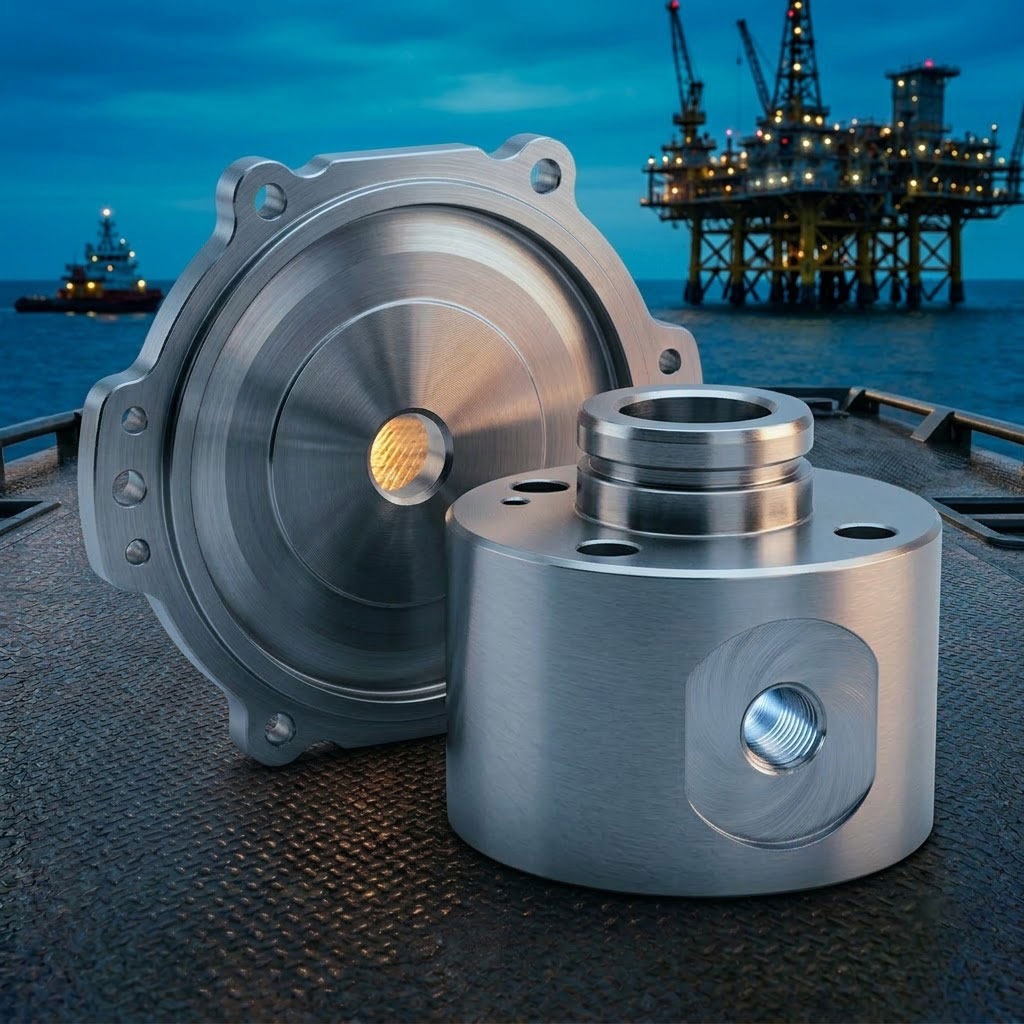
Super Duplex UNS S32750 Forging Supplier for USA from India: ASTM A182 F53 Offshore & Subsea Components
Super duplex stainless steel occupies an important position between conventional stainless steels and much more expensive high-nickel corrosion-resistant alloys. For offshore oil and gas equipment, that combination can be extremely valuable. UNS S32750, commonly associated with ASTM A182 Grade F53 in forgings, combines a duplex ferritic-austenitic microstructure with approximately 25% chromium, 7% nickel, 4% molybdenum [&hel
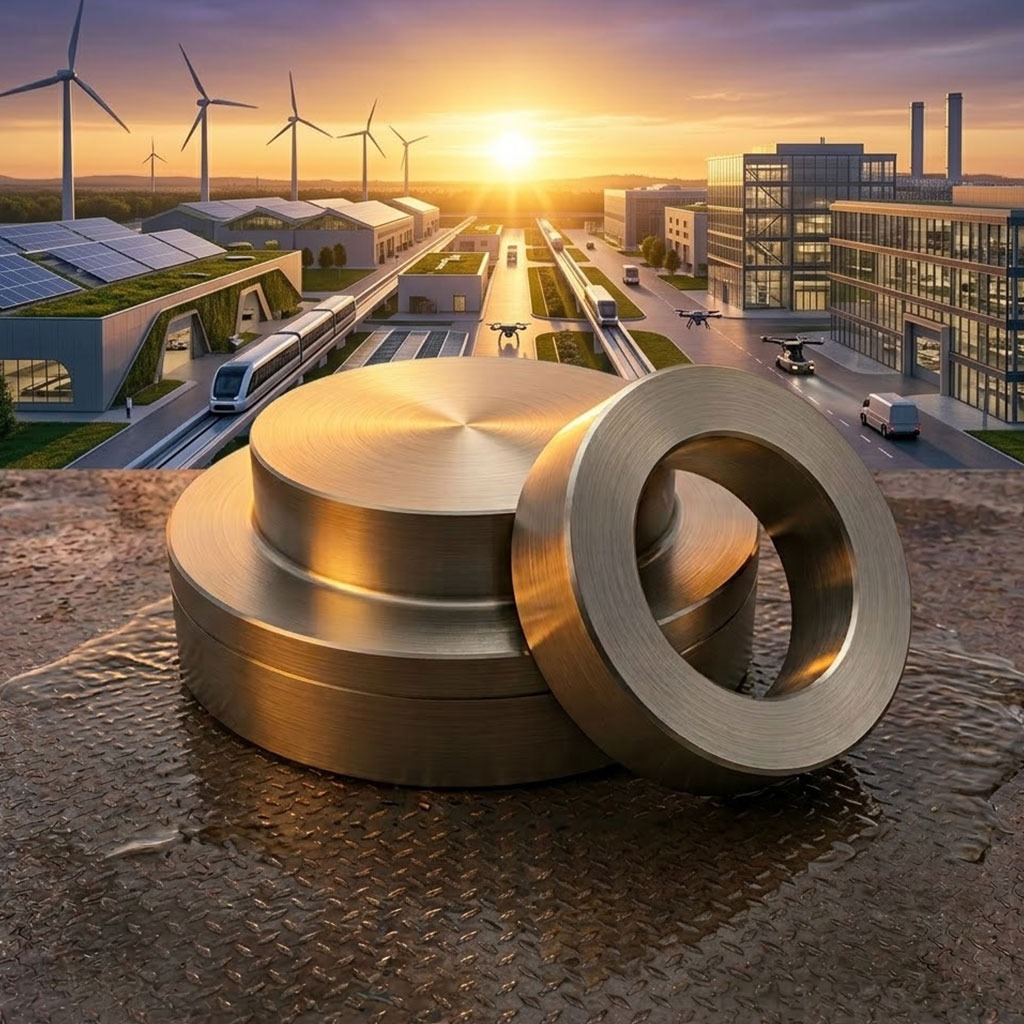
Subsea Connector and Clamp Forging Supplier for USA from India: API 17D Components for Deepwater Systems
Subsea oil and gas equipment operates in an environment where access is difficult, intervention is expensive, and a single component failure can interrupt production thousands of feet below the ocean surface. That changes the way procurement teams evaluate forgings. A connector or clamp used on land can often be inspected, repaired or replaced relatively easily. […]
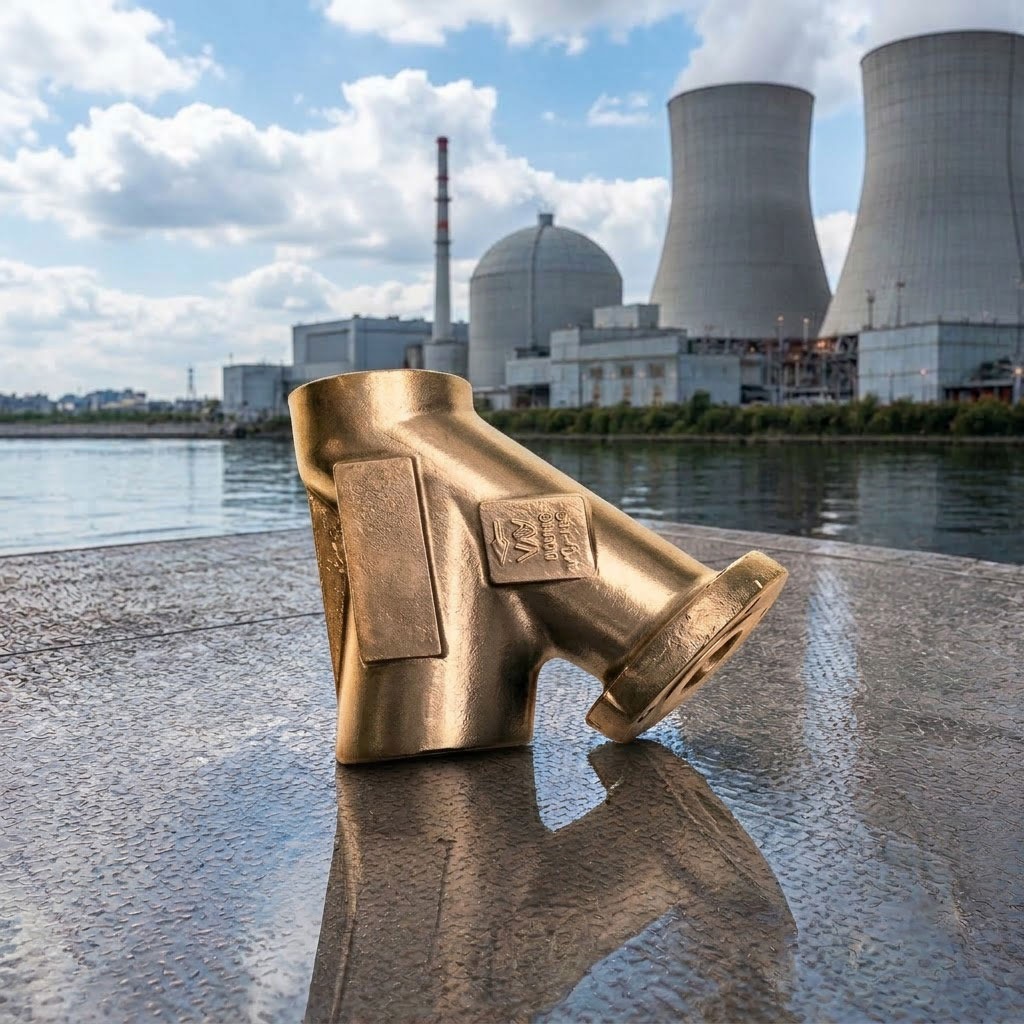
Steam Generator and Nuclear Nozzle Forging Supplier for USA from India: ASME Section III Requirements
Nuclear nozzles appear small when compared with the enormous reactor pressure vessel or steam generator shell around them. From an engineering perspective, however, they are anything but minor components. A nozzle creates an opening in a pressure boundary. It connects piping systems, coolant circuits, instrumentation or other equipment to a vessel operating under pressure and […]
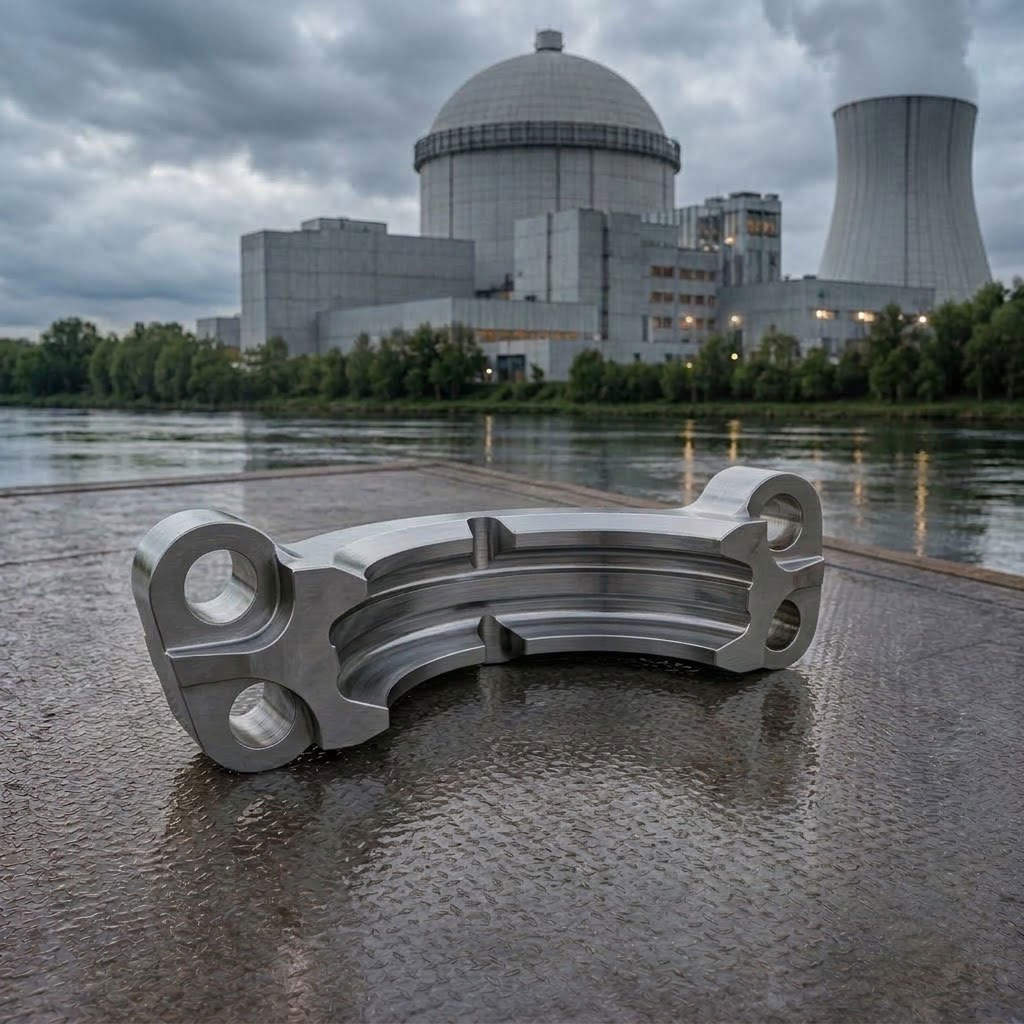
SMR Forging Supplier for US Nuclear Projects from India: ASME Section III Components
Small modular reactors are moving from an industry concept into an increasingly active US licensing and construction environment. For forging manufacturers, that matters because nuclear systems depend on a relatively small number of highly controlled pressure-boundary and structural components whose manufacturing histories may need to remain documented for decades. The commercial opportunity is therefore not […]
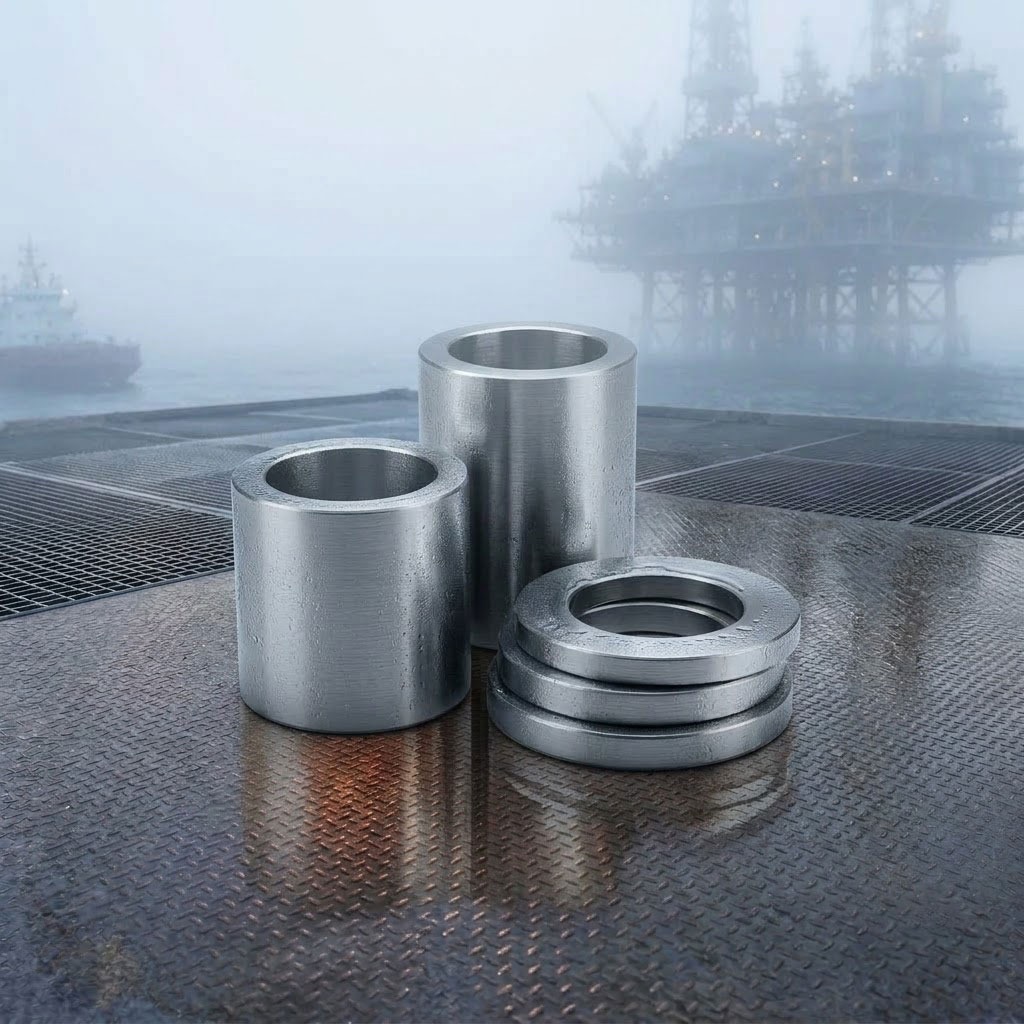
Super Duplex UNS S32760 Forging Supplier for USA from India: ASTM A182 F55 Oil & Gas Components
UNS S32760 is another major 25% chromium super duplex stainless steel used in severe industrial and offshore environments. For forging applications it is commonly associated with ASTM A182 Grade F55. Like S32750, S32760 combines high strength with strong resistance to pitting, crevice corrosion and chloride stress-corrosion cracking. However, its chemistry is not identical. Outokumpu’s comparison […]