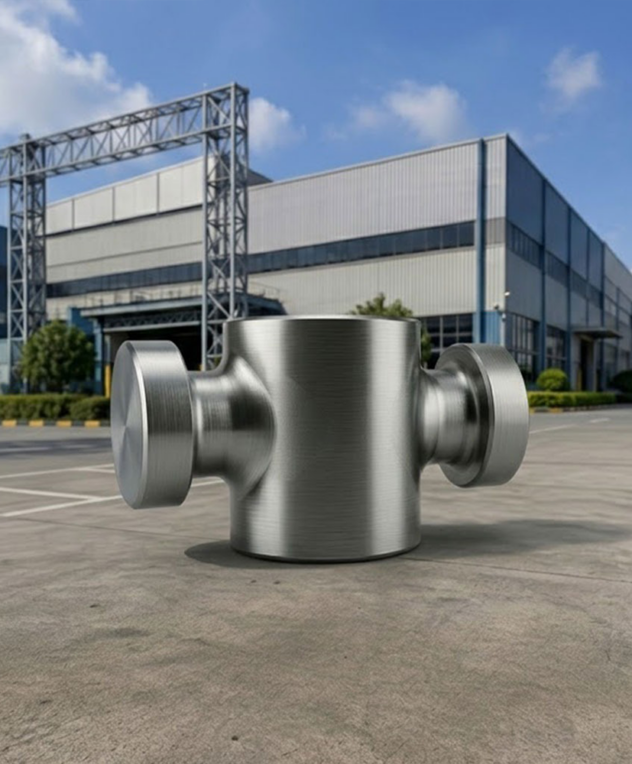

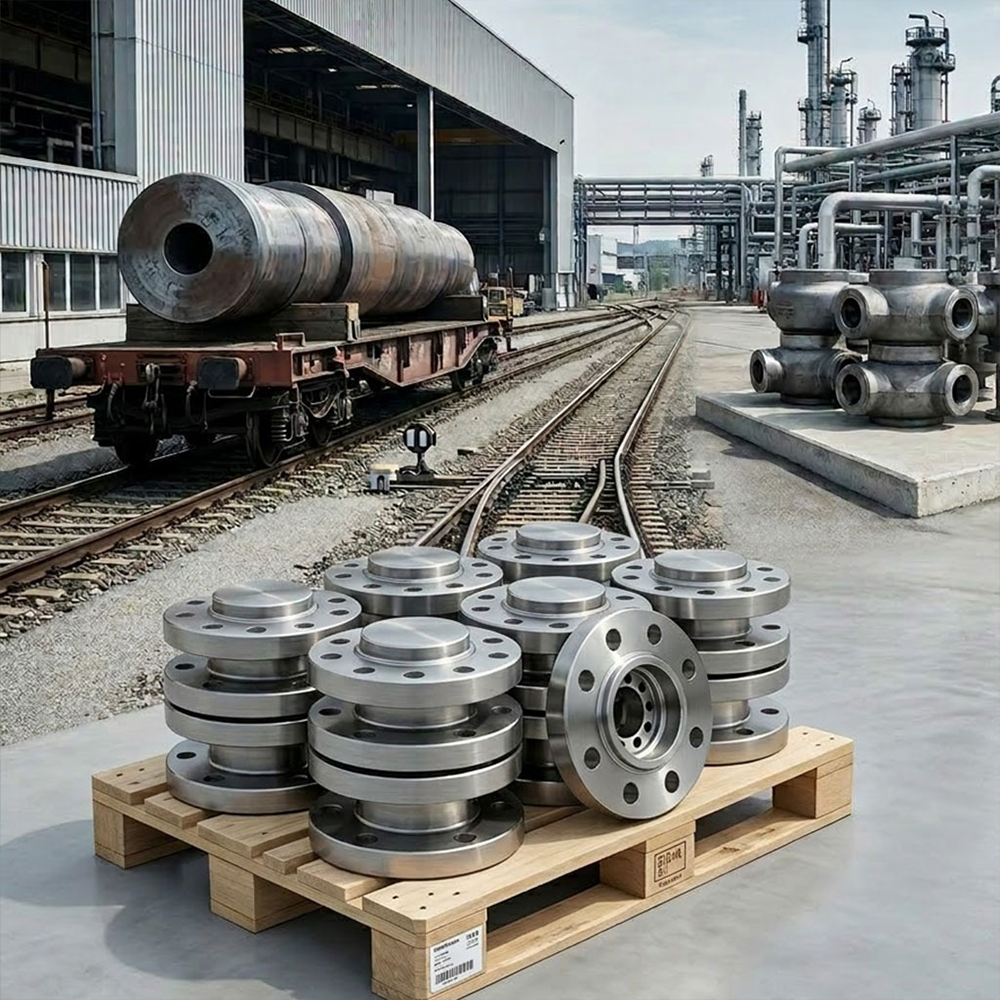
Forging Supplier for Austria: VOEST Alpine, AVL, and Industrial Manufacturing
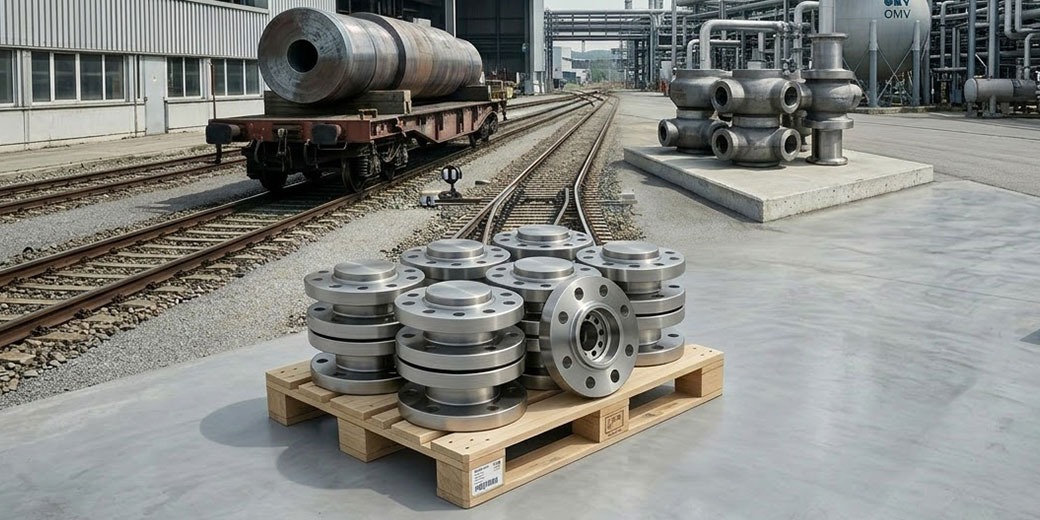
Austria — despite its modest size hosts several globally significant industrial companies: voestalpine (steel and railway technology), AVL (engine and powertrain testing systems), Anton Paar (laboratory instruments), and Blum (furniture fittings). voestalpine’s railway systems division produces turnouts (track switches) and rail fastening systems globally, consuming structural alloy steel forgings for switch mechanisms. AVL’s engine testing equipment uses precision alloy steel structural forgings. The Austrian oil and gas sector OMV (Vienna) — is a significant Central European energy company consuming API 20B forging procurement for its upstream and downstream operations.
| Company | Sector | Key Forging | Standard |
| voestalpine Railway Systems (Zeltweg) | Railway turnouts and track switches | Switch blade, frog structural components | EN 13674, IRIS ISO 22163 |
| OMV (Vienna) | Oil and gas — upstream and downstream | Valve bodies, pressure vessel nozzles | API 20B, ASME VIII |
| AVL List (Graz) | Engine testing, powertrain development | Test cell structural components, shaft forgings | ISO 9001, EN industrial |
| Anton Paar (Graz) | Laboratory instruments and process control | Precision stainless structural components | ISO 9001, high dimensional accuracy |
| Primetals Technologies (Linz) | Steel plant equipment | Rolling mill roll forgings, housing forgings | EN / ASTM industrial standards |
Voestalpine Railway Systems — headquartered in Zeltweg, Styria is the world’s largest manufacturer of railway turnouts (track switches) and one of the largest rail manufacturers globally. voestalpine’s turnout systems are installed on high-speed rail networks across Europe, the Middle East, and Asia. The switch blade the moving steel member of the turnout that guides train wheels from one track to another is a precision-machined component forged from manganese steel or heat-treated carbon steel. While much of the switch blade is rolled rail profile, the structural base and heel block components are alloy steel forgings. voestalpine applies IRIS (ISO 22163) to its railway systems quality management.
OMV — Austria’s integrated oil, gas, and petrochemical company with operations across Europe, the Middle East, and New Zealand procures API 20B forging components for its upstream production facilities (Ras Laffan petrochemicals, Austrian onshore gas fields) and downstream refineries (Schwechat refinery, Vienna). OMV’s procurement standards apply API 20B and ASME VIII for pressure equipment, with OMV-specific supplementary material requirements for sour service applications. Indian API 20B certified manufacturers with NACE MR0175 sour service capability are directly relevant for OMV upstream procurement.
Primetals Technologies — A joint venture between Mitsubishi Heavy Industries and Siemens (later Mitsubishi majority) produces steel plant equipment including rolling mills, continuous casting machines, and electric arc furnaces. Rolling mill roll forgings the large cylindrical work rolls and backup rolls that deform steel strip in hot and cold rolling are among the highest-value open die forgings in the steel industry. Work rolls for hot strip mills are forged in semi-high-speed steel or indefinite chilled cast iron; backup rolls in forged alloy steel (3% Cr alloy steel). Indian open die forge shops with 3,000T+ press capacity can supply Primetals backup roll forgings in the 5,000–20,000 kg range.
AVL List — headquartered in Graz and the world’s largest independent company for the development, simulation, and testing of powertrain systems uses alloy steel shaft forgings and structural frame components in its engine test cell equipment. AVL’s test cells for automotive and commercial vehicle engine development use dynamometer shaft couplings and structural base forgings that require dimensional precision and adequate fatigue strength. ISO 9001 is the minimum quality standard; AS9100D is accepted as a superset.
Vinir Engineering — Capability for this Market
- AS9100D.
- IRIS certified for voestalpine Railway Systems turnout structural forging supply.
- API 20B PSL 1–3 for OMV oil and gas procurement.
- CrMoV alloy steel open die forgings for Primetals backup roll blanks, 5,000–15,000 kg.
- 4140 and EN24 alloy steel shaft and coupling forgings for AVL test equipment.
- NABL Charpy at -20°C for Austrian and Central European ambient temperature requirements.
- Ocean freight Chennai to Koper (Slovenia) or Hamburg then road to Austria: 24–30 days.