

Forging vs Welded Fabrication: When a Forged Part Pays Back
Welded fabrication joins plates, pipes or bars into a shape; forging produces the same shape as one continuous piece of metal. A welded assembly introduces heat-affected zones, residual stresses and weld defects at exactly the points where loads concentrate. A forging has no welds, continuous grain flow and uniform properties. For fatigue-loaded, pressure-containing or safety-critical […]
Forging vs Casting: Strength, Cost and When to Switch
Forging shapes metal in the solid state using compressive force, producing a dense, continuous grain structure. Casting shapes metal by pouring it molten into a mould, where it solidifies with a random grain structure and potential porosity. For safety-critical, fatigue-loaded or pressure-containing components, forgings consistently outperform castings in strength, toughness and reliability. Castings remain the […]
Forging Lead Times in India by Process and Material
Forging lead time in India is the total time from purchase order to delivery of a forged component. It is driven far more by raw material availability, tooling, heat treatment and testing than by the forging operation itself, which may take only hours. For standard carbon and alloy steel grades held in stock, open die […]
Closed Die Forging Tooling Cost: Die Price, Amortisation and Payback
Closed die forging tooling cost is the one-time investment in the dies that shape a forging. It depends on part size, complexity, die material and the number of impressions (blocker, finisher, trim). Tooling is either paid upfront by the buyer or amortised into the piece price over an agreed volume. For buyers, the key question […]
Forging Cost per kg in India: What Drives the Price
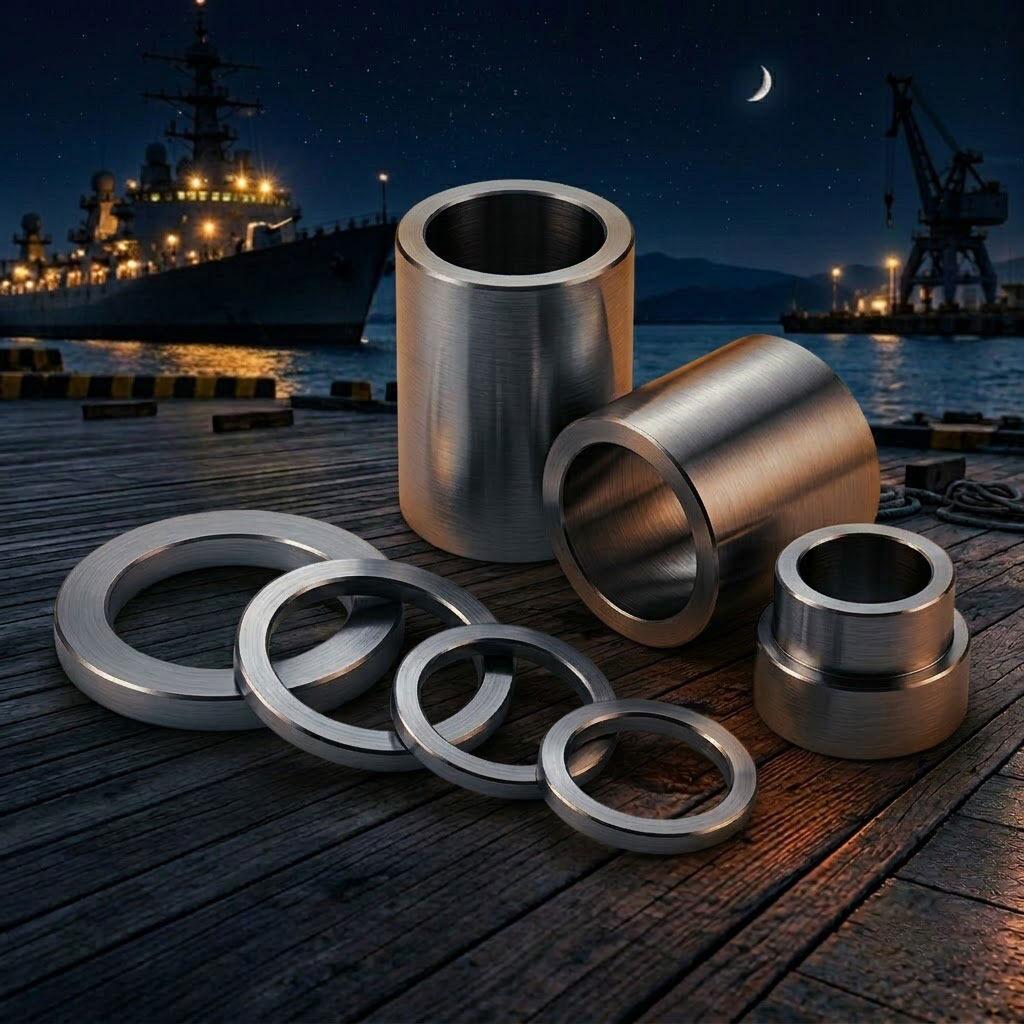
Forging cost per kg in India is not a fixed number. It is the result of eight variables: raw material grade, forging weight, process route, tooling, heat treatment, inspection and testing, machining scope, and order volume. Two forgings of the same weight can differ in price several times over — a 50 kg carbon steel […]
What to Include in a Forging RFQ: Drawing, Material Spec, NDT and Quantity
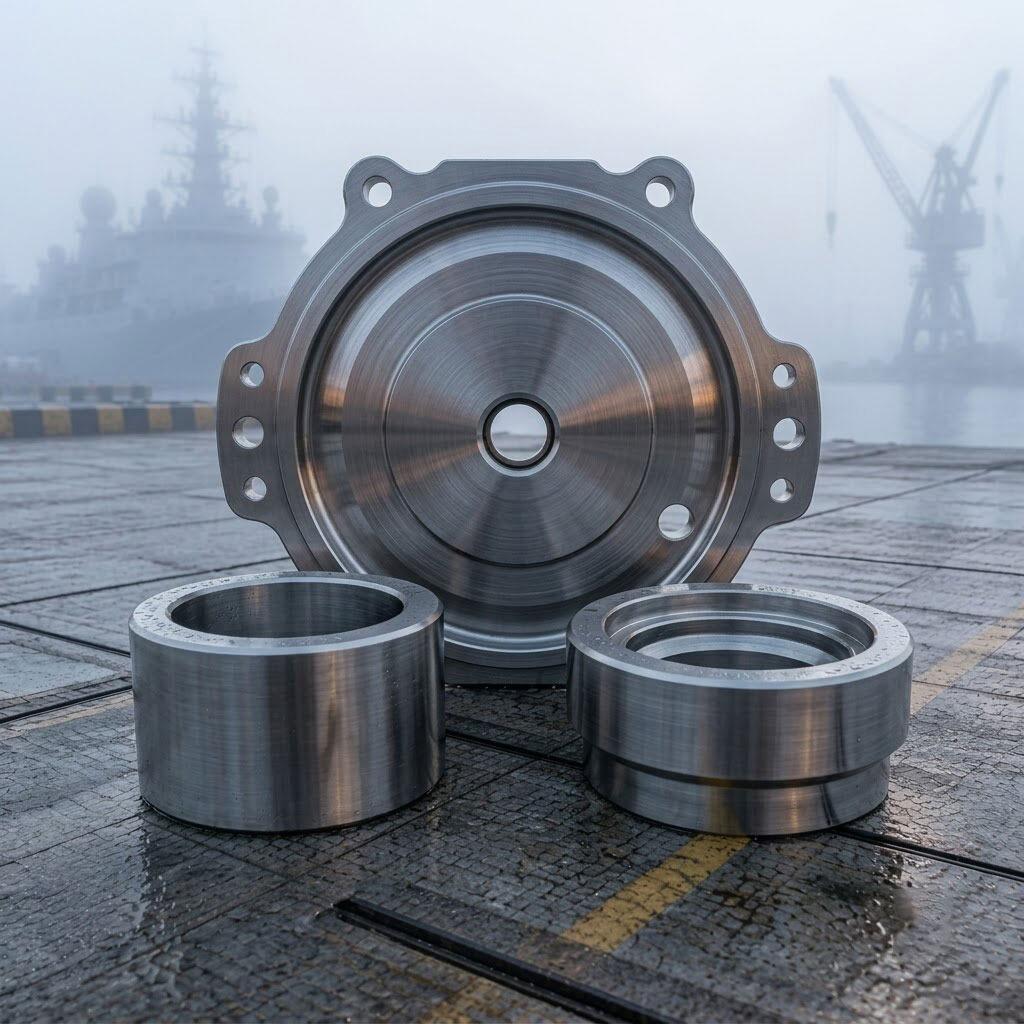
A forging RFQ (request for quotation) is the document a buyer sends to a forging supplier to get a price, lead time and technical feasibility for a component. The quality of the quote you receive depends almost entirely on the quality of the RFQ you send. An RFQ that includes a dimensioned drawing, a precise […]
Forged Shafts Manufacturer in India: Step, Hollow and Flanged Shafts
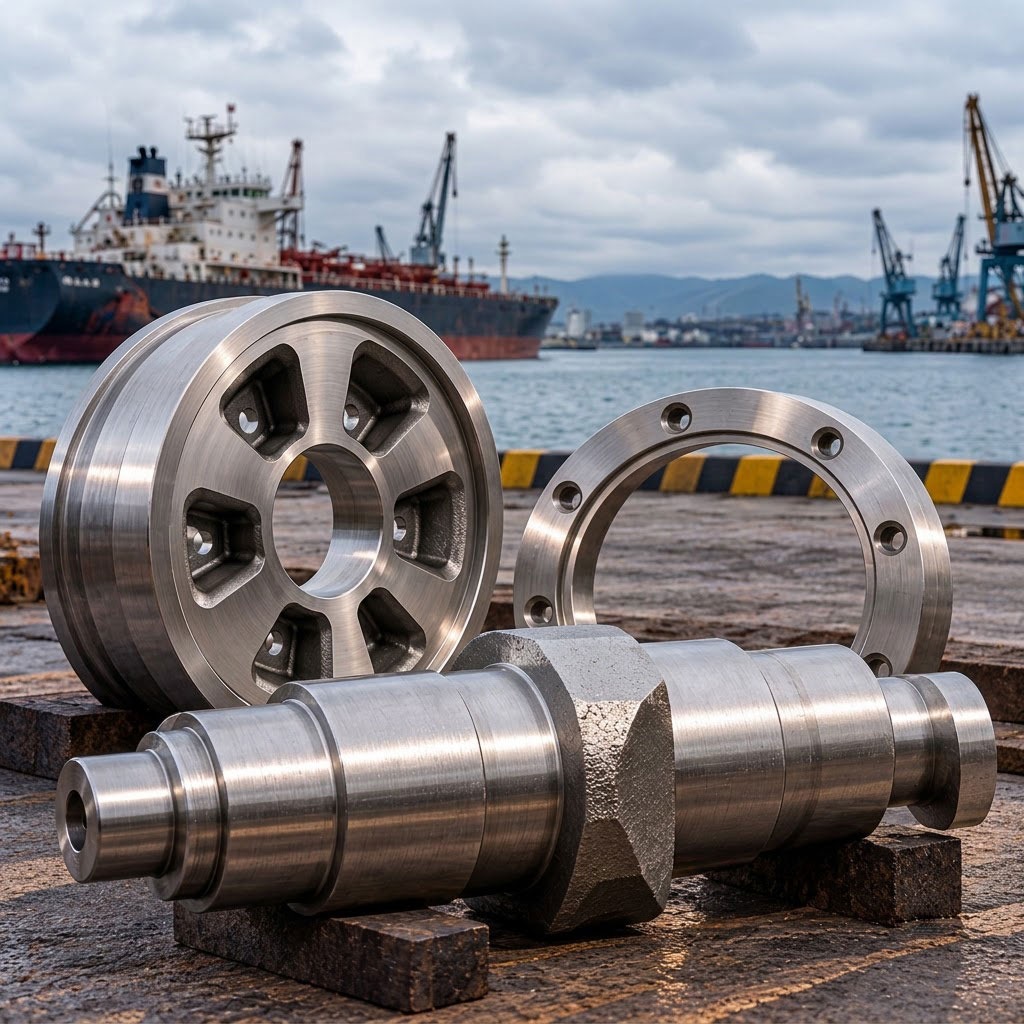
Forged shafts are rotating or load-carrying shafts made by forging rather than machining from bar, so the grain flow follows the shaft profile and fatigue resistance is higher. Indian manufacturers produce step shafts, flanged shafts, hollow shafts and long shafts for gearboxes, pumps, turbines, cranes, marine propulsion, rail and defence. The best route depends on […]
Alloy Steel Forgings Manufacturer in India: EN19, EN24, 4140, 4340 and 42CrMo4
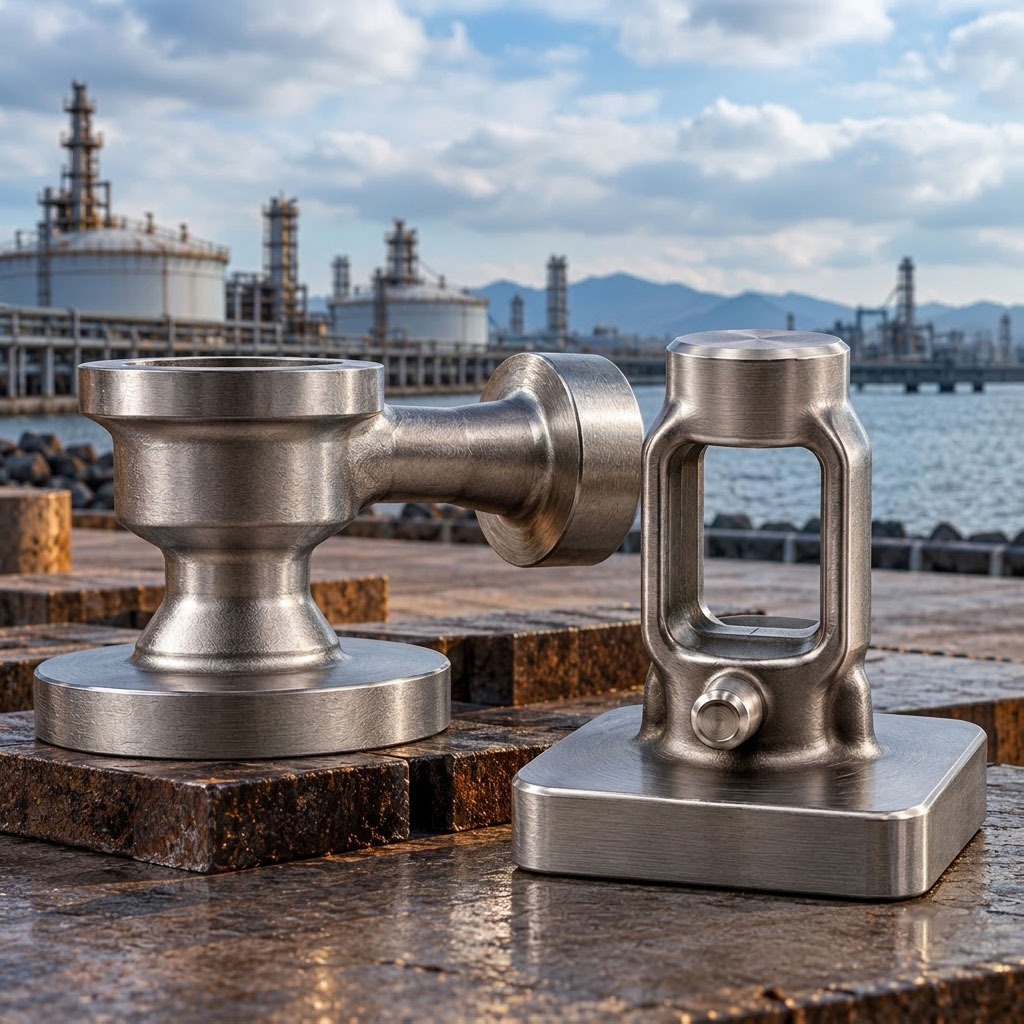
Alloy steel forgings are made from steels containing chromium, molybdenum, nickel or vanadium, which allow them to be hardened and tempered to high strength while keeping toughness. EN19 (42CrMo4), EN24 (817M40), AISI 4140, AISI 4340 and 34CrNiMo6 are the most common grades for shafts, gears, couplings, hubs and high-strength structural parts. Selecting the right grade […]
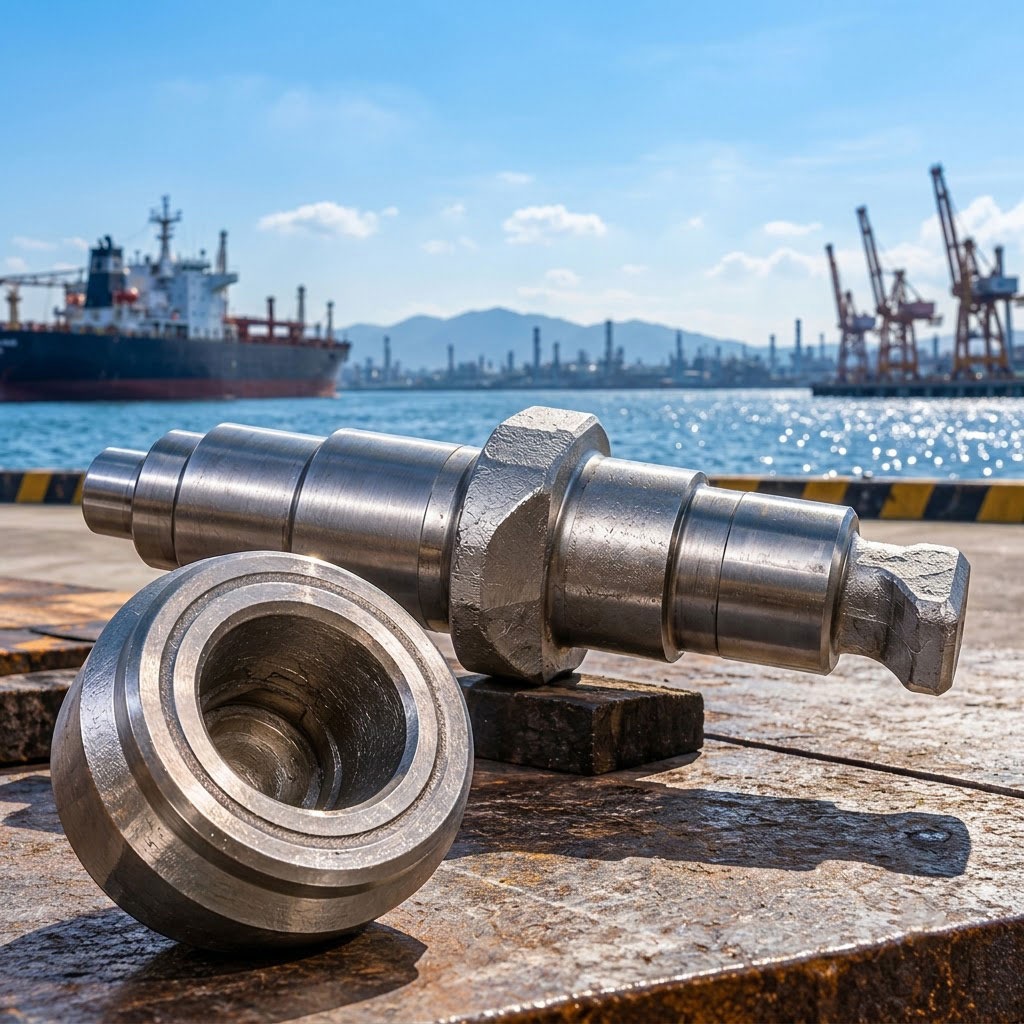
Steel Forgings Manufacturer in India: Carbon, Alloy and Tool Steel
Steel forgings are components shaped from carbon, alloy or tool steel by hot compressive deformation, giving them higher strength, toughness and fatigue life than cast or machined-from-plate parts. Indian steel forging manufacturers supply shafts, flanges, rings, gear blanks, hubs and blocks to the defence, oil & gas, power, rail, mining and heavy engineering sectors. Choosing […]