

Long-Term Defence Forging Supplier Reliability: What Matters Beyond the First Order
Long-term defence forging supplier reliability is the capacity of a forging manufacturer to sustain consistent quality, delivery performance, and programme support across the full duration of a defence platform’s production and in-service life — which in India typically spans 20 to 40 years. Qualifying a forging supplier for a defence programme is a significant investment […]
Defence Forging Certifications Compared: AS9100D, DGQA, IBR, and ABS
Defence forging certification in India involves multiple overlapping approval requirements that confuse buyers and suppliers alike. AS9100D, DGQA, IBR, ABS, NABL — each covers a different scope, is issued by a different authority, and applies to different programme types. Understanding what each one covers, who issues it, what it verifies, and when it is required […]
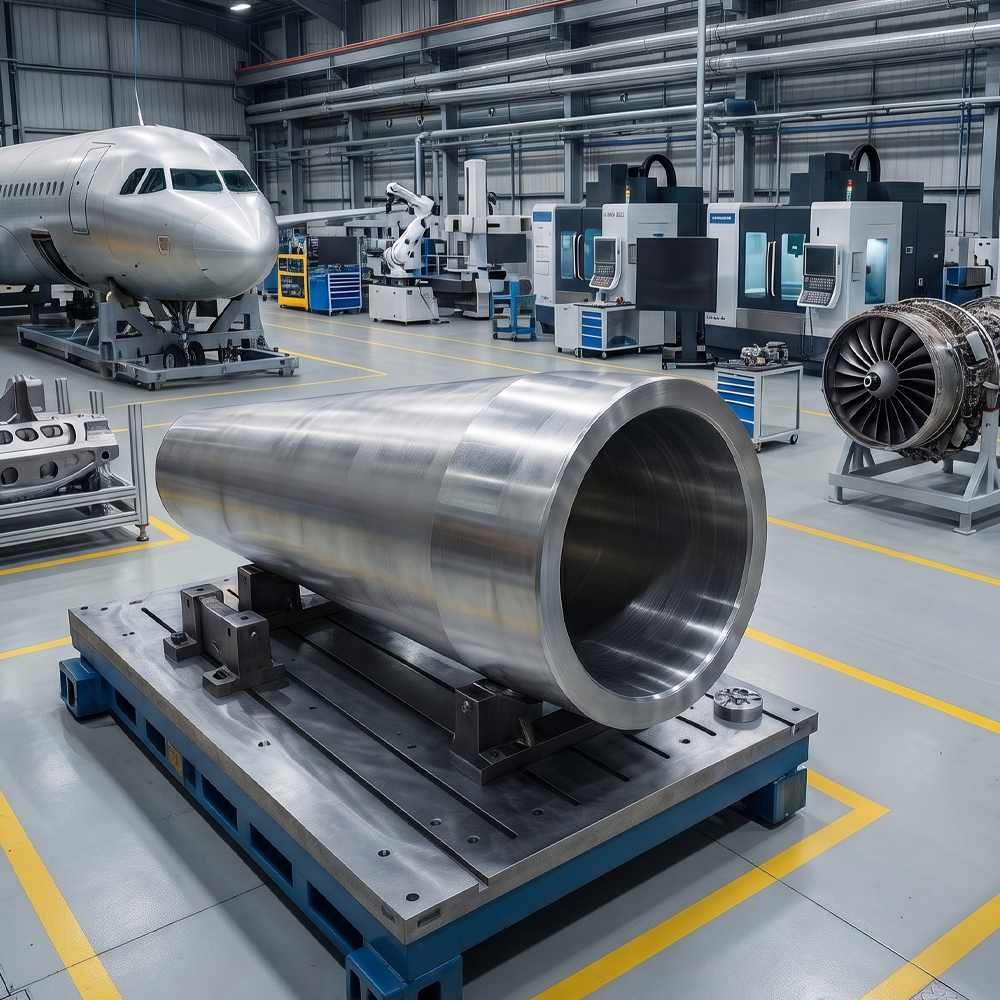
Aerospace Forging Manufacturers in India: AS9100D Certified Guide 2025
Aerospace forging manufacturers in India produce structurally critical forged metallic components for aircraft, helicopters, aeroengines, spacecraft, and defence aviation platforms. Unlike general industrial forging, aerospace forging operates under AS9100D quality management, airworthiness-linked material traceability, mandatory first article inspection for every new part number, and documentation requirements that must sat
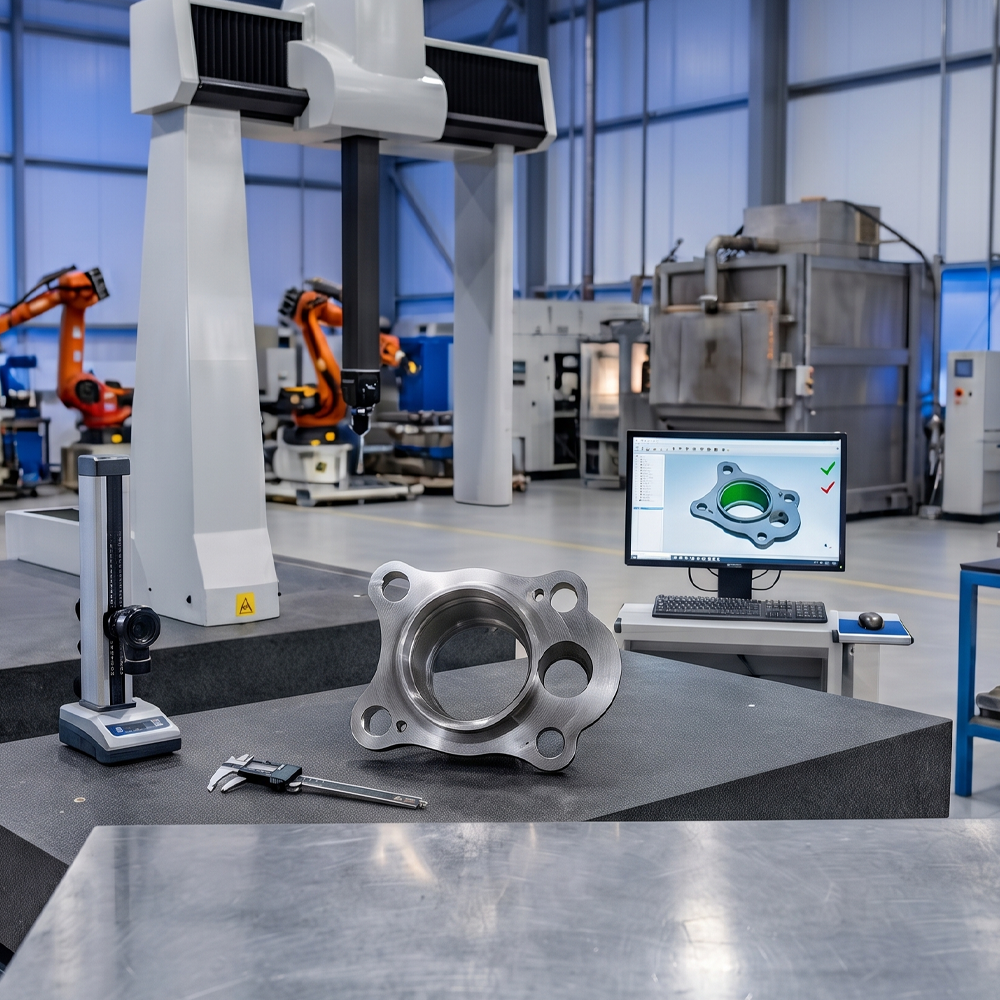
AS9100D Certified Defence Forging in India: What the Certification Really Means for Buyers
AS9100D certified defence forging means the forging manufacturer operates a quality management system independently audited and confirmed to meet the aerospace and defence standard AS9100 Revision D — the most current revision. For defence buyers in India and internationally, AS9100D is the baseline certification that separates credible defence forging suppliers from general industrial manufacturers claiming […]
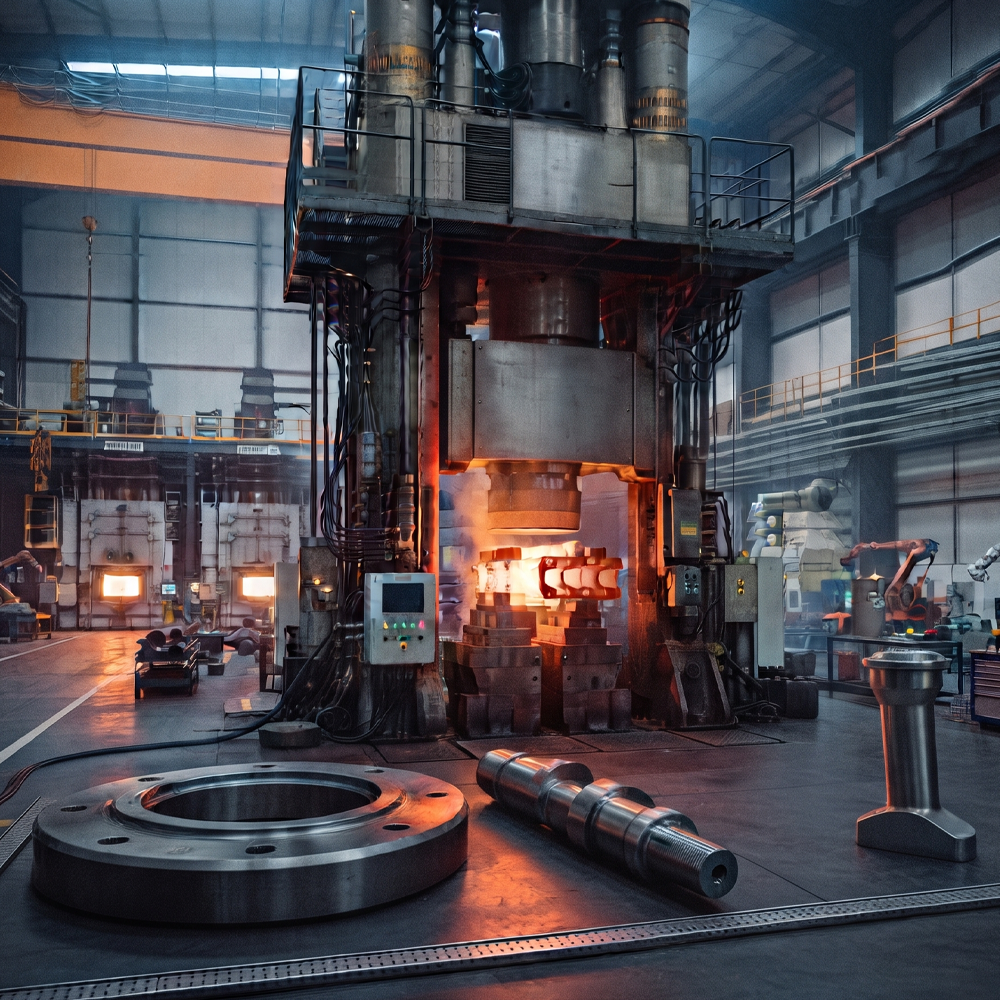
Defence Forging in India: AS9100D Certified Manufacturer Guide (2025)
Defence forging is the manufacture of structurally critical forged metallic components for military platforms — including armoured vehicles, weapon systems, naval vessels, aircraft structures, and missile bodies. Unlike standard industrial forging, defence forging demands AS9100D quality management, full material traceability from mill certificate to finished component, mandatory third-party inspection, and documentation t
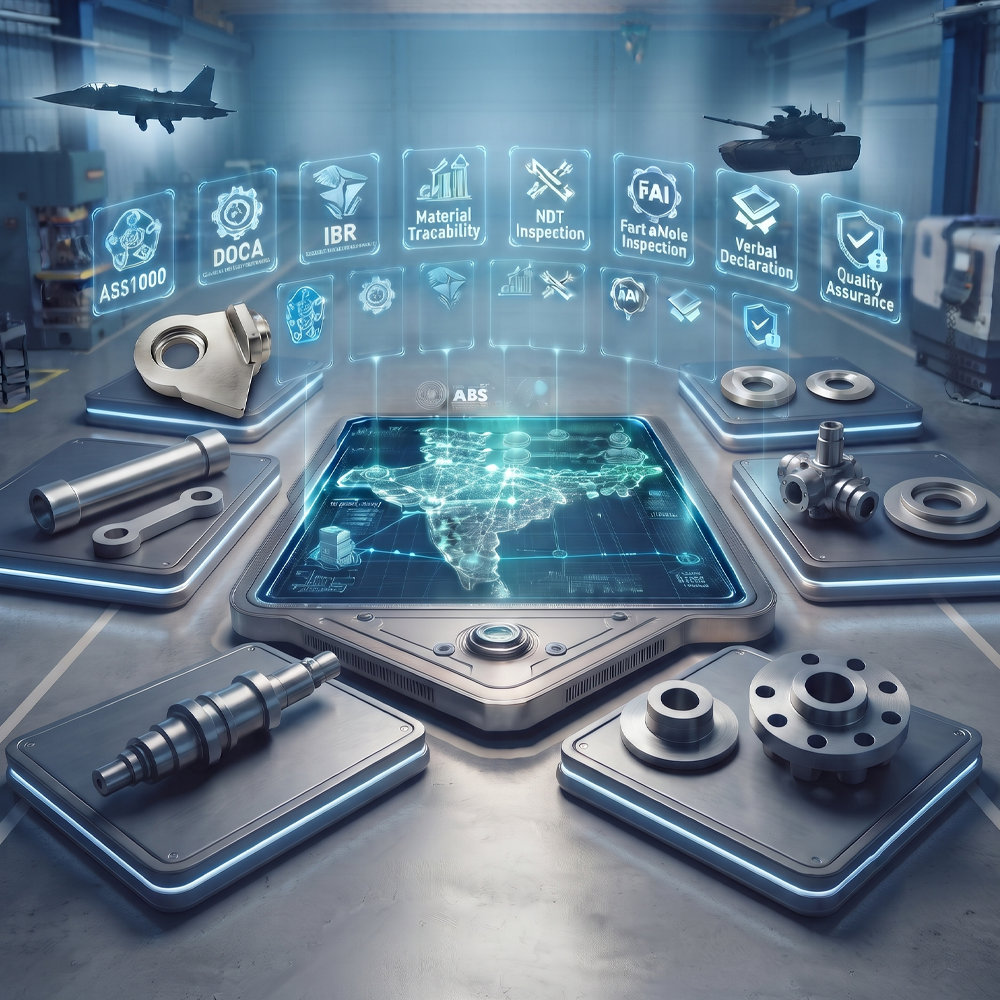
DPSU Supply Chain: How Indian Defence PSUs Source Critical Forgings
India’s Defence Public Sector Undertakings (DPSUs) — HAL, BEL, BDL, BEML, MIDHANI, MDL, GSL, and GRSE — collectively represent the largest domestic market for defence forged components in India. Understanding how each DPSU structures its forging supply chain, what certifications they require, and how a private forging manufacturer enters their supplier base is essential for […]
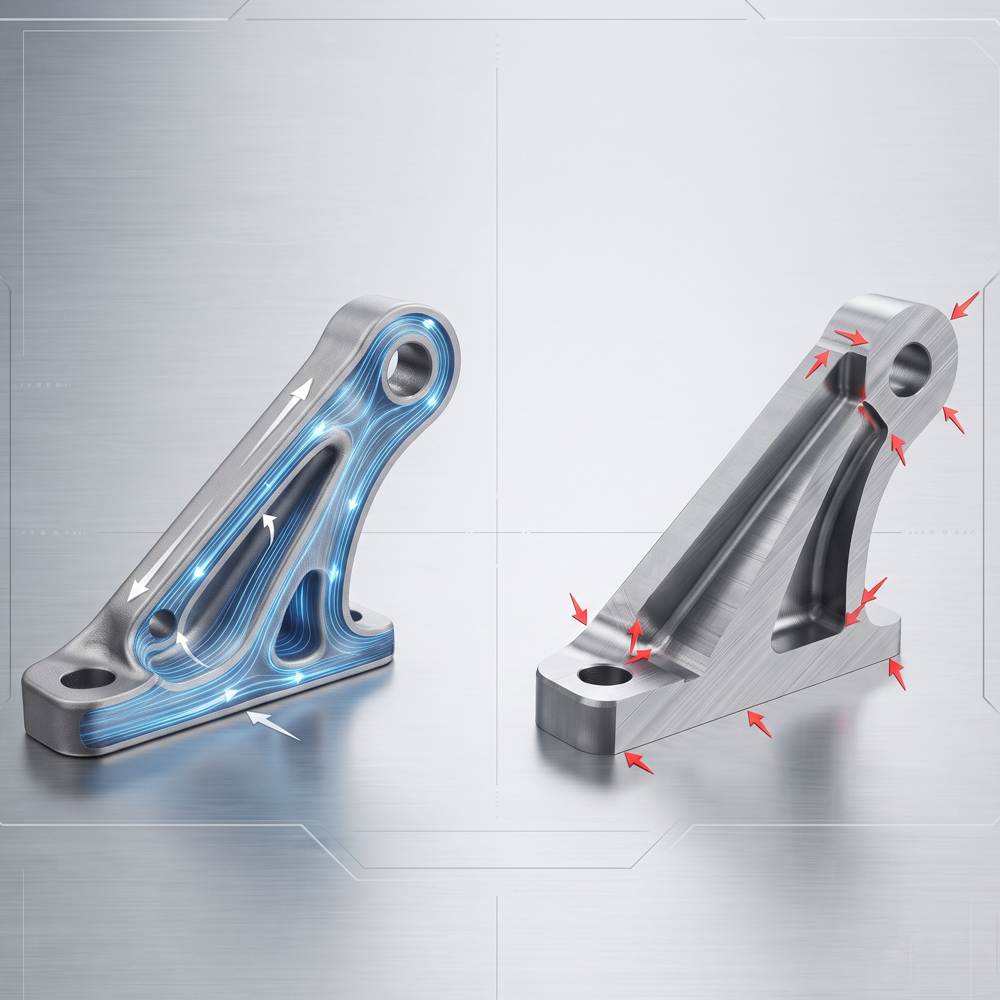
Grain Flow in Aerospace Forgings: Why Aircraft Structural Components Are Forged Instead of Machined
Aircraft structural components experience millions of cyclic loading events throughout their service life. Landing gear absorbs repeated impact loads during take-off and landing. Wing attachment fittings continuously transfer aerodynamic loads between the wing and fuselage. Engine mounts are subjected to vibration, thermal cycling, and fluctuating thrust loads. These components are expected to perform reliably for […]
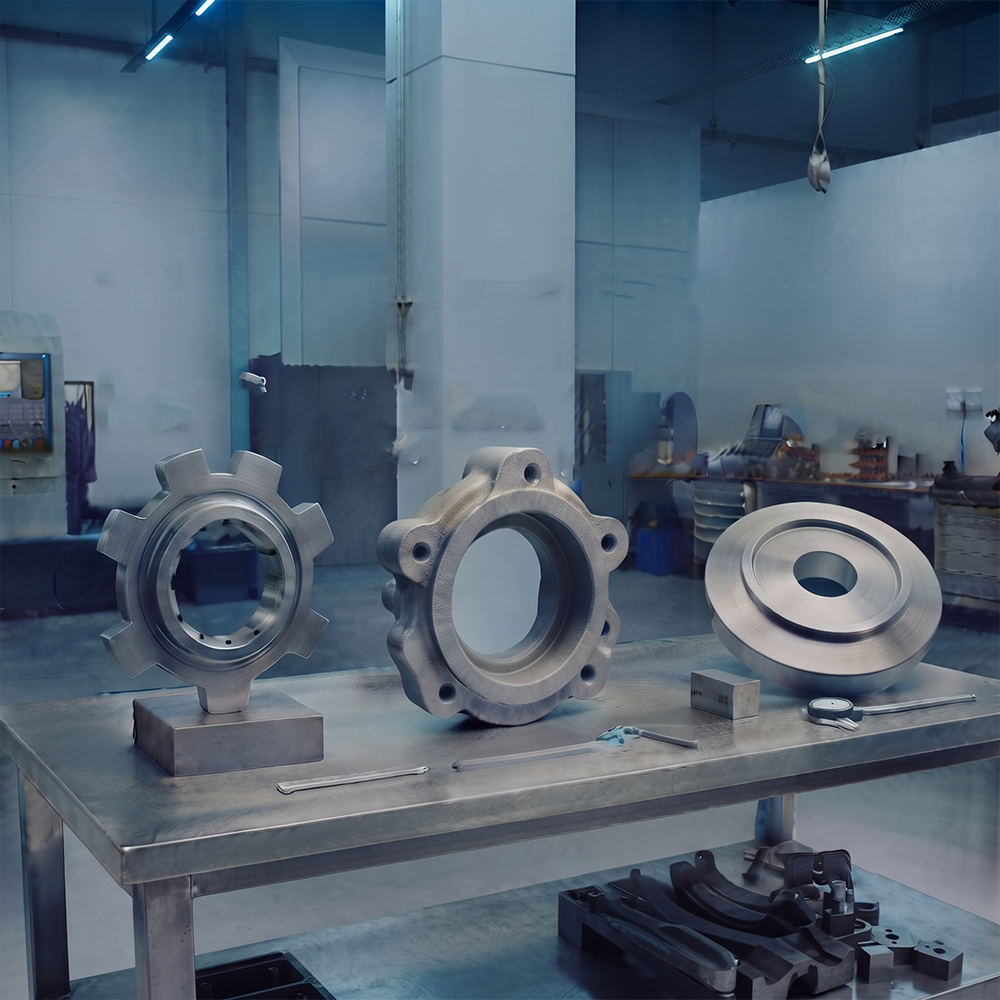
Aerospace Forging Material Traceability in India: Airworthiness-Linked Documentation Requirements
Aerospace forging material traceability is the unbroken chain of documented evidence linking every finished forged aerospace component back to its original raw material — the specific steel mill heat, the titanium billet lot, the Inconel bar certificate — from which it was manufactured. In aerospace, traceability is not a quality management preference — it is […]