

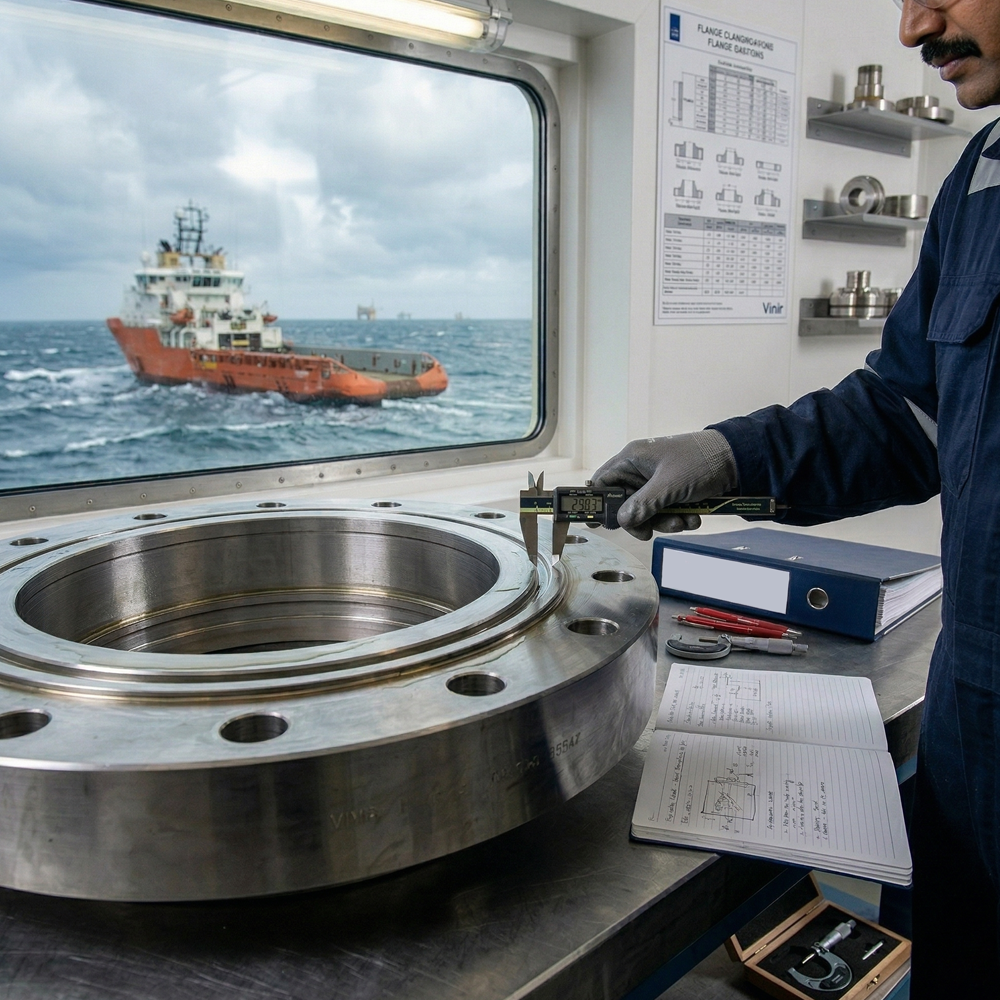
Marine forging manufacturers: structural reliability for offshore and maritime systems
Marine Forgings Operate in Environments Where Failure Is Not Easily Contained Marine and offshore systems operate in conditions that are both mechanically demanding and environmentally aggressive. Unlike land-based installations, marine components are exposed to continuous vibration, saltwater corrosion, dynamic loading, and limited accessibility for maintenance. Forged components used in propulsion systems, offshore rigs, s
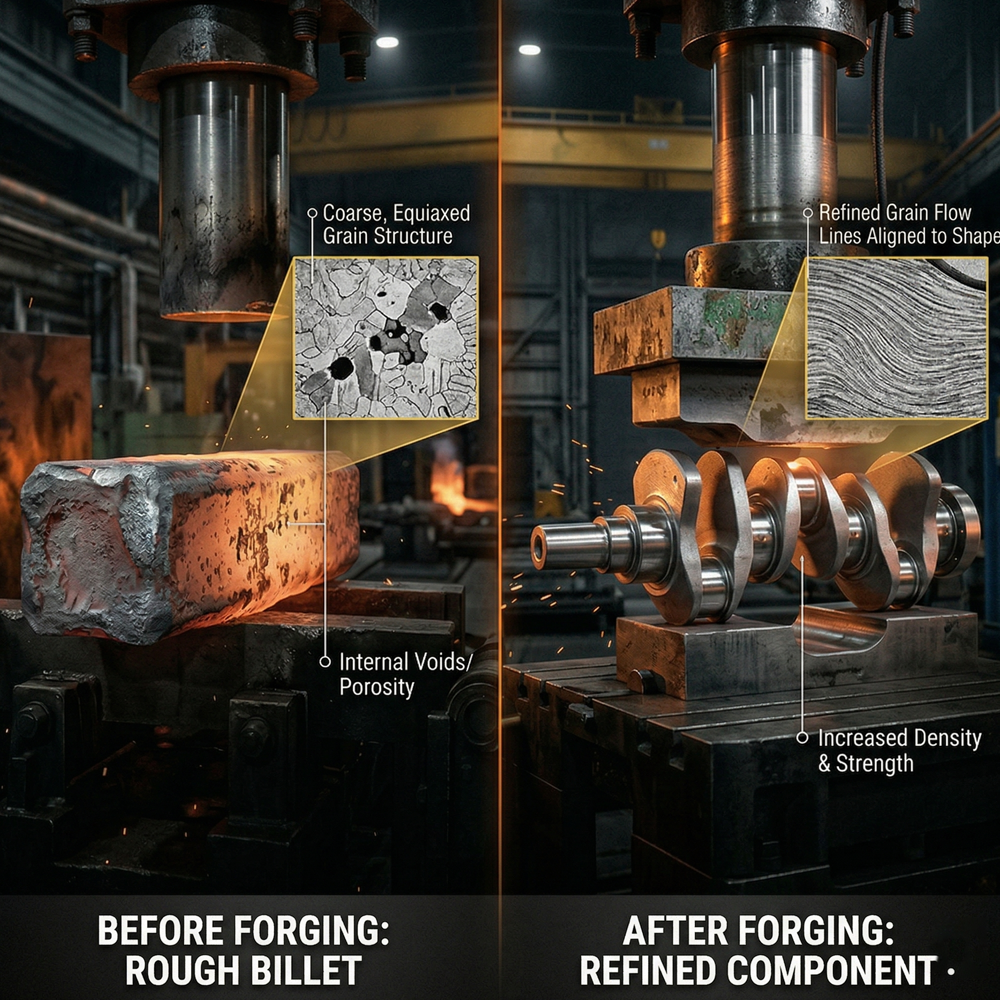
Forging reduction ratios explained: why deformation control impacts fatigue life
Why Reduction Ratio Is a Quiet Deal-Breaker in Critical Forgings Most component failures don’t occur because a forging was dimensionally incorrect.They occur because the metal was never properly worked. Reduction ratio sits at the intersection of metallurgy, process control, and fatigue performance. While it rarely appears on drawings, it is implicitly audited in defence, aerospace, […]
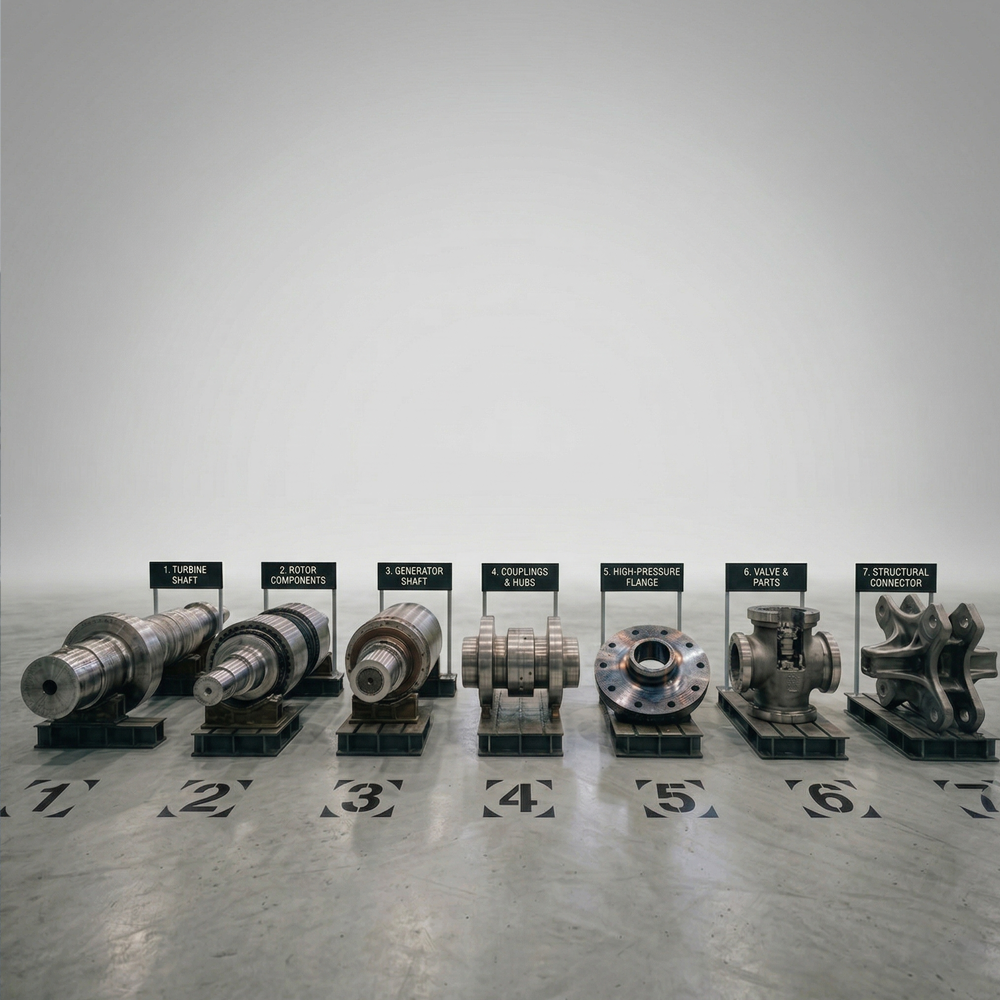
Power plant forgings: structural reliability in thermal, hydro, and energy systems
Power Generation Forgings Operate Under Continuous Load and Thermal Stress Power plants — whether thermal, hydro, gas-based, or renewable-integrated — rely on forged components that operate under sustained mechanical and thermal loading. Unlike many industrial parts that experience intermittent duty cycles, power plant forgings are often subjected to: Failure of a turbine shaft, generator component, […]
Forging manufacturers in india for critical industries
India’s Forging Sector Is Large — But Not Uniform India is one of the largest forging hubs globally, supplying components across automotive, railways, construction, energy, and heavy industry sectors. However, the phrase “forging manufacturers in India” covers a wide spectrum of production models. At one end are high-volume automotive forging suppliers optimized for repetition, tooling […]
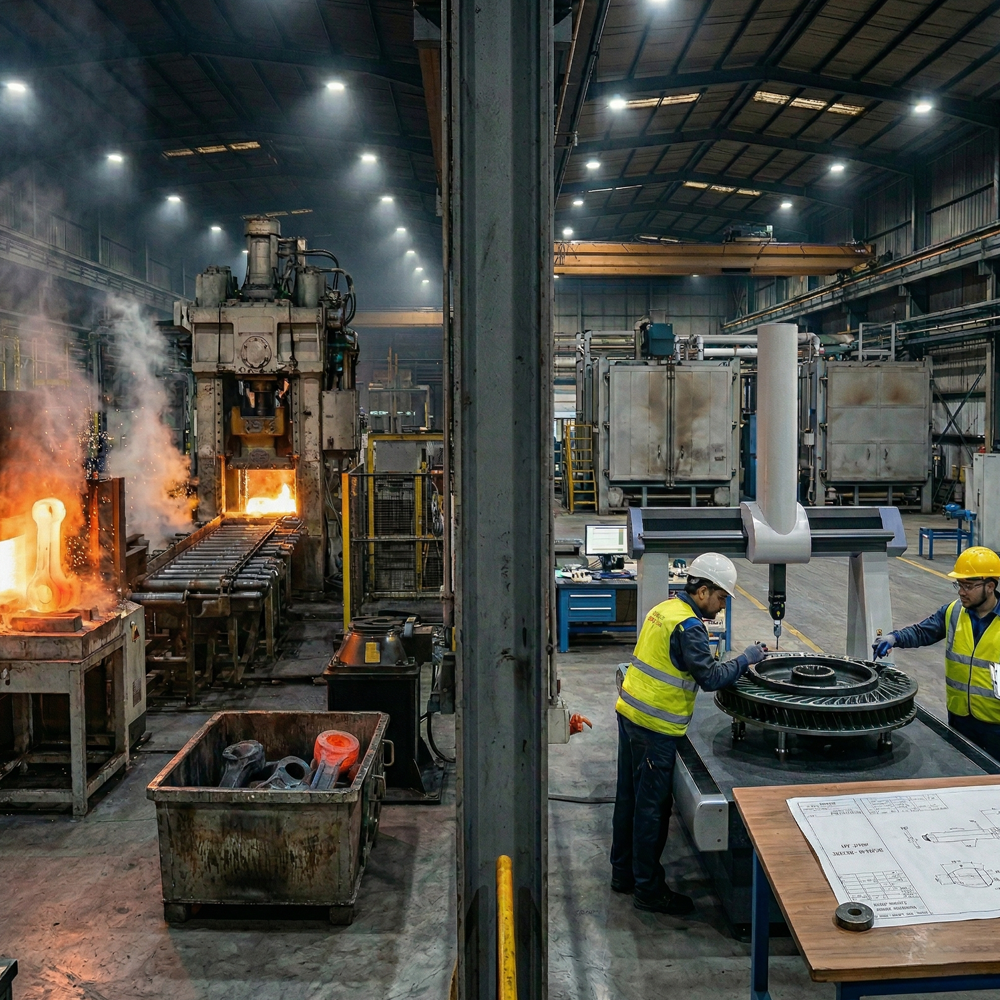
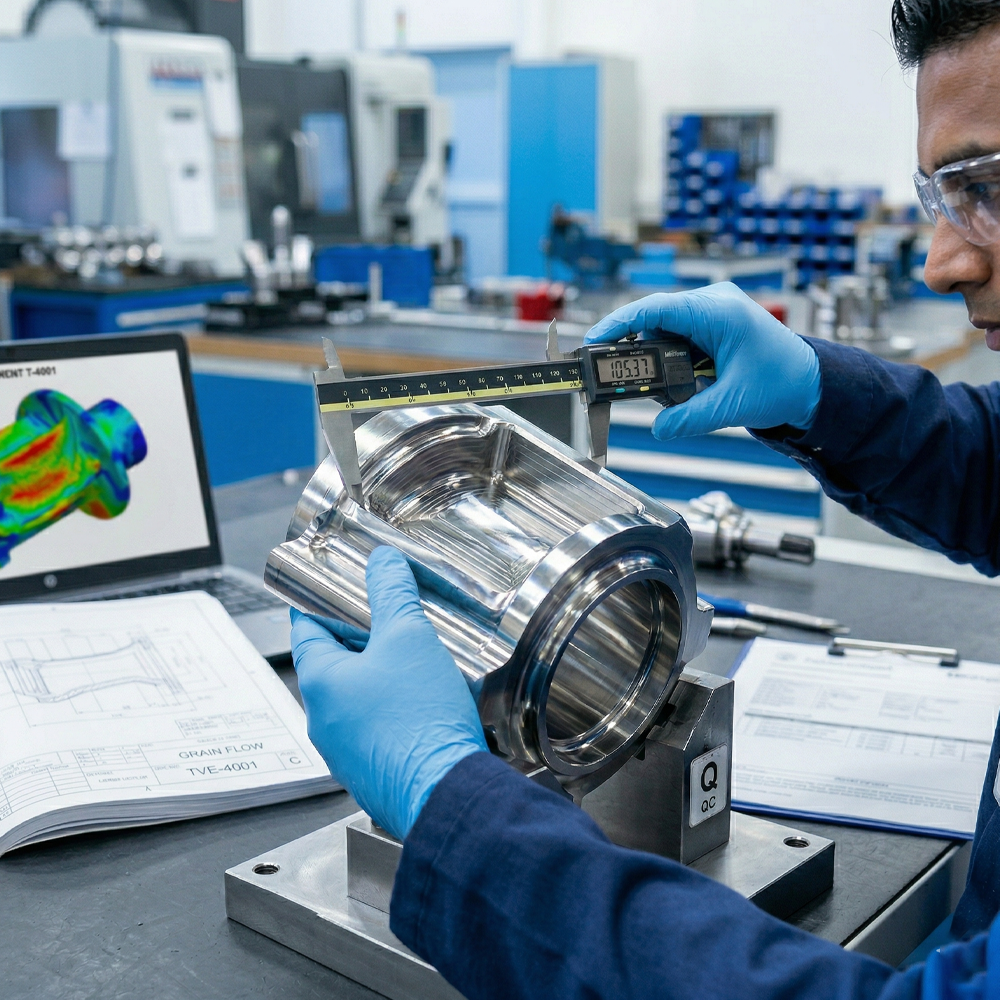
Non-automotive forging manufacturers: why critical industries require a different manufacturing model
The Structural Divide Between Automotive Forging and Critical Industry Forging Not all forging manufacturers are built for the same purpose. At a surface level, forging appears uniform — heated metal shaped under compressive force. But the manufacturing philosophy behind that process varies dramatically depending on the end market. Automotive forging is optimized for: Critical industries […]